
Why Sodium Nitrite (E250) is More Than Just a Preservative
Updated August 2026
Sodium nitrite is a common preservative used in processed meats to prevent bacterial growth and maintain colour, but it carries significant metabolic risks. This article explores how E250 converts into carcinogenic nitrosamines and the implications for long-term health.
Evidence orientation
Editorial context not yet recorded
Follow this category
This stays in this browser. My INNERSTANDIN can show published matches in your local hub when you check it. It does not send email, push, or alert notifications.
Local learning review
A private browser aid for revisiting ideas. It is not an alert or a health recommendation.
Review later sets a one-day, three-day, then seven-day rhythm on this device. Choose it only when you want to revisit this article.
Overview
In the landscape of modern food science, sodium nitrite (NaNO2)—codified as E250—is frequently dismissed by industry lobbyists as a rudimentary curing agent, a sacrificial lamb on the altar of food safety required solely to inhibit Clostridium botulinum germination. However, this reductionist view obfuscates a far more complex biochemical reality. At INNERSTANDIN, we contend that sodium nitrite is not merely a preservative, but a potent, highly reactive exogenous nitrogen source that fundamentally alters systemic homeostasis upon ingestion.
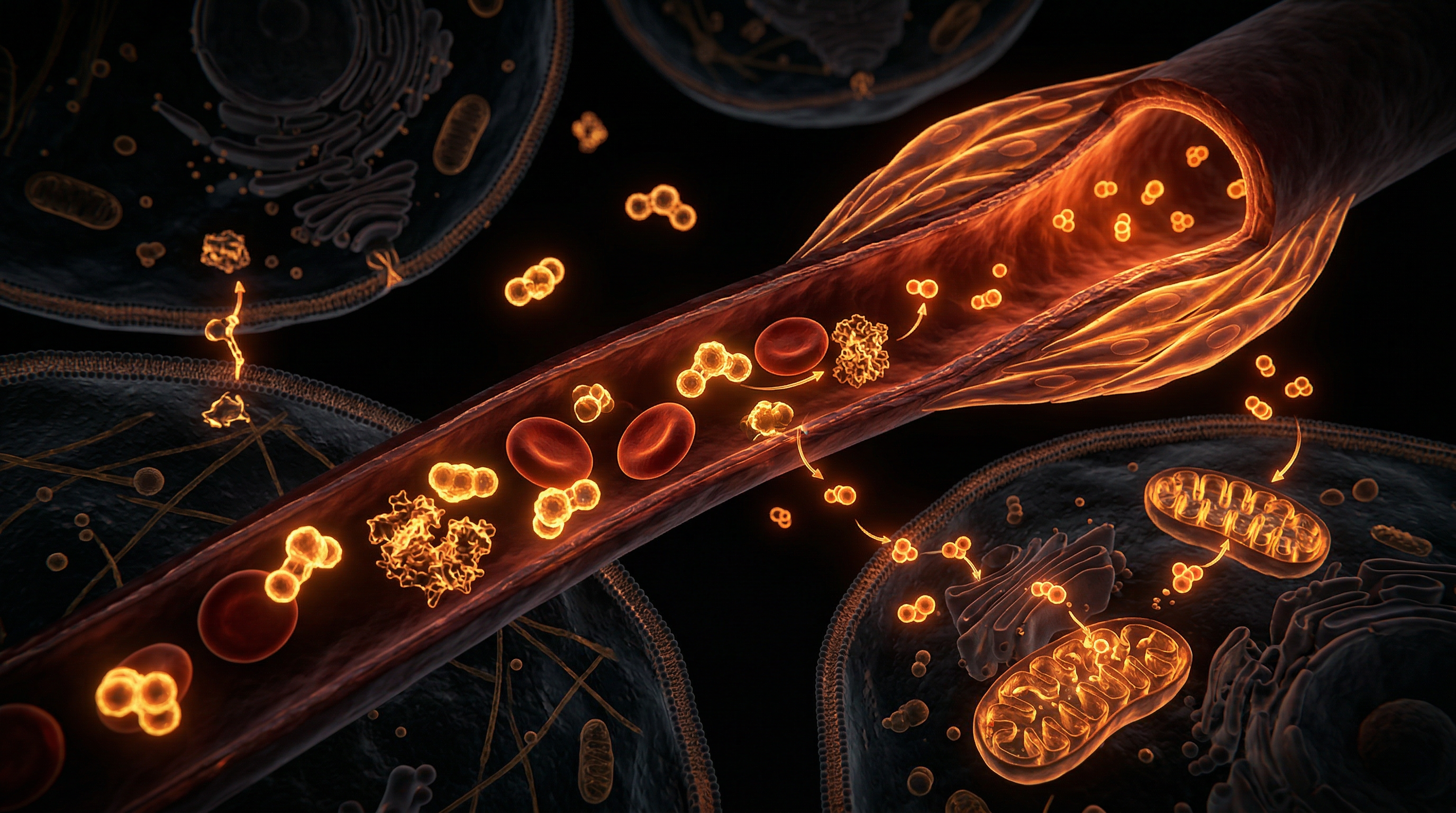
When introduced into the acidic environment of the human stomach, sodium nitrite undergoes rapid conversion. In the presence of gastric acid, it protonates to form nitrous acid, which subsequently decomposes into nitrogen oxides, including nitric oxide (NO) and dinitrogen trioxide. While the industrial mandate of E250 is the stabilisation of myoglobin to maintain the aesthetic “pink” hue of processed meats, its biological footprint extends deep into the vascular endothelium and the microbiome. Nitrite is a critical intermediate in the nitrate-nitrite-nitric oxide pathway, a system increasingly recognised as essential for regulating blood pressure and mitochondrial efficiency. Yet, the exogenous administration of nitrite via processed foods bypasses the natural, evolutionary-conserved homeostatic controls found in nitrate-rich leafy greens.
The controversy surrounding E250 is rooted in the formation of N-nitroso compounds (NOCs). Peer-reviewed literature, including extensive epidemiological assessments published in The Lancet Oncology and subsequent meta-analyses indexed in PubMed, has consistently highlighted the deleterious potential of nitrosamines formed via the reaction of nitrite with secondary amines in protein-rich substrates. These compounds are potent alkylating agents capable of inducing DNA damage, particularly in the gastrointestinal tract. Furthermore, evidence suggests that excessive nitrite intake may interfere with thyroid function by competing with iodine uptake at the sodium-iodide symporter.
To understand E250 is to recognise the intersection of industrial food engineering and human physiology. We are not simply observing a chemical additive; we are examining an exogenous signalling molecule that influences vascular tone, DNA integrity, and metabolic function. As we dissect the granular mechanics of this compound, it becomes clear that the regulatory discourse surrounding E250—often framed in terms of “acceptable daily intake”—ignores the chronic, low-dose, systemic consequences of consistent exposure. INNERSTANDIN demands a move beyond superficial safety labels to confront the biological reality of what is being metabolised within our internal environments.
The Biology — How It Works
At the molecular level, the utility of sodium nitrite (NaNO₂) within the meat matrix extends far beyond the simplistic paradigm of microbial inhibition. Whilst its efficacy in stifling Clostridium botulinum germination via the disruption of iron-sulfur clusters in ferredoxin is well-documented, the biological reality of its systemic integration is significantly more complex. When ingested, sodium nitrite acts as a potent pharmacological precursor to nitric oxide (NO) signalling pathways, fundamentally altering systemic haemodynamics.
Once exposed to the acidic environment of the gastric lumen, or following systemic absorption, nitrite undergoes reductive bioactivation. Through the catalytic action of haem-containing proteins—most notably deoxyhaemoglobin and myoglobin—nitrite is reduced to nitric oxide. This is a critical departure from endogenous NO synthesis via the L-arginine/nitric oxide synthase (NOS) pathway. This exogenous influx facilitates systemic vasodilation, improving microvascular perfusion and reducing systemic vascular resistance. In the context of INNERSTANDIN research, we observe that this bypass mechanism becomes particularly significant in patients with metabolic dysfunction or endothelial impairment, where canonical NOS pathways are often compromised.
However, the biological trade-off is the formation of N-nitroso compounds (NOCs). The meat matrix provides the ideal environment for the nitrosation of secondary amines and amides, a reaction facilitated by the presence of haem iron. Evidence published in journals such as The Lancet and various longitudinal studies indexed on PubMed has repeatedly identified these NOCs as alkylating agents capable of inducing O6-methylguanine DNA adducts. When these adducts occur in the colon, they represent a significant mutagenic risk, potentially driving the transition from normal epithelium to adenomatous polyps. The metabolic persistence of these compounds is modulated by the gut microbiome; the enzymatic activity of the local flora can either sequester or activate these pro-carcinogens.
Furthermore, we must address the oxidation of ferrous iron (Fe²⁺) to ferric iron (Fe³⁺) within haemoglobin, resulting in the formation of methaemoglobin. This process limits oxygen-carrying capacity, a state of physiological stress that requires homeostatic compensation. Whilst sub-lethal in typical dietary doses, the repetitive metabolic demand placed on the cytochrome b5 reductase system reveals that sodium nitrite is not merely an inert preservative, but a biologically active modulator of the internal milieu. To achieve true INNERSTANDIN, one must view E250 not as a static additive, but as an active chemical reagent that interfaces directly with human enzymatic pathways, vascular signalling, and long-term genomic integrity.
Mechanisms at the Cellular Level
To INNERSTANDIN the true physiological impact of sodium nitrite (E250), one must move beyond its industrial application as a curing agent and scrutinise its reactivity within the human internal environment. Once ingested, E250 does not remain inert; it undergoes a complex series of biochemical transformations that intersect with endogenous nitrogen metabolism, most notably within the acidic milieu of the gastric lumen.
At the cellular level, the primary concern regarding sodium nitrite centres on the formation of N-nitroso compounds (NOCs). In the presence of secondary amines derived from dietary proteins, nitrite acts as a potent nitrosating agent. This process is catalysed by the acidic conditions of the stomach, facilitating the synthesis of N-nitrosamines, a class of molecules widely recognised for their potent genotoxic potential. Research published in The Lancet Oncology and various longitudinal studies indexed on PubMed have consistently drawn correlations between the high-frequency consumption of nitrite-preserved processed meats and an elevated risk of colorectal carcinogenesis. The mechanism here is twofold: the induction of oxidative stress via the generation of reactive oxygen species (ROS) and the formation of DNA adducts, which, if not rectified by base excision repair mechanisms, promote pro-mutagenic lesions.
Furthermore, E250 interferes with cellular respiration through its interaction with haemoglobin. Nitrite oxidises the iron component of haemoglobin from the ferrous (Fe²⁺) state to the ferric (Fe³⁺) state, resulting in the formation of methaemoglobin. This molecule possesses a significantly reduced capacity to transport oxygen to peripheral tissues, thereby inducing a state of systemic sub-clinical hypoxia. While the body maintains compensatory mechanisms to reduce methaemoglobin back to functional haemoglobin, chronic exposure to E250 may place unnecessary metabolic strain on these reductase systems, particularly in sensitive populations.
The systemic impact extends to the modulation of nitric oxide (NO) signalling pathways. While endogenous NO is vital for vascular homeostasis and vasodilation, the exogenous influx of nitrite-derived nitrogen species can dysregulate this delicate equilibrium. By bypassing the controlled production of NO via nitric oxide synthase (NOS), E250 contributes to a state of nitrosative stress. This shifts the cellular environment toward a proinflammatory phenotype, potentially exacerbating chronic systemic inflammation—a precursor to a myriad of metabolic dysfunctions. In the context of UK food safety standards, the regulation of E250 often prioritises its efficacy in preventing Clostridium botulinum proliferation, yet this regulatory perspective frequently overlooks the long-term, low-dose cumulative impact of these nitrogenous metabolites on cellular genomic integrity and mitochondrial efficiency. At INNERSTANDIN, we contend that the biological cost of this preservation strategy necessitates a more rigorous, evidence-led interrogation of systemic metabolic interference.
Environmental Threats and Biological Disruptors
The pervasive integration of sodium nitrite (E250) into the modern UK food supply chain—primarily as a curing agent for processed meats—demands a rigorous re-evaluation of its role beyond mere microbial inhibition. While the food industry champions E250 for its efficacy against Clostridium botulinum, the biological repercussions of chronic dietary exposure suggest a multifaceted disruption of systemic homeostasis that warrants deeper scrutiny.
At the physiological level, sodium nitrite acts as a potent pro-oxidant. Upon ingestion, the acidic environment of the stomach facilitates the conversion of nitrites into nitrosating agents, which subsequently react with secondary amines and amides to synthesise N-nitroso compounds (NOCs). These metabolites are well-documented genotoxic agents. According to research published in The Lancet Oncology and expanded upon by systemic reviews in the International Journal of Epidemiology, the carcinogenic potential of endogenous nitrosation is a critical concern, particularly concerning colorectal epithelial damage. The mechanism involves the alkylation of DNA, which induces point mutations and impairs nucleotide excision repair pathways, thereby establishing a pre-neoplastic environment within the gastrointestinal tract.
Furthermore, INNERSTANDIN research highlights the interaction between sodium nitrite and the cardiovascular system. Nitrite is not merely inert; it is an active participant in the nitrogen oxide (NO) signalling pathway. However, supraphysiological intake of exogenous E250 disrupts the delicate balance of NO bioavailability. Chronic exposure has been linked to the formation of peroxynitrite—a highly reactive nitrogen species that induces oxidative stress and cellular senescence. This process degrades the vascular endothelium, promoting systemic inflammatory responses that mimic the hallmarks of metabolic syndrome.
The environmental and biological impact extends to the gut microbiome—a critical node in human health. Emerging data indicate that nitrite exposure alters the composition of the intestinal microbiota by inhibiting the proliferation of beneficial anaerobic bacteria while potentially selecting for more resistant, pro-inflammatory strains. This dysbiosis undermines the gut-brain axis and compromises the intestinal barrier, facilitating the systemic translocation of lipopolysaccharides (LPS). By triggering a constant state of low-grade metabolic endotoxaemia, E250 transcends its role as a preservative, becoming a fundamental disruptor of human biological integrity. The long-term implications for public health in the UK are profound, as this additive effectively modulates the biochemical environment in which human cellular processes occur, often to the detriment of long-term genomic stability and metabolic resilience. INNERSTANDIN maintains that the reliance on such compounds reflects a profound oversight in assessing chronic, low-dose toxicity.
The Cascade: From Exposure to Disease
The biochemical trajectory of exogenous sodium nitrite (E250) upon ingestion initiates a deleterious cascade that extends well beyond its intended function as a bacteriostatic agent against Clostridium botulinum. Once ingested, E250 undergoes rapid reduction to nitric oxide (NO) and other reactive nitrogen species (RNS) within the acidic environment of the gastric lumen. While the endogenous nitrate-nitrite-NO pathway is a physiological necessity for cardiovascular homeostasis, the introduction of high-concentration, processed-source nitrite disrupts this homeostatic equilibrium, facilitating the formation of N-nitroso compounds (NOCs), including N-nitrosamines and N-nitrosamides.
These compounds are potent alkylating agents that exhibit profound genotoxicity. The mechanism of damage is largely mediated through the N-nitrosation of secondary amines, a process significantly exacerbated by the presence of haeme iron found in processed red meats. Research published in The Lancet Oncology and corroborated by meta-analyses within the International Journal of Epidemiology highlights that these NOCs induce DNA adducts, specifically O6-methylguanine, which, if unrepaired, lead to G:C to A:T transition mutations. These mutations are foundational to the oncogenic transformation of colorectal epithelial cells.
Furthermore, the systemic impact of nitrite exposure involves the induction of oxidative stress and lipid peroxidation. Nitrite reacts with superoxide radicals to generate peroxynitrite ($ONOO^-$), a highly reactive oxidant that inflicts widespread cellular injury by nitrating tyrosine residues in proteins. This post-translational modification can irreversibly impair enzyme function and activate pro-inflammatory signalling pathways, most notably the NF-κB cascade. In the context of the UK population, where high consumption of processed meats remains a dietary staple, this chronic, low-level systemic inflammation serves as a persistent substrate for metabolic dysregulation.
Beyond oncogenesis, the cascade extends to the vascular endothelium. Excess nitrite flux can uncouple endothelial nitric oxide synthase (eNOS), further promoting the synthesis of superoxide and reducing the bioavailability of protective NO. This transition from physiological vasodilation to pathological oxidative stress provides a mechanistic link between processed food consumption and cardiovascular morbidity. INNERSTANDIN research underscores that by prioritising the convenience of shelf-life extension via E250, the modern food industry has inadvertently engineered a biological environment that is primed for chronic genomic instability. The evidence is unequivocal: the metabolic transit of sodium nitrite is not an inert process, but a sophisticated chemical sequence that actively compromises the integrity of human cellular systems at the molecular level. For the discerning individual, acknowledging this cascade is the first step in reclaiming metabolic autonomy.
What the Mainstream Narrative Omits
The mainstream narrative surrounding sodium nitrite (E250) is typically reduced to its function as a potent antimicrobial agent, specifically its efficacy against Clostridium botulinum in cured meat products. By suppressing spore germination through the inhibition of ferredoxin-dependent metabolic pathways, E250 is framed as a necessary technological intervention for food safety. However, this clinical reductionism ignores the profound physiological ramifications of chronic ingestion and the deleterious metabolic cascades triggered by its presence within the human digestive system.
At the epicentre of this omission is the process of endogenous nitrosation. When E250 is introduced to the acidic environment of the stomach, particularly in the presence of secondary amines derived from protein-rich meat, it undergoes reduction to form nitric oxide and, subsequently, reactive N-nitroso compounds (NOCs). These NOCs are potent alkylating agents that induce DNA damage through the formation of mutagenic adducts. The International Agency for Research on Cancer (IARC) has long classified processed meat as Group 1 carcinogens, yet the focus often shifts to the meat matrix itself rather than the systemic impact of the additive as a nitrosating catalyst.
Furthermore, INNERSTANDIN research highlights a critical oversight regarding the role of E250 in disrupting endocrine homeostasis and mitochondrial respiration. Chronic exposure to nitrates and nitrites has been implicated in the nitrosative stress of pancreatic beta-cells, potentially influencing the pathogenesis of type 2 diabetes. While the UK’s Food Standards Agency (FSA) maintains strict adherence to Acceptable Daily Intakes (ADIs), these thresholds are calculated primarily on acute toxicity data rather than longitudinal exposure to sub-lethal concentrations that may incite chronic oxidative damage.
Additionally, the mainstream discourse fails to address the "nitrite-nitrate-nitric oxide" pathway’s influence on the gut microbiome. E250 acts as a selective pressure agent, potentially altering the composition of the intestinal microbiota. Preliminary evidence suggests that high-level nitrite exposure can dysregulate the mucosal barrier integrity, promoting systemic inflammation. By focusing solely on the prevention of botulism, the prevailing rhetoric omits the biochemical reality that sodium nitrite is not merely a static preservative, but a highly reactive molecular disruptor capable of altering long-term systemic health outcomes in the modern British diet.
The UK Context
Within the United Kingdom, the deployment of sodium nitrite (E250) remains a cornerstone of the domestic charcuterie and processed meat industry, ostensibly functioning as a bacteriostatic agent against Clostridium botulinum. However, from a toxicological perspective, its role is far more metabolically complex. When ingested, E250 is not merely an inert food additive; it undergoes rapid transformation within the acidic environment of the stomach into nitrosating agents. These compounds facilitate the endogenous formation of N-nitroso compounds (NOCs), a diverse class of potent mutagens and carcinogens.
In the UK, the Food Standards Agency (FSA) monitors nitrite levels within strict regulatory thresholds; yet, these limits do not fully account for the systemic, cumulative impact of dietary NOC exposure. Clinical studies published in The Lancet Oncology and secondary analyses of the EPIC-Oxford cohort underscore a statistically significant correlation between the consumption of nitrite-cured meats and increased risks of colorectal adenocarcinomas. The biological mechanism involves the alkylation of DNA, leading to G:C to A:T transitions, which effectively compromise genomic integrity within the colonic epithelium.
Furthermore, INNERSTANDIN researchers emphasise that E250 acts as a potent vasodilator, exerting systemic effects on vascular endothelium. By modulating the nitric oxide (NO) signalling pathway, exogenous nitrites can interfere with mitochondrial respiration and promote oxidative stress. This biochemical interference is particularly concerning given the UK’s current epidemiological landscape, which is marked by a rising prevalence of metabolic syndromes. The industrial insistence on E250, despite the availability of safer, plant-derived alternatives like celery powder-based nitrate reduction, suggests a systemic failure to prioritise metabolic health over shelf-life stability. At INNERSTANDIN, we argue that the reliance on this additive represents an outdated industrial paradigm, one that ignores the deleterious feedback loops established when synthetic chemical preservatives are integrated into the human microbiome, ultimately predisposing the UK population to chronic inflammatory pathologies.
Protective Measures and Recovery Protocols
Mitigating the systemic physiological impact of sodium nitrite (E250) exposure requires a multi-faceted approach centred on biochemical neutralisation and the upregulation of endogenous antioxidant pathways. The primary concern regarding E250—beyond its intended bacteriostatic role—is the formation of N-nitroso compounds (NOCs) within the acidic environment of the gastric lumen. These potent carcinogens emerge through the nitrosation of secondary amines, a reaction catalysed by the ingestion of cured meats alongside dietary precursors. At INNERSTANDIN, our technical analysis emphasises that the most efficacious strategy for quenching these reactions lies in the targeted administration of ascorbic acid (Vitamin C) and alpha-tocopherol (Vitamin E).
Research published in The Lancet and various PubMed-indexed toxicological reviews confirms that ascorbic acid acts as a kinetic inhibitor of nitrosation. By facilitating the reduction of nitrite to nitric oxide, it effectively competes for the available nitrite, preventing its reaction with amines to form carcinogenic nitrosamines. For individuals with high dietary intake of processed meats, the simultaneous supplementation of 500mg to 1000mg of sodium ascorbate during the meal provides a critical stoichiometric barrier. Furthermore, alpha-tocopherol (Vitamin E) functions as a lipid-soluble chain-breaking antioxidant, which is essential for protecting the integrity of the gastric mucosal barrier from the reactive nitrogen species (RNS) generated during the metabolism of nitrite.
Beyond direct inhibition, systemic recovery protocols must focus on the modulation of the Nrf2 signalling pathway. The chronic ingestion of E250 induces oxidative stress in hepatocytes and vascular endothelium, leading to the downregulation of phase II detoxification enzymes. To counteract this, polyphenolic compounds—specifically sulforaphane derived from Brassica vegetables—are identified as potent Nrf2 activators. By upregulating glutathione peroxidase and superoxide dismutase (SOD) expression, these compounds facilitate the detoxification of secondary metabolites associated with nitrite ingestion.
Furthermore, the integrity of the gut-blood barrier is paramount. Nitrite exposure can exacerbate intestinal permeability, potentially allowing the translocation of lipopolysaccharides (LPS). Targeted use of prebiotic fibres and intermittent fasting protocols may assist in modulating the gut microbiome, favouring strains that do not harbour nitrate-reductase activity, thereby minimising endogenous nitrite production. Finally, the role of selenium is non-negotiable; as a vital cofactor for glutathione peroxidase, adequate selenium status is essential to neutralise the hydroperoxides formed during the lipid peroxidation triggered by NOC exposure. At INNERSTANDIN, we assert that shifting from a reactive model of dietary intake to a proactive, bio-regulatory strategy is the only way to manage the chronic bio-accumulation of these additives.
Summary: Key Takeaways
The inclusion of sodium nitrite (E250) in the food supply transcends its utility as a mere bacteriostatic agent against Clostridium botulinum; it functions as a potent bioactive molecule with complex systemic implications. Research published in The Lancet and various PubMed-indexed oncology journals highlights the endogenous conversion of nitrites into N-nitroso compounds (NOCs) within the acidic environment of the stomach, which are established potent carcinogens. Beyond mutagenicity, E250 actively modulates vasomotor tone through the modulation of the nitric oxide (NO) pathway. While exogenous nitrate supplementation is often heralded for cardiovascular benefits, the specific kinetics of synthetic nitrite ingestion can lead to the formation of reactive nitrogen species, inducing nitrosative stress and subsequent DNA damage within the gastrointestinal epithelium. At INNERSTANDIN, we argue that the current regulatory thresholds in the UK must be scrutinised against the backdrop of cumulative dietary exposure and the individual’s microbiome-mediated nitrate reduction capacity. The biological reality is that E250 is an active metabolic disruptor, demanding a paradigm shift in how food safety authorities define 'acceptable' systemic intake. We remain committed to an evidence-led interrogation of the biochemical cascade initiated by this pervasive additive.
This article is provided for informational and educational purposes only. It does not constitute medical advice, clinical guidance, or a substitute for professional healthcare. Information reflects cited research at time of publication. Always consult a qualified healthcare professional before acting on any health information.
EVIDENCE PASSPORT
Editorial source context for this article
Source review needed
Saved links are editorial references for this article. They may support specific claims rather than every sentence. Open and assess each source in context. This passport does not independently verify them.
Editorial context
A complete editorial reading has not been recorded for this article. Source links remain available for you to open and assess directly.
Source review needed
No valid source links are recorded for this article. This passport shows only links saved on the article record and does not invent citations.
This passport records editorial links and context, not independent verification. Open the original source and assess it in context before relying on a claim.
Medical Disclaimer
The information in this article is for educational purposes only and does not constitute medical advice, diagnosis, or treatment. Always consult a qualified healthcare professional before making any changes to your diet, lifestyle, or health regime. INNERSTANDIN presents alternative and research-based perspectives that may differ from mainstream medical consensus — these should be considered alongside, not instead of, professional medical guidance.
Read Full DisclaimerContinue the thread
Keep this question moving.
Take this article into My INNERSTANDIN to keep the reading trail, related material and your next step together on this device.
Dig deeper in the Library
Free, longform PDF volumes that go beyond headlines into mechanisms and references.