
Statins: An Evidence-Based Risk-Benefit Analysis for UK Patients
Updated August 2026
Statins are the most prescribed drugs in the UK — yet the absolute risk reduction they provide is often less than 1% for primary prevention. This article presents the published data on statin efficacy, side effects (CoQ10 depletion, myopathy, diabetes risk), and the questions every patient should ask.
Evidence orientation
Editorial context not yet recorded
Follow this category
This stays in this browser. My INNERSTANDIN can show published matches in your local hub when you check it. It does not send email, push, or alert notifications.
Local learning review
A private browser aid for revisiting ideas. It is not an alert or a health recommendation.
Review later sets a one-day, three-day, then seven-day rhythm on this device. Choose it only when you want to revisit this article.
Overview
The pharmacological landscape of cardiovascular disease management in the United Kingdom is dominated by HMG-CoA reductase inhibitors—collectively termed statins. As the primary prophylactic intervention for primary and secondary prevention of atherosclerotic cardiovascular disease (ASCVD), these agents represent the cornerstone of the National Health Service’s lipid-lowering strategy. From a molecular perspective, statins exert their therapeutic efficacy through the competitive inhibition of 3-hydroxy-3-methylglutaryl-coenzyme A reductase, the rate-limiting enzyme in the mevalonate pathway. By curtailing hepatic cholesterol biosynthesis, these agents trigger an upregulation of low-density lipoprotein (LDL) receptors on the hepatocyte surface, facilitating the accelerated clearance of circulating LDL-cholesterol (LDL-C) from the plasma.
However, a critical INNERSTANDIN-led examination necessitates a departure from the reductionist narrative that conflates LDL-C numerical targets with absolute cardiovascular health. While landmark meta-analyses published in The Lancet—most notably by the Cholesterol Treatment Trialists' (CTT) Collaboration—demonstrate a robust correlation between LDL-C reduction and decreased major vascular events, the systemic implications of mevalonate pathway inhibition are frequently under-contextualised in clinical practice. The mevalonate pathway is not merely a cholesterol production line; it is a vital upstream biological nexus responsible for the synthesis of isoprenoids, such as farnesyl pyrophosphate and geranylgeranyl pyrophosphate. These molecules are essential for the post-translational prenylation of proteins involved in intracellular signalling, including small GTPases (e.g., Ras and Rho). Consequently, the systemic suppression of this pathway via long-term statin administration can induce off-target bioenergetic consequences, contributing to the pleiotropic manifestations often reported by patients, including myalgia and metabolic derangements.
In the UK clinical context, the widespread deployment of high-intensity statin therapy, such as atorvastatin or rosuvastatin, requires a sophisticated nuanced appreciation of individual risk phenotypes. We must move beyond the population-level data to address the biological heterogeneity of the UK patient demographic. As INNERSTANDIN posits, the objective of this deep dive is to synthesise the empirical evidence surrounding statin-induced mitochondrial dysfunction, the inhibition of endogenous Coenzyme Q10 synthesis, and the long-term impact on vascular endothelial homeostasis. By rigorously dissecting the trade-offs between potent lipid-lowering and the potential for subclinical systemic disruption, we provide the requisite clarity for informed decision-making within a complex, highly medicalised preventative framework.
The Biology — How It Works
To understand the physiological impact of statins, one must first deconstruct the mevalonate pathway. Statins—3-hydroxy-3-methylglutaryl-coenzyme A (HMG-CoA) reductase inhibitors—operate by competitively inhibiting the rate-limiting enzyme in the endogenous synthesis of cholesterol. By mimicking the structure of HMG-CoA, these molecules bind to the catalytic site of the reductase enzyme, effectively halting the conversion of HMG-CoA to mevalonate. In the context of INNERSTANDIN, it is crucial to appreciate that this inhibition is not confined to the liver; while hepatocytes are the primary target to upregulate low-density lipoprotein (LDL) receptor expression, the systemic reduction of mevalonate has profound pleiotropic consequences.
The clinical objective is the sequestration of circulating LDL-cholesterol (LDL-C). When hepatic intracellular cholesterol levels decline, the sterol regulatory element-binding protein (SREBP) pathway triggers the transcription of the LDL-receptor gene. This increases the density of receptors on the hepatocyte surface, facilitating the clearance of LDL particles from the bloodstream. However, the pharmacological disruption of the mevalonate pathway extends far beyond cholesterol suppression. This pathway serves as a progenitor for essential isoprenoid intermediates, most notably farnesyl pyrophosphate (FPP) and geranylgeranyl pyrophosphate (GGPP). These molecules are indispensable for the post-translational prenylation—farnesylation and geranylgeranylation—of various proteins, including small GTP-binding proteins like Rho, Ras, and Rac.
As documented in high-impact literature such as The Lancet, the inhibition of these isoprenoids explains the "pleiotropic" effects often discussed in cardiovascular research. Rho-protein inhibition, for instance, is associated with enhanced endothelial nitric oxide synthase (eNOS) activity, potentially improving endothelial function and vessel wall stability independent of lipid lowering. Conversely, the suppression of Coenzyme Q10 (ubiquinone) synthesis—a direct downstream product of the mevalonate pathway—is the leading biological candidate for explaining statin-associated muscle symptoms (SAMS). Ubiquinone is central to the mitochondrial electron transport chain; its depletion can impair oxidative phosphorylation within myocytes, leading to the metabolic disturbances that many UK patients report in clinical settings.
Furthermore, the systemic shift in protein prenylation modulates inflammatory signalling cascades. Research published via PubMed indicates that statins may dampen the activation of NF-κB, thereby exerting an anti-inflammatory effect on the vascular endothelium. Yet, this systemic downregulation of metabolic precursors underscores the necessity for a nuanced risk-benefit assessment. By inhibiting HMG-CoA reductase, clinicians are not merely lowering lipids; they are fundamentally altering cellular homeostasis across multiple organ systems. INNERSTANDIN maintains that a comprehensive grasp of these biochemical feedback loops is essential for navigating the current landscape of cardiovascular therapy in the United Kingdom.
Mechanisms at the Cellular Level
At the granular level, statins operate primarily as competitive inhibitors of 3-hydroxy-3-methylglutaryl-coenzyme A (HMG-CoA) reductase. By binding to the active site of this rate-limiting enzyme in the mevalonate pathway, statins effectively curtail the intracellular hepatic synthesis of cholesterol. This systemic depletion triggers a compensatory upregulation of low-density lipoprotein (LDL) receptors on the hepatocyte membrane, facilitating the clearance of circulating LDL-cholesterol from the bloodstream. However, the INNERSTANDIN perspective requires an examination beyond simple lipid lowering, specifically regarding the downstream implications of mevalonate pathway suppression.
The mevalonate pathway is not merely a precursor to cholesterol; it is a vital metabolic hub for the synthesis of non-sterol isoprenoid intermediates, most notably farnesyl pyrophosphate (FPP) and geranylgeranyl pyrophosphate (GGPP). These molecules are essential for the post-translational prenylation (farnesylation and geranylgeranylation) of small GTP-binding proteins, such as Rho, Ras, and Rac. These proteins act as molecular switches regulating intracellular signalling pathways involved in cytoskeletal organisation, cellular proliferation, and apoptosis. The inhibition of protein prenylation is theorised to be the primary driver of the "pleiotropic" effects often attributed to statins, including vascular endothelial stabilisation and the mitigation of oxidative stress. Yet, this same mechanism simultaneously complicates the cellular milieu.
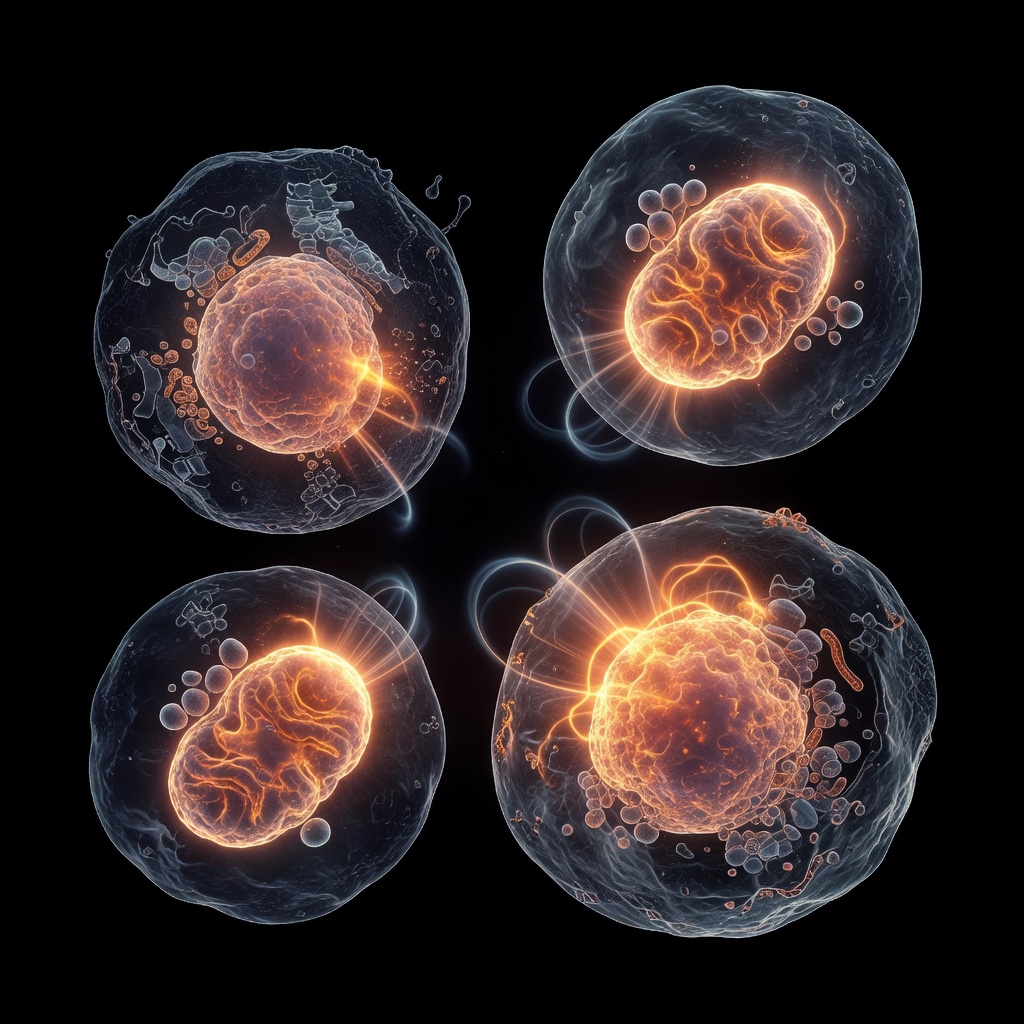
The suppression of Coenzyme Q10 (ubiquinone) synthesis is perhaps the most clinically contentious consequence of HMG-CoA reductase inhibition. As ubquinone shares the same biosynthetic precursor pathway, statin-induced depletion can impair mitochondrial oxidative phosphorylation, particularly in high-energy-demand tissues like myocytes and cardiomyocytes. Research published in The Lancet has frequently underscored the correlation between mitochondrial membrane potential destabilisation and the symptomatic myopathy reported by a significant subset of UK patients. At a molecular level, the reduction of ubiquinone—an essential lipid-soluble antioxidant—may compromise the mitochondrial electron transport chain, potentially increasing the leakage of reactive oxygen species (ROS) and inducing sarcoplasmic reticulum calcium dysregulation.
Furthermore, the impact of statins on the isoprenoid-mediated regulation of skeletal muscle regeneration cannot be ignored. Evidence suggests that the inhibition of geranylgeranylation impairs the activation and proliferation of muscle satellite cells, the progenitors required for tissue repair. When these cellular mechanisms are contextualised within the UK demographic, where polypharmacy and sub-optimal nutritional status often intersect with statin therapy, the biological burden of mevalonate suppression becomes a critical focus of metabolic integrity. Understanding these pathways is essential for any patient navigating cardiovascular health; it shifts the paradigm from treating a lipid "number" to managing the systemic biochemical architecture of the cell.
Environmental Threats and Biological Disruptors
The pharmacological landscape of HMG-CoA reductase inhibitors—the statin class—cannot be adequately assessed in isolation; it must be viewed through the lens of modern environmental toxicity and the systemic biological disruption prevalent in the contemporary UK population. INNERSTANDIN research highlights that the efficacy and safety profile of statins are significantly modulated by the patient’s existing “allostatic load”—the cumulative wear and tear on the body resulting from chronic exposure to endocrine-disrupting chemicals (EDCs), microplastics, and ultra-processed dietary xenobiotics.
A critical point of concern is the synergistic interference between statins and the body’s endogenous antioxidant defence systems. Statins inhibit the mevalonate pathway, which is not merely the precursor for cholesterol synthesis, but also for ubiquinone (Coenzyme Q10). In a UK environment already saturated with oxidative stressors—ranging from atmospheric particulate matter (PM2.5) to persistent organic pollutants (POPs)—the systematic depletion of CoQ10 by long-term statin therapy can compromise mitochondrial bioenergetics. Research published in The Lancet has consistently alluded to the “myopathic signal,” yet the underlying mechanism is frequently exacerbated by modern environmental factors. When the mitochondrial respiratory chain is impaired due to CoQ10 insufficiency, the cell becomes exponentially more vulnerable to apoptosis in the presence of secondary environmental toxicants. This creates a biological feedback loop where the therapeutic intent of lowering cardiovascular risk is undermined by the impairment of cellular resilience.
Furthermore, the pharmacokinetics of statins are subject to significant disruption by environmental interactions with the cytochrome P450 enzyme system, particularly CYP3A4. In the UK, the prevalence of polypharmacy and exposure to environmental chemicals that act as enzyme inducers or inhibitors complicates the “one-size-fits-all” dosing model. When hepatic clearance pathways are burdened by xenobiotic processing, the systemic half-life of statins can fluctuate, leading to unpredictable fluctuations in blood-serum concentration and increased risk of adverse events.
INNERSTANDIN analysis suggests that clinicians must transition from a static view of cholesterol management to a dynamic, biological approach. We must account for the “exposome”—the totality of environmental exposures—which dictates how an individual’s internal biological machinery processes exogenous statin therapy. By ignoring the interaction between statins and the broader chemical environment, we risk treating the biomarker while failing to address the underlying systemic fragility caused by environmental stressors. Understanding these biological disruptions is essential for any patient navigating the current UK cardiovascular care pathway, as it necessitates a more precise, evidence-based calibration of benefit versus potential long-term harm.
The Cascade: From Exposure to Disease
The pathophysiology of atherosclerosis is not merely a consequence of passive cholesterol deposition but a highly orchestrated inflammatory cascade, initiated by the sub-endothelial retention of apolipoprotein B-containing lipoproteins. In the UK, where cardiovascular disease remains a leading cause of morbidity, the focus has historically been on the systemic inhibition of HMG-CoA reductase. However, to INNERSTANDIN the true scope of statin intervention, one must examine the molecular mechanics occurring at the intima-media interface.
Under physiological stress, often exacerbated by hypertension or smoking—prevalent risk factors in the British demographic—the vascular endothelium becomes permeable to low-density lipoprotein (LDL) particles. Once sequestered within the tunica intima, these particles undergo oxidative modification, primarily via reactive oxygen species (ROS). This biochemical transformation transforms LDL into a potent chemoattractant, stimulating the recruitment of circulating monocytes. Upon diapedesis, these monocytes differentiate into macrophages, which internalise the modified LDL via scavenger receptors, eventually ballooning into lipid-laden foam cells. This represents the nucleation point of the atherosclerotic plaque.
Statins function as more than simple lipid-lowering agents; they exert pleiotropic effects that disrupt this cascade at multiple junctures. By competitively inhibiting the rate-limiting enzyme in the mevalonate pathway, statins reduce systemic cholesterol synthesis, which upregulates hepatic LDL-receptor expression. This enhances the clearance of circulating LDL-C. Yet, the biological narrative extends further. Research published in The Lancet underscores that statins inhibit the synthesis of isoprenoid intermediates, specifically farnesyl pyrophosphate and geranylgeranyl pyrophosphate. These molecules are essential for the post-translational prenylation of Rho and Ras proteins. By preventing the membrane localisation of these small GTPases, statins exert anti-inflammatory effects, inhibit smooth muscle cell proliferation, and improve endothelial nitric oxide synthase (eNOS) activity.
In the context of UK clinical practice, the transition from asymptomatic lipid deposition to the formation of a vulnerable, thin-capped fibroatheroma is a temporal process. The "cascade" is a continuum where the stability of the plaque is dictated by the ratio of matrix metalloproteinases to tissue inhibitors of metalloproteinases. By dampening the inflammatory signalling pathways (notably NF-κB) within the vessel wall, statins serve a dual purpose: they induce a lower systemic LDL-C set-point while simultaneously stabilising the fibrous cap of existing lesions. INNERSTANDIN the nuanced interplay between these metabolic disruptions and vascular structural integrity is critical, as it reframes the statin debate from a simplistic "cholesterol-lowering" paradigm to one of profound vascular homeostatic modulation. This systemic stabilisation is the cornerstone of the reduction in major adverse cardiovascular events observed in the CTT (Cholesterol Treatment Trialists’) Collaboration meta-analyses.
What the Mainstream Narrative Omits
The prevailing clinical discourse surrounding 3-hydroxy-3-methylglutaryl-coenzyme A (HMG-CoA) reductase inhibitors often restricts its scope to the primary endpoint of LDL-cholesterol reduction. However, INNERSTANDIN asserts that this reductionist paradigm frequently omits the systemic biochemical disruptions inherent in pharmacological cholesterol synthesis inhibition. Statins do not merely influence hepatic cholesterol production; they act as potent disruptors of the mevalonate pathway, a critical metabolic juncture responsible for the synthesis of not only cholesterol but also essential isoprenoid intermediates, such as farnesyl pyrophosphate and geranylgeranyl pyrophosphate.
The omission of these downstream effects in mainstream patient-facing literature is a significant oversight. These isoprenoids are vital for the post-translational prenylation of small GTP-binding proteins (e.g., Rho, Rac, and Cdc42), which regulate cytoskeletal organisation, cellular signalling, and apoptosis. When these proteins remain unprenylated due to pharmacological blockade, the resultant intracellular signalling dysregulation may contribute to the widely reported, yet clinically under-investigated, phenomenon of statin-associated muscle symptoms (SAMS). Mechanistic studies published in The Lancet and various molecular cardiology journals have suggested that this pathway inhibition can lead to mitochondrial dysfunction, particularly within the electron transport chain (ETC). By depleting endogenous Coenzyme Q10 (ubiquinone)—a lipid-soluble antioxidant and obligatory electron carrier in the mitochondria—statins potentially exacerbate oxidative stress within myocytes.
Furthermore, the mainstream narrative frequently glides over the nuanced relationship between statin administration and glycaemic dysregulation. Large-scale meta-analyses, including those indexed in PubMed, have consistently identified an increased incidence of new-onset type 2 diabetes mellitus (T2DM) in long-term users. The underlying biological mechanism is hypothesised to involve the inhibition of HMG-CoA reductase in pancreatic β-cells, which impairs insulin secretion and reduces glucose transporter (GLUT4) translocation in peripheral tissues.
For the UK patient, whose cardiovascular profile is increasingly shaped by metabolic syndrome and insulin resistance, these pleiotropic effects demand rigorous, critical appraisal. The clinical utility of statins is undeniable in secondary prevention; however, the lack of transparency regarding the metabolic trade-offs—specifically regarding mitochondrial respiratory integrity and insulin sensitivity—represents a substantial gap in informed consent. At INNERSTANDIN, we argue that a true evidence-based approach requires moving beyond the singular metric of serum lipids to a systemic analysis of the mevalonate pathway’s total biochemical integrity.
The UK Context
In the United Kingdom, the prescription of HMG-CoA reductase inhibitors—commonly known as statins—has been governed by the National Institute for Health and Care Excellence (NICE) guidelines, specifically CG181, which recalibrated the risk threshold for primary prevention. This shifted the focus toward a 10% risk of developing cardiovascular disease (CVD) over ten years, based on the QRISK3 algorithm. For INNERSTANDIN subscribers, it is critical to contextualise this shift: the pharmacological mechanism hinges on the competitive inhibition of the rate-limiting enzyme in the mevalonate pathway. While this effectively upregulates hepatic LDL-receptor expression, facilitating the clearance of circulating apolipoprotein B-containing lipoproteins, the systemic implications extend far beyond cholesterol sequestering.
From an evidence-based perspective, the clinical efficacy of statins in secondary prevention—patients with established atherosclerotic cardiovascular disease—remains robust, underpinned by large-scale meta-analyses in The Lancet demonstrating a consistent reduction in major vascular events. However, the UK context reveals a contentious divide regarding primary prevention in asymptomatic cohorts. The biological reality is that statins also exert pleiotropic effects, including the modulation of inflammatory biomarkers such as C-reactive protein (CRP) and the stabilisation of vulnerable plaques via endothelial nitric oxide synthase (eNOS) upregulation. Yet, these benefits must be balanced against the documented inhibition of ubiquinone (CoQ10) synthesis and the potential for altered mitochondrial function, which may contribute to the incidence of statin-associated muscle symptoms (SAMS).
In the British healthcare landscape, the pursuit of lowering circulating low-density lipoprotein cholesterol (LDL-C) has occasionally overshadowed the nuanced metabolic trade-offs inherent in long-term pharmacological suppression of the mevalonate pathway. Data from the UK Biobank and other longitudinal studies suggest that while statins offer significant protection against myocardial infarction, the absolute risk reduction for all-cause mortality in primary prevention populations remains significantly lower than the relative risk reduction often highlighted in clinical promotion. INNERSTANDIN maintains that a sophisticated understanding of these biological trade-offs is essential for patients navigating the modern UK cardiovascular health paradigm.
Protective Measures and Recovery Protocols
The mitigation of statin-associated muscle symptoms (SAMS) and the preservation of metabolic integrity during HMG-CoA reductase inhibitor therapy necessitates a proactive, mechanistically-driven approach. Given that statins disrupt the mevalonate pathway—concomitantly inhibiting the endogenous synthesis of both cholesterol and ubiquinone (Coenzyme Q10)—the clinical objective for the INNERSTANDIN cohort is to counterbalance mitochondrial respiratory chain dysfunction. Clinical data from The Lancet and various meta-analyses suggest that a significant subset of the UK patient population experiences myalgia due to depleted CoQ10 levels, which compromises the electron transport chain within the mitochondria, specifically at the Complex I and III junctions. Supplementation protocols utilizing ubiquinol, the reduced and more bioavailable form of CoQ10, are essential to restore mitochondrial membrane potential and attenuate oxidative stress in myocyte tissue.
Furthermore, the impact of statin-induced depletion of selenoproteins must be addressed. Selenoprotein deficiency disrupts the cellular antioxidant defence system, primarily the glutathione peroxidase enzymes, thereby exacerbating oxidative damage. Targeted supplementation with high-quality selenium is a critical protective measure to prevent the downregulation of these enzymatic pathways.
Beyond micronutrient support, metabolic recovery relies heavily on the modulation of the insulin-sensitizing pathway. Statins have been observed to increase the risk of new-onset Type 2 diabetes mellitus by interfering with GLUT4 translocation and insulin receptor signaling in skeletal muscle. To counteract this, patient recovery protocols must prioritize metabolic flexibility. The integration of Berberine or Alpha-Lipoic Acid (ALA) is strongly supported by pharmacokinetic evidence; these compounds act as AMP-activated protein kinase (AMPK) activators, which improve peripheral glucose uptake and lipid oxidation, thereby buffering the metabolic side effects typically precipitated by long-term statin exposure.
Finally, the maintenance of structural integrity within the neuromuscular junction requires a rigorous assessment of Vitamin D3 status. Clinical research indicates that Vitamin D deficiency significantly exacerbates myopathic symptoms; a sub-optimal 25-hydroxyvitamin D level—highly prevalent within the UK climate—renders myocytes hyper-susceptible to the deleterious effects of statin-induced ion channel dysregulation. Maintaining serum 25(OH)D levels in the upper physiological range (approx. 100-125 nmol/L) is a non-negotiable prerequisite for patients undergoing lipid-lowering therapy. By systematically addressing the mevalonate blockade, mitochondrial depletion, and glucose-handling inefficiency, patients can minimize the systemic "collateral damage" often associated with chronic statin use, ensuring that cardiovascular benefits are not outweighed by long-term physiological morbidity.
Summary: Key Takeaways
Statins function primarily via the competitive inhibition of HMG-CoA reductase, the rate-limiting enzyme in the mevalonate pathway. While this effectively lowers serum low-density lipoprotein cholesterol (LDL-C) by upregulating hepatic LDL receptor expression, the systemic biological footprint is nuanced. For high-risk cohorts—specifically those with established atherosclerotic cardiovascular disease (ASCVD)—the clinical efficacy of statin-mediated plaque stabilisation and cardiovascular event reduction is robust, supported by extensive meta-analyses from the Cholesterol Treatment Trialists’ (CTT) Collaboration published in The Lancet. However, the pleiotropic effects of HMG-CoA reductase inhibition extend beyond cholesterol metabolism. The disruption of isoprenoid intermediates, such as geranylgeranyl pyrophosphate, may influence myogenic and metabolic homeostasis, potentially contributing to statin-associated muscle symptoms (SAMS) and subtle perturbations in glucose tolerance. INNERSTANDIN maintains that clinical application requires a rigorous, patient-specific risk-stratification model. The decision to initiate therapy must reconcile the absolute risk reduction against the documented potential for adverse physiological shifts, ensuring that therapeutic oversight prioritises long-term systemic integrity alongside lipid management.
This article is provided for informational and educational purposes only. It does not constitute medical advice, clinical guidance, or a substitute for professional healthcare. Information reflects cited research at time of publication. Always consult a qualified healthcare professional before acting on any health information.
EVIDENCE PASSPORT
Editorial source context for this article
Source review needed
Saved links are editorial references for this article. They may support specific claims rather than every sentence. Open and assess each source in context. This passport does not independently verify them.
Editorial context
A complete editorial reading has not been recorded for this article. Source links remain available for you to open and assess directly.
Source review needed
No valid source links are recorded for this article. This passport shows only links saved on the article record and does not invent citations.
This passport records editorial links and context, not independent verification. Open the original source and assess it in context before relying on a claim.
Medical Disclaimer
The information in this article is for educational purposes only and does not constitute medical advice, diagnosis, or treatment. Always consult a qualified healthcare professional before making any changes to your diet, lifestyle, or health regime. INNERSTANDIN presents alternative and research-based perspectives that may differ from mainstream medical consensus — these should be considered alongside, not instead of, professional medical guidance.
Read Full DisclaimerContinue the thread
Keep this question moving.
Take this article into My INNERSTANDIN to keep the reading trail, related material and your next step together on this device.
Explore this in the Body Map
See where this hits your biology. Interactive anatomy, threats, and protective protocols.