
Stress, Cortisol, and the Gut: The HPA Axis Connection to Gastric Mucosal Erosion
A comprehensive examination of how chronic HPA axis dysregulation leads to elevated cortisol levels, which directly inhibit protective prostaglandins and degrade the gastric mucosal lining, eventually contributing to intestinal permeability.

# Dysregulation of the HPA Axis and Cortisol-Mediated Breakdown of the Gastric Mucosal Lining\n\nIn the landscape of functional medicine, the 'Gut-Brain Axis' is often discussed as a bidirectional communication highway. However, to truly understand the root causes of gastrointestinal distress and intestinal permeability, we must look closely at the primary driver of the body’s systemic stress response: the Hypothalamic-Pituitary-Adrenal (HPA) axis. When this system becomes chronically dysregulated, it initiates a biochemical cascade that doesn’t just affect our mood—it physically erodes the protective barriers of the digestive tract.\n\n## Understanding the HPA Axis\n\nThe HPA axis is a complex set of direct influences and feedback interactions among three endocrine glands: the hypothalamus, the pituitary gland, and the adrenal glands. This triad is responsible for the neuroendocrine adaptation component of the stress response. When the brain perceives a threat—whether it is a physical predator, a deadline at work, or internal inflammation—the hypothalamus releases Corticotropin-Releasing Hormone (CRH).
This triggers the pituitary gland to release Adrenocorticotropic Hormone (ACTH), which in turn signals the adrenal cortex to produce glucocorticoids, primarily cortisol.\n\nIn a healthy scenario, this response is self-limiting. High levels of cortisol provide a negative feedback signal to the hypothalamus and pituitary, effectively 'turning off' the stress response once the threat has passed. However, in our modern environment, the HPA axis is often under constant bombardment. This chronic activation leads to HPA axis dysregulation, commonly but somewhat inaccurately referred to as 'adrenal fatigue.' The result is a persistent state of hypercortisolemia or a flattened cortisol rhythm, both of which have devastating effects on the gastric mucosal lining.\n\n## The Gastric Mucosal Barrier: Our First Line of Defence\n\nThe stomach and upper intestines are lined with a complex mucosal barrier. This barrier serves a dual purpose: it must allow for the absorption of nutrients while simultaneously protecting the delicate underlying tissues from the highly acidic environment of the stomach and the various pathogens found in food.
This barrier consists of a thick layer of mucus, a bicarbonate-rich layer to neutralise acid, and a single layer of epithelial cells held together by 'tight junctions.'\n\n## Cortisol: The Catalyst for Erosion\n\nCortisol is inherently catabolic, meaning it breaks down tissues to mobilise energy. While this is useful in a 'fight or flight' situation, its effect on the gut lining during chronic stress is purely destructive. The primary mechanism through which cortisol degrades the gastric mucosa is the inhibition of prostaglandin synthesis.\n\nProstaglandins (specifically PGE2 and PGI2) are lipid-based compounds that act as local messengers in the gut. They are essential for: \n1. Mucus Production: They signal goblet cells to secrete the thick mucus layer that coats the stomach.\n2. Bicarbonate Secretion: They ensure the gastric environment doesn't become too acidic for the epithelial cells to survive.\n3. Blood Flow (Hyperaemia): They maintain robust microcirculation to the gut lining, ensuring that any damaged cells are quickly replaced via oxygen and nutrient delivery.\n\nHigh levels of cortisol inhibit the enzyme Cyclooxygenase (COX), which is responsible for the production of these protective prostaglandins. Without sufficient prostaglandins, the mucus layer thins, bicarbonate production drops, and blood flow to the gastric wall is restricted.
This leaves the epithelial lining exposed to its own digestive juices, leading to micro-ulcerations and erosive gastritis.\n\n## From Gastric Breakdown to Intestinal Permeability (Leaky Gut)\n\nThe damage does not stop at the stomach. As the HPA axis remains overactive, the breakdown of the mucosal lining extends into the small intestine. Cortisol directly impacts the integrity of 'tight junctions'—the protein complexes (including zonulin and occludin) that act as the 'glue' between intestinal cells.\n\nUnder the influence of chronic cortisol elevation, these tight junctions begin to loosen. This is the physiological definition of intestinal permeability, or 'Leaky Gut.' When these gaps open, undigested food particles, lipopolysaccharides (LPS) from bacterial cell walls, and environmental toxins can enter the bloodstream. This triggers a systemic immune response, causing further inflammation, which the body perceives as a stressor, thereby creating a vicious cycle of further HPA axis activation.\n\n## The Role of Secretory IgA\n\nFurthermore, HPA axis dysregulation suppresses the production of Secretory Immunoglobulin A (SIgA).
SIgA is the primary antibody found in the mucosal linings and represents the 'first line' of immune defence. It neutralises pathogens before they can even reach the epithelial layer. When cortisol levels are chronically high, SIgA levels typically plummet, leaving the gut lining vulnerable to dysbiosis and opportunistic infections like H. pylori, which further contribute to mucosal erosion.\n\n## Root-Cause Restoration Strategies\n\nTo heal the gut, we must address the brain. Traditional gut-healing protocols often fail because they focus solely on supplements like L-glutamine or zinc carnosine without addressing the HPA axis. A root-cause approach requires a multi-faceted strategy:\n\n1. Nervous System Regulation: Techniques such as Vagus Nerve stimulation, breathwork, and cold water immersion can help shift the body from a sympathetic (fight or flight) state into a parasympathetic (rest and digest) state, allowing the HPA axis to reset.\n2. Adaptogenic Support: Botanical agents like Ashwagandha, Rhodiola, and Holy Basil can help modulate the HPA axis response, preventing the excessive release of cortisol that drives mucosal breakdown.\n3. Mucosal Support: While addressing stress, we can use 'demulcent' herbs like Deglycyrrhizinated Licorice (DGL), Slippery Elm, and Marshmallow Root to provide a temporary 'artificial' barrier for the stomach while the body resumes its own prostaglandin and mucus production.\n4. Circadian Rhythm Alignment: Since cortisol follows a strict diurnal rhythm, ensuring quality sleep and morning sunlight exposure is critical for recalibrating the HPA axis.\n\n## Conclusion\n\nThe breakdown of the gastric mucosal lining is rarely an isolated event.
It is often the physical manifestation of a nervous system that has spent too long in a state of high alert. By understanding the cortisol-mediated pathway of erosion, we can move beyond 'band-aid' solutions for digestive issues and address the systemic dysregulation at the heart of the problem. True healing of the gut requires a truce between the mind and the body, allowing the HPA axis to return to its natural state of balance and the gastric lining to rebuild its vital defences.
This article is provided for informational and educational purposes only. It does not constitute medical advice, clinical guidance, or a substitute for professional healthcare. Information reflects cited research at time of publication. Always consult a qualified healthcare professional before acting on any health information.
RESEARCH FOUNDATIONS
Biological Credibility Archive
Citations provided for educational reference. Verify via PubMed or institutional databases.
Medical Disclaimer
The information in this article is for educational purposes only and does not constitute medical advice, diagnosis, or treatment. Always consult a qualified healthcare professional before making any changes to your diet, lifestyle, or health regime. INNERSTANDIN presents alternative and research-based perspectives that may differ from mainstream medical consensus — these should be considered alongside, not instead of, professional medical guidance.
Read Full DisclaimerReady to learn more?
Continue your journey through our classified biological research.
THE ARSENAL
Based on Leaky Gut & Intestinal Permeability — products curated by our research team for educational relevance and biological support.
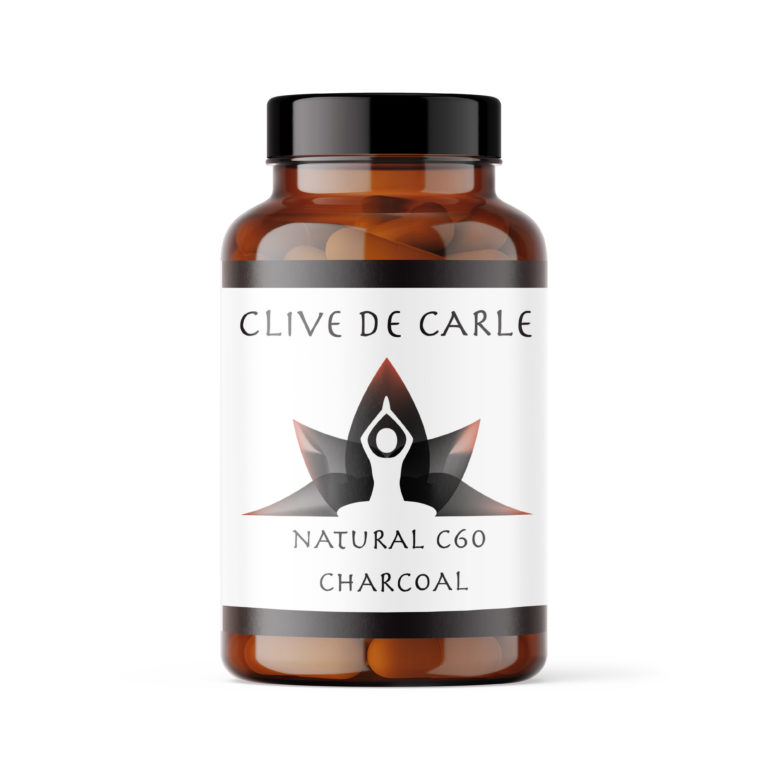
C60 Charcoal – Supports Healthy Digestion and Detoxification.
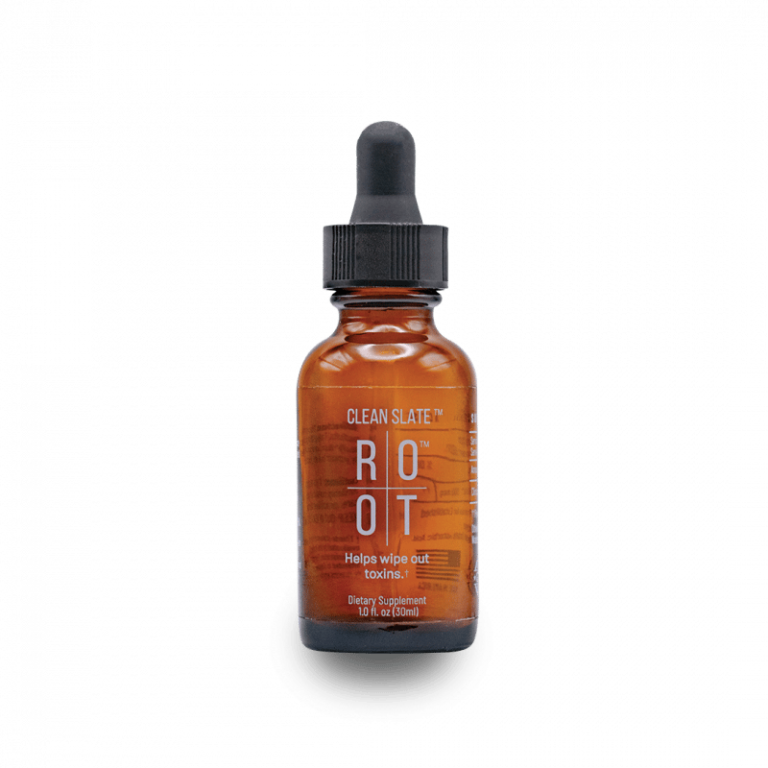
Clean Slate – Detoxes thousands of chemicals,heavy metals, pesticides, allergens, mold spores and fungus
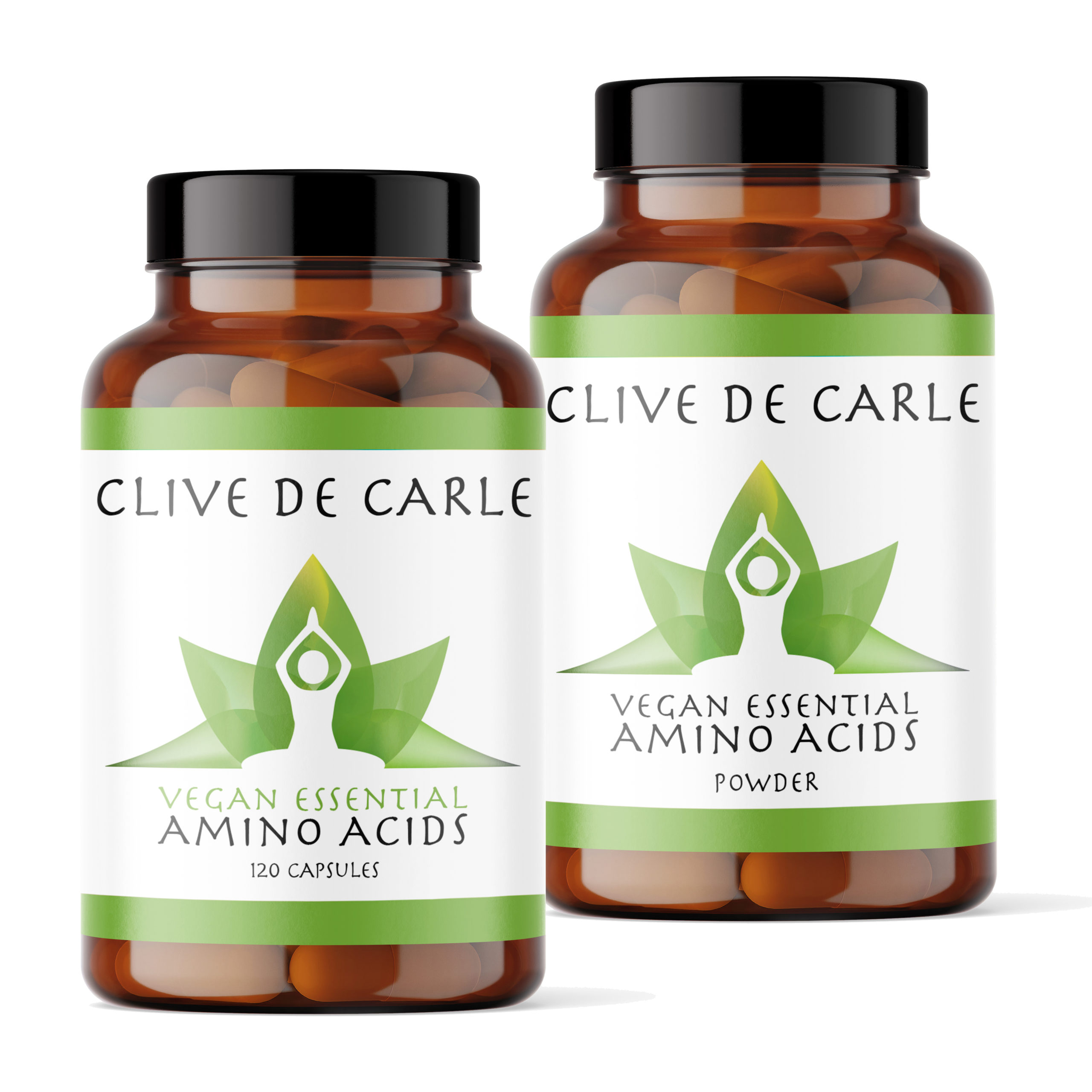
Vegan Essential Amino Acids – Plant-Powered Protein Building
INNERSTANDING may earn a commission on purchases made through these links. All products are selected based on rigorous educational relevance to our biological research.
RABBIT HOLE
Follow the biological thread deeper