
Chronic Stress and the HPA Axis: How the Stress Response Erodes Gut Mucosal Defense
This comprehensive guide explores the physiological link between chronic stress and intestinal permeability. By examining the Hypothalamic-Pituitary-Adrenal (HPA) axis, we reveal how sustained cortisol elevation depletes secretory IgA and compromises the gut barrier, leading to 'leaky gut'.
# Chronic Stress and the HPA Axis: How the Stress Response Erodes Gut Mucosal Defense\n\nIn the modern health landscape, the phrase \"all disease begins in the gut\" is often cited, but perhaps a more nuanced perspective for the 21st century is that many gut issues begin in the mind—or more accurately, in the body's physiological response to perceived threat. At INNERSTANDING, we focus on root-cause resolution, and few mechanisms are as foundational to systemic health as the relationship between the Hypothalamic-Pituitary-Adrenal (HPA) axis and the intestinal mucosal barrier.\n\nWhen we experience stress, whether it is an acute physical threat or the chronic psychological pressure of modern work life, our body initiates a complex hormonal cascade. While this response is evolutionary vital for survival, its chronic activation creates a destructive environment for our digestive system, specifically targeting the delicate mucosal defenses that protect our internal environment from the outside world.\n\n## The HPA Axis: The Body's Command Centre\n\nThe HPA axis is our central stress response system. It represents the communication line between the brain (the hypothalamus and pituitary gland) and the endocrine system (the adrenal glands). \n\n1. The Hypothalamus releases Corticotropin-Releasing Hormone (CRH) in response to a stressor.\n2. The Pituitary Gland senses CRH and responds by secreting Adrenocorticotropic Hormone (ACTH) into the bloodstream.\n3. The Adrenal Glands receive the ACTH signal and produce cortisol, our primary stress hormone.\n\nIn a healthy state, this system operates on a negative feedback loop: once the threat passes, cortisol levels rise high enough to signal the hypothalamus to stop producing CRH, bringing the body back to a state of 'rest and digest.' However, in chronic stress, this loop becomes desensitised. The result is a persistent state of hyper-cortisolemia or, eventually, HPA axis dysfunction (often colloquially called adrenal fatigue), both of which have devastating effects on gut integrity.\n\n## The First Line of Defence: The Gut Mucosa\n\nTo understand how stress causes 'leaky gut' (increased intestinal permeability), we must first look at the barrier it is attacking.
The gut barrier is not just a physical wall; it is a sophisticated, multi-layered defense system comprising:\n\n* The Microbiota: Friendly bacteria that compete with pathogens.\n* The Mucus Layer: A thick gel-like coating that prevents bacteria from touching the epithelial cells.\n* Secretory IgA (sIgA): An antibody that acts as the 'border patrol' of the immune system.\n* Epithelial Cells and Tight Junctions: The physical 'bricks and mortar' that regulate what enters the bloodstream.\n\n## How Chronic Stress Dismantles the Barrier\n\n### 1. The Depletion of Secretory IgA (sIgA)\nOne of the most immediate impacts of HPA axis activation is the downregulation of secretory IgA. sIgA is the primary immunoglobulin found in mucous secretions. Its role is to neutralise toxins and pathogenic bacteria before they can reach the gut wall. Under acute stress, sIgA may briefly spike, but chronic elevation of cortisol inhibits its production. When sIgA levels drop, the gut becomes vulnerable to overgrowth of opportunistic bacteria and yeast, which directly damage the intestinal lining.\n\n### 2.
Mast Cell Activation and Histamine\nStress triggers the release of CRH not just in the brain, but also locally in the gut. CRH acts directly on mast cells—immune cells located in the intestinal mucosa. When activated by stress hormones, mast cells release a cocktail of inflammatory mediators, including histamine and proteases. These substances increase the permeability of the tight junctions (the 'glue' between gut cells), creating gaps that allow undigested food particles and endotoxins (LPS) to leak into the systemic circulation.\n\n### 3. Altered Blood Flow and Ischemia\nWhen the sympathetic nervous system (fight or flight) dominates, blood is shunted away from the digestive tract toward the skeletal muscles and heart.
This temporary reduction in blood flow (ischemia) followed by the return of blood flow (reperfusion) can generate oxidative stress. This cycle damages the delicate villi of the small intestine, further weakening the structural integrity of the gut barrier.\n\n### 4. Dysbiosis: The Microbial Shift\nStress hormones like adrenaline and noradrenaline can act as growth factors for certain pathogenic bacteria. Furthermore, stress-induced changes in gut motility and pH levels alter the environment of the microbiome. This shift away from a diverse, commensal population toward a state of dysbiosis ensures that the gut remains in a pro-inflammatory state, preventing the repair of the mucosal lining.\n\n## The Root Cause Connection: A Vicious Cycle\n\nThe relationship between the HPA axis and the gut is bidirectional.
While stress causes a leaky gut, a leaky gut also causes stress. When the intestinal barrier is breached, Lipopolysaccharides (LPS)—toxins from the cell walls of bacteria—enter the bloodstream. The immune system identifies these as a major threat, triggering a systemic inflammatory response. This inflammation travels back to the brain, activating the hypothalamus and further stimulating the HPA axis. This creates a self-perpetuating cycle of stress, gut permeability, and inflammation.\n\n## Strategies for Restoration\n\nAt INNERSTANDING, we believe that healing the gut requires more than just probiotics; it requires regulating the stress response. \n\n* Vagus Nerve Stimulation: The vagus nerve is the physical link between the gut and the brain.
Techniques such as deep diaphragmatic breathing, chanting, or cold exposure can shift the body from a sympathetic (stress) state to a parasympathetic (healing) state.\n* Adaptogenic Herbs: Herbs like Ashwagandha and Holy Basil can help modulate the HPA axis, preventing the excessive release of cortisol that damages sIgA levels.\n* Mucosal Support: Nutrients like L-glutamine, Zinc Carnosine, and Marshmallow Root can provide the raw materials needed to rebuild the physical barrier while the stress response is being managed.\n* Mindfulness and Circadian Rhythm: Aligning the body with natural light cycles and practicing mindfulness helps reset the HPA axis feedback loop, allowing for restorative sleep—the time when the gut does most of its repair work.\n\n## Conclusion\n\nChronic stress is not merely a feeling; it is a biochemical event with profound consequences for our internal architecture. By understanding the intricate dance between the HPA axis and the gut mucosal defense, we can move beyond treating symptoms and begin the true work of root-cause healing. Protecting the gut barrier requires us to guard our peace as diligently as we guard our diet.
This article is provided for informational and educational purposes only. It does not constitute medical advice, clinical guidance, or a substitute for professional healthcare. Information reflects cited research at time of publication. Always consult a qualified healthcare professional before acting on any health information.
RESEARCH FOUNDATIONS
Biological Credibility Archive
Citations provided for educational reference. Verify via PubMed or institutional databases.
Medical Disclaimer
The information in this article is for educational purposes only and does not constitute medical advice, diagnosis, or treatment. Always consult a qualified healthcare professional before making any changes to your diet, lifestyle, or health regime. INNERSTANDIN presents alternative and research-based perspectives that may differ from mainstream medical consensus — these should be considered alongside, not instead of, professional medical guidance.
Read Full DisclaimerReady to learn more?
Continue your journey through our classified biological research.
THE ARSENAL
Based on Leaky Gut & Intestinal Permeability — products curated by our research team for educational relevance and biological support.
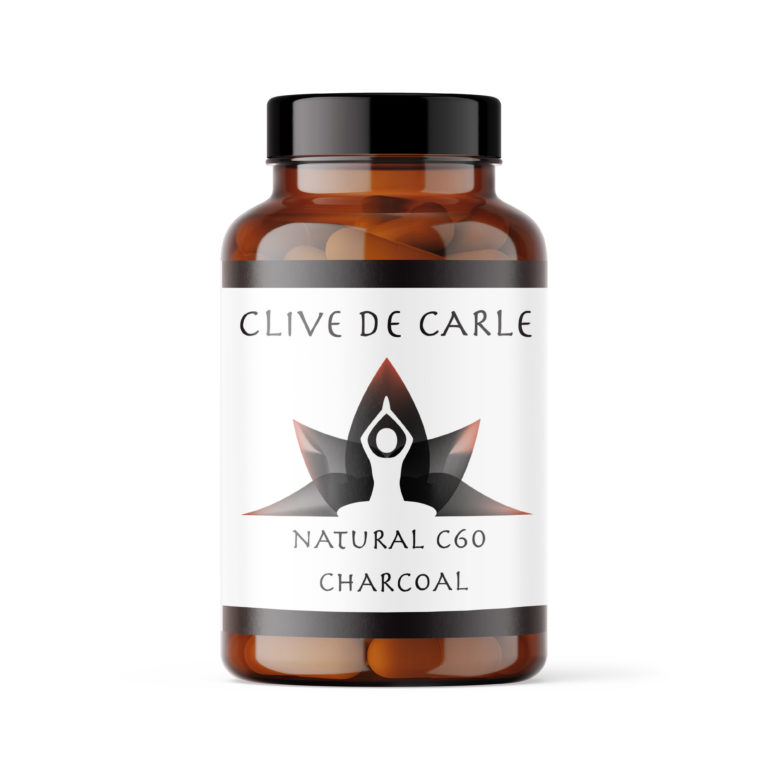
C60 Charcoal – Supports Healthy Digestion and Detoxification.
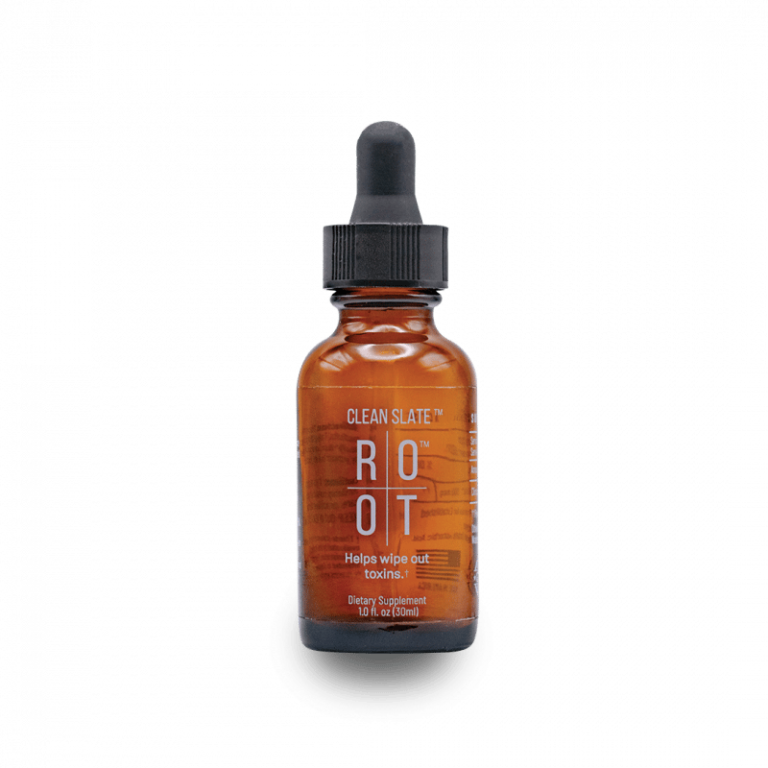
Clean Slate – Detoxes thousands of chemicals,heavy metals, pesticides, allergens, mold spores and fungus
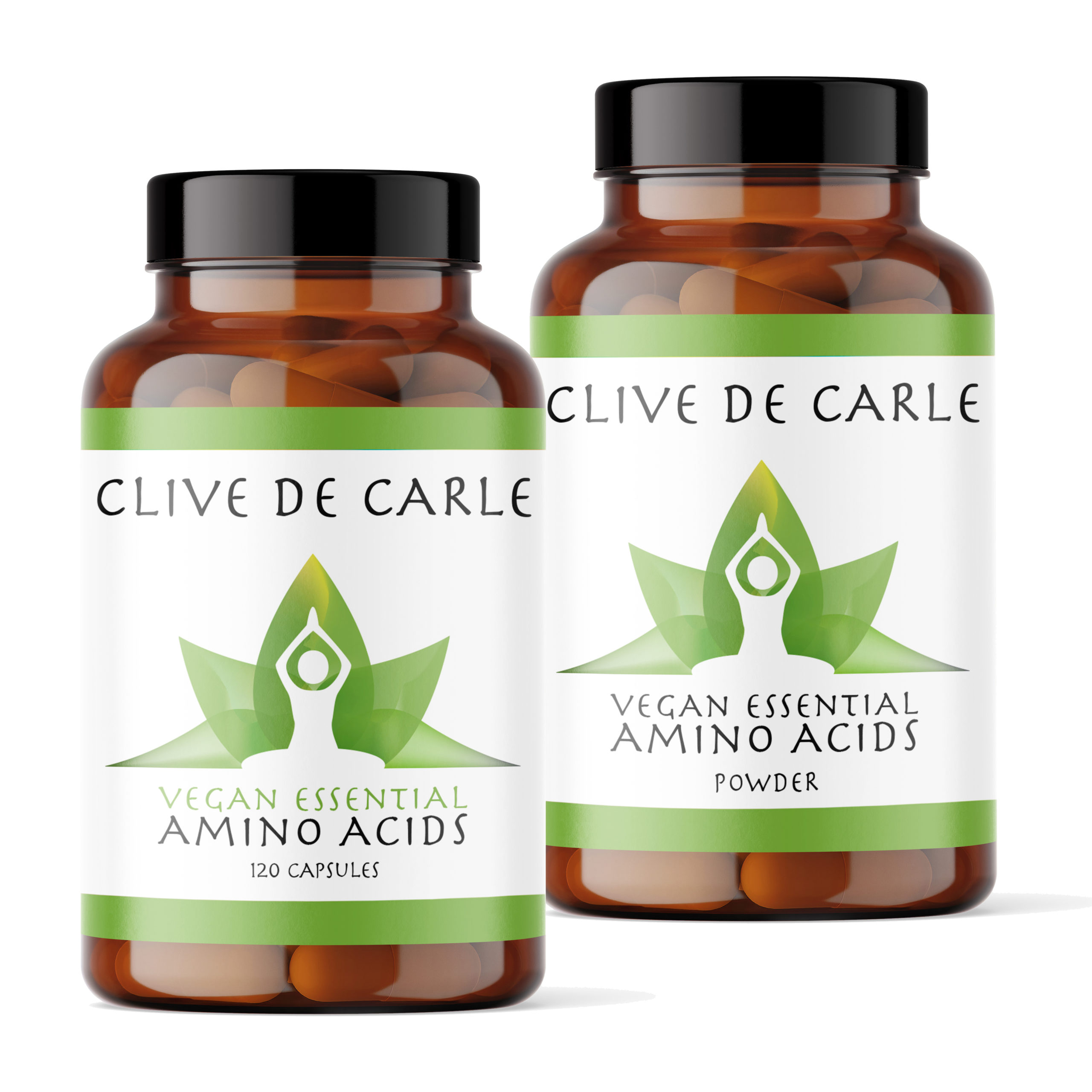
Vegan Essential Amino Acids – Plant-Powered Protein Building
INNERSTANDING may earn a commission on purchases made through these links. All products are selected based on rigorous educational relevance to our biological research.
RABBIT HOLE
Follow the biological thread deeper