
Synthetic Genomics: The Era of De Novo Pathogens
Updated May 2026
A deep dive into how automated DNA synthesis allows for the recreation of extinct or enhanced viruses. The article assesses UK biosecurity frameworks against accidental laboratory leaks.
Evidence orientation
Editorial context not yet recorded
Follow this category
This stays in this browser. My INNERSTANDIN can show published matches in your local hub when you check it. It does not send email, push, or alert notifications.
Local learning review
A private browser aid for revisiting ideas. It is not an alert or a health recommendation.
Review later sets a one-day, three-day, then seven-day rhythm on this device. Choose it only when you want to revisit this article.
Overview
The dawn of the 21st century has brought about a paradigm shift in the biological sciences that rivals the split of the atom in its potential for both elevation and annihilation. We have transitioned from the era of Genomics—the reading and mapping of the genetic code—into the era of Synthetic Genomics, the proactive writing and printing of life itself. At the heart of this revolution lies the ability to create de novo pathogens: biological agents designed on a computer and assembled from off-the-shelf chemical components, bypassing the traditional need for a natural "seed" sample.
This is no longer the realm of science fiction. In 2002, researchers at Stony Brook University successfully synthesised the poliovirus from scratch using genetic sequences available online and mail-order DNA. In 2017, a team in Canada reconstructed the extinct horsepox virus—a close relative of smallpox—for a mere $100,000. These milestones signal a terrifying reality: the barriers to creating some of the most lethal agents known to man have been lowered to the point of "deskilling" the process.
The implications for global biosecurity are profound. We are now facing a landscape where the next pandemic may not emerge from a "wet market" or a natural zoonotic jump, but from a benchtop DNA synthesiser. This article explores the intricate molecular mechanisms of synthetic virology, the systemic failures in international and UK biosecurity frameworks, and the hidden risks inherent in the "democratisation" of biotechnology. As we venture into the "Era of De Novo Pathogens," the distinction between natural evolution and human engineering is dissolving, leaving us vulnerable to threats that the mainstream narrative is ill-equipped to acknowledge.
The Biology — How It Works
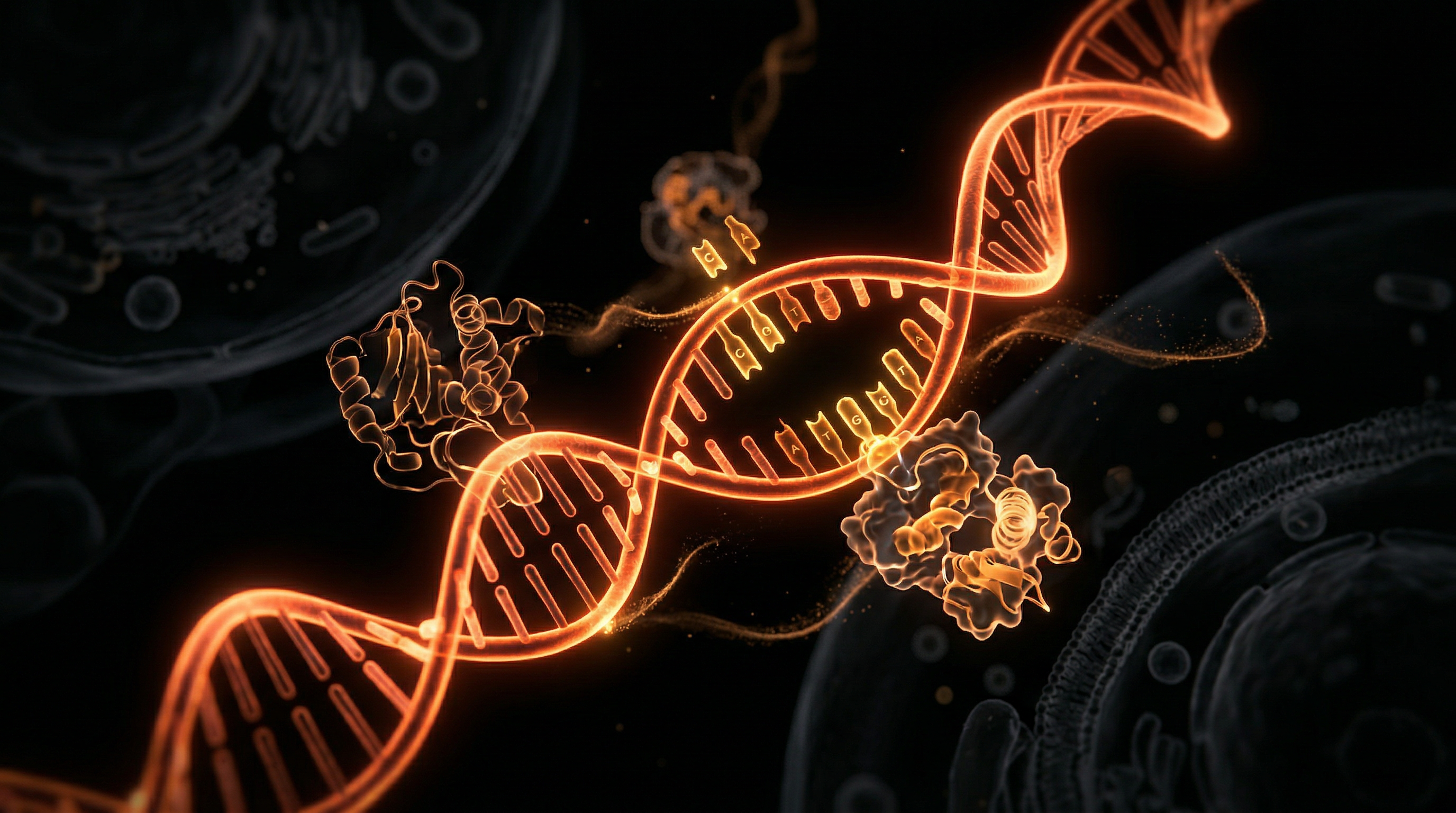
To understand the threat of de novo pathogens, one must first grasp the process of DNA Synthesis and Genome Assembly. Unlike traditional genetic engineering, which involves cutting and pasting existing genes (Recombinant DNA technology), synthetic genomics starts with a digital sequence.
Phosphoramidite Synthesis: The Printing Press of Life
The foundation of synthetic biology is the chemical synthesis of oligonucleotides—short strands of DNA, typically 20 to 200 base pairs long. This process generally uses the phosphoramidite method, where individual nucleotides (A, T, C, G) are added sequentially to a growing chain on a solid support.
Fact: Modern automated synthesisers can produce thousands of these "oligos" simultaneously. However, because the error rate increases with length, creating a full viral genome (which may be 30,000 to 200,000 base pairs) requires secondary assembly.
Assembly Techniques: From Fragments to Genomes
Once the short fragments are synthesised, they must be "stitched" together. Several techniques have revolutionised this stage:
- Gibson Assembly: This method uses a cocktail of enzymes (exonuclease, DNA polymerase, and DNA ligase) to join DNA fragments with overlapping ends in a single isothermal reaction. It allows for the rapid assembly of large, complex genomes.
- Yeast-Based Transformation-Associated Recombination (TAR) Cloning: This leverages the natural ability of yeast cells (Saccharomyces cerevisiae) to repair and recombine DNA. Researchers can "drop" multiple DNA fragments into a yeast cell, which then assembles them into a functional viral genome. This method was famously used to reconstruct the SARS-CoV-2 genome in a matter of weeks early in the 2020 pandemic.
Booting the Virus
A synthetic genome is merely a chemical string until it is "booted." For many viruses, particularly RNA viruses, the DNA version of the genome must be transcribed into RNA and then transfected into a susceptible host cell (such as Vero cells). Once inside, the cell's own machinery—the ribosomes and polymerases—read the synthetic instructions as if they were natural. The cell then begins producing viral proteins and replicating the synthetic genome, eventually shedding functional, infectious viral particles.
Mechanisms at the Cellular Level
Once a de novo pathogen is introduced into a host, its interaction with cellular architecture determines its virulence. Synthetic genomics allows for the "fine-tuning" of these interactions in ways that nature rarely produces.
Receptor Binding and Entry
The first hurdle for any pathogen is entering the host cell. In synthetic design, the Spike protein (in coronaviruses) or Hemagglutinin (in influenza) can be computationally optimised to increase binding affinity for human receptors, such as ACE2 or Sialic acid. Through in silico modelling, researchers can predict which mutations will allow a virus to jump species or become more transmissible among humans.
Evading the Innate Immune Response
The human body possesses a sophisticated early-warning system: the Interferon (IFN) response. Natural viruses often have mechanisms to suppress this response. However, synthetic pathogens can be engineered with multiple "immunosuppressive modules." By incorporating specific sequences that inhibit STAT1 phosphorylation or block the RIG-I sensing pathway, a synthetic virus can replicate undetected for days, leading to a massive, unmanageable viral load before the host even exhibits symptoms.
Codon Optimisation and De-optimisation
The genetic code is redundant; multiple "codons" (triplets of DNA) can code for the same amino acid. Synthetic biologists can use this to their advantage:
- Codon Optimisation: Replacing "rare" codons with "frequent" ones to speed up protein production, making the virus replicate faster and more aggressively.
- Codon De-optimisation: Creating a "slowed down" version of a virus for use in live-attenuated vaccines—though this same technology can be used to create "stealth" pathogens that persist in a population without causing immediate, detectable outbreaks.
The Ribosomal Hijack
Synthetic pathogens are designed to dominate the host’s ribosomal landscape. By using "Internal Ribosome Entry Sites" (IRES), the virus can bypass the host's normal translation initiation factors. This ensures that the cell’s energy is directed almost entirely toward viral assembly, leading to rapid cellular exhaustion and lysis (cell death).
Environmental Threats and Biological Disruptors
The threat of de novo pathogens extends beyond the human body. The stability and persistence of these agents in the environment are critical factors in their potential as biological disruptors.
Aerosol Stability and Enhanced Persistence
Natural viruses are often fragile, sensitive to UV light and desiccation. However, synthetic biology allows for the engineering of the viral capsid or envelope to enhance environmental resilience. By altering the lipid composition or protein folding of the exterior, a pathogen can be made to survive longer on surfaces or remain suspended in the air for extended periods, significantly increasing its "R0" (basic reproduction number).
Dual-Use Research of Concern (DURC)
Much of the research into making viruses more stable or transmissible is conducted under the guise of "vaccine development" or "pandemic preparedness." This is known as Gain-of-Function (GoF) research.
- Enhanced Potency: Research that increases the lethality or host range of a pathogen.
- Broadened Host Range: Modifying an avian flu (like H5N1) to spread via respiratory droplets between mammals.
Fact: The 1918 Spanish Flu, which killed an estimated 50 million people, was "resurrected" in a laboratory in 2005 using reverse genetics. While conducted for research, it demonstrated that the blueprint for a global catastrophe is now publicly available.
Genetic "Dead-Drops" and Environmental Seeding
A more insidious threat involves the use of Gene Drives or "delayed-action" synthetic agents. These are designed to integrate into the environment or non-human species (like insects or livestock) and remain dormant until triggered by a specific environmental stimulus or a "releaser" molecule. This would create a biological "time bomb" that is nearly impossible to trace to its source.
The Cascade: From Exposure to Disease
The progression of a de novo synthetic infection follows a clinical cascade that is often more rapid and systemic than natural analogues.
1. The Stealth Phase (Infiltration)
Upon exposure—whether via inhalation, ingestion, or mucosal contact—the synthetic agent begins its entry. Because it may have been engineered with "cloaking" mechanisms (such as human-like glycosylation patterns on its surface), the initial inflammatory response is minimal.
2. Rapid Dissemination
Unlike natural viruses that may stay localised (e.g., in the upper respiratory tract), synthetic pathogens can be designed for multi-organ tropism. By incorporating "furin cleavage sites" that are recognised by enzymes present in almost every human tissue, the virus can spread systemically within hours.
3. The Cytokine Storm
As the viral load reaches a critical threshold, the immune system finally detects the intrusion. However, because the virus has "outrun" the normal regulatory checks, the response is often catastrophic. A Cytokine Release Syndrome (CRS) occurs, where the body’s own immune cells (macrophages and T-cells) release a flood of pro-inflammatory signals. This leads to:
- Vascular Leakage: Fluid entering the lungs and tissues.
- Disseminated Intravascular Coagulation (DIC): Widespread blood clotting.
- Multi-Organ Failure: Specifically targeting the kidneys, liver, and heart.
4. Secondary Complications and Chronic Sequelae
For survivors of a synthetic outbreak, the long-term effects may be worse. Synthetic sequences can be designed to leave "latent" footprints in the host genome (similar to HIV), leading to chronic fatigue, autoimmune disorders, or an increased risk of malignancy (cancer) years after the initial infection.
What the Mainstream Narrative Omits
The public discussion surrounding biosecurity is often sanitised, focusing on "rogue states" or "terrorist groups." However, the senior scientific community is aware of much deeper, systemic vulnerabilities that are rarely discussed in the media.
The "Screwdriver" Problem: Democratisation of Risk
The mainstream narrative suggests that you need a multi-million-pound lab to create a virus. This is false. The hardware required—PCR machines, centrifuges, and even second-hand DNA synthesisers—can be purchased on eBay for a few thousand pounds. The "knowledge gap" has been bridged by AI-driven protocols that guide a user through the assembly process step-by-step.
The Failure of Sequence Screening
Currently, most commercial DNA synthesis companies belong to the International Gene Synthesis Consortium (IGSC). They screen orders against a database of known "select agents" (like Anthrax or Ebola). However:
- Fragmented Orders: A malicious actor can order small, seemingly benign fragments from five different companies. None of the fragments individually trigger a "red flag," but they can be assembled into a functional pathogen in a home lab.
- Functional Novelty: Screening relies on known sequences. It cannot detect a de novo pathogen that has been designed from scratch to be lethal but does not share more than 80% homology with any known virus.
The "Bio-Cyber" Interface
The synthesisers themselves are controlled by software. Research has shown that it is possible to "hack" these machines via malware. A compromised synthesiser could subtly alter a legitimate order (e.g., a researcher ordering a vaccine component) to instead produce a sequence for a toxin or a viral fragment, essentially turning a legitimate lab into an accidental bioweapon factory.
The Revolving Door of Regulation
Many of the scientists who sit on biosecurity oversight boards are the same individuals whose careers depend on the continuation of high-risk Gain-of-Function research. This creates a massive conflict of interest where "safety" is often balanced against "scientific progress," frequently to the detriment of the former.
The UK Context
The United Kingdom occupies a unique and precarious position in the landscape of synthetic genomics. As a global hub for life sciences—the so-called "Golden Triangle" of London, Oxford, and Cambridge—the UK is both a leader in innovation and a primary target for accidental or intentional release.
The UK Biological Security Strategy (2023)
The UK government recently updated its Biological Security Strategy, aiming to make the UK "resilient to a range of biological threats by 2030." While the strategy acknowledges the risks of "rapidly evolving technologies," critics argue it is overly focused on natural outbreaks (like avian flu) and insufficiently prepared for the de novo threat.
- Porton Down (DSTL): The Defence Science and Technology Laboratory remains the UK's primary site for biodefence. However, much of its work is shrouded in the Official Secrets Act, preventing independent audit of the UK's true defensive capabilities.
- Regulatory Gaps: The UK's Human Tissue Authority (HTA) and Health and Safety Executive (HSE) oversee lab safety (BSL-3 and BSL-4), but their oversight of "garage biology" or "DIY-bio" communities in the UK is virtually non-existent.
The Golden Triangle and the "Brain Drain"
The UK’s push for a "high-growth" biotech sector has led to a proliferation of start-ups working with synthetic DNA. The pressure to innovate quickly, combined with the "post-Brexit" regulatory landscape, has created an environment where safety protocols may be secondary to "first-to-market" incentives. Furthermore, the UK’s reliance on international students and researchers in these labs creates a complex counter-intelligence challenge.
Statistic: In 2022, the UK biotech sector saw over £2 billion in investment. Yet, less than 0.5% of that funding was directed toward biosecurity research or the development of "neutralising" technologies.
Protective Measures and Recovery Protocols
If we are to survive the era of de novo pathogens, our approach to biosecurity must shift from "reactive" to "proactive."
1. Digital Firewalls for DNA Synthesis
We need a mandatory, international, "zero-trust" screening architecture for all DNA synthesis. This would involve:
- Cryptographic Watermarking: Every synthesised strand of DNA should contain a non-coding "watermark" that identifies the machine and the user who created it.
- AI-Driven Predictive Screening: Using machine learning to identify sequences that fold into dangerous structures, even if they don't match known pathogens.
2. Environmental Surveillance (The "Bio-Radar")
Instead of waiting for people to show up at the NHS with symptoms, we need a national network of "Bio-Radar" sensors.
- Wastewater Monitoring: The UK successfully used this during COVID-19. It must be expanded to look for synthetic "signature" sequences.
- Air Sampling in Transport Hubs: Continuous metagenomic sequencing in Heathrow and the London Underground to detect the presence of engineered agents in real-time.
3. Far-UVC Light Technology
Recent breakthroughs in 222nm UVC light suggest it can safely and continuously disinfect air in occupied spaces without harming human skin or eyes. Installing Far-UVC in all public buildings, hospitals, and schools would provide a passive layer of protection against any respiratory pathogen, regardless of its origin.
4. Genetic "Kill Switches"
Any laboratory working on synthetic pathogens should be legally required to incorporate "auxotrophy"—making the pathogen dependent on a synthetic nutrient that does not exist in the wild. If the pathogen leaks, it simply cannot survive outside the controlled lab environment.
5. Rapid Response: The "Universal" Vaccine Platform
Traditional vaccine development (even the "fast" mRNA versions) takes months. We need to invest in "antibody-on-demand" technology—using bioreactors to produce synthetic monoclonal antibodies within days of a new pathogen being sequenced.
Summary: Key Takeaways
The emergence of de novo pathogens represents a "hard reset" for human civilization. We have unlocked the ability to manipulate the very hardware of life, but our "ethical software" and regulatory frameworks are decades out of date.
- The Threat is Digital: Pathogens are now being designed "in silico." A viral sequence can be sent as an email attachment and "printed" on the other side of the world.
- The Deskilling of Virology: Techniques like Gibson Assembly and Yeast-based cloning have made it possible for individuals with basic molecular biology training to recreate lethal viruses.
- The Oversight Void: Current screening protocols are easily bypassed by fragmenting orders or designing novel sequences that don't match known databases.
- The UK Vulnerability: While the UK is a leader in biotech, its regulatory focus is on legitimate industry, leaving a "blind spot" for DIY biology and "dual-use" risks.
- The Need for Transparency: The mainstream narrative omits the reality of "accidental" leaks and the inherent dangers of Gain-of-Function research conducted in high-density urban areas.
As we stand on the precipice of this new era, the choice is clear: we must either implement a rigorous, transparent, and globally enforced biosecurity architecture, or we must accept that the next global catastrophe is not a matter of "if," but "when." The silence from the mainstream on these technical vulnerabilities is not a lack of knowledge—it is a lack of courage. At INNERSTANDING, we believe that only by exposing these "suppressed truths" can we hope to build a resilient and informed society.
"The code is written. The printer is running. Are we ready for the result?"
This article is provided for informational and educational purposes only. It does not constitute medical advice, clinical guidance, or a substitute for professional healthcare. Information reflects cited research at time of publication. Always consult a qualified healthcare professional before acting on any health information.
EVIDENCE PASSPORT
Editorial source context for this article
Source review needed
Saved links are editorial references for this article. They may support specific claims rather than every sentence. Open and assess each source in context. This passport does not independently verify them.
Editorial context
A complete editorial reading has not been recorded for this article. Source links remain available for you to open and assess directly.
Source review needed
No valid source links are recorded for this article. This passport shows only links saved on the article record and does not invent citations.
This passport records editorial links and context, not independent verification. Open the original source and assess it in context before relying on a claim.
Medical Disclaimer
The information in this article is for educational purposes only and does not constitute medical advice, diagnosis, or treatment. Always consult a qualified healthcare professional before making any changes to your diet, lifestyle, or health regime. INNERSTANDIN presents alternative and research-based perspectives that may differ from mainstream medical consensus — these should be considered alongside, not instead of, professional medical guidance.
Read Full DisclaimerContinue the thread
Keep this question moving.
Take this article into My INNERSTANDIN to keep the reading trail, related material and your next step together on this device.