Systemic Detoxification and the Upregulation of Phase II Liver Enzymes: A Biochemical Analysis
Discuss this resourceUpdated August 2026
An in-depth look at how the Gerson Protocol and coffee enemas trigger the glutathione S-transferase system to enhance systemic detoxification through hepatic enzyme upregulation.
Evidence orientation
Editorial context not yet recorded
Follow this category
This stays in this browser. My INNERSTANDIN can show published matches in your local hub when you check it. It does not send email, push, or alert notifications.
Local learning review
A private browser aid for revisiting ideas. It is not an alert or a health recommendation.
Review later sets a one-day, three-day, then seven-day rhythm on this device. Choose it only when you want to revisit this article.
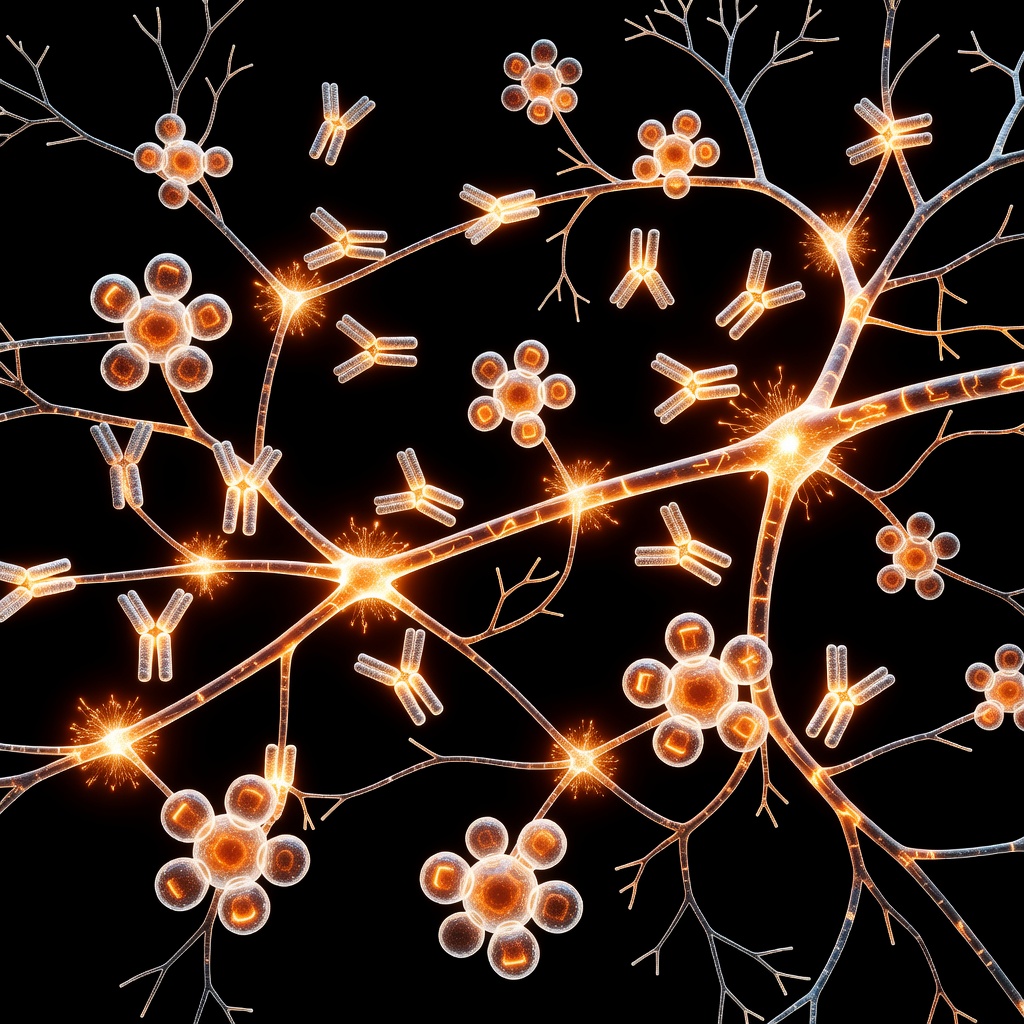
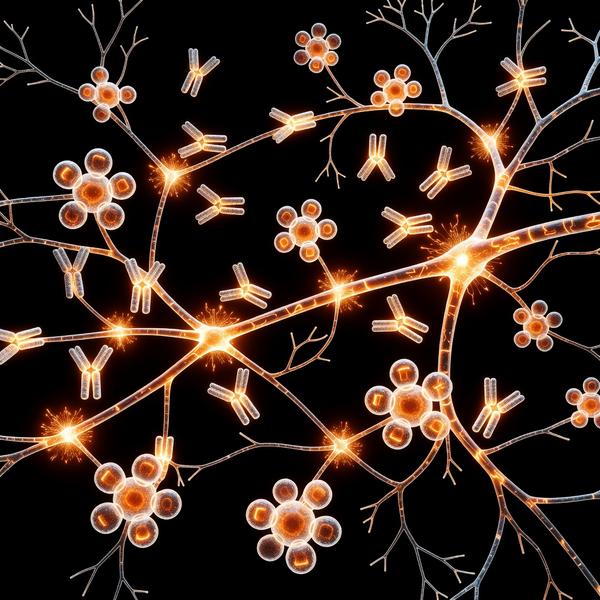
The Hepatic Gateway to Systemic Health The human body is constantly processing an influx of xenobiotics, metabolic byproducts, and environmental toxins. Central to our survival is the liver, acting as the primary filtration and transformation plant. In the context of the Gerson Protocol, the use of coffee enemas serves as a strategic intervention to modulate hepatic function, specifically by targeting the upregulation of Phase II enzymes. ### Understanding Phase I and Phase II Biotransformation Hepatic detoxification occurs in two primary stages. Phase I involves the cytochrome P450 enzyme system, which utilizes oxidation, reduction, and hydrolysis to turn lipophilic toxins into more reactive, intermediate metabolites. While necessary, this process often creates free radicals.
If these intermediates are not immediately processed, they cause oxidative stress and cellular damage. This is where Phase II comes in. Phase II is the conjugation pathway, where enzymes—most notably glutathione S-transferase (GST)—attach polar molecules like glutathione, sulfate, or glucuronic acid to the reactive intermediates. This renders the toxins water-soluble, allowing them to be excreted safely via bile or urine. ### The Mechanism of Coffee Enemas and Enzyme Upregulation Scientific inquiry into the Gerson Protocol suggests that rectal administration of coffee induces a choleretic effect. The palmitates found in coffee (specifically kahweol and cafestol) are absorbed through the hemorrhoidal vein into the portal circulation.
Upon reaching the liver, these compounds stimulate the bile ducts to dilate and increase bile flow. Simultaneously, evidence suggests that these compounds act as ligands for the nuclear receptor Nrf2. Nrf2 is the 'master regulator' of antioxidant responses. When activated, it translocates to the nucleus and upregulates the expression of genes responsible for Phase II detoxification enzymes, including GST. By increasing GST activity by up to 600-700%, the body dramatically accelerates the clearance of toxins that would otherwise remain sequestered in fatty tissues or circulation. ### Root-Cause Detoxification Most modern health approaches focus on symptom management rather than the capacity of the liver to conjugate toxins.
When the liver is overwhelmed, the body stores toxins in adipose tissue, leading to chronic low-grade inflammation. The Gerson approach moves beyond mere 'cleansing' by providing the biochemical stimulus required for the liver to perform its metabolic duties at peak efficiency. By facilitating the transport of toxic bile into the digestive tract, coffee enemas effectively act as a systemic 'flush,' ensuring that once the liver conjugates the toxins, they do not remain in the body to cause autointoxication. ### Clinical Considerations and Implementation Proper systemic detoxification requires a holistic approach. While the upregulation of Phase II enzymes is a powerful physiological tool, it must be supported by adequate mineral status and dietary intake of precursors like cysteine and glycine to support glutathione synthesis. At INNERSTANDING, we emphasize that the liver is not just a filter; it is the center of metabolic intelligence.
Upregulating its enzyme capacity is a fundamental step in reclaiming biological sovereignty.
This article is provided for informational and educational purposes only. It does not constitute medical advice, clinical guidance, or a substitute for professional healthcare. Information reflects cited research at time of publication. Always consult a qualified healthcare professional before acting on any health information.
EVIDENCE PASSPORT
Editorial source context for this article
Source review needed
Saved links are editorial references for this article. They may support specific claims rather than every sentence. Open and assess each source in context. This passport does not independently verify them.
Editorial context
A complete editorial reading has not been recorded for this article, and no source links are saved on its record.
Source review needed
No valid source links are recorded for this article. Supplementary research, where available, is listed separately below.
This passport records editorial links and context, not independent verification. Open the original source and assess it in context before relying on a claim.
Medical Disclaimer
The information in this article is for educational purposes only and does not constitute medical advice, diagnosis, or treatment. Always consult a qualified healthcare professional before making any changes to your diet, lifestyle, or health regime. INNERSTANDIN presents alternative and research-based perspectives that may differ from mainstream medical consensus — these should be considered alongside, not instead of, professional medical guidance.
Read Full DisclaimerContinue the thread
Keep this question moving.
Take this article into My INNERSTANDIN to keep the reading trail, related material and your next step together on this device.
Explore this in the Body Map
Explore related body structures and their educational pages in the interactive Body Map.
Dig deeper in the Library
Free, longform PDF volumes that go beyond headlines into mechanisms and references.
RABBIT HOLE
Follow the biological thread deeper