
The Adrenergic Switch: How Sympathetic Dominance Influences Tumour Microenvironments
Updated April 2026
Evidence orientation
Editorial context not yet recorded
Follow this category
This stays in this browser. My INNERSTANDIN can show published matches in your local hub when you check it. It does not send email, push, or alert notifications.
Local learning review
A private browser aid for revisiting ideas. It is not an alert or a health recommendation.
Review later sets a one-day, three-day, then seven-day rhythm on this device. Choose it only when you want to revisit this article.
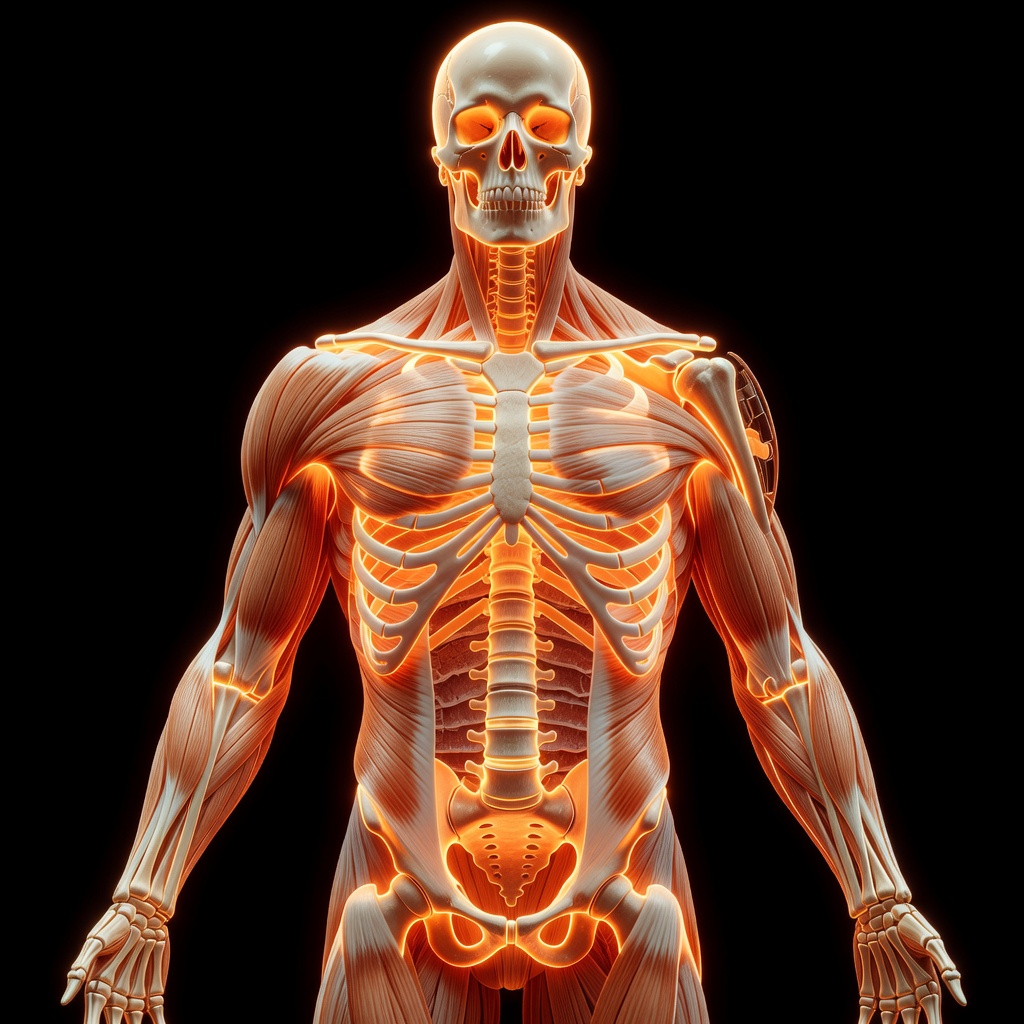
In the traditional landscape of oncology, cancer has long been viewed through a reductionist lens—a disease of rogue genetics and unlucky mutations. However, a burgeoning field of science is exposing a far more complex truth. Psychoneuroimmunology (PNI) has unveiled that a tumour does not exist in a vacuum; it is profoundly influenced by the "biological weather" of the host.
At the heart of this internal climate lies the Sympathetic Nervous System (SNS). When we remain trapped in a state of "fight or flight"—a condition known as Sympathetic Dominance—the body flips what researchers now call the Adrenergic Switch. This physiological state doesn't just make us feel anxious; it actively reconfigures the Tumour Microenvironment (TME), providing the chemical scaffolding for cancer to grow, invade, and evade the immune system.
Overview: The Neural Architecture of Malignancy
For decades, the nervous system and the immune system were studied as separate entities. We now know they are inextricably linked by a sophisticated language of neurotransmitters and cytokines. The Adrenergic Switch refers to the point at which chronic sympathetic activation overrides the body’s homeostatic "rest and digest" functions, flooding the system with catecholamines (adrenaline and noradrenaline).
In a healthy state, these hormones are fleeting, designed to help us survive immediate physical danger. In the modern era, however, the "predator" is never-ending: financial instability, digital overload, and social isolation. This chronic drip of adrenaline acts as a master regulator of the tumour microenvironment, transforming it from a site of containment into a fertile "soil" for the "seed" of cancer.
"Cancer is not merely a genetic event; it is a systemic process. By understanding the adrenergic pathways, we bridge the gap between mental state and molecular pathology."
Biological Mechanisms: Wiring the Tumour
The influence of the nervous system on cancer is mediated through $\beta$-adrenergic receptors ($\beta$-ARs), which are expressed on the surface of both cancer cells and various immune cells. When adrenaline or noradrenaline binds to these receptors, it initiates a cascade of intracellular signals that drive disease progression.
1. Promoting Angiogenesis
For a tumour to grow beyond a few millimetres, it requires its own blood supply. Adrenergic signalling stimulates the production of Vascular Endothelial Growth Factor (VEGF). This essentially "tricks" the body into building new blood vessels directly into the tumour, providing it with the nutrients and oxygen required for rapid expansion.
2. Facilitating Metastasis (The EMT Transition)
The most lethal aspect of cancer is its ability to spread. Sympathetic dominance promotes Epithelial-Mesenchymal Transition (EMT). Under the influence of noradrenaline, cancer cells lose their "stickiness" to one another and acquire the mobility needed to enter the bloodstream and colonise distant organs. It is the difference between a sedentary cell and a highly invasive "migrant" cell.
3. Immune Evasion: The Great Sabotage
Perhaps the most devastating effect of the Adrenergic Switch is its impact on the immune system. Chronic sympathetic activation:
- Inhibits Natural Killer (NK) cells: These are the body’s frontline "assassins" responsible for detecting and destroying malignant cells.
- Recruits MDSCs: It encourages the infiltration of Myeloid-Derived Suppressor Cells, which act as "bodyguards" for the tumour, physically and chemically shielding it from immune attack.
- Shifts Macrophage Polarity: It pushes macrophages into an "M2" state—a pro-tumour, anti-inflammatory state that aids tissue remodelling and tumour growth rather than destruction.
UK Context & Relevance: The High-Stress Epidemic
In the United Kingdom, the relevance of the Adrenergic Switch cannot be overstated. We are currently facing a national crisis of "lifestyle-induced" sympathetic dominance.
The NHS Burden
The NHS is increasingly overwhelmed by late-stage cancer diagnoses. While screening programmes are vital, they often fail to address the psychosocial drivers of disease progression. British society is currently grappling with high levels of occupational burnout and "hurry sickness." The UK’s "always-on" work culture means that a significant portion of the population is living in a state of sub-clinical sympathetic arousal.
The Cost of Urbanisation
The UK is one of the most urbanised nations in Europe. Research suggests that urban living, characterised by noise pollution, lack of green space, and artificial light, contributes to higher baseline levels of cortisol and catecholamines. In the context of British oncology, we must move toward an integrative model that addresses the patient's nervous system as aggressively as their tumour.
Environmental Factors: The External Triggers
The Adrenergic Switch is not flipped by thought alone; our environment plays a pivotal role in maintaining sympathetic dominance.
Circadian Disruption
The British winter, combined with excessive "blue light" exposure from devices, wreaks havoc on the circadian rhythm. Disrupted sleep inhibits the Parasympathetic Nervous System (PNS)—the natural brake on the adrenergic system. Without adequate sleep, noradrenaline levels remain elevated throughout the night, providing an uninterrupted growth signal to potential micrometastases.
Dietary Stimulants and Blood Sugar
The modern British diet, high in refined sugars and excessive caffeine, creates a "yo-yo" effect on blood glucose. Each "crash" in blood sugar triggers a compensatory release of adrenaline to mobilise glucose stores. For a cancer patient, this dietary cycle is akin to pouring petrol on a fire, as it repeatedly activates the very adrenergic pathways that fuel tumour aggression.
The "Noise" of the Digital Age
The constant influx of information and the "phantom vibration" of smartphones keep the amygdala—the brain's fear centre—in a state of hyper-vigilance. This maintains a "tonic" level of sympathetic output that never truly resets, keeping the Adrenergic Switch firmly in the 'on' position.
Protective Strategies: Reclaiming Autonomy
"Innerstanding" the adrenergic system is the first step toward reclaiming biological sovereignty. We must implement strategies that move the needle from Sympathetic Dominance to Parasympathetic Resilience.
1. Vagus Nerve Activation
The Vagus Nerve is the primary conduit of the parasympathetic nervous system. Techniques such as Heart Rate Variability (HRV) biofeedback, deep diaphragmatic breathing (the "sigh" breath), and even cold-water immersion can "tone" the vagus nerve. By increasing vagal tone, we can actively suppress the release of noradrenaline within the tumour microenvironment.
2. Strategic "Beta-Blockade"
From a pharmacological perspective, there is growing interest in the repurposing of $\beta$-blockers—traditionally used for heart disease—in oncology. Clinical trials are investigating whether these low-cost drugs can physically block the "switch" on the surface of cancer cells, preventing the stress signal from being received.
Key Insight: While patients should never self-medicate, discussing the "repurposing" of adrenergic-blocking medications with an integrative oncologist is a vital part of the "truth-exposing" healthcare journey.
3. Conscious Environment Design
- Forest Bathing (Shinrin-yoku): Spending time in the ancient woodlands of the UK has been scientifically proven to lower adrenaline and increase Natural Killer cell activity for days afterward.
- Digital Sunsets: Hard-wiring a routine that eliminates screens two hours before bed to allow the nervous system to transition into "rest and repair" mode.
4. Psychoneuroimmunological Reframing
Changing our relationship with stress is paramount. It is not the event itself, but our perception of the event that dictates the hormonal response. PNI-focused therapy aims to move patients from a state of "victimhood" to one of "agency," reducing the neural firing that leads to catecholamine release.
Key Takeaways: The Path to Innerstanding
To truly understand the future of cancer care, we must look beyond the microscope and into the lived experience of the individual.
- The Switch is Real: Chronic stress is not "just in the head"; it is a systemic chemical signal that directly alters the behaviour of cancer cells via $\beta$-adrenergic receptors.
- Fuel for Spread: Adrenaline and noradrenaline act as growth factors, promoting the formation of new blood vessels (angiogenesis) and the spread of cancer (metastasis).
- Immune Blindness: Sympathetic dominance effectively "blinds" the immune system, preventing it from identifying and destroying malignant cells.
- The Environment Matters: Modern life—from blue light to caffeine—is designed to keep the Adrenergic Switch on. Conscious intervention is required to flip it off.
- Hope through Regulation: By utilizing vagal stimulation, mindful movement, and potentially repurposed medications, we can influence the "internal weather" of our bodies, making them inhospitable to cancer.
The Adrenergic Switch represents a frontier of medical truth. It reminds us that our nervous system is the bridge between our environment and our cells. By mastering our inner state, we do more than just improve our "wellbeing"—we fundamentally alter the molecular trajectory of our health. In the quest for INNERSTANDING, we recognise that the mind is not just a witness to disease, but a powerful participant in the journey toward healing.
This article is provided for informational and educational purposes only. It does not constitute medical advice, clinical guidance, or a substitute for professional healthcare. Information reflects cited research at time of publication. Always consult a qualified healthcare professional before acting on any health information.
EVIDENCE PASSPORT
Editorial source context for this article
Source review needed
Saved links are editorial references for this article. They may support specific claims rather than every sentence. Open and assess each source in context. This passport does not independently verify them.
Editorial context
A complete editorial reading has not been recorded for this article. Source links remain available for you to open and assess directly.
Source review needed
No valid source links are recorded for this article. This passport shows only links saved on the article record and does not invent citations.
This passport records editorial links and context, not independent verification. Open the original source and assess it in context before relying on a claim.
Medical Disclaimer
The information in this article is for educational purposes only and does not constitute medical advice, diagnosis, or treatment. Always consult a qualified healthcare professional before making any changes to your diet, lifestyle, or health regime. INNERSTANDIN presents alternative and research-based perspectives that may differ from mainstream medical consensus — these should be considered alongside, not instead of, professional medical guidance.
Read Full DisclaimerContinue the thread
Keep this question moving.
Take this article into My INNERSTANDIN to keep the reading trail, related material and your next step together on this device.
Explore this in the Body Map
See where this hits your biology. Interactive anatomy, threats, and protective protocols.
Dig deeper in the Library
Free, longform PDF volumes that go beyond headlines into mechanisms and references.