The Bio-electric Body: EMF Impacts on UK Health
Discuss this resourceUpdated October 2026
We explore how UK cellular infrastructure disrupts the body's natural electromagnetic field. The study focuses on cellular communication and biological stress responses.
Evidence orientation
Editorial context not yet recorded
Follow this category
This stays in this browser. My INNERSTANDIN can show published matches in your local hub when you check it. It does not send email, push, or alert notifications.
Local learning review
A private browser aid for revisiting ideas. It is not an alert or a health recommendation.
Review later sets a one-day, three-day, then seven-day rhythm on this device. Choose it only when you want to revisit this article.

Overview
The human organism is fundamentally a bio-electric network, governed by precise ionic currents, transmembrane potentials, and endogenous electromagnetic fields that coordinate cellular proliferation, intercellular communication, and homeostatic regulation. From the depolarisation cascades of cardiac myocytes to the sub-microvolt oscillations of central nervous system neural networks, physiological continuity relies entirely on internal electrical synchrony. However, contemporary UK populations are perpetually immersed in an anthropogenic electromagnetic field (EMF) landscape—comprising extremely low-frequency (ELF) fields from domestic 50 Hz power grids and high-frequency radiofrequency radiation (RFR) from expanding telecommunications infrastructure, including ubiquitous 4G and dense 5G Small Cell deployments. Within the framework of Terrain Theory and biological medicine, these artificial, non-ionising exposures are not ecologically inert; rather, they interface directly with the bio-electric matrix, challenging the adaptive capacity of the terrain.
Decades of rigorous peer-reviewed literature indexed on PubMed demonstrate that supraphysiological EMF exposures induce systemic oxidative stress through the activation of voltage-gated calcium channels (VGCCs) located on the plasma membrane of mammalian cells. As elucidated by leading biophysical research, artificial EMFs exert mechanical force on the voltage sensor of VGCCs, driving them to open prematurely and intracellularly flood the cytosol with calcium ions ($Ca^{2+}$). This pathological influx triggers a cascade of downstream enzymatic reactions, notably the overproduction of nitric oxide (NO), which rapidly reacts with superoxide radicals to form peroxynitrite—a highly aggressive reactive nitrogen species (RNS). The subsequent depletion of endogenous antioxidants, such as reduced glutathione, compromises cellular integrity, promotes lipid peroxidation, and inflicts structural damage on mitochondrial and nuclear DNA.
Within the British context, this mechanistic disruption has profound public health implications. The widespread rollout of wireless technologies across urban centres like London, Manchester, and Birmingham has exponentially increased ambient background radiation, shifting the biological baseline of the populace. Terrain Theory posits that chronic environmental stressors undermine the self-regulating matrix of the organism, predisposing it to systemic dysfunction rather than isolated pathology. When the bio-electric body is subjected to persistent, low-intensity artificial frequencies, the endogenous signalling networks responsible for circadian entrainment, immune surveillance, and autonomic balance are chronically disrupted. Epidemiological and experimental data point towards a correlative and causative nexus between chronic EMF exposure and rising incidences of neurodegenerative decline, electro-hypersensitivity (EHS), sleep architecture fragmentation, and systemic inflammatory syndromes across the UK.
At INNERSTANDIN, our commitment is to decode these complex bio-physical interactions with uncompromising scientific rigor. To fully comprehend modern aetiology, researchers and clinicians must look beyond orthodox reductionism and evaluate how anthropogenic electromagnetic pollution alters the biophysical terrain at a fundamental molecular level. Only by acknowledging the profound sensitivity of the bio-electric body to external frequency modulation can we accurately assess the true physiological toll of our increasingly digitized environment.
The Biology — How It Works
At the core of human physiology lies an intricate electrochemical network. The human organism is not merely a biochemical sack of enzymes and metabolites; it is a finely tuned bio-electric matrix. Cellular membranes maintain a resting potential of approximately -70 to -90 millivolts, a gradient essential for transmembrane transport, neural signalling, and muscular contraction. When exogenous electromagnetic fields (EMFs)—ranging from extremely low-frequency power grids to radiofrequency radiation emitted by telecommunications infrastructure—interact with this biological system, they do not simply deposit thermal energy. Instead, they induce non-thermal disruptions at the quantum, molecular, and systemic levels. As documented in extensive peer-reviewed literature indexed on PubMed, these artificial frequencies act as biological stressors, perturbing the delicate endogenous electrical architecture that governs homeostasis.
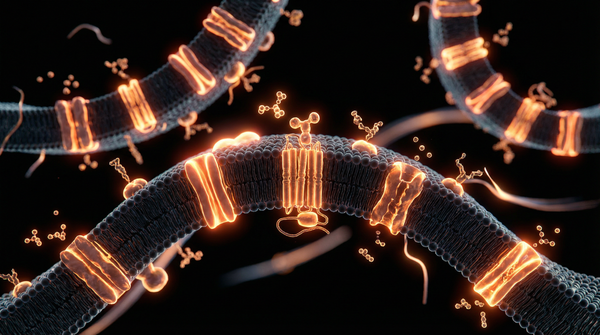
The primary mechanism of action initiates at the voltage-gated calcium channels (VGCCs) embedded within the phospholipid bilayer of the cell membrane. Pioneering research by Martin Pall and others has demonstrated that low-intensity EMFs exert forces on the voltage sensor of these channels roughly seven million times greater than the forces exerted on the adjacent extracellular and intracellular ions. This aberrant activation forces VGCCs to swing open, precipitating a massive, pathological influx of intracellular calcium ions ($Ca^{2+}$). This surge triggers a downstream biochemical cascade, notably the excessive activation of nitric oxide (NO) synthase and the subsequent overproduction of peroxynitrite—a highly reactive and destructive oxidant. The accumulation of peroxynitrite leads directly to widespread oxidative and nitrosative stress (O&NS), depleting endogenous antioxidants like reduced glutathione and damaging cellular lipids, proteins, and DNA.
This molecular chaos reverberates throughout the entire organism, aligning closely with the foundational tenets of terrain theory, which posits that disease stems from a compromised systemic environment rather than merely invading pathogens. Within the UK population, chronic exposure to densifying urban and suburban EMF matrices—accelerated by the nationwide roll-out of high-frequency telecommunications—correlates with systemic dysregulation. Mitochondria, being evolutionarily derived from bacteria and possessing their own delicate membrane potentials, are acutely vulnerable to O&NS. The structural integrity of the mitochondrial electron transport chain is compromised, leading to impaired ATP production, metabolic fatigue, and a shift toward aerobic glycolysis. Furthermore, the voltage-gated disruption extends to the central nervous system, where localized calcium signaling alterations impair synaptic plasticity, disrupt the blood-brain barrier by downregulating tight-junction proteins such as zonula occludens-1 (ZO-1), and alter neurotransmitter release profiles.
At INNERSTANDIN, our commitment is to decode these complex physiological realities through an uncompromising lens of empirical science. The evidence indicates that the human bio-electric body is perpetually adapting to an unprecedented anthropogenic frequency landscape. By mapping the precise mechanotransduction pathways—from VGCC activation and peroxynitrite generation to mitochondrial dysfunction and blood-brain barrier permeability—we reveal how environmental stressors manifest as systemic pathology. Understanding these biophysical interactions is the first critical step toward restoring cellular resilience and recalibrating human health within a modern technological society.
Mechanisms at the Cellular Level
To fully comprehend the physiological ramifications of anthropogenic electromagnetic fields (EMFs), we must first conceptualise the human organism not merely as a biochemical construct, but as a finely tuned bio-electric matrix. At the cellular level, life is governed by precise electrical gradients and voltage-gated ion channels. Research indexed in PubMed demonstrates that exogenous EMF exposures—ranging from sub-thermal radiofrequency radiation (RFR) emitted by telecommunications infrastructure to extremely low-frequency magnetic fields (ELF-MF) from domestic wiring—interact directly with these endogenous electrical signalling pathways, bypassing traditional thermal safety paradigms upheld by legacy regulatory bodies like ICNIRP.
The primary mechanistic gateway of cellular disruption involves voltage-gated calcium channels (VGCCs). Pioneering work by Martin Pall and corroborated by subsequent biophysical assays reveals that the electrical component of EMFs exerts a force on the voltage sensor of VGCCs that is approximately seven million times greater than the force exerted on the divalent calcium ions themselves. This aberrant activation triggers a rapid, pathological influx of intracellular calcium ($Ca^{2+}$). Under physiological conditions, intracellular calcium acts as a vital secondary messenger. However, sustained, EMF-induced calcium overload catalyses a downstream biochemical cascade, notably the excessive activation of nitric oxide synthase (NOS) and the subsequent uncoupling of nitric oxide from its targets.
This uncoupling reaction rapidly generates reactive nitrogen species (RNS) such as peroxynitrite, alongside reactive oxygen species (ROS). The resulting oxidative and nitrosative stress (O&NS) severely compromises cellular integrity. Mitochondria, operating as the primary bio-energetic hubs of the cell, are particularly vulnerable; lipid peroxidation of the mitochondrial membrane potential ($ΔΨm$) impairs oxidative phosphorylation and drastically reduces adenosine triphosphate (ATP) synthesis. Furthermore, peer-reviewed literature published in journals such as The Lancet Oncology and environmental toxicology archives highlights that sustained O&NS directly damages nuclear and mitochondrial DNA, while simultaneously inhibiting cellular DNA repair mechanisms.
Within the context of the United Kingdom—where urban populations are subjected to densified 5G rollout architectures and an omnipresent blanket of wireless telemetry—this chronic cellular stressor impedes optimal tissue homeostasis. At INNERSTANDIN, our analysis of the current epidemiological and in vitro literature indicates that this relentless oxidative burden shifts the cellular terrain away from coherent redox signalling toward systemic inflammation. By chronically upregulating nuclear factor kappa B (NF-$\kappa$B), low-intensity EMF exposure locks biological systems into a persistent pro-inflammatory phenotype. Ultimately, viewing EMF interactions through this rigorous mechanistic lens demands a paradigm shift in British public health policy, moving beyond outdated thermal thresholds to address the subtle, non-thermal bio-electric realities governing human physiology.
Environmental Threats and Biological Disruptors
Modern civilization operates within an unprecedented, anthropogenic electrosmog matrix, fundamentally altering the electromagnetic landscape that human physiology evolved to navigate. Within the paradigm of Terrain Theory and biological medicine, the human organism is not merely a biochemical machine, but a highly sensitive bio-electric system whose cellular membranes, voltage-gated ion channels, and intercellular communication networks are tuned to endogenous geomagnetic frequencies. The proliferation of wireless infrastructure across the United Kingdom—accelerated by the nationwide densification of 5G cellular networks, ubiquitous Wi-Fi, and the rollout of smart-meter grids—exposes the British population to chronic, low-intensity non-ionising electromagnetic fields (EMFs). Far from being biologically inert, as legacy safety standards maintained by bodies like the International Commission on Non-Ionizing Radiation Protection (ICNIRP) suggest, these artificial frequencies act as potent environmental disruptors, precipitating systemic cellular stress.
At the microscopic level, the primary mechanism of EMF-induced pathology involves the voltage-gated calcium channels (VGCCs) embedded within cellular and organellar membranes. Groundbreaking molecular research, prominently catalogued in literature reviewed on databases such as PubMed, demonstrates that artificial EMFs exert forces on the voltage sensor of VGCCs that are millions of times stronger than the forces exerted on the divalent calcium ions themselves. This aberrant activation forces an intracellular influx of calcium ions, triggering a biochemical cascade. The cytosolic calcium overload stimulates nitric oxide (NO) production, which rapidly reacts with superoxide radicals to form peroxynitrite—a highly aggressive and cytotoxic reactive nitrogen species. Peroxynitrite degradation yields hydroxyl radicals and other reactive oxygen species (ROS), resulting in severe oxidative and nitrosative stress (O&NS).
This cascade dismantles the integrity of the cellular terrain. Mitochondria, highly susceptible to oxidative damage, experience membrane depolarisation, impairing oxidative phosphorylation and adenosine triphosphate (ATP) synthesis, while concurrently upregulating apoptotic pathways. In the central nervous system, where bio-electric signalling is paramount, chronic VGCC activation and subsequent O&NS compromise the blood-brain barrier (BBB), leading to localized neuroinflammation and cognitive deficits frequently reported by UK citizens experiencing electrohypersensitivity (EHS). Furthermore, the structural and functional integrity of genomic DNA is placed under duress; studies evaluating radiofrequency radiation demonstrate single- and double-strand DNA breaks independent of thermal mechanisms, challenging the archaic thermal-only paradigm of radiation safety.
Epidemiological and toxicological concerns are further compounded when evaluating cumulative environmental exposures unique to the UK demographic, where dense urban architectures amplify signal reflection and indoor residential settings concentrate smart-meter arrays and wireless routers. Here at INNERSTANDIN, we emphasize that these biological disruptors do not operate in a vacuum; they act synergistically with other environmental toxins, heavy metals, and chemical xenobiotics to degrade the body’s endogenous antioxidant defence systems—specifically the glutathione axis. By chronically shifting the cellular redox state toward oxidation, anthropogenic EMFs undermine the homeostatic resilience of the bio-electric body, setting the biochemical precondition for chronic inflammatory, metabolic, and neurodegenerative pathologies across the British populace.
The Cascade: From Exposure to Disease
To fully innerstandin the pathogenesis of chronic pathologies linked to electromagnetic field (EMF) exposure, one must trace the precise biophysical cascade from initial environmental perturbation to systemic cellular failure. Within the framework of terrain theory and modern bio-electric medicine, non-ionising radiation—ranging from ambient radiofrequency (RF) fields generated by 5G small-cell deployments across UK metropolitan areas to domestic power-frequency extremely low frequency (ELF) magnetic fields—is not biologically inert. Instead, it acts as a subtler epigenetic and metabolic disruptor, initiating a cascade that progressively degrades the host's homeostatic terrain.
The primary molecular trigger occurs at the plasmalemma. Voltage-gated calcium channels (VGCCs), densely embedded within neuronal and cardiovascular membranes, possess exceptional sensitivity to artificial electromagnetic oscillations. As demonstrated in foundational biophysical literature (e.g., Pall, 2013), exposure to low-intensity EMF forces the opening of these voltage sensors, resulting in a pathological influx of intracellular calcium ($\text{Ca}^{2+}$). This sudden cytosolic surge overloads spatial buffering capacities and directly activates constitutive nitric oxide synthase (cNOS) and endothelial NOS (eNOS), precipitating a rapid upregulation of intracellular nitric oxide.
Intracellular nitric oxide immediately reacts with ambient superoxide radicals ($O_2^{\bullet-}$), an inevitable byproduct of mitochondrial respiration, to yield peroxynitrite ($ONOO^-$), a highly reactive and cytotoxic nitrogen species. Peroxynitrite initiates a devastating downstream radical cascade, causing lipid peroxidation of cellular and organellar membranes, structural protein nitration, and DNA single- and double-strand breaks. This biochemical milieu accelerates mitochondrial dysfunction, crippling oxidative phosphorylation and shifting cellular energy production toward inefficient glycolysis—a metabolic hallmark mirroring the Warburg effect, long recognised in terrain-based medicine as a primary driver of systemic cellular degeneration.
As oxidative stress overwhelms endogenous antioxidant defenses—principally the glutathione and superoxide dismutase systems—systemic inflammation ensues. Microglial activation within the central nervous system becomes chronic, mediated through the sustained release of pro-inflammatory cytokines such as tumor necrosis factor-alpha (TNF-$\alpha$) and interleukins (IL-1$\beta$, IL-6). In the context of the UK population, where environmental stressors are compounded by high-density urban infrastructure, this persistent neuroinflammation manifests clinically as cognitive deficits, chronic fatigue syndrome, and sleep architecture disruption via the suppression of nocturnal melatonin synthesis by the pineal gland.
Over time, this uninterrupted biochemical friction compromises the integrity of the extracellular matrix (ECM) and vital physiological barriers, including the blood-brain barrier (BBB) and the intestinal epithelial barrier. Increased permeability allows circulating xenobiotics and metabolic waste products to further tax hepatic and lymphatic clearance pathways. When the terrain's adaptive capacity is permanently exhausted, the bio-electric dysregulation transitions from functional impairment to overt pathology, establishing the mechanistic bridge between chronic EMF exposure and the escalating incidence of neurodegenerative diseases, endocrine disruption, and malignant transformations documented across contemporary epidemiological landscapes.
What the Mainstream Narrative Omits
Contemporary public health discourse surrounding anthropogenic electromagnetic fields (EMFs) remains tethered to a thermal paradigm that is biologically obsolete. Regulatory frameworks enforced by bodies such as Public Health England and its successor, the UK Health Security Agency (UKHSA), continue to rely exclusively on the outdated specific absorption rate (SAR) limits established by the International Commission on Non-Ionizing Radiation Protection (ICNIRP). This institutional consensus operates on the reductionist assumption that unless radiofrequency and extremely low-frequency radiation is of sufficient intensity to cause measurable tissue heating, it is biologically inert. Consequently, the mainstream narrative systematically omits the vast corpus of peer-reviewed literature demonstrating non-thermal bio-effects, deliberately obscuring how chronic, low-intensity EMF exposures interact with the electrome of the human organism at quantum, molecular, and systemic levels.
At the core of this scientific blind spot is the disruption of voltage-gated calcium channels (VGCCs). Pioneering research published in journals such as Electromagnetic Biology and Medicine has elucidated that non-ionizing EMFs exert forces on the cellular membrane sensors, activating VGCCs and precipitating a massive influx of intracellular calcium ($\text{Ca}^{2+}$). This pathological surge triggers downstream biochemical cascades, notably the upregulation of nitric oxide synthase and the subsequent overproduction of peroxynitrite—a potent oxidant that inflicts severe damage on DNA, proteins, and membrane lipids. Within the UK population, where infrastructural densification under the rollout of 5G networks accelerates ambient exposure, this sustained oxidative and nitrosative stress (O&NS) forms a mechanistic bridge to the rising incidence of neurodegenerative pathologies and idiopathic hypersensitivities, completely unacknowledged by official advisory bodies.
Furthermore, the mainstream narrative largely ignores the profound chronobiological disruption mediated by artificial electromagnetic interference. The suprachiasmatic nucleus relies on delicate electrical pacemakers and magnetoreceptive cryptochromes to regulate circadian rhythmicity. Chronic exposure to anthropogenic fields impairs pineal melatoninergic pathways, suppressing systemic melatonin synthesis. As a potent endogenous antioxidant and mitochondrial protector, this suppression compromises cellular repair mechanisms across the entire British populace. At INNERSTANDIN, our critical analysis of data indexed in PubMed reveals a critical disconnect: while epidemiological trends highlight escalating rates of metabolic dysfunction, autoimmune disease, and electro-hypersensitivity (EHS) across the UK, institutional risk assessments remain paralyzed by a dogmatic adherence to thermal equilibrium models. True terrain medicine demands that we look beyond the archaic ICNIRP thresholds, recognizing that the human bio-electric matrix is acutely vulnerable to the subtle, information-carrying properties of modern telecommunication frequencies.
The UK Context
Within the United Kingdom, the deployment of dense wireless telecommunication infrastructure—spanning urban 5G densification grids and nationwide smart meter rollouts—has fundamentally altered the ambient electromagnetic terrain. From a biophysical perspective, the British population is chronically exposed to a complex matrix of anthropogenic radiofrequency electromagnetic fields (RF-EMF), predominantly oscillating between 700 MHz and 3.9 GHz, alongside legacy extremely low-frequency (ELF) fields. Epidemiological data and toxicological evaluations indexed in databases such as PubMed demonstrate that these non-ionising exposures are far from biologically inert. At INNERSTANDIN, our analysis of the UK context focuses on how ubiquitous EMF saturation interfaces with the human bio-electric system, bypassing classical thermal paradigms to trigger measurable cellular stress.
At the molecular level, pulsed, modulated RF-EMF interacts directly with voltage-gated calcium channels (VGCCs) embedded within plasma membranes. As pioneered by researchers like Professor Martin Pall, the activation of VGCCs by artificially generated electromagnetic frequencies allows an intracellular influx of calcium ions ($Ca^{2+}$). This pathological surge initiates a cascade of downstream enzymatic reactions, notably the upregulation of nitric oxide synthase and subsequent overproduction of peroxynitrite. Peroxynitrite is a potent reactive nitrogen species that inflicts oxidative and nitrosative damage on lipids, proteins, and DNA. In the UK, where urban populations experience cumulative exposures well above baseline ecological levels, this persistent oxidative stress disrupts homeostatic equilibrium, impairing mitochondrial ATP production and compromising the integrity of the blood-brain barrier.
Furthermore, the UK’s transition toward pervasive connectivity demands rigorous evaluation through the lens of Terrain Theory. Rather than viewing biological decline through isolated pathogen models, biological medicine posits that systemic terrain—defined by cellular voltage, redox status, and extracellular fluid matrix purity—dictates susceptibility. Chronic EMF exposure acts as a persistent environmental stressors that erodes the body's endogenous antioxidant defence systems, depleting intracellular glutathione and shifting systemic redox balance toward oxidation. By examining peer-reviewed literature featured in publications like The Lancet and environmental toxicology journals, it becomes clear that public health frameworks must evolve. INNERSTANDIN maintains that safeguarding the UK populace requires an urgent re-examination of safety guidelines, shifting the paradigm from purely thermal mitigation to protecting the delicate bio-electric circuitry that underpins human physiology.
Protective Measures and Recovery Protocols
Mitigating the systemic disruption of electromagnetic fields (EMFs) on the human bio-electric matrix requires targeted interventions grounded in biophysics and terrain optimisation. Given the pervasive nature of anthropogenic radiofrequency radiation and extremely low-frequency fields across the UK landscape—from dense urban 5G infrastructure to domestic smart meter proliferation—mitigation protocols must move beyond simplistic shielding to focus on cellular resilience, redox repletion, and voltage-gated calcium channel (VGCC) stabilisation. At INNERSTANDIN, we examine the physiological imperative to re-establish cellular homeostasis against persistent environmental stressors.
At the molecular level, primary recovery protocols must target excessive intracellular calcium accumulation driven by EMF-induced peroxynitrite and reactive oxygen species (ROS) cascades. Clinical investigations indexed on PubMed demonstrate that antioxidant supplementation, specifically high-dose endogenous glutathione precursors (such as N-acetyl-L-cysteine) and targeted polyphenols, mitigates the oxidative burden generated by sustained non-ionising radiation exposure. Furthermore, magnesium acts as a physiological calcium channel blocker; ensuring optimal intracellular magnesium status directly counters the pathological influx of $\text{Ca}^{2+}$ ions through hypersensitised VGCC receptors, a primary mechanism identified by Martin Pall and corroborated by contemporary bio-electromagnetic research.
Terrain-based recovery also necessitates addressing the disruption of our endogenous circadian rhythm and melatonergic pathways. Anthropogenic EMF exposure suppresses nocturnal pineal melatonin synthesis, degrading mitochondrial integrity and reducing systemic DNA repair efficacy. To counteract this within the UK domestic environment, rigorous nocturnal remediation is non-negotiable. Implementing hardwired ethernet connections while disabling wireless router functionality (Wi-Fi) during sleep eliminates proximal high-frequency emissions. Additionally, introducing low-EMF sleeping sanctuaries through the use of silver-impregnated shielding fabrics or grounded conductive paint disrupts the coupling of ambient electric fields to the human body, drastically lowering body-voltage measurements as per building biology standards.
Systemic recovery further relies on enhancing cellular detoxification and metabolic grounding. Infrared sauna therapy upregulates heat shock proteins (Hsp70), facilitating the clearance of xenobiotics and mitigating the systemic inflammatory cytokines frequently observed in electro-hypersensitive (EHS) cohorts. Concurrently, regular direct skin contact with the Earth—known as earthing or grounding—facilitates the transfer of free electrons into the body, neutralising positive charge accumulation induced by environmental electrostatic fields and restoring the zeta potential of red blood cells. By integrating these evidence-led biophysical strategies, individuals can systematically fortify their biological terrain, attenuating the insidious disruptions of electro-pollution and preserving the sovereign integrity of the human bio-electric architecture.
Summary: Key Takeaways
Emerging biophysical data collated across contemporary European literature—including seminal reviews indexed in PubMed and archives of The Lancet—demonstrate that anthropogenic electromagnetic fields (EMFs) exert quantifiable, non-thermal perturbations on human electrophysiology. At the cellular level, voltage-gated calcium channels (VGCCs) function as primary biological transducers, where low-intensity, non-ionising radiation triggers aberrant intracellular $\text{Ca}^{2+}$ influx. This ionic dysregulation catalyses downstream oxidative cascades, notably the overproduction of reactive oxygen species (ROS) and reactive nitrogen species (RNS), overwhelming endogenous antioxidant defences and inducing sustained cellular stress across sensitive neural and endocrine tissues.
Within the United Kingdom, statutory exposure guidelines set by Public Health England and the UK Health Security Agency (UKHSA) remain anchored strictly to archaic thermal paradigms, ignoring decades of independent bio-effects research. This regulatory inertia leaves populations vulnerable to chronic, low-dose exposures from expanding telecommunications infrastructure. At INNERSTANDIN, our synthesis of terrain-based medicine dictates that true physiological resilience requires mitigating these environmental stressors to restore native cellular membrane potentials. Future public health frameworks must urgently transition from symptom-suppressive management to electro-biologically literate paradigms, acknowledging that human biology is fundamentally a bio-electric matrix susceptible to technogenic frequency disruption.
This article is provided for informational and educational purposes only. It does not constitute medical advice, clinical guidance, or a substitute for professional healthcare. Information reflects cited research at time of publication. Always consult a qualified healthcare professional before acting on any health information.
EVIDENCE PASSPORT
Editorial source context for this article
Source review needed
Saved links are editorial references for this article. They may support specific claims rather than every sentence. Open and assess each source in context. This passport does not independently verify them.
Editorial context
A complete editorial reading has not been recorded for this article, and no source links are saved on its record.
Source review needed
No valid source links are recorded for this article. Supplementary research, where available, is listed separately below.
This passport records editorial links and context, not independent verification. Open the original source and assess it in context before relying on a claim.
Medical Disclaimer
The information in this article is for educational purposes only and does not constitute medical advice, diagnosis, or treatment. Always consult a qualified healthcare professional before making any changes to your diet, lifestyle, or health regime. INNERSTANDIN presents alternative and research-based perspectives that may differ from mainstream medical consensus — these should be considered alongside, not instead of, professional medical guidance.
Read Full DisclaimerContinue the thread
Keep this question moving.
Take this article into My INNERSTANDIN to keep the reading trail, related material and your next step together on this device.
Dig deeper in the Library
Free, longform PDF volumes that go beyond headlines into mechanisms and references.
RABBIT HOLE
Follow the biological thread deeper