
The Biology of Modern Sedentary Life: Why Mechanical Stress is Vital for UK Heart Health
Updated April 2026
Evidence orientation
Editorial context not yet recorded
Follow this category
This stays in this browser. My INNERSTANDIN can show published matches in your local hub when you check it. It does not send email, push, or alert notifications.
Local learning review
A private browser aid for revisiting ideas. It is not an alert or a health recommendation.
Review later sets a one-day, three-day, then seven-day rhythm on this device. Choose it only when you want to revisit this article.
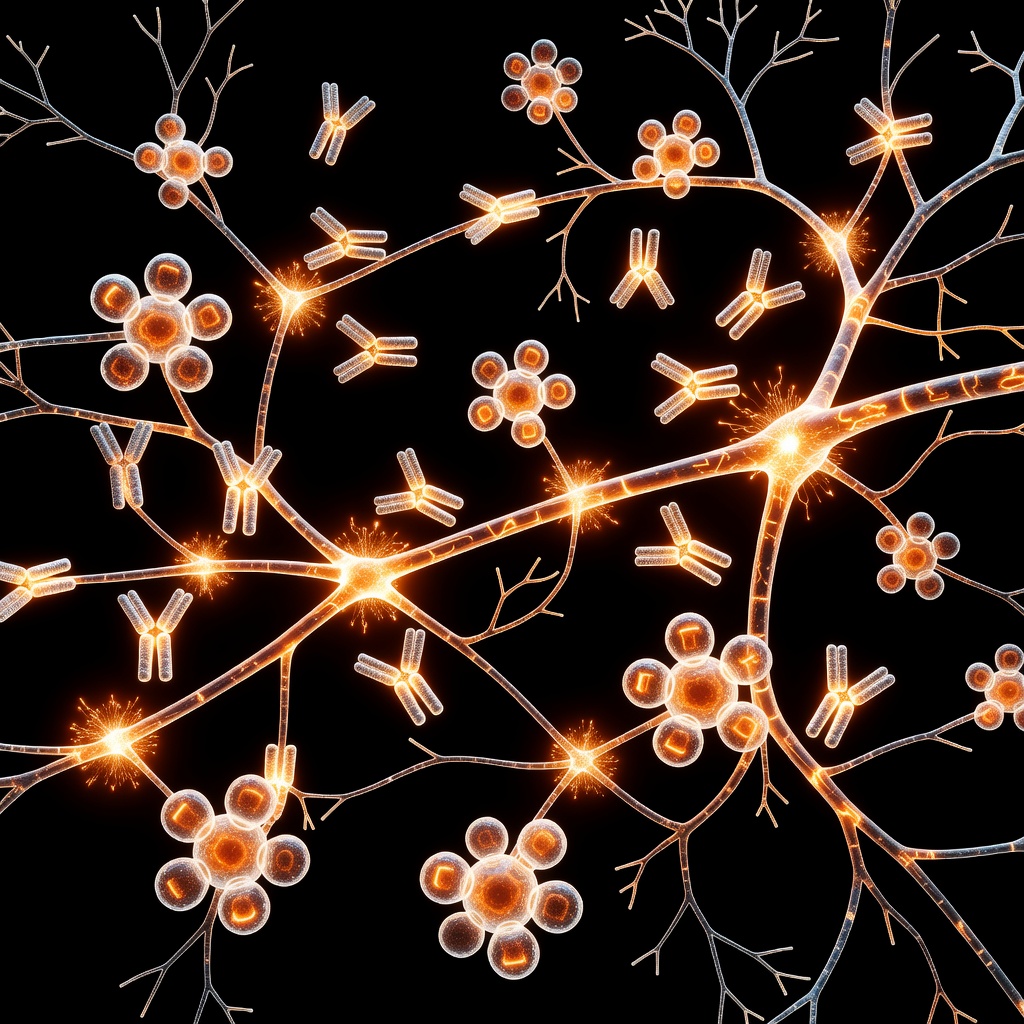
In the quiet, carpeted offices of London’s Square Mile and the comfortable home workspaces of the British suburbs, a silent biological erosion is taking place. For decades, the public health narrative has framed exercise as a tool for weight management or an optional pursuit for the "fitness-conscious." This is a fundamental misunderstanding of human physiology.
At INNERSTANDING, we believe in looking beneath the surface symptoms to the core biological truths. The reality is that the human cardiovascular system is not a passive plumbing network; it is a dynamic, living sensory organ that requires constant mechanical stress to maintain its structural integrity. Without the physical "push and pull" of regular movement, our biology begins to downregulate, leading to a state of systemic decay that no statin or pill can fully reverse.
The Evolutionary Mismatch: Biological Machines in a Static World
The human heart and vascular system evolved under conditions of near-constant movement. Our ancestors did not "exercise"; they inhabited a world where survival demanded high-volume, low-intensity movement punctuated by bursts of intense exertion.
Consequently, our genes are programmed to expect a certain level of hemodynamic shear stress—the frictional force of blood flowing over the vessel walls. When we sit for eight to ten hours a day, we are essentially placing our cardiovascular system in a state of "sensory deprivation." The body interprets this lack of mechanical feedback as a signal that the sophisticated machinery of the heart is no longer required in its peak state. This is the Biology of Modern Sedentary Life: a slow-motion collapse of the very structures that keep us alive.
Biological Mechanisms: What Happens When We Stop Moving?
To understand why mechanical stress is vital, we must explore the microscopic events triggered by movement—and the consequences of their absence.
1. The Endothelium and Shear Stress
The endothelium is a single layer of cells lining every blood vessel in the body. It acts as a sophisticated chemical factory, producing molecules that regulate blood pressure, prevent clotting, and inhibit inflammation.
When you move, your heart rate increases and blood flows faster. This creates laminar shear stress. In response, the endothelial cells produce Nitric Oxide (NO), a potent vasodilator.
- The Problem: Prolonged sitting causes blood to pool in the lower extremities and creates "turbulent" or low-flow states.
- The Consequence: Without the "rubbing" force of blood flow, Nitric Oxide production plummets. The vessels become stiff, prone to inflammation, and eventually, plaque buildup.
2. Mechanotransduction: Cells that "Feel"
Our cells possess a quality called mechanotransduction—the ability to convert physical forces into biochemical signals. When muscle fibres contract and blood vessels stretch, sensors on the cell surface (such as integrins and ion channels) trigger genetic expressions that repair tissues and optimise metabolism.
- In a sedentary state, these mechanical sensors remain dormant. The body enters a "pro-thrombotic" (clot-prone) and "pro-inflammatory" state because the mechanical signals for "health maintenance" are absent.
3. The "Second Heart" and Venous Return
The human heart is not strong enough to pump blood back up from the feet against gravity without help. We rely on the skeletal muscle pump—specifically the calf muscles.
- The Modern Failure: Sitting for hours deactivates the calf pump. Blood stagnates in the veins, increasing hydrostatic pressure. This not only leads to varicose veins but also reduces the "preload" of the heart, making the cardiac muscle less efficient over time.
"The heart is not a standalone pump; it is the central node of a system that requires peripheral movement to function. To sit still is to effectively disconnect the pump from its primary source of return flow."
The UK Context: A National Heart Crisis
The United Kingdom is currently facing a cardiovascular "perfect storm." According to the British Heart Foundation, heart and circulatory diseases cause around a quarter of all deaths in the UK—more than 160,000 deaths each year.
The British Office Culture
Despite the rise of standing desks, the traditional British work culture remains stubbornly sedentary. The average UK office worker sits for up to 9 hours a day. Combined with a commute (often sitting in a car or on a train) and evening "winding down" in front of a screen, many Britons are spending 80-90% of their waking hours in a state of physical stasis.
The "Active Couch Potato" Syndrome
A unique UK phenomenon is the "Active Couch Potato." This refers to individuals who meet the NHS guideline of 150 minutes of moderate activity per week but remain sedentary for the remaining 100+ hours.
- The Truth Exposed: Emerging research suggests that a one-hour gym session cannot fully "undo" the damage of eleven hours of sitting. The metabolic disruption—specifically the drop in lipoprotein lipase (an enzyme crucial for breaking down fats in the blood)—happens within just 60 to 90 minutes of total inactivity.
Environmental Factors: The Architecture of Inactivity
The modern UK environment is "obesogenic" and "sedentary-friendly" by design. From the way our cities are built to the way our economy is structured, mechanical stress has been engineered out of daily life.
- Car-Centric Urban Planning: Outside of major hubs like London, many UK towns are designed around car travel. The "school run" and the "weekly shop" have shifted from pedestrian activities to sedentary ones.
- The Digital Shift: The UK has one of the highest rates of internet penetration and digital service usage in the world. From grocery deliveries to streaming entertainment, the physical "requirement" to leave the house has diminished.
- The Post-Pandemic Home Office: While working from home (WFH) has benefits, it has eliminated the "incidental movement" of the commute—walking to the station, moving between meeting rooms, or even walking to get lunch. Many UK workers now move fewer than 2,000 steps a day.
Protective Strategies: Reintroducing Mechanical Stress
At INNERSTANDING, we advocate for a radical shift in how we view movement. It is not about "burning calories"; it is about vascular conditioning. We must reintroduce mechanical stress throughout the day.
1. Movement Snacks (Intermittent Activity)
Research shows that breaking up sitting every 30 minutes with just 2-3 minutes of movement can significantly improve endothelial function.
- Strategy: Perform "calf raises" while the kettle boils, or take every phone call standing up. These small bursts of mechanical stress keep the Nitric Oxide pathways active.
2. The Power of Zone 2 Training
While high-intensity interval training (HIIT) is popular, Zone 2 training (steady-state exercise where you can still hold a conversation) is vital for mitochondrial health and vascular elasticity.
- Application: Brisk walking through British parks or cycling at a moderate pace for 30-45 minutes creates sustained, laminar shear stress that "polishes" the inside of your arteries.
3. Isometric Tension and Strength
Muscle is a metabolic organ. When we engage in resistance training, our muscles release myokines—signalling molecules that have a direct protective effect on the heart muscle.
- The "INNERSTANDING" Approach: Focus on large muscle groups (legs and back). Squats and lunges don't just build muscle; they act as a mechanical "flush" for the entire circulatory system.
4. Cold Exposure and Vasomotor Tone
While not "mechanical" in the traditional sense, cold exposure (such as a cold shower) causes rapid vasoconstriction followed by vasodilation. This "vascular gymnastics" exercises the smooth muscle within the vessel walls, mimicking some of the effects of physical stress.
Key Takeaways: The Path to Cardiovascular Resilience
To reclaim heart health in the modern age, we must move beyond the superficial metrics of the fitness industry and embrace the biological necessity of movement.
- Mechanical Stress is Non-Negotiable: Your blood vessels require the physical friction of flow to produce the chemicals that prevent heart disease.
- Total Volume Matters: A morning workout does not give you a "licence to sit." Aim for consistent movement throughout the day to keep lipoprotein lipase levels high.
- The 30-Minute Rule: Never remain seated for more than 30 minutes without a 2-minute "mechanical reset" (standing, stretching, or walking).
- The UK Context: Be aware that our modern environment is designed for your stasis. You must consciously "engineer" movement back into your life through walking commutes and active leisure.
- Focus on the Endothelium: View every walk and every staircase not as a chore, but as a dose of "endogenous medicine" for your vascular lining.
Final Thought: We are the descendants of those who moved to survive. Our biology has not changed, even if our environment has. To honour the heart is to move the body—not as a hobby, but as a fundamental biological imperative.
"Authoritative Sources & Further Reading:"
- The British Heart Foundation: Heart Statistics Report.
- The Lancet: Physical Activity and Cardiovascular Disease.
- Journal of Applied Physiology: Shear Stress and Endothelial Function.
"INNERSTANDING: Deepening your connection to the biological truth."
This article is provided for informational and educational purposes only. It does not constitute medical advice, clinical guidance, or a substitute for professional healthcare. Information reflects cited research at time of publication. Always consult a qualified healthcare professional before acting on any health information.
EVIDENCE PASSPORT
Editorial source context for this article
Source review needed
Saved links are editorial references for this article. They may support specific claims rather than every sentence. Open and assess each source in context. This passport does not independently verify them.
Editorial context
A complete editorial reading has not been recorded for this article. Source links remain available for you to open and assess directly.
Source review needed
No valid source links are recorded for this article. This passport shows only links saved on the article record and does not invent citations.
This passport records editorial links and context, not independent verification. Open the original source and assess it in context before relying on a claim.
Medical Disclaimer
The information in this article is for educational purposes only and does not constitute medical advice, diagnosis, or treatment. Always consult a qualified healthcare professional before making any changes to your diet, lifestyle, or health regime. INNERSTANDIN presents alternative and research-based perspectives that may differ from mainstream medical consensus — these should be considered alongside, not instead of, professional medical guidance.
Read Full DisclaimerContinue the thread
Keep this question moving.
Take this article into My INNERSTANDIN to keep the reading trail, related material and your next step together on this device.
Explore this in the Body Map
See where this hits your biology. Interactive anatomy, threats, and protective protocols.