
The Cholinergic Anti-Inflammatory Pathway: Therapeutic Targets in Neuro-Immune Disorders
Updated April 2026
Evidence orientation
Editorial context not yet recorded
Follow this category
This stays in this browser. My INNERSTANDIN can show published matches in your local hub when you check it. It does not send email, push, or alert notifications.
Local learning review
A private browser aid for revisiting ideas. It is not an alert or a health recommendation.
Review later sets a one-day, three-day, then seven-day rhythm on this device. Choose it only when you want to revisit this article.
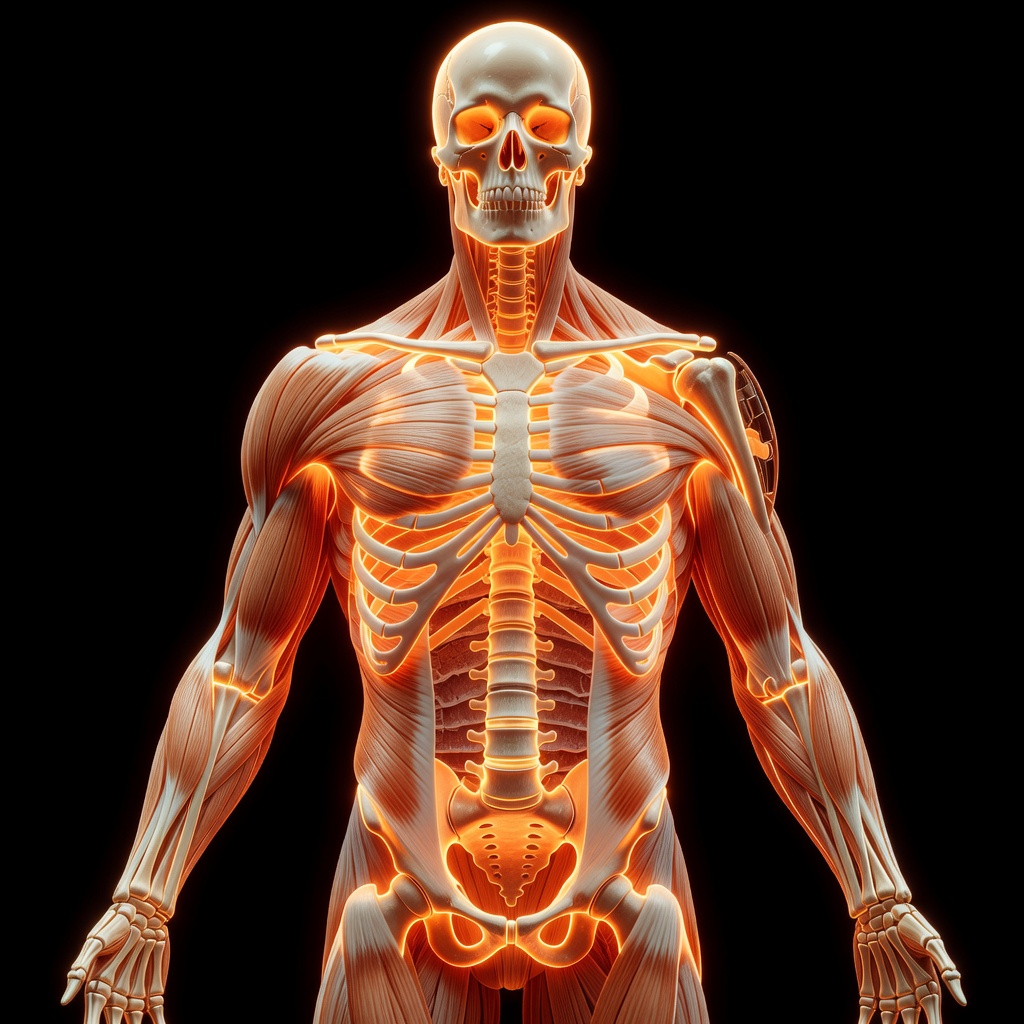
In the evolving landscape of Psychoneuroimmunology (PNI), the traditional boundaries between the brain, the endocrine system, and the immune system are dissolving. For decades, Western medicine treated the "mind" and the "body" as separate entities, often delegating chronic inflammation to the realm of rheumatology and mood disorders to psychiatry. However, a profound biological truth has emerged: the nervous system directly orchestrates the immune response through a sophisticated electrical-to-chemical interface known as the Cholinergic Anti-Inflammatory Pathway (CAP).
At INNERSTANDING, we aim to expose the underlying mechanisms of health that remain obscured by superficial symptom management. The CAP is not merely a biological curiosity; it is a fundamental survival mechanism that, when dysfunctional, lays the groundwork for the modern epidemic of neuro-immune disorders.
The Invisible Bridge: An Overview of the CAP
The Cholinergic Anti-Inflammatory Pathway is a neural circuit that transmits signals via the vagus nerve (the tenth cranial nerve) to suppress the production of pro-inflammatory cytokines. This discovery, pioneered largely by Dr Kevin Tracey in the late 20th century, revolutionised our understanding of how the brain senses and regulates systemic inflammation.
Under normal conditions, the immune system identifies a pathogen or tissue damage and releases signalling molecules called cytokines (such as TNF-alpha and Interleukin-1). While acute inflammation is necessary for healing, unchecked inflammation is toxic. The CAP acts as the body’s "off-switch," preventing an inflammatory "cytokine storm" from damaging healthy tissues, particularly the delicate structures of the brain.
"The nervous system does not merely observe the immune response; it actively dictates its intensity. The vagus nerve functions as a biological rheostat, dialling down inflammation before it becomes pathogenic."
Biological Mechanisms: The Molecular Handshake
To understand how we can target this pathway therapeutically, we must first deconstruct its mechanical parts. The CAP operates through a three-stage relay:
1. The Vagus Nerve: The Information Superhighway
The vagus nerve provides a bidirectional link between the viscera (internal organs) and the brain. Sensory fibres detect the presence of inflammatory markers in the periphery and send "danger signals" to the nucleus tractus solitarius (NTS) in the brainstem. In response, the brain sends motor signals back down the efferent vagal fibres to initiate a calming, anti-inflammatory response.
2. The Splenic Connection
The signal travels to the spleen, a primary reservoir for immune cells. Here, the vagus nerve does not interface directly with immune cells but instead stimulates the splenic nerve. This release of noradrenaline triggers a specific subset of T-cells to produce Acetylcholine (ACh), the primary neurotransmitter of the parasympathetic nervous system.
3. The Alpha7 Nicotinic Receptor ($\alpha$7nAChR)
This is the "master key" of the CAP. The acetylcholine released by T-cells binds to the Alpha7 nicotinic acetylcholine receptor ($\alpha$7nAChR) located on the surface of macrophages (immune cells that produce cytokines). When this binding occurs, it inhibits the translocation of NF-$\kappa$B—a protein complex that acts as a primary "on-switch" for inflammatory genes—into the cell nucleus. The result is a dramatic reduction in the production of systemic inflammatory markers.
Neuro-Immune Disorders: When the Pathway Fails
When the CAP is impaired, the body loses its ability to self-regulate, leading to a state of chronic, "low-grade" inflammation. This is the common denominator in a spectrum of neuro-immune disorders:
- Depression and Anxiety: The "Cytokine Hypothesis of Depression" suggests that elevated systemic inflammation breaches the blood-brain barrier, activating the brain’s resident immune cells (microglia). This leads to "neuro-inflammation," which disrupts serotonin and dopamine production.
- Neurodegenerative Diseases: In Alzheimer’s and Parkinson’s, the failure of the CAP allows for the unchecked activation of microglia, which then attack neurons rather than protecting them.
- Autoimmune Conditions: Rheumatoid arthritis, Crohn’s disease, and Lupus are often characterised by "vagal withdrawal"—a state where low vagal tone allows the immune system to run rampant.
- Myalgic Encephalomyelitis (ME/CFS): Emerging research suggests that many cases of chronic fatigue are rooted in a dysfunctional CAP, where the body remains in a perpetual state of "sickness behaviour" due to unresolved neuro-inflammation.
The UK Context: A Growing Crisis of Connectivity
In the United Kingdom, the prevalence of chronic inflammatory and autoimmune conditions is rising at an alarming rate. Data suggests that approximately 4 million people in the UK are living with at least one autoimmune disease. Furthermore, the NHS spends billions annually treating the symptoms of chronic inflammation, often without addressing the underlying autonomic dysfunction.
The British lifestyle—characterised by high-stress environments, processed food consumption, and a lack of physical movement—is a recipe for vagal tone depletion. Standard clinical practice in the UK often relies heavily on pharmaceutical immunosuppressants (such as biologics), which, while effective, often come with significant side effects. The therapeutic targeting of the CAP offers a "bio-electronic" alternative that works with the body’s innate intelligence rather than merely overriding it.
Environmental Factors: What is Silencing Your Vagus Nerve?
To reclaim our health, we must identify the environmental "noise" that disrupts the CAP. Modern life is essentially a war on the parasympathetic nervous system.
Chronic Psychological Stress
The "fight or flight" response is the antithesis of the CAP. In the UK’s high-pressure work culture, the sympathetic nervous system remains dominant, suppressing vagal activity. When the vagus nerve is "offline," the immune system receives no "stop" command, leading to systemic inflammation.
The "Western" Diet and Gut Dysbiosis
The gut is the primary "listening post" for the vagus nerve. Consuming ultra-processed foods, excess refined sugars, and inflammatory seed oils alters the gut microbiome. Pathogenic bacteria produce endotoxins (LPS) that overwhelm the CAP, causing chronic immune activation.
Environmental Toxins
Exposure to organophosphates (common in industrial pesticides) and certain heavy metals can interfere with acetylcholinesterase, the enzyme responsible for breaking down acetylcholine. This disrupts the delicate balance required for the CAP to function effectively.
Protective Strategies: Activating the CAP
The true power of understanding the CAP lies in our ability to influence it through lifestyle, nutrition, and emerging technologies.
1. Vagus Nerve Stimulation (VNS)
While surgical VNS implants exist for epilepsy and treatment-resistant depression, non-invasive methods are gaining traction. Transcutaneous Vagus Nerve Stimulation (tVNS) uses mild electrical impulses applied to the auricular (ear) branch of the vagus nerve to manually "reboot" the CAP.
2. Breathwork and Heart Rate Variability (HRV)
Resonant breathing (roughly 5.5 to 6 breaths per minute) is one of the fastest ways to increase vagal tone. By lengthening the exhalation, you stimulate the vagus nerve, immediately signaling the immune system to dampen inflammatory output. Monitoring Heart Rate Variability (HRV) serves as a real-time metric of your CAP’s health.
3. Nutritional Support for Acetylcholine
Since acetylcholine is the "peace-maker" of the CAP, we must provide the raw materials for its production:
- Choline: Found in eggs (pasture-raised), liver, and cruciferous vegetables.
- Alpha-GPC and Huperzine A: Supplements that can support acetylcholine levels and inhibit its premature breakdown.
- Omega-3 Fatty Acids: Essential for maintaining the structural integrity of the $\alpha$7nAChR.
4. Cold Exposure
Brief exposure to cold (such as a cold shower or face immersion) triggers the "dive reflex," which causes an immediate spike in vagal activity. This "hormetic stress" trains the CAP to respond more efficiently to inflammatory challenges.
5. Intermittent Fasting
Fasting has been shown to increase vagal tone and modulate the $\alpha$7nAChR pathway, effectively "resetting" the immune system’s inflammatory threshold.
Key Takeaways: The Path Forward
The discovery of the Cholinergic Anti-Inflammatory Pathway represents a paradigm shift in how we approach human health. It teaches us that we are not victims of our genetics, but rather conductors of a complex biological orchestra.
- Inflammation is a Choice of the Nervous System: The brain actively regulates the immune system via the vagus nerve and the $\alpha$7nAChR.
- Neuro-Immune Disorders are Systemic: Conditions like depression and Alzheimer's are not "all in the head"; they are systemic failures of the CAP.
- Vagal Tone is a Biomarker for Health: High vagal tone correlates with lower inflammation, better emotional regulation, and increased longevity.
- Empowerment through Practice: Simple interventions—breathwork, cold exposure, and choline-rich nutrition—can effectively "hack" this pathway to restore balance.
In the pursuit of INNERSTANDING, we must recognise that true healing comes from within. By mastering the Cholinergic Anti-Inflammatory Pathway, we move away from the suppression of symptoms and toward the cultivation of a resilient, self-regulating biological system. The bridge between the mind and the immune system is open; it is up to us to cross it.
This article is provided for informational and educational purposes only. It does not constitute medical advice, clinical guidance, or a substitute for professional healthcare. Information reflects cited research at time of publication. Always consult a qualified healthcare professional before acting on any health information.
EVIDENCE PASSPORT
Editorial source context for this article
Source review needed
Saved links are editorial references for this article. They may support specific claims rather than every sentence. Open and assess each source in context. This passport does not independently verify them.
Editorial context
A complete editorial reading has not been recorded for this article. Source links remain available for you to open and assess directly.
Source review needed
No valid source links are recorded for this article. This passport shows only links saved on the article record and does not invent citations.
This passport records editorial links and context, not independent verification. Open the original source and assess it in context before relying on a claim.
Medical Disclaimer
The information in this article is for educational purposes only and does not constitute medical advice, diagnosis, or treatment. Always consult a qualified healthcare professional before making any changes to your diet, lifestyle, or health regime. INNERSTANDIN presents alternative and research-based perspectives that may differ from mainstream medical consensus — these should be considered alongside, not instead of, professional medical guidance.
Read Full DisclaimerContinue the thread
Keep this question moving.
Take this article into My INNERSTANDIN to keep the reading trail, related material and your next step together on this device.
Explore this in the Body Map
See where this hits your biology. Interactive anatomy, threats, and protective protocols.
Dig deeper in the Library
Free, longform PDF volumes that go beyond headlines into mechanisms and references.