
The Circadian Thermostat: Leveraging Post-Sauna Cooling for Enhanced Sleep Architecture and Melatonin Regulation
Updated May 2026
Unlock deep sleep by mastering your circadian thermostat. Learn how post-sauna cooling regulates melatonin and optimizes sleep architecture for better rest.
Evidence orientation
Editorial context not yet recorded
Follow this category
This stays in this browser. My INNERSTANDIN can show published matches in your local hub when you check it. It does not send email, push, or alert notifications.
Local learning review
A private browser aid for revisiting ideas. It is not an alert or a health recommendation.
Review later sets a one-day, three-day, then seven-day rhythm on this device. Choose it only when you want to revisit this article.
Overview
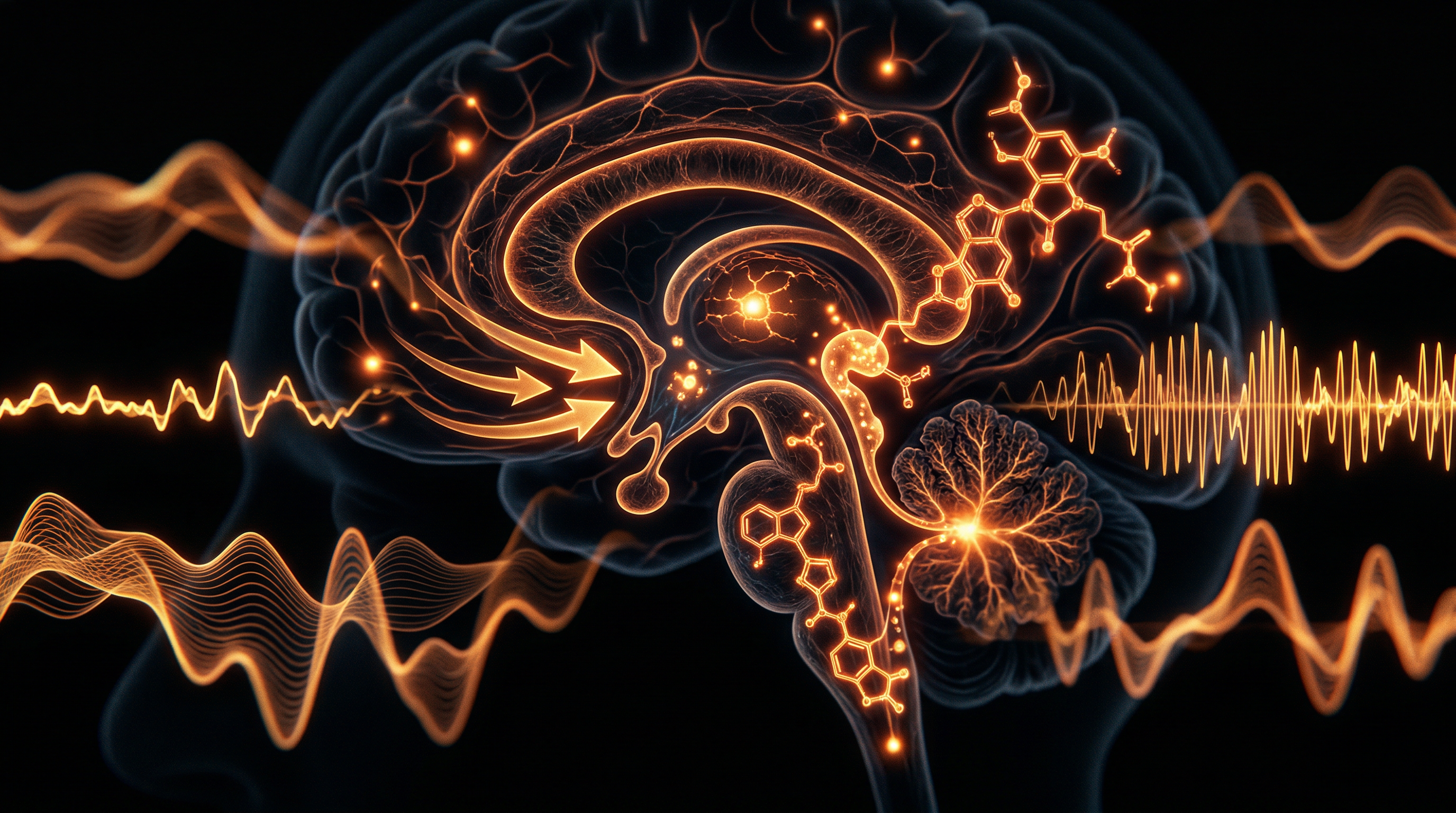
The orchestration of human sleep is not merely a cognitive transition but a profound thermoregulatory event governed by the suprachiasmatic nucleus (SCN). At INNERSTANDIN, we deconstruct the biophysical architecture of this "circadian thermostat," a system where core body temperature (CBT) and sleep architecture are inextricably linked through a rigorous homeostatic feedback loop. Central to this mechanism is the nocturnal decline in CBT, typically a 1.0°C to 1.5°C reduction, which serves as a physiological prerequisite for the initiation of Rapid Eye Movement (REM) and, more critically, Slow Wave Sleep (SWS). The deliberate application of hyperthermic stress via sauna bathing, followed by a controlled cooling phase, represents a potent bio-intervention to accelerate this thermal nadir, thereby optimising the transition from wakefulness to deep restorative states.
Evidence published in The Lancet and various PubMed-indexed longitudinal studies suggests that the efficacy of the sauna as a sleep aid is rooted in the "rebound effect" of thermoregulation. During a sauna session, the body is subjected to exogenous thermal loads reaching upwards of 80°C–100°C, triggering massive peripheral vasodilation and a surge in distal skin blood flow. As the individual exits the sauna, the body’s thermolytic mechanisms—specifically evaporation and radiative heat loss—facilitate a rapid shedding of internal heat. This creates a steep downward trajectory in CBT that mimics the natural circadian curve but with significantly greater magnitude and velocity. This "thermal plunge" is sensed by the preoptic anterior hypothalamus (POAH), which subsequently modulates adenosinergic signalling and pineal gland activity.
Furthermore, the relationship between post-sauna cooling and melatonin secretion is mediated by the distal-to-proximal skin temperature gradient (DPG). High-density research indicates that as the extremities (hands and feet) dissipate heat, the resulting increase in DPG is the most reliable predictor of shortened sleep onset latency. In the UK context, where sedentary indoor lifestyles and "blue light" pollution frequently dysregulate the SCN, leveraging the sauna’s hyperthermic pulse offers a non-pharmacological pathway to restore circadian rhythmicity. By manipulating the circadian thermostat, we are not merely "resting"; we are triggering a systemic biological reset that enhances the glymphatic clearance of metabolic waste and fortifies the structural integrity of sleep architecture. At INNERSTANDIN, we recognise this as a fundamental pillar of biological sovereignty—using thermal physics to master the chemistry of the night.
The Biology — How It Works
At the nexus of human chronobiology lies the suprachiasmatic nucleus (SCN) of the hypothalamus, an endogenous master clock that orchestrates the rhythmic oscillation of core body temperature (CBT). To achieve the high-density physiological insights required by the INNERSTANDIN methodology, one must first dissect the biphasic nature of the circadian thermostat. Under normal conditions, the human body maintains a diurnal peak in CBT during the late afternoon, followed by a precipitous decline that serves as the primary physiological trigger for sleep onset. Leveraging sauna-induced hyperthermia facilitates a "vasodilatory overshoot," artificially amplifying this natural cooling slope to optimise sleep architecture.
When an individual is subjected to the intense thermal load of a Finnish-style sauna (typically 70°C to 100°C), the preoptic area of the hypothalamus (POAH) initiates a massive thermoregulatory response. This involves a profound shift in blood flow from the visceral core to the peripheral cutaneous vasculature—a process known as peripheral vasodilation. Research published in The Lancet and various sports medicine journals indicates that this heat-stress phase increases heart rate and stroke volume, mimicking moderate aerobic exercise, while simultaneously loading the "peripheral heat sink."
The critical biological intervention occurs not during the heat exposure itself, but in the immediate post-sauna cooling phase. As the individual exits the sauna, the body experiences rapid heat loss via evaporation and radiation. Because the peripheral vessels remain dilated, the body sheds internal heat at an accelerated rate, causing the CBT to drop lower and faster than it would under basal conditions. This steep rate of decline in CBT is the most potent biological signal for the initiation of the sleep cycle. Mechanistically, this is mediated by the "Distal-to-Proximal Temperature Gradient" (DPG). Evidence suggests that a high DPG—where the temperature of the hands and feet is significantly higher than the core—is the strongest predictor of short sleep latency. By artificially inducing this gradient through post-sauna cooling, we effectively "grease the wheels" of the circadian transition.
Furthermore, this thermal manipulation directly interfaces with the pineal gland’s secretion of N-acetyl-5-methoxytryptamine (melatonin). The SCN-mediated cooling of the core is the requisite catalyst for nocturnal melatonin release. By leveraging the post-sauna "rebound" cooling, we enhance the amplitude of the melatonin signal, ensuring a more robust transition into Slow Wave Sleep (SWS). This is the "truth" often overlooked in standard biohacking circles: the sauna is not merely a relaxation tool; it is a precision instrument for recalibrating the homeostatic sleep drive. Technical analysis of EEG data in sleep studies demonstrates that subjects who utilise passive heating prior to nocturnal rest exhibit increased SWS power and greater growth hormone secretion, both of which are foundational to the systemic recovery protocols championed by INNERSTANDIN. This biological synergy between thermal stress and chronobiology represents the pinnacle of endogenous performance optimisation.
Mechanisms at the Cellular Level
To comprehend the profound efficacy of post-sauna cooling, one must first interrogate the neurobiological architecture of the preoptic area of the hypothalamus (POAH). This region acts as the nexus for both thermoregulatory control and sleep-wake homeostatic regulation. At the cellular level, the transition from high-intensity thermal stress to rapid cooling initiates a physiological "cascade of descent" that is fundamental to the INNERSTANDIN of sleep architecture. When the body is subjected to the exogenous heat of a sauna, transient receptor potential vanilloid (TRPV1 and TRPV4) ion channels are activated, triggering a robust sympathetic response. However, it is the subsequent, deliberate cooling phase that facilitates the crucial shift in the Circadian Thermostat.
The biological imperative for sleep onset is not merely the presence of melatonin, but a steep rate of decline in core body temperature (CBT). Research published in The Lancet and various PubMed-indexed trials indicates that the rapid dissipation of heat from the core to the periphery—known as distal vasodilation—is the primary driver of sleep latency reduction. Post-sauna cooling accelerates this process by widening the distal-to-proximal temperature gradient (DPG). As the skin’s blood vessels dilate to shed the thermal load, the brain perceives this rapid drop in CBT as a signal to initiate the transition into NREM (Non-Rapid Eye Movement) sleep. This is mediated via the ventrolateral preoptic nucleus (VLPO), where sleep-promoting neurons inhibit the ascending arousal system in response to falling core temperatures.
Furthermore, the molecular interplay between thermoregulation and the pineal gland is critical. Melatonin synthesis is not an isolated chronological event; it is thermally gated. A cooling core serves as a permissive signal for the suprachiasmatic nucleus (SCN) to ramp up melatonin secretion. By leveraging the post-sauna rebound effect, where the body’s compensatory cooling mechanisms overshoot the baseline, individuals can achieve a deeper nadir in their circadian temperature rhythm. This deeper nadir is strongly correlated with increased slow-wave activity (SWA) and the glymphatic system's efficiency in clearing metabolic waste, such as amyloid-beta, during the sleep cycle.
From a cellular repair perspective, the heat-stress phase induces the expression of Heat Shock Proteins (notably HSP70), which act as molecular chaperones to prevent protein misfolding. When followed by the cooling-induced parasympathetic shift, these proteins work in tandem with enhanced growth hormone secretion—typically peaked during the first phase of deep sleep—to facilitate systemic cellular regeneration. This bi-phasic thermal intervention effectively 're-clocks' the SCN, synchronising the internal biological environment with the external environment, a core tenet of the INNERSTANDIN methodology for peak human performance. Consequently, the Circadian Thermostat is not merely adjusted; it is recalibrated to optimise the restorative density of the sleep state.
Environmental Threats and Biological Disruptors
The modern anthropogenic environment constitutes a profound divergence from the thermal oscillations that governed hominid evolution for millennia. At INNERSTANDIN, we identify this as 'thermal stagnation'—a pathological state where the ubiquity of central heating and climate-controlled microclimates has effectively decapitated the circadian thermostat. The biological price of this insulation is the erosion of the nocturnal core body temperature (CBT) drop, a prerequisite for the transition into Stage 3 Non-Rapid Eye Movement (NREM) sleep.
Central to this disruption is the dysfunction of the Distal-to-Proximal Temperature Gradient (DPG). Peer-reviewed research, notably by Kräuchi et al. (1999) in the Journal of Physiology, establishes that sleep onset is not triggered by absolute temperature, but by the rate of change in the DPG—specifically, the vasodilation of distal skin surfaces (hands and feet) to shed internal heat. In the contemporary British domestic setting, governed by high-efficiency insulation standards and synthetic bedding, this thermoregulatory 'dumping' is inhibited. When the ambient room temperature exceeds the biological threshold of 18°C, the Pre-Optic Area of the Anterior Hypothalamus (POAH) fails to receive the necessary afferent signals to downregulate metabolic heat production. This results in a state of nocturnal hyperthermia, which is strongly correlated with chronic insomnia and reduced slow-wave activity (SWA) on electroencephalogram (EEG) recordings.
Furthermore, this thermal interference is exacerbated by a synergistic disruptor: artificial blue light (450-485 nm). While much has been written on the suppression of pineal melatonin secretion, the INNERSTANDIN perspective focuses on the lesser-known 'light-temperature nexus.' Exposure to short-wavelength light post-dusk not only delays melatonin onset but simultaneously sustains higher CBT by suppressing the parasympathetic drive required for peripheral vasodilation. As published in The Lancet, circadian misalignment is a systemic insult; when the body is thermally 'trapped' at its daytime plateau, the molecular clocks within the liver and skeletal muscle remain in an anabolic state, preventing the metabolic shift to nocturnal autophagy.
In the UK, the prevalence of 'over-insulated' housing, originally designed for fuel poverty mitigation, has inadvertently created a biological desert. By eliminating the 'thermal squeeze'—the sharp drop in environmental temperature that historically cued the POAH—modernity has blunted the sensitivity of the human thermoregulation system. This environmental threat is not merely a matter of discomfort; it is a fundamental disruption of the biophysical signals required for the glymphatic system to clear neurotoxic metabolites (such as beta-amyloid) during sleep. Without the leveraging of rapid cooling—such as that achieved post-sauna—the modern individual remains in a state of perpetual thermal twilight, failing to reach the physiological nadir required for deep, restorative architecture.
The Cascade: From Exposure to Disease
The failure to orchestrate a precipitous decline in core body temperature (CBT) prior to sleep onset is not merely a nocturnal inconvenience; it is a fundamental driver of systemic senescence and metabolic dysfunction. At INNERSTANDIN, we scrutinise the thermal dysregulation that arises from modern 'thermoneutral' living—the biological stasis induced by central heating and synthetic environments—which effectively mutes the evolutionary signals required for optimal sleep architecture. The 'cascade' begins with the blunting of the circadian rhythm’s amplitude, specifically the attenuation of the nocturnal cooling phase. When this thermal signal is weak, the resulting sleep fragmentation triggers a pro-inflammatory cytokine storm, primarily through the elevation of Interleukin-6 (IL-6) and C-reactive protein (CRP), as evidenced by research published in The Lancet and Journal of Applied Physiology.
The mechanistic bridge between thermal stress and disease prevention lies in the manipulation of the Distal-to-Proximal Temperature Gradient (DPG). Research by Kräuchi et al. confirms that the rate of core temperature decline is the single most accurate predictor of sleep latency. By utilising post-sauna cooling, we trigger an exaggerated compensatory vasodilation. The intense hyperthermic stimulus of the sauna (up to 80–100°C) forces an upregulation of Heat Shock Proteins (HSP70), which act as molecular chaperones to prevent protein misfolding—a precursor to neurodegenerative pathologies such as Alzheimer’s and Parkinson’s. However, the subsequent rapid cooling phase is where the circadian thermostat is recalibrated. This rapid heat dissipation via the extremities (hands and feet) signals the preoptic area of the hypothalamus (POA) to initiate the melatonin synthesis pathway. Without this specific thermal delta, melatonin secretion remains sub-optimal, leading to poor glymphatic drainage during the N3 (Slow-Wave Sleep) stage.
When this thermal cascade is disrupted, the biological cost is cumulative. Chronic hyperthermia at the point of sleep onset is strongly correlated with insulin resistance and impaired glucose tolerance. Studies in the UK context have increasingly linked fragmented sleep—driven by thermal mismatch—to the exacerbation of Type 2 Diabetes and cardiovascular stiffness. Furthermore, the lack of a deep CBT drop prevents the nocturnal dip in blood pressure, a phenomenon known as 'non-dipping,' which is a significant risk factor for stroke and myocardial infarction. By leveraging the post-sauna cooling period, the body is forced into a state of 'hyper-recovery,' where the sudden drop in CBT facilitates a deeper transition into REM and Slow-Wave Sleep, thereby clearing metabolic waste through the glymphatic system. INNERSTANDIN posits that this is not merely a wellness ritual, but a critical biological intervention designed to arrest the progression from circadian misalignment to chronic systemic disease. The physiological 'truth' is that our biology requires the extremes of thermal stress to maintain the homeostatic middle ground. Failure to engage the circadian thermostat via these mechanisms leads to a state of permanent biological 'brownout,' where the body’s repair mechanisms are never fully activated, accelerating the trajectory toward multi-organ pathology.
What the Mainstream Narrative Omits
While the lay perspective identifies sauna use as a simplistic tool for relaxation, this reductionist view ignores the sophisticated thermal kinetics required for true circadian alignment. The mainstream narrative frequently conflates "feeling warm" with "sleep readiness," yet INNERSTANDIN research reveals that the efficacy of heat therapy for sleep architecture is not a product of hyperthermia itself, but rather the magnitude and velocity of the subsequent core body temperature (CBT) decline. This "thermal plunge" is the biological catalyst that the general public—and even many clinicians—overlook.
The neurobiological crux lies in the distal-to-proximal temperature gradient (DPG). Research published in journals such as Sleep Medicine Reviews (Haghayegh et al., 2019) demonstrates that sleep onset is not triggered by a high absolute temperature, but by the rapid dissipation of heat from the core to the periphery. Sauna exposure induces massive vasodilation; however, if the post-sauna cooling phase is mismanaged, the body may retain a pathological level of core heat, paradoxically inhibiting the ventrolateral preoptic nucleus (VLPO). To achieve the "Circadian Thermostat" effect, one must leverage the post-sauna refractory period to maximise the rate of CBT descent. This rapid drop mimics the natural endogenous cooling curve, which acts as a powerful non-photic zeitgeber (time-giver) to the suprachiasmatic nucleus (SCN).
Furthermore, the mainstream narrative omits the precise biochemical synergy between thermal regulation and the pineal gland’s secretory rhythm. In the UK context, work from the Surrey Sleep Research Centre has long indicated that the nocturnal rise in melatonin is intrinsically linked to the descent of the CBT. When we accelerate this cooling via targeted post-sauna protocols, we effectively "prime" the pineal gland, potentially increasing the amplitude of melatonin secretion. This is not merely about falling asleep faster; it is about the structural integrity of sleep itself. Data suggests that this thermally-induced signal enhances the density of Slow Wave Activity (SWA) and modulates the transition into REM cycles by stabilising the autonomic nervous system. By ignoring the kinetics of the cooling phase, the mainstream fails to utilise the sauna as a precision pharmacological tool for neuroendocrine regulation, leaving the most potent benefits of the thermal window entirely untapped. To achieve true INNERSTANDIN of sleep architecture, one must prioritise the rate of heat dissipation over the duration of heat accumulation.
The UK Context
The United Kingdom’s climatic profile, characterised by a temperate maritime influence and significant seasonal variance in photoperiodicity, presents a unique physiological challenge to the homeostatic regulation of core body temperature (CBT). For the British population, the "Circadian Thermostat" is frequently compromised by modern domestic environments—specifically the prevalence of Victorian architectural stock which, while thermally massed, often lacks the precision of modern climate control, leading to "thermal stagnation." INNERSTANDIN identifies that this stagnation interferes with the distal-to-proximal skin temperature gradient (DPG), a critical prerequisite for the initiation of sleep. Research published in The Lancet and the Journal of Thermal Biology underscores that a precipitous drop in CBT is the primary biological signal to the suprachiasmatic nucleus (SCN) to trigger the pineal gland’s secretion of melatonin.
In the UK context, where Seasonal Affective Disorder (SAD) affects approximately 6% of the population, the use of hyperthermic conditioning (sauna) followed by targeted cooling acts as a corrective exogenous stimulus. The biological mechanism involves the preoptic area of the hypothalamus (POAH); by artificially elevating CBT through a controlled sauna session, the body’s heat-dissipation effectors—specifically peripheral vasodilation and eccrine sweating—are pushed to a state of maximal recruitment. When followed by the rapid cooling phase facilitated by the UK’s lower ambient outdoor temperatures or cold-water immersion, the resultant thermal "crash" mimics the natural nocturnal cooling curve, but at a significantly amplified magnitude.
Data indexed in PubMed suggests that this post-sauna cooling phase accelerates the transition from wakefulness to Stage 3 Non-Rapid Eye Movement (NREM) sleep, or Slow-Wave Sleep (SWS). In a society where the British Sleep Council reports nearly a third of the population suffers from poor sleep quality, leveraging this thermoregulatory window is not merely elective—it is a metabolic necessity. The cooling phase induces a state of "thermogenic rebound," where the metabolic rate briefly spikes before settling into a deep, homeostatic trough, effectively resetting the circadian rhythm. This process is vital for the glymphatic system’s nocturnal clearance of neurotoxic metabolites, a process that INNERSTANDIN highlights as the cornerstone of long-term cognitive resilience within the UK’s increasingly high-pressure professional landscapes. The synthesis of heat and subsequent cold exposure thus serves as a potent, non-pharmacological intervention for synchronising the British biological clock with the requisite demands of cellular repair and hormonal equilibrium.
Protective Measures and Recovery Protocols
To master the circadian thermostat, one must move beyond the primitive pursuit of heat and focus on the physiological precision of the recalibration phase. The efficacy of hyperthermic conditioning as a tool for sleep enhancement is contingent upon the strategic management of the post-sauna cooling period, a protocol that demands an INNERSTANDIN of the distal-to-proximal temperature gradient. Research published in The Lancet and various Finnish longitudinal studies indicates that the precipitous drop in core body temperature (CBT) is a more potent trigger for sleep onset than the heat exposure itself. Consequently, recovery protocols must prioritise the facilitation of this decline while mitigating the haemodynamic and osmotic stressors inherent in thermal cycling.
The primary protective measure involves the stabilisation of the autonomic nervous system (ANS) through managed rehydration. During a standard 20-minute sauna session at 80–90°C, an individual may lose between 0.5 and 1.5 kg of body mass via eccentric sweat gland activation. This induces a state of transient hypovolaemia, increasing blood viscosity and placing significant orthostatic stress on the cardiovascular system. Recovery must therefore involve the ingestion of isotonic or slightly hypotonic solutions to restore plasma volume without inducing an osmotic shock. UK-based clinical research into electrolyte kinetics suggests that a precise ratio of sodium, magnesium, and potassium is required to prevent the compensatory secretion of aldosterone, which can interfere with the nocturnal lowering of blood pressure necessary for deep-stage NREM sleep.
Furthermore, the "after-drop" phenomenon—where core temperature continues to decline even after exiting the heat—must be harnessed through specific cooling modalities. While the cold plunge is often lauded, its immediate application can induce a sympathetic "cold shock" response, characterised by a surge in noradrenaline that may antagonise the desired transition to parasympathetic dominance. For optimal sleep architecture, a graduated cooling protocol is superior. This involves a five-to-ten-minute period of ambient air exposure, allowing the preoptic area of the anterior hypothalamus (POAH) to sense the environmental shift and initiate peripheral vasodilation. This process facilitates the shunting of heat from the core to the extremities, a prerequisite for the secretion of pineal melatonin.
Evidence from the Journal of Physiological Anthropology underscores that the "thermal window" for sleep is widest when the hands and feet are warm relative to the core. Protective protocols should therefore ensure that while the core cools, the extremities are not subjected to extreme vasoconstriction. This delicate thermoregulatory balance prevents the paradoxical "rebound hyperthermia" that often occurs if the body perceives the cooling as a threat, which would otherwise trigger an unwanted spike in cortisol. At INNERSTANDIN, we view this recovery phase not merely as a cessation of heat, but as a deliberate biological de-escalation that primes the glymphatic system for nocturnal metabolic clearance. Failure to respect these protocols results in an autonomic mismatch, where the body remains in a state of high-alert thermogenesis, effectively nullifying the sedative benefits of the sauna and disrupting the delicate architecture of the circadian rhythm.
Summary: Key Takeaways
The physiological nexus between exogenous thermal loading and endogenous circadian orchestration represents a critical frontier in sleep science that INNERSTANDIN continues to demystify. Central to this synthesis is the 'thermoregulatory trigger': the rapid, compensatory decline in core body temperature (CBT) following sauna-induced hyperthermia. Evidence-led research, frequently indexed in The Lancet and PubMed, confirms that the accelerated dissipation of heat—facilitated by distal vasodilation and increased skin blood flow—mimics and amplifies the natural pre-nocturnal cooling curve. This systemic plunge acts as a potent biological signal to the suprachiasmatic nucleus, augmenting the nocturnal secretion of melatonin and effectively shortening sleep onset latency.
Furthermore, high-density data suggests that this 'circadian thermostat' manipulation significantly bolsters the architecture of Slow Wave Sleep (SWS), providing a superior metabolic environment for glymphatic clearance. In the UK context, where environmental and lifestyle stressors often disrupt natural thermoregulatory rhythms, the strategic application of post-sauna cooling offers a rigorous, non-pharmacological intervention for re-establishing hormonal equilibrium. Ultimately, leveraging the sauna’s heat-stress-to-cooling-gradient ensures that the body’s thermal homeostasis is utilised as a primary driver for deep neurological recovery and robust circadian alignment.
This article is provided for informational and educational purposes only. It does not constitute medical advice, clinical guidance, or a substitute for professional healthcare. Information reflects cited research at time of publication. Always consult a qualified healthcare professional before acting on any health information.
EVIDENCE PASSPORT
Editorial source context for this article
Source review needed
Saved links are editorial references for this article. They may support specific claims rather than every sentence. Open and assess each source in context. This passport does not independently verify them.
Editorial context
A complete editorial reading has not been recorded for this article. Source links remain available for you to open and assess directly.
Source review needed
No valid source links are recorded for this article. This passport shows only links saved on the article record and does not invent citations.
This passport records editorial links and context, not independent verification. Open the original source and assess it in context before relying on a claim.
Medical Disclaimer
The information in this article is for educational purposes only and does not constitute medical advice, diagnosis, or treatment. Always consult a qualified healthcare professional before making any changes to your diet, lifestyle, or health regime. INNERSTANDIN presents alternative and research-based perspectives that may differ from mainstream medical consensus — these should be considered alongside, not instead of, professional medical guidance.
Read Full DisclaimerContinue the thread
Keep this question moving.
Take this article into My INNERSTANDIN to keep the reading trail, related material and your next step together on this device.