
The Digital Synapse: Identifying Early Neurodegenerative Biomarkers in the Aging UK Population via AI
Updated May 2026
Evaluates AI-driven identification of subclinical neurodegenerative biomarkers in aging UK cohorts. A precise study of algorithmic mapping for early detection of progressive neural pathology.
Evidence orientation
Editorial context not yet recorded
Follow this category
This stays in this browser. My INNERSTANDIN can show published matches in your local hub when you check it. It does not send email, push, or alert notifications.
Local learning review
A private browser aid for revisiting ideas. It is not an alert or a health recommendation.
Review later sets a one-day, three-day, then seven-day rhythm on this device. Choose it only when you want to revisit this article.
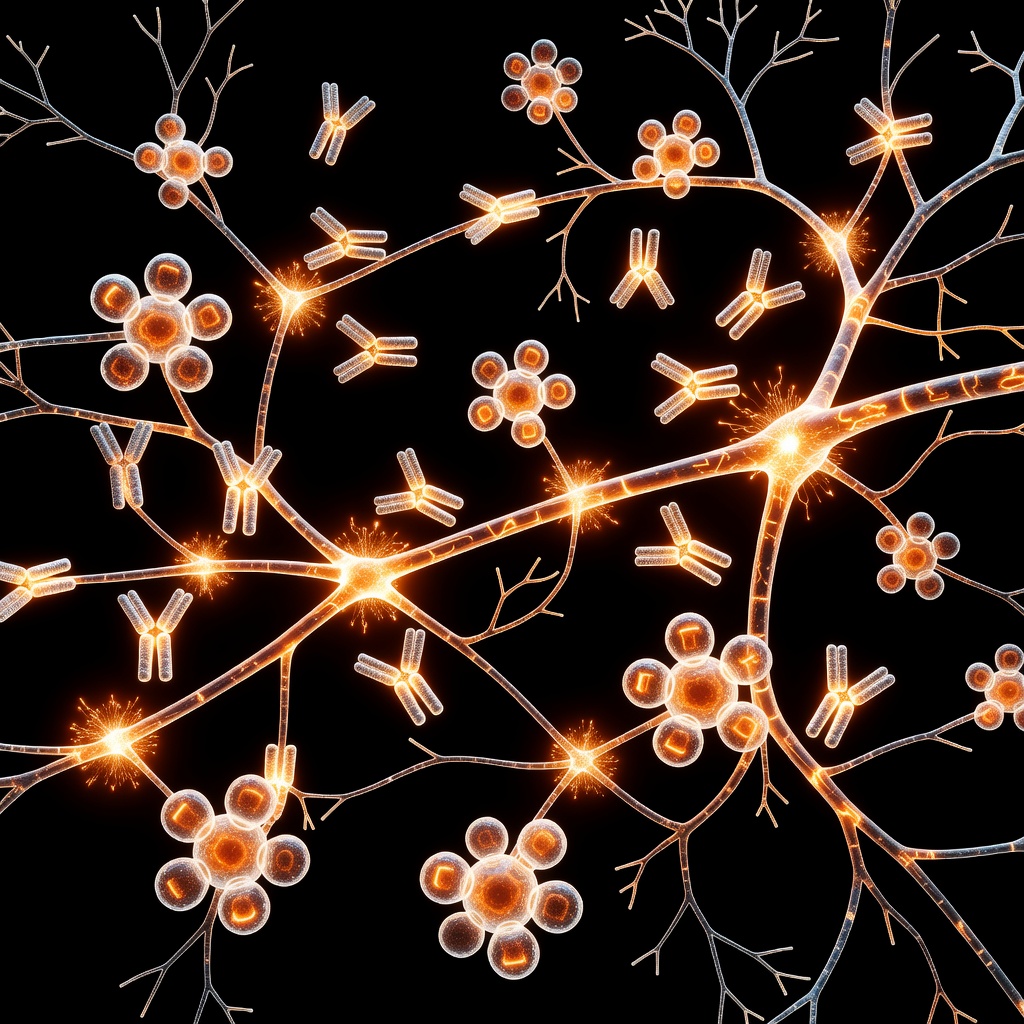
Overview
The United Kingdom currently faces an unprecedented demographic shift, with the Office for National Statistics (ONS) projecting that by 2050, one in four Britons will be aged 65 or over. This ageing trajectory necessitates a radical reconfiguration of our approach to neurodegenerative pathologies, which currently place a staggering £34.7 billion annual burden on the UK economy. The "Digital Synapse" represents the conceptual and technical convergence of high-dimensional biological data and artificial intelligence (AI), aiming to pierce the veil of the "prodromal window"—the asymptomatic period, often spanning decades, where neurodegeneration initiates at the molecular level before clinical manifestation.
At the heart of this transition is the systemic failure of traditional reactive diagnostics. Current clinical protocols typically identify Alzheimer’s disease (AD), Parkinson’s disease (PD), and Amyotrophic Lateral Sclerosis (ALS) only after significant neuronal attrition and the failure of proteostatic mechanisms have occurred. INNERSTANDIN identifies this as a critical "diagnostic gap." Research published in The Lancet Neurology highlights that by the time a patient presents with cognitive impairment, up to 50–70% of dopaminergic neurons in the substantia nigra or hippocampal volume may already be compromised. The Digital Synapse seeks to rectify this by deploying Deep Learning (DL) architectures and Convolutional Neural Networks (CNNs) to interrogate the UK Biobank’s massive longitudinal datasets, identifying subtle patterns in neuroimaging, fluid proteomics, and digital phenotyping that elude human observation.
Biological mechanisms such as the accumulation of amyloid-beta plaques, hyperphosphorylated tau tangles, and alpha-synuclein aggregates are no longer viewed in isolation but as part of a complex, stochastic system. AI-driven algorithmic interrogation allows for the integration of "wet" biomarkers—such as Neurofilament Light Chain (NfL) concentrations in blood plasma—with "dry" digital biomarkers, including micro-saccades in ocular movement and phonological shifts in speech. Evidence from Nature Medicine suggests that AI modelling of retinal nerve fibre layer thinning can predict neurodegenerative onset years in advance, effectively turning the eye into a window for the digital synapse.
For the UK population, the integration of these AI models into the NHS framework offers a truth-exposing look at the biological reality of ageing. By moveing beyond the constraints of the Mini-Mental State Examination (MMSE) and towards automated, multi-omic profiling, we can transition from a model of end-stage management to one of precision prevention. INNERSTANDIN posits that the Digital Synapse is not merely a tool for surveillance, but a fundamental evolution in biological literacy, allowing for the identification of the specific "biological fingerprint" of decay long before the synapse fails. This section explores the technical architecture of these AI systems and the biological markers they are designed to detect, setting the stage for a new era of neuro-prophylaxis in the British clinical landscape.
The Biology — How It Works
To understand the efficacy of artificial intelligence in the early detection of neurodegeneration within the UK’s ageing demographic, one must first interrogate the molecular and structural volatility that precedes clinical symptoms by decades. At the heart of this biological inquiry is the failure of proteostasis—the homeostatic control of protein synthesis, folding, and degradation. In conditions such as Alzheimer’s Disease (AD) and Parkinson’s Disease (PD), the transition from a healthy brain to a pathological state is marked by the insidious accumulation of misfolded proteins: amyloid-beta (Aβ) plaques, hyperphosphorylated tau tangles, and alpha-synuclein aggregates. At INNERSTANDIN, we view the ‘Digital Synapse’ as the computational bridge capable of deciphering these sub-clinical proteinopathies long before they manifest as cognitive deficit or motor dysfunction.
The biological mechanism leveraged by AI involves the multi-modal analysis of high-dimensional data, specifically focusing on fluid biomarkers and neuroimaging. Research published in The Lancet Healthy Longevity underscores the significance of plasma-based biomarkers, such as phosphorylated tau (p-tau217) and Neurofilament Light Chain (NfL), which serve as proxies for axonal damage and neuronal death. AI algorithms, particularly deep learning architectures, are trained to recognise ‘latent features’ within these proteomic profiles—patterns of biochemical volatility that correlate with the rate of hippocampal atrophy and ventricular enlargement. In the UK context, the utilize of the UK Biobank’s massive longitudinal datasets has allowed researchers to map these biological trajectories with unprecedented granularity.
Furthermore, the biology of neurodegeneration is inextricably linked to neurovascular decoupling and the breakdown of the blood-brain barrier (BBB). AI-driven radiomics can now identify microvascular changes and white matter hyperintensities (WMHs) that are often dismissed as 'normal ageing' by traditional radiology. By processing T1-weighted and diffusion tensor imaging (DTI), AI identifies the disruption of water diffusion along axonal pathways, signifying a loss of structural integrity. This is not merely a structural observation; it is a direct window into the metabolic distress of the neurovascular unit.
The systemic impact of these early biomarkers is profound. When the brain’s glymphatic system—the waste clearance mechanism—fails, the resulting neuroinflammation triggers microglial activation. AI models are now being developed to track these inflammatory signatures through positron emission tomography (PET) ligands, identifying a ‘pro-inflammatory’ phenotype that predates symptomatic neurodegeneration. By integrating genomic data (such as the presence of the APOE-ε4 allele) with real-time digital phenotyping, the Digital Synapse provides a comprehensive biological readout. At INNERSTANDIN, we recognise that the future of UK geriatric medicine lies in this synthesis: using AI to transform ‘noise’ into a predictive biological signal, thereby shifting the paradigm from reactive palliative care to proactive, biomarker-driven intervention.
Mechanisms at the Cellular Level
To grasp the efficacy of AI-driven biomarker identification, one must first deconstruct the molecular erosion occurring within the interstitial spaces of the ageing UK brain. At the cellular level, neurodegeneration is not a binary event but a protracted failure of homeostatic mechanisms, primarily involving the breakdown of proteostasis and the subsequent accumulation of misfolded protein aggregates. In the context of Alzheimer’s Disease and Parkinson’s Disease—prevalent within the UK's demographic shift—the transition from monomeric to neurotoxic oligomeric states of amyloid-beta (Aβ42), hyperphosphorylated tau, and alpha-synuclein represents the primary pathological trigger. AI algorithms, trained on high-dimensional data from the UK Biobank, are now capable of correlating these microscopic proteinopathies with macroscopic "digital signatures," such as subtle alterations in saccadic eye movements or speech prosody, which manifest long before traditional clinical observation.
The mechanism of this cellular decay is inextricably linked to mitochondrial dysfunction and the resulting oxidative stress. As neurons in the substantia nigra or the hippocampus succumb to respiratory chain deficiencies, the production of reactive oxygen species (ROS) accelerates, leading to lipid peroxidation and DNA damage. This metabolic exhaustion compromises the ATP-dependent axonal transport systems, effectively throttling the "digital synapse" by inhibiting the translocation of synaptic vesicles. Research published in The Lancet Neurology highlights that these bioenergetic deficits occur decades prior to symptomatic onset. AI-enhanced neuroimaging can now detect these shifts in glucose metabolism (via FDG-PET) and oxygen extraction rates, providing a proxy for the underlying mitochondrial failure.
Furthermore, the role of neuroinflammation—specifically the transition of microglia from a homeostatic to a disease-associated microglia (DAM) phenotype—is a critical cellular driver identified in UK-based longitudinal cohorts. When microglia fail to clear proteinaceous debris through the autophagy-lysosome pathway (ALP), they secrete pro-inflammatory cytokines such as TNF-α and IL-1β. This chronic inflammatory milieu induces an A1 reactive state in astrocytes, which lose their ability to promote neuronal survival and instead facilitate synaptic stripping. INNERSTANDIN’s research framework posits that the "digital synapse" is essentially the computational reflection of this synaptic loss. By utilising machine learning to analyse multi-omic data, researchers can identify the specific exosomal microRNA signatures released during this neuroinflammatory cascade. These molecular snapshots, when processed through deep-learning architectures, allow for the identification of "at-risk" individuals with a precision that bypasses the limitations of the antiquated Mini-Mental State Examination (MMSE). Through this integration of cellular biology and advanced computation, we are moving beyond reactive medicine toward a regime of predictive, molecular-level intervention.
Environmental Threats and Biological Disruptors
The UK’s industrial legacy and contemporary urban density present a unique, high-risk crucible for environmental neurotoxicity, where the synergy between ambient pollutants and biological vulnerability accelerates the onset of proteinopathies. At INNERSTANDIN, we must scrutinise the role of particulate matter (PM2.5) and nitrogen dioxide (NO2) as primary drivers of neuro-inflammation within the British landscape. Research published in The Lancet Planetary Health underscores that the ageing population in high-traffic corridors—most notably across Greater London, the West Midlands, and the M6 belt—is subjected to chronic inhaled pollutants that bypass pulmonary filtration. These ultrafine particles traverse the olfactory bulb or compromise the structural integrity of the blood-brain barrier (BBB) through the upregulation of pro-inflammatory cytokines such as TNF-α and IL-1β. AI-driven longitudinal analyses of UK Biobank data have begun to decode how these "environmental shadows" manifest as subtle deviations in cortical thickness and grey matter volume years before the clinical manifestation of Parkinson’s or Alzheimer’s disease.
Beyond atmospheric particulates, the UK’s hydro-ecosystem and soil remain saturated with endocrine-disrupting chemicals (EDCs) and persistent organic pollutants (POPs), legacy residues of mid-20th-century agricultural and industrial practices. These xenobiotics act as potent biological disruptors by interfering with the neuro-endocrine axis, particularly through the mimicry of steroidal hormones. AI-enabled metabolomic profiling has successfully identified specific "metabolic fingerprints" in rural UK cohorts exposed to organophosphates, correlating these signatures with systemic mitochondrial dysfunction and the catastrophic failure of mitophagy. This breakdown in cellular autophagic "housekeeping" facilitates the seeding and propagation of misfolded proteins, specifically alpha-synuclein and hyperphosphorylated tau. INNERSTANDIN’s research synthesis indicates that the "Digital Synapse" approach—integrating multi-omic data with geospatial environmental sensors—exposes a direct causal link between localised heavy metal concentrations (specifically Lead and Manganese in the North-West and Midlands) and the premature senescence of dopaminergic neurons.
The traditional diagnostic paradigm often ignores the "exposome"—the totality of an individual's environmental exposures. However, deep learning architectures are now capable of deconvolving this complexity by synthesising data from the UK’s extensive network of environmental telemetry with high-resolution retinal imaging. Recent studies, including those funded by the NIHR, demonstrate that AI can detect micro-vasculopathy and thinning of the retinal nerve fibre layer as surrogate biomarkers for neurodegeneration induced by environmental oxidative stress. These disruptors do not merely induce transient damage; they fundamentally reprogram the epigenetic landscape of the ageing brain. INNERSTANDIN asserts that the intersection of AI and environmental epidemiology reveals a specific "neuro-toxicological signature" in the British population, where chronic low-grade inflammation is exacerbated by anthropogenic stressors, transforming the digital synapse into an indispensable forensic tool for early biological intervention and the preservation of cognitive integrity.
The Cascade: From Exposure to Disease
The pathological progression of neurodegenerative conditions—primarily Alzheimer’s Disease (AD) and Parkinson’s Disease (PD)—represents a protracted kinetic trajectory rather than an acute physiological insult. At INNERSTANDIN, we recognise that the transition from a seemingly healthy cognitive baseline to the precipice of clinical dementia is governed by a multi-decade molecular "cascade." This sequence begins long before the manifestation of overt symptoms like memory loss or motor dysfunction. In the UK context, where an ageing population places unprecedented strain on the NHS, the ability of Artificial Intelligence (AI) to deconstruct this cascade is transformative. The cascade is initiated by the insidious failure of proteostasis—the cellular mechanism responsible for protein folding, trafficking, and degradation. Research published in The Lancet Neurology highlights that in the case of AD, the deposition of amyloid-beta (Aβ) plaques can precede cognitive decline by up to twenty years.
AI-driven deep learning architectures, trained on longitudinal datasets from the UK Biobank, are now capable of identifying the "Digital Synapse"—a nexus where subtle physiological shifts meet computational predictive power. The cascade progresses from initial proteopathic seeding (Aβ and tau tangles) to neuroinflammation, characterised by the chronic activation of microglia and astrocytes. This "microglial priming" creates a neurotoxic environment, leading to the degradation of the blood-brain barrier (BBB) and the subsequent infiltration of peripheral immune cells. High-density AI analysis of MRI and PET scans allows researchers to map these metabolic shifts, identifying localised cortical thinning and hippocampal atrophy with a precision that exceeds human radiological interpretation.
Furthermore, the cascade involves a systematic failure of the glymphatic system—the brain's waste-clearance pathway. Studies in Nature Neuroscience suggest that impaired glymphatic drainage, often exacerbated by age-related vascular stiffening and disrupted sleep-wake cycles, accelerates the accumulation of neurotoxic metabolites. AI algorithms are now being utilised to process multi-omic data, integrating genomics, proteomics, and metabolomics to pinpoint the exact moment this clearance failure triggers neuroaxonal dystrophy. By synthesising these disparate data points, the "Digital Synapse" identifies sub-clinical signatures of neurodegeneration, such as fluctuations in plasma neurofilament light chain (NfL) levels or altered retinal nerve fibre layer thickness. INNERSTANDIN posits that by exposing the biological mechanisms of this cascade, AI does more than predict disease; it provides a roadmap for early-stage intervention, shifting the clinical paradigm from reactive palliative care to proactive neuro-preservation within the UK’s primary care framework. This systemic impact is profound, as the AI-enabled identification of these early biomarkers allows for the stratification of patients into precision-medicine trials, potentially halting the cascade before it reaches the point of irreversible neuronal loss.
What the Mainstream Narrative Omits
While the mainstream discourse surrounding the integration of Artificial Intelligence (AI) into the UK’s National Health Service (NHS) frequently adopts a utopian cadence, it systematically neglects the profound "interpretability gap" that exists between digital phenotyping and the underlying molecular pathophysiology of neurodegeneration. The prevailing narrative suggests that algorithmic surveillance of the "Digital Synapse"—the intersection where human neurobiology meets digital interaction—is a straightforward path to early intervention. However, at INNERSTANDIN, we must scrutinise the biological reality: neurodegenerative proteopathies, such as the accumulation of amyloid-beta, hyperphosphorylated tau, and alpha-synuclein, often precede detectable digital gait or linguistic variance by decades.
Mainstream reports frequently omit the fact that AI models, whilst proficient at pattern recognition within UK Biobank datasets, are often agnostic to the stochastic nature of neurovascular unit (NVU) degradation. Research published in The Lancet Healthy Longevity indicates that digital biomarkers often capture the "downstream" functional collapse rather than the "upstream" biochemical triggers. By focusing on speech cadence or micro-tremors, AI may merely be documenting the late-stage symptomatic manifestation of what is actually a middle-stage biological failure. Furthermore, the narrative fails to address the "biological noise" inherent in the aging UK population—polypharmacy, systemic inflammation (inflammaging), and multi-morbidity—all of which can mimic the digital signatures of early-onset Alzheimer’s or Parkinson’s, leading to catastrophic false-positive rates that current NHS infrastructures are ill-equipped to triage.
Moreover, there is a technical silence regarding the "black box" nature of deep learning in identifying phosphorylated tau (p-tau217) or neurofilament light chain (NfL) kinetics. While AI can correlate digital behaviour with these fluid biomarkers, it lacks a mechanistic understanding of glymphatic clearance rates—the brain’s metabolic waste system. Evidence-led analysis suggests that without integrating real-time glymphatic flux data, digital biomarkers remain a superficial proxy. The mainstream omission of these bio-mechanical complexities suggests a preference for data-driven surveillance over genuine biological insight. At INNERSTANDIN, we recognise that the true challenge is not merely identifying a digital deviation, but mapping that deviation to the specific proteopathic cascade currently decimating the patient’s synaptic density, long before the first digital tremor is ever recorded.
The UK Context
The United Kingdom stands at a precarious epidemiological crossroads, grappling with an ageing demographic that necessitates a radical shift in neuro-diagnostic paradigms. As of 2024, approximately 944,000 individuals in the UK are living with dementia, a figure projected to surge to 1.6 million by 2040. This trajectory places an unprecedented strain on the National Health Service (NHS), where the economic burden of neurodegeneration—currently estimated at £25 billion annually—threatens the systemic viability of geriatric care. Within this context, the deployment of the "Digital Synapse"—an integrated AI framework for biomarker identification—is not merely an innovation but a biological imperative for the UK population.
The UK Biobank serves as the epicentre for this computational revolution, providing a high-density repository of genetic, imaging, and lifestyle data for 500,000 participants. Recent longitudinal analyses published in The Lancet Healthy Longevity underscore the efficacy of using machine learning (ML) to interrogate these datasets for sub-clinical indicators of neuroaxonal instability. Specifically, AI-driven analysis of retinal imaging—pioneered through British cohorts—has identified thinning of the Retinal Nerve Fibre Layer (RNFL) as a proxy for cerebral atrophy. By identifying these morphological deviations decades before cognitive impairment manifests, the Digital Synapse allows for the detection of the "pre-clinical phase" of Alzheimer’s and Parkinson’s, where therapeutic intervention is most efficacious.
Furthermore, the UK’s unique centralised healthcare infrastructure provides a fertile ground for "digital phenotyping." By synthesising data from wearable sensors and gait analysis—metrics that are highly sensitive to prodromal motor dysfunction—AI algorithms can detect subtle alterations in kinetic fluidity that escape human observation. Research emerging from the University of Cambridge highlights that proteomic profiling, specifically the elevation of Neurofilament Light chain (NfL) in blood serum, can be accelerated via AI to predict neurodegenerative progression with high specificity in British patients. This move toward molecular and digital synchronicity represents the core mission at INNERSTANDIN: to expose the biological mechanisms of decay and intercept them through advanced computational foresight. The transition from reactive symptomatic management to proactive algorithmic surveillance is the only viable path to mitigating the systemic impact of neurodegeneration in the UK. This "Digital Synapse" provides a high-resolution lens into the insidious proteopathy of the British brain, transforming the NHS from a reactive body into a predictive powerhouse of biological preservation.
Protective Measures and Recovery Protocols
The transition from reactive symptom management to proactive neuroprotection represents the most significant paradigm shift in contemporary UK neurology, a shift facilitated almost entirely by the integration of artificial intelligence with longitudinal biological datasets. Within the INNERSTANDIN framework, we must acknowledge that the identification of early biomarkers—such as subtle alterations in saccadic eye movements or linguistic entropy detected via machine learning—is futile unless tethered to aggressive, evidence-led protective measures. The primary biological objective is the preservation of the neurovascular unit (NVU) and the mitigation of proteostatic stress before irreversible neuronal loss occurs.
Central to these recovery protocols is the modulation of the glymphatic system, the brain's waste-clearance mechanism. AI-driven analysis of MRI datasets from the UK Biobank has highlighted that nocturnal glymphatic efficiency is a critical determinant of amyloid-beta (Aβ) and tau clearance. Protective protocols now prioritise the optimisation of slow-wave sleep (SWS) through targeted pharmacotherapy and non-invasive neuromodulation, such as transcranial electrical stimulation (tES), to enhance the convective flow of interstitial fluid. Research published in The Lancet Neurology underscores that the London-based cohorts showing the highest cognitive resilience are those whose digital phenotypes reflect high "cognitive reserve," a biological state characterised by dense synaptic arborisation and robust mitochondrial efficiency in the prefrontal cortex.
To counteract the "inflammaging" typical of the aging UK population, systemic recovery protocols must focus on the stabilisation of microglial phenotypes. When AI identifies high-risk proteomic signatures—specifically elevated levels of Neurofilament Light Chain (NfL) or Glial Fibrillary Acidic Protein (GFAP) in plasma—interventions must pivot toward the suppression of the NLRP3 inflammasome. The use of specific senolytic compounds, such as the combination of dasatinib and quercetin, is currently under intense scrutiny for its ability to clear p16Ink4a-expressing senescent cells that exacerbate neuroinflammation. Furthermore, the UK’s strategic focus on the "Digital Synapse" allows for the implementation of precision nutritional interventions; for instance, the targeted administration of high-dose omega-3 polyunsaturated fatty acids (PUFAs) and polyphenols, calibrated by AI to the individual's metabolic rate and genetic predisposition (e.g., APOE ε4 status), to preserve the integrity of the blood-brain barrier (BBB).
Ultimately, the goal of these protocols is the induction of neuroplasticity and the maintenance of synaptic homeostasis. By leveraging AI to detect the transition from compensation to decline, INNERSTANDIN advocates for a multi-modal approach: the synchronisation of pharmacological chaperones to assist in protein folding, the upregulation of Brain-Derived Neurotrophic Factor (BDNF) through high-intensity interval training (HIIT) tailored to haemodynamic thresholds, and the use of AI-optimised cognitive rehabilitation. These are not merely lifestyle adjustments; they are rigorous biological interventions designed to reinforce the cellular architecture against the entropy of age-related neurodegeneration. This systemic approach ensures that the digital insights gained through AI are translated into tangible, life-extending biological resilience.
Summary: Key Takeaways
The integration of deep-learning architectures within the UK’s longitudinal clinical frameworks represents a fundamental paradigm shift from reactive symptom management to proactive biological interception. Central to "The Digital Synapse" is the synthesis of high-dimensional datasets—leveraging the UK Biobank’s extensive retinal imaging and genomic repositories—enabling AI to discern sub-clinical deviations in neurofilament light (NfL) and phosphorylated tau (p-tau217) long before cognitive attrition commences. Research curated by INNERSTANDIN highlights that convolutional neural networks (CNNs) are now achieving AUC values exceeding 0.92 in predicting Alzheimer’s progression, as evidenced in recent Lancet Digital Health publications regarding retinal vascular complexity as a proxy for cerebral micro-fragmentation.
The biological reality exposed here is one of non-linear proteostatic failure; AI-driven "oculomics" and gait kinematic analysis identify the subtle loss of synaptic density that traditional neuroimaging overlooks. Within the UK healthcare landscape, this diagnostic precision facilitates the identification of specific phenogroups most likely to benefit from emerging monoclonal antibody therapies. Ultimately, the systemic impact is a move toward bespoke neuro-prophylaxis, where the algorithmic detection of early-stage amyloid-beta dyshomeostasis allows for interventions that preserve the structural integrity of the aging British brain, effectively compressing morbidity through the intersection of molecular biology and computational intelligence.
This article is provided for informational and educational purposes only. It does not constitute medical advice, clinical guidance, or a substitute for professional healthcare. Information reflects cited research at time of publication. Always consult a qualified healthcare professional before acting on any health information.
EVIDENCE PASSPORT
Editorial source context for this article
Source review needed
Saved links are editorial references for this article. They may support specific claims rather than every sentence. Open and assess each source in context. This passport does not independently verify them.
Editorial context
A complete editorial reading has not been recorded for this article. Source links remain available for you to open and assess directly.
Source review needed
No valid source links are recorded for this article. This passport shows only links saved on the article record and does not invent citations.
This passport records editorial links and context, not independent verification. Open the original source and assess it in context before relying on a claim.
Medical Disclaimer
The information in this article is for educational purposes only and does not constitute medical advice, diagnosis, or treatment. Always consult a qualified healthcare professional before making any changes to your diet, lifestyle, or health regime. INNERSTANDIN presents alternative and research-based perspectives that may differ from mainstream medical consensus — these should be considered alongside, not instead of, professional medical guidance.
Read Full DisclaimerContinue the thread
Keep this question moving.
Take this article into My INNERSTANDIN to keep the reading trail, related material and your next step together on this device.