
The Glymphatic System: Uncovering the Brain's Essential Waste Management Network
Updated April 2026
Evidence orientation
Editorial context not yet recorded
Follow this category
This stays in this browser. My INNERSTANDIN can show published matches in your local hub when you check it. It does not send email, push, or alert notifications.
Local learning review
A private browser aid for revisiting ideas. It is not an alert or a health recommendation.
Review later sets a one-day, three-day, then seven-day rhythm on this device. Choose it only when you want to revisit this article.
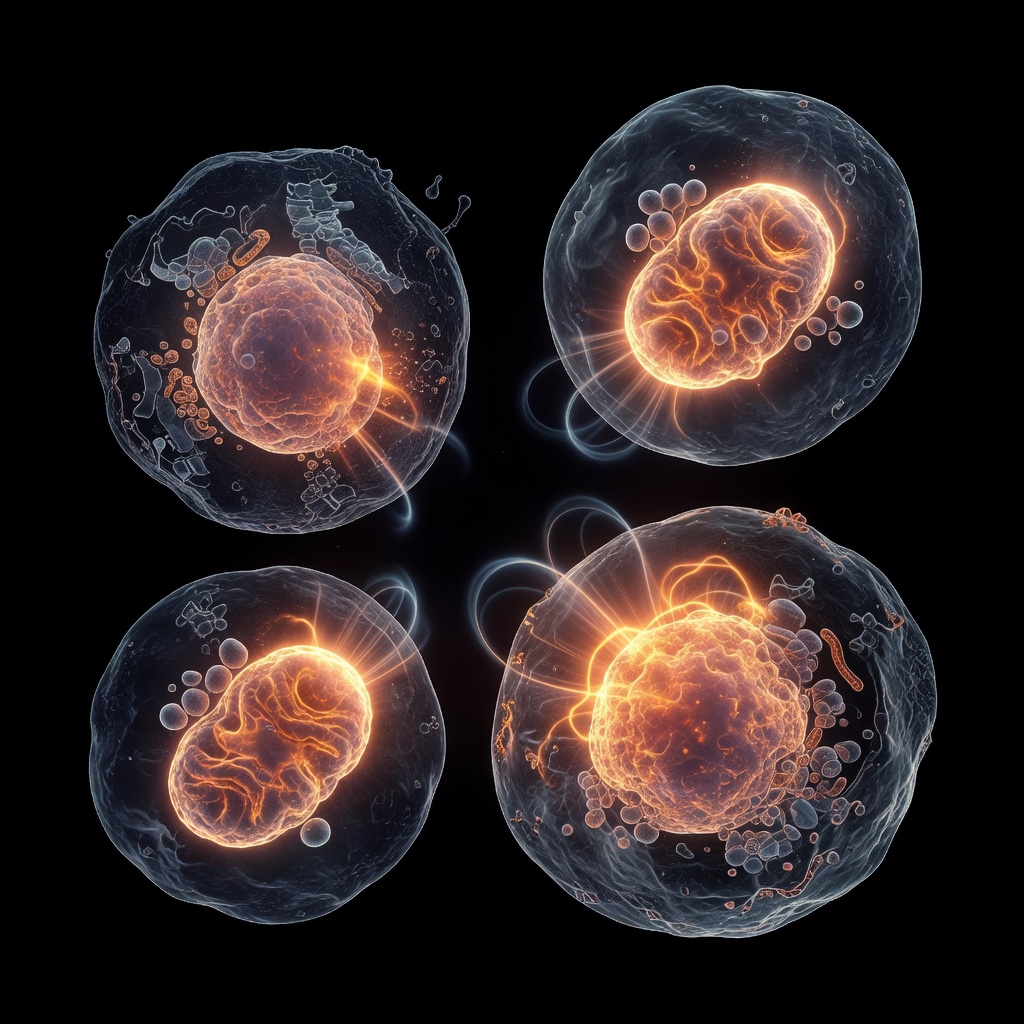
For decades, the medical establishment operated under a profound misconception. It was long believed that the brain—the most metabolically active organ in the human body—was somehow exempt from the traditional rules of waste disposal. While the rest of the body utilised the lymphatic system to drain toxins and cellular debris, the brain appeared to be a closed circuit, seemingly devoid of such 'plumbing'.
It was not until 2012 that researchers at the University of Rochester, led by Dr Maiken Nedergaard, identified the glymphatic system. This discovery has fundamentally shifted our understanding of neurology, cognitive health, and the biological necessity of sleep. This is not merely an academic footnote; it is a revelation that exposes the root cause of the modern neurodegeneration epidemic.
The Biological Mechanisms: How the Brain Flushes Itself
The term 'glymphatic' is a portmanteau of glial cells (the brain's support cells) and the lymphatic system. To understand its function, one must visualise the brain as a complex urban centre. During the day, the 'city' is bustling with electrical activity, generating significant amounts of metabolic waste. If this waste is not removed, the city eventually grinds to a halt under the weight of its own refuse.
The Role of Astrocytes and AQP4
The glymphatic system is a macroscopic waste clearance system that utilises perivascular channels, formed by astrocytes. These star-shaped glial cells possess specialised 'end-feet' that wrap around the brain’s blood vessels. These end-feet are densely packed with Aquaporin-4 (AQP4) water channels.
Key Fact: The glymphatic system acts as a high-pressure hydraulic flush, moving Cerebrospinal Fluid (CSF) through the brain tissue to clear out toxic proteins such as Beta-amyloid and Tau.
Unlike the peripheral lymphatic system, which moves fluid via slow, passive drainage, the glymphatic system is a highly active, pressurised network. It facilitates the exchange between CSF and interstitial fluid (ISF), effectively bathing the brain’s neurons and washing away the chemical by-products of daily thought and consciousness.
The Expansion of Interstitial Space
The most remarkable aspect of this mechanism is its timing. The glymphatic system is largely dormant during wakefulness. When we fall into deep, non-REM (NREM) sleep, a physical transformation occurs. The brain's interstitial space—the gaps between neurons—expands by up to 60%. This expansion significantly reduces resistance, allowing the CSF to surge through the brain tissue like a tide, carrying away waste products that would otherwise form toxic aggregates.
The Modern Crisis: UK Context and Relevance
In the United Kingdom, we are facing a burgeoning crisis of neurodegenerative disease. According to the Alzheimer’s Society UK, there are currently around 900,000 people living with dementia in Britain, a figure projected to rise to 1.6 million by 2040.
For too long, the 'Stiff Upper Lip' culture in Britain has categorised sleep deprivation as a badge of honour. We have prioritised productivity and 'the grind' over the biological necessity of rest. However, when we sacrifice sleep, we are effectively disabling our brain’s only waste-clearance mechanism. The "brain fog" many Britons complain of is not just fatigue; it is the physical manifestation of neuroinflammation and accumulated metabolic debris.
The NHS is currently burdened by the skyrocketing costs of treating late-stage dementia. By the time clinical symptoms appear, the glymphatic system has often been failing for decades. A truth that is rarely exposed in mainstream healthcare is that prevention begins in the plumbing. If we do not maintain the clarity of our glymphatic flow in our 30s and 40s, we are inviting the cognitive decay of our 70s and 80s.
Environmental Factors Sabotaging Our Internal Flow
We live in an era that is fundamentally hostile to glymphatic health. Our environment has been engineered in a way that disrupts the very signals the brain needs to initiate its cleaning cycle.
- Blue Light Pollution: The UK’s ubiquitous use of LED lighting and smartphones suppresses melatonin production. Melatonin is not just a sleep hormone; it is a master regulator of the glymphatic rhythm.
- Chronic Stress and Cortisol: High levels of cortisol (the stress hormone) keep the brain in a 'high-alert' state. In this state, the interstitial spaces remain constricted, preventing the CSF from flowing freely. The 'always-on' work culture in British cities like London is a direct threat to cerebral hygiene.
- The Western Diet: High consumption of ultra-processed foods and refined sugars leads to systemic inflammation. This inflammation can cause the AQP4 channels on astrocytes to become misaligned or dysfunctional, effectively 'clogging the pipes' of the brain.
- Alcohol Consumption: While a 'nightcap' may seem to help with falling asleep, studies suggest that even moderate alcohol consumption can disrupt the efficiency of glymphatic clearance by interfering with deep sleep architecture.
Protective Strategies: Restoring the Brain's Purity
Understanding the glymphatic system empowers us to take proactive steps to safeguard our cognitive longevity. We must move beyond the superficial 'eight hours of sleep' advice and look at the quality and mechanics of our rest.
1. Prioritise Sleep Architecture
It is not just the duration of sleep that matters, but the presence of slow-wave sleep. To optimise this:
- Maintain a consistent sleep-wake cycle, even on weekends.
- Ensure your bedroom is a 'sanctuary of darkness'—use blackout curtains to counteract UK street lighting.
- Keep the room cool (around 18°C), as a drop in core body temperature is a prerequisite for deep sleep and glymphatic activation.
2. The Power of Sleep Positioning
Recent research indicates that body posture during sleep significantly influences glymphatic efficiency.
Key Fact: Studies suggest that sleeping in the lateral position (on your side) is the most effective posture for glymphatic waste removal, compared to sleeping on your back or stomach.
This is likely due to the way gravity and the alignment of the neck affect the drainage of fluid from the head via the cervical lymph nodes.
3. Hydration and Electrolyte Balance
The glymphatic system is a hydraulic system; therefore, it requires adequate fluid. However, water alone is not enough. Proper levels of magnesium, potassium, and sodium are essential for the electrical signalling that allows astrocytes to manage CSF flow. In the UK, magnesium deficiency is widespread due to soil depletion, making supplementation or mineral-rich diets a vital consideration for brain health.
4. Physical Movement and the 'Pump'
While the glymphatic system functions primarily during sleep, cardiovascular exercise during the day acts as a 'prime' for the system. Increased heart rate and deep breathing help to regulate the pressure gradients in the vasculature, which subsequently improves the efficiency of the CSF pulse at night.
5. Intermittent Fasting and Autophagy
There is emerging evidence that periodic fasting may support glymphatic function. By reducing the metabolic load on the body and triggering autophagy (the body's way of cleaning out damaged cells), we may reduce the volume of waste the glymphatic system has to process during the night.
The Truth Exposed: Beyond Big Pharma
The current pharmaceutical model for treating Alzheimer’s and dementia focuses largely on clearing Beta-amyloid plaques after they have already formed. These 'amyloid-clearing' drugs have seen limited success and come with significant side effects.
The glymphatic perspective suggests we are looking at the problem from the wrong end. Instead of trying to chemically dissolve the 'rubbish' once it has piled up to the ceiling, we should be ensuring the 'dustmen' arrive every night to take it away.
Truth-Exposing Insight: There is no profit for Big Pharma in a population that sleeps deeply, hydrates properly, and maintains its own biological waste management system. The focus on 'cure' over 'clearance' is a financial decision, not a health-based one.
Key Takeaways for INNERSTANDING
- The Brain is Not Self-Cleaning by Default: It requires a specific physiological state (deep NREM sleep) to activate its waste-clearance network.
- Glia are the Guardians: The health of your astrocytes and their AQP4 channels determines how fast your brain ages.
- The UK Crisis is Preventive: Much of the neurodegenerative burden on the NHS could be mitigated by a societal shift in how we value sleep and circadian rhythms.
- Positioning Matters: Side-sleeping is a simple, free, and effective way to boost glymphatic drainage.
- The System is Hydraulic: You cannot have a clean brain if you are chronically dehydrated or mineral-deficient.
The discovery of the glymphatic system is a call to action. It reminds us that our bodies possess an incredible, innate intelligence—provided we stop interfering with its processes. By aligning our modern lifestyles with these ancient biological requirements, we can ensure that our 'inner city' remains vibrant, clear, and functional well into our later years.
To ignore the glymphatic system is to allow the toxins of daily life to stagnate within our very centre of being. True INNERSTANDING begins with the humility to respect the brain's need for a nightly wash.
This article is provided for informational and educational purposes only. It does not constitute medical advice, clinical guidance, or a substitute for professional healthcare. Information reflects cited research at time of publication. Always consult a qualified healthcare professional before acting on any health information.
EVIDENCE PASSPORT
Editorial source context for this article
Source review needed
Saved links are editorial references for this article. They may support specific claims rather than every sentence. Open and assess each source in context. This passport does not independently verify them.
Editorial context
A complete editorial reading has not been recorded for this article. Source links remain available for you to open and assess directly.
Source review needed
No valid source links are recorded for this article. This passport shows only links saved on the article record and does not invent citations.
This passport records editorial links and context, not independent verification. Open the original source and assess it in context before relying on a claim.
Medical Disclaimer
The information in this article is for educational purposes only and does not constitute medical advice, diagnosis, or treatment. Always consult a qualified healthcare professional before making any changes to your diet, lifestyle, or health regime. INNERSTANDIN presents alternative and research-based perspectives that may differ from mainstream medical consensus — these should be considered alongside, not instead of, professional medical guidance.
Read Full DisclaimerContinue the thread
Keep this question moving.
Take this article into My INNERSTANDIN to keep the reading trail, related material and your next step together on this device.
Explore this in the Body Map
See where this hits your biology. Interactive anatomy, threats, and protective protocols.