
The Glyphosate Trap: Hepatic Disruption in British Agriculture
Updated May 2026
Widespread use of glyphosate in UK farming poses a direct threat to the liver's biotransformation capacity. Scientific evidence suggests this herbicide inhibits key enzymes required for xenobiotic clearance.
Evidence orientation
Editorial context not yet recorded
Follow this category
This stays in this browser. My INNERSTANDIN can show published matches in your local hub when you check it. It does not send email, push, or alert notifications.
Local learning review
A private browser aid for revisiting ideas. It is not an alert or a health recommendation.
Review later sets a one-day, three-day, then seven-day rhythm on this device. Choose it only when you want to revisit this article.
Overview
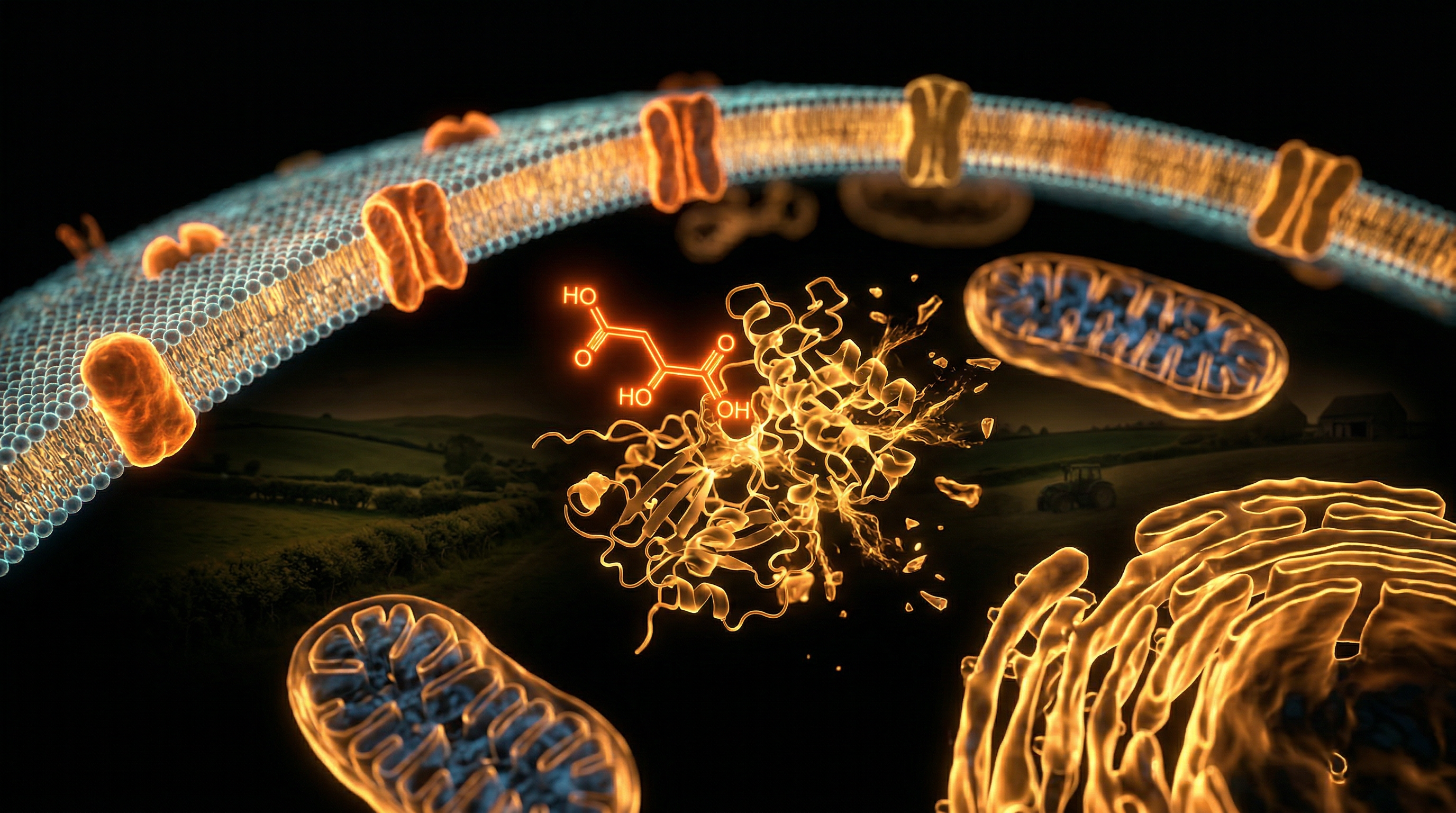
The rolling hills of the British countryside, from the vast wheat fields of East Anglia to the oilseed rape pastures of the East Midlands, present an image of pastoral serenity. Yet, beneath this verdant veneer lies a chemical reality that is fundamentally altering human biology. At the heart of this transformation is N-(phosphonomethyl)glycine, known globally as glyphosate. Since its introduction in the 1970s, glyphosate has transitioned from a niche herbicide to the most widely used agrochemical in human history. In the United Kingdom, it is the backbone of industrial arable farming, used not only for weed control but also as a controversial pre-harvest desiccant to dry out crops.
For decades, the mainstream scientific consensus—heavily influenced by industry-funded studies—has maintained that glyphosate is "practically non-toxic" to humans. The central argument rests on the fact that glyphosate targets the shikimate pathway, a metabolic sequence used by plants and bacteria to synthesise essential aromatic amino acids, which is absent in mammals. However, as a senior biological researcher at INNERSTANDING, I must assert that this narrative is a dangerous oversimplification.
The "Glyphosate Trap" refers to the insidious way this molecule evades immediate toxicity profiles while systematically dismantling the liver's capacity for biotransformation. The liver is the body's primary chemical processing plant, responsible for neutralising both endogenous waste and exogenous toxins (xenobiotics). By inhibiting critical enzymatic families, most notably the Cytochrome P450 (CYP450) enzymes, glyphosate renders the human body vulnerable to a cocktail of environmental pollutants that would otherwise be cleared. This article explores the biochemical mechanisms of this disruption, the specific agricultural context of the UK, and the looming public health crisis of hepatic failure.
Key Fact: In the UK, over 5 million hectares of land are treated with glyphosate-based herbicides annually, with residues frequently detected in supermarket bread, flour, and cereal products.
The Biology — How It Works
To understand the glyphosate trap, one must first understand the liver's role in survival. The liver performs over 500 functions, but its role in xenobiotic metabolism is paramount. This process is divided into two distinct, yet tightly coupled phases.
Phase I: Functionalisation
The first line of defence involves the Cytochrome P450 monooxygenase system. These enzymes, located primarily in the smooth endoplasmic reticulum of hepatocytes, use oxygen and electrons (from NADPH) to add or expose a functional group (like a hydroxyl group -OH) on a toxin molecule. This makes the molecule more chemically reactive and slightly more water-soluble.
Phase II: Conjugation
In Phase II, the now-reactive intermediate from Phase I is "joined" or conjugated with a polar molecule—such as glutathione, sulphate, or glucuronic acid. This step transforms the toxin into a highly water-soluble substance that can be safely excreted via bile or urine.
The Shikimate Myth and the Microbiome
The industry claim that "humans don't have the shikimate pathway" ignores a fundamental biological reality: our gut microbiome does. The trillions of bacteria residing in the human alimentary canal utilise the shikimate pathway to produce essential amino acids like phenylalanine, tyrosine, and tryptophan. Glyphosate acts as a potent antibiotic, selectively killing "beneficial" microbes (like Lactobacillus and Bifidobacterium) while allowing pathogenic strains (like Clostridium botulinum and Salmonella) to thrive.
This dysbiosis does more than cause digestive upset; it compromises the "gut-liver axis." When the gut barrier is weakened—a condition known as intestinal permeability or "leaky gut"—lipopolysaccharides (LPS) and other bacterial endotoxins flood the portal vein, putting an immense, constant inflammatory load on the liver.
Mechanisms at the Cellular Level
Glyphosate’s toxicity is not the result of a single "smoking gun" but rather a multi-pronged assault on cellular machinery.
Inhibition of Cytochrome P450 (CYP) Enzymes
The most devastating hepatic effect of glyphosate is its ability to inhibit the CYP enzyme family. These enzymes contain a haem (heme) prosthetic group. Research has demonstrated that glyphosate interferes with the synthesis of haem and directly binds to the active site of CYP enzymes, acting as a competitive inhibitor.
When CYP enzymes are inhibited, the body loses its ability to metabolise:
- Pharmaceutical drugs (leading to increased side effects).
- Environmental toxins (pesticides, heavy metals, plastics).
- Endogenous hormones (leading to oestrogen dominance and hormonal imbalances).
- Vitamin D (the liver is responsible for the first hydroxylation of Vitamin D3 into 25(OH)D).
Glycine Substitution and Protein Misfolding
Chemically, glyphosate is an analogue of the amino acid glycine. There is an emerging and highly compelling hypothesis that during protein synthesis, the cell may mistakenly incorporate glyphosate into the polypeptide chain in place of glycine. Glycine is the smallest amino acid, and its presence is crucial for the structural integrity of proteins (especially collagen and various enzymes). The substitution of glyphosate—which carries a bulky phosphate group—into a protein chain can lead to misfolding, loss of enzymatic function, and the accumulation of "biological junk" within the hepatocyte, triggering the Unfolded Protein Response (UPR) and cellular apoptosis.
Mitochondrial Dysfunction and Oxidative Stress
The liver is an energy-intensive organ. Glyphosate has been shown to act as an "uncoupler" of oxidative phosphorylation in the mitochondria. By disrupting the proton gradient across the inner mitochondrial membrane, glyphosate reduces ATP production and increases the leakage of electrons, leading to the formation of Reactive Oxygen Species (ROS) such as superoxide and hydrogen peroxide.
Callout: Chronic exposure to glyphosate depletes Glutathione (GSH), the body’s "master antioxidant," leaving hepatocytes defenceless against oxidative damage.
Environmental Threats and Biological Disruptors
The British agricultural landscape provides a unique set of exposure routes that amplify the biological disruption caused by glyphosate.
The "Inert" Adjuvant Fallacy
Regulatory bodies typically test technical grade glyphosate (the isolated active ingredient). However, farmers use commercial formulations like Roundup, which contain adjuvants such as polyethoxylated tallowamine (POEA). These "inert" ingredients are added to help the glyphosate penetrate the waxy cuticle of plant leaves. In human tissue, these surfactants do the same—they break down cellular membranes, allowing glyphosate to enter the cell up to 100 times more effectively than the isolated molecule. Furthermore, POEA has been found to be more acutely toxic to human umbilical, embryonic, and placental cells than glyphosate itself.
Pre-Harvest Desiccation: The UK’s Hidden Source
In the damp British climate, crops often ripen unevenly. To ensure an efficient harvest, UK farmers frequently spray wheat, oats, and barley with glyphosate 7–10 days before harvest to kill and dry the crop. This practice, known as desiccation, results in significantly higher residues in the finished grain compared to applications used early in the growing season for weed control. When you consume a slice of non-organic British bread, you are likely consuming a direct dose of a biotransformation inhibitor.
Water Table Contamination and "Forever" Pesticides
Glyphosate is highly water-soluble. Rainfall in the UK washes agricultural glyphosate into the river systems—the Thames, the Severn, and the Trent are all impacted. While water treatment facilities remove many contaminants, glyphosate and its primary metabolite, AMPA (aminomethylphosphonic acid), are notoriously difficult to filter and often persist in the domestic water supply.
The Cascade: From Exposure to Disease
The disruption of hepatic biotransformation does not lead to instant illness; it leads to a slow-motion collapse of metabolic health, culminating in what we now call Metabolic Dysfunction-Associated Steatotic Liver Disease (MASLD), formerly known as Non-Alcoholic Fatty Liver Disease (NAFLD).
The Progression to MASLD
When the liver cannot process fats and toxins due to CYP450 inhibition and mitochondrial stress, it begins to store lipids within the hepatocytes. This "fatty liver" is now an epidemic in the UK, affecting an estimated 1 in 3 adults. While high-fructose corn syrup and sedentary lifestyles are often blamed, the role of chemical disruption is the "missing link."
Hepatic Encephalopathy and Ammonia
A compromised liver fails to efficiently convert ammonia (a byproduct of protein metabolism) into urea. Elevated systemic ammonia crosses the blood-brain barrier, leading to cognitive decline, "brain fog," and in severe cases, neurodegenerative symptoms. The connection between glyphosate, hepatic dysfunction, and the rise in Alzheimer’s and Parkinson’s in the UK population is an area of intense, though often suppressed, research.
Synergistic Toxicity
The "trap" is that glyphosate makes every other toxin more dangerous. If a British citizen is exposed to air pollution (NOx from diesel engines), microplastics in seafood, and heavy metals in water, a healthy liver would normally clear a large percentage of these. However, in a glyphosate-saturated environment, the liver's "clearance rate" drops. This leads to bioaccumulation, where toxins reach critical thresholds in the brain, adipose tissue, and bone marrow.
What the Mainstream Narrative Omits
The divide between independent science and "regulatory science" is a chasm filled with corporate influence and bureaucratic inertia.
The IARC vs. EFSA Conflict
In 2015, the International Agency for Research on Cancer (IARC), a branch of the WHO, classified glyphosate as a "probable human carcinogen." In response, the European Food Safety Authority (EFSA) and the UK’s Health and Safety Executive (HSE) maintained it was safe. Why the discrepancy? The IARC relied on peer-reviewed, independent literature and looked at commercial formulations. The EFSA relied heavily on non-public, industry-provided studies on isolated glyphosate.
The "Safety Level" Fallacy
Regulatory bodies set an Acceptable Daily Intake (ADI) for glyphosate. However, these levels are based on "acute" toxicity (does it kill the rat quickly?) rather than "chronic, low-dose endocrine and enzymatic disruption." Science now shows that glyphosate can have non-monotonic dose responses, meaning it can be more disruptive to hormones at extremely low concentrations than at high ones.
Suppression of the Séralini Study
In 2012, Professor Gilles-Éric Séralini published a study showing that rats fed low doses of Roundup over their lifetime developed massive mammary tumours and severe liver/kidney damage. The study was met with an unprecedented smear campaign and was initially retracted under pressure from a former Monsanto employee who had joined the journal’s editorial board. It was later republished in another journal, but the damage to the narrative was done: the public was told the study was "debunked." In reality, Séralini’s work highlighted the dangers of chronic exposure that the 90-day industry trials conveniently ignore.
The UK Context
Post-Brexit, the UK finds itself at a regulatory crossroads. While the EU has moved (albeit slowly) towards restricting certain pesticides, the UK has faced pressure to maintain or even lower standards to facilitate trade deals.
The National Action Plan
The UK's National Action Plan for the Sustainable Use of Pesticides has been criticised for lacking teeth. While there is lip service paid to "Integrated Pest Management" (IPM), the economic reality of the British farmer, squeezed by supermarkets and rising input costs, makes the "chemical fix" of glyphosate almost mandatory for survival.
Soil Health: The Foundation of Human Health
British soil is in crisis. The UK’s Department for Environment, Food & Rural Affairs (DEFRA) has admitted that some parts of the UK are only 30 to 40 harvests away from "fundamental loss of soil fertility." Glyphosate plays a major role here; by chelating essential minerals (like manganese, zinc, and iron) in the soil, it makes them unavailable to the plants. This results in nutrient-depleted crops. A British apple today contains significantly less Vitamin C and minerals than one from 1950. We are overfed but undernourished, and our livers lack the mineral co-factors required for detoxification.
Statistic: Since 1990, the total weight of glyphosate applied to British cereal crops has increased by over 400%, despite the land area remaining relatively constant.
Protective Measures and Recovery Protocols
If we cannot immediately change the agricultural system, we must change our internal environment. Protecting the liver from the "Glyphosate Trap" requires a proactive, multi-faceted approach.
1. The Organic Mandate
The most effective way to reduce glyphosate burden is to consume certified organic produce. In the UK, the Soil Association standard is the gold standard. Focus specifically on organic grains (wheat, oats, corn) and legumes, as these carry the highest desiccation residues.
2. Hepatic Enzyme Support
To counteract the inhibition of CYP450 enzymes, specific phytonutrients can be utilised:
- Milk Thistle (Silybin): Protects hepatocytes from toxin entry and stimulates protein synthesis for liver regeneration.
- Sulforaphane (found in Broccoli Sprouts): A potent inducer of Phase II detoxification enzymes.
- Schisandra Berry: A traditional adaptogen that has been shown to enhance both Phase I and Phase II pathways.
3. Restoring the Mineral Balance
Glyphosate is a potent chelator. Supplementing with highly bioavailable forms of Manganese, Magnesium, and Zinc is essential to replace what is stripped by glyphosate exposure. Manganese is particularly critical, as it is a co-factor for the mitochondrial antioxidant enzyme MnSOD (Manganese Superoxide Dismutase).
4. Binders and Barrier Repair
To address the "leaky gut" and the influx of endotoxins:
- Humic and Fulvic Acids: These natural soil-derived substances can bind to glyphosate in the digestive tract, preventing its absorption.
- Glycine Supplementation: Taking pure, pharmaceutical-grade glycine may help "outcompete" glyphosate during protein synthesis, reducing the risk of misfolded proteins.
- Glutamine: To help repair the tight junctions of the intestinal lining.
5. UK-Specific Lifestyle Adjustments
- Water Filtration: Invest in a high-quality reverse osmosis (RO) filter or a system certified to remove glyphosate and its metabolites. Standard "jug filters" are often insufficient.
- Support Regenerative Agriculture: Purchase from UK farms using "No-Till" methods without chemicals. Brands and cooperatives that bypass the industrial middleman are growing in the UK.
Summary: Key Takeaways
The threat posed by glyphosate to the British population is not one of sudden poisoning, but of metabolic erosion.
- The Liver is the Target: Glyphosate systematically inhibits the Cytochrome P450 enzyme family, the cornerstone of our ability to process toxins.
- The Microbiome Connection: By destroying the shikimate pathway in gut bacteria, glyphosate causes dysbiosis and "leaky gut," flooding the liver with inflammatory endotoxins.
- Desiccation is the Primary Source: The UK’s reliance on spraying crops just before harvest ensures that glyphosate residues are present in the majority of conventional grain-based foods.
- Synergistic Harm: Glyphosate acts as a "multiplier," making the body more sensitive to other environmental pollutants and pharmaceutical drugs.
- Regulatory Failure: Current UK and international safety standards fail to account for chronic, low-dose exposure and the "cocktail effect" of commercial formulations.
The "Glyphosate Trap" is a biological reality of the modern age. However, through scientific awareness, strategic nutritional intervention, and a shift toward regenerative food systems, we can begin to reclaim our hepatic health and break free from this chemical stranglehold. The future of British health depends not on the yield of our fields, but on the integrity of our biotransformation pathways.
"References & Further Reading:"
- Samsel, A., & Seneff, S. (2013). Glyphosate’s Suppression of Cytochrome P450 Enzymes and Amino Acid Biosynthesis by the Gut Microbiome: Pathways to Modern Diseases.
- Séralini, G. E., et al. (2014). Republished study: long-term toxicity of a Roundup herbicide and a Roundup-tolerant genetically modified maize.
- The Soil Association. (2022). The Impact of Glyphosate on UK Soil and Food Systems.
- Krieter, P. A., et al. (2015). Interaction of glyphosate with the human Cytochrome P450 system.
This article is provided for informational and educational purposes only. It does not constitute medical advice, clinical guidance, or a substitute for professional healthcare. Information reflects cited research at time of publication. Always consult a qualified healthcare professional before acting on any health information.
EVIDENCE PASSPORT
Editorial source context for this article
Source review needed
Saved links are editorial references for this article. They may support specific claims rather than every sentence. Open and assess each source in context. This passport does not independently verify them.
Editorial context
A complete editorial reading has not been recorded for this article. Source links remain available for you to open and assess directly.
Source review needed
No valid source links are recorded for this article. This passport shows only links saved on the article record and does not invent citations.
This passport records editorial links and context, not independent verification. Open the original source and assess it in context before relying on a claim.
Medical Disclaimer
The information in this article is for educational purposes only and does not constitute medical advice, diagnosis, or treatment. Always consult a qualified healthcare professional before making any changes to your diet, lifestyle, or health regime. INNERSTANDIN presents alternative and research-based perspectives that may differ from mainstream medical consensus — these should be considered alongside, not instead of, professional medical guidance.
Read Full DisclaimerContinue the thread
Keep this question moving.
Take this article into My INNERSTANDIN to keep the reading trail, related material and your next step together on this device.
Explore this in the Body Map
See where this hits your biology. Interactive anatomy, threats, and protective protocols.
Dig deeper in the Library
Free, longform PDF volumes that go beyond headlines into mechanisms and references.