
The Microbiome-Liver Axis: Xenobiotic Bioactivation
Updated May 2026
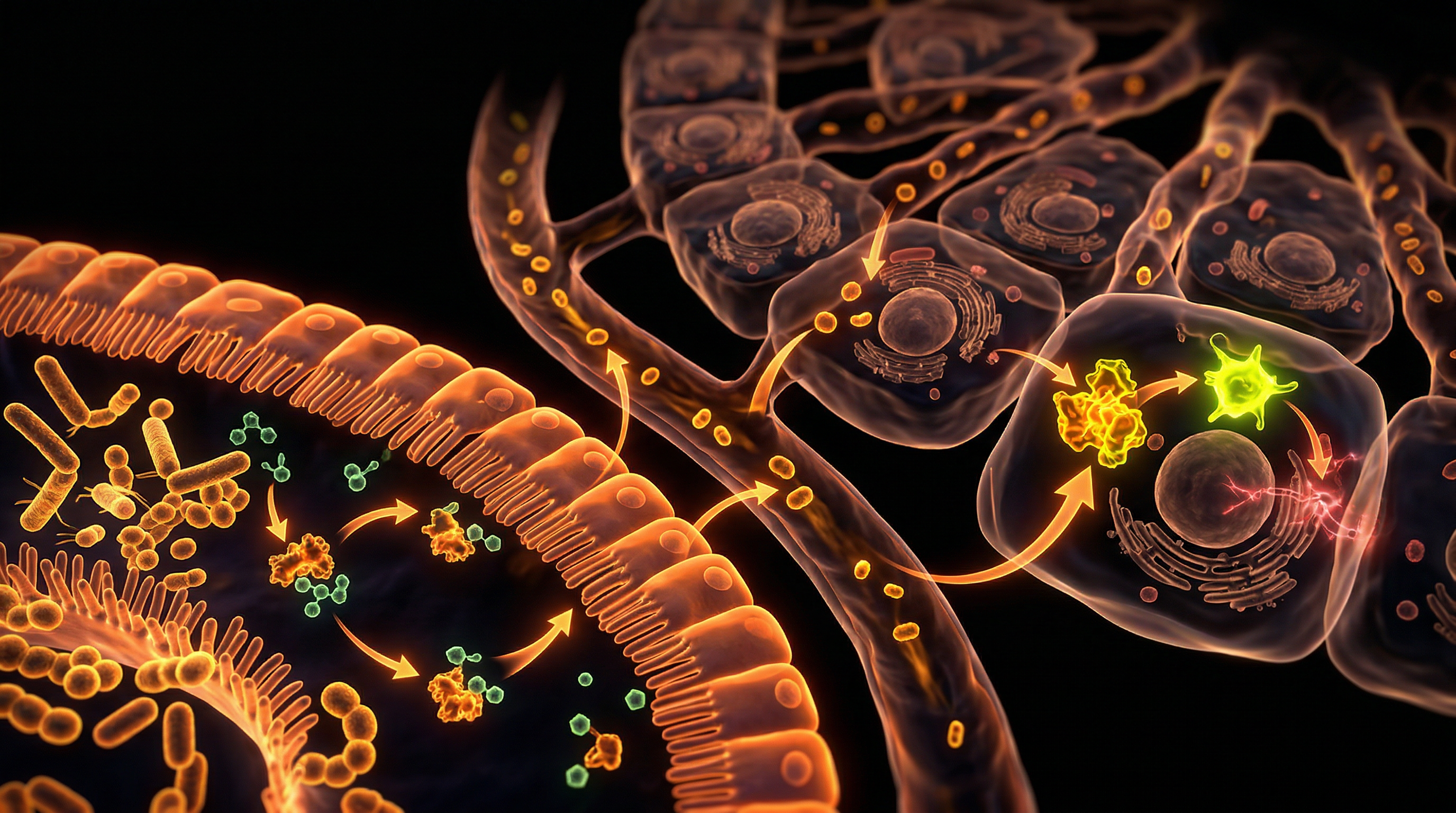
Gut bacteria play a significant role in metabolising foreign compounds before they even reach the liver. In some cases, gut microbes can inadvertently turn harmless substances into toxic metabolites.
Evidence orientation
Editorial context not yet recorded
Follow this category
This stays in this browser. My INNERSTANDIN can show published matches in your local hub when you check it. It does not send email, push, or alert notifications.
Local learning review
A private browser aid for revisiting ideas. It is not an alert or a health recommendation.
Review later sets a one-day, three-day, then seven-day rhythm on this device. Choose it only when you want to revisit this article.
Overview
The human body is an intricate biochemical refinery, designed through millennia of evolution to distinguish between nutrients and threats. However, in the modern industrial age, the sheer volume of xenobiotics—synthetic foreign compounds including pharmaceuticals, pesticides, food additives, and industrial chemicals—has overwhelmed our ancestral metabolic pathways. For decades, the liver was hailed as the primary sentinel of detoxification, the sole organ responsible for the biotransformation of toxins. We now know this is a dangerous oversimplification.
The emerging frontier of the microbiome-liver axis reveals that our resident gut bacteria are not merely passive bystanders or digestive aids; they are active metabolic agents that often encounter xenobiotics before they ever reach the liver. This "first-pass metabolism" by the gut microbiota can dictate the systemic toxicity and efficacy of almost every substance we ingest. Most critically, through a process known as bioactivation, relatively benign substances can be transformed by microbial enzymes into highly reactive, carcinogenic, or hepatotoxic metabolites.
This article explores the deep architecture of this axis, exposing the mechanisms by which our microbial inhabitants determine our toxicological fate and highlighting how modern environmental pressures have turned this protective system into a source of internal pathology.
Fact: Humans possess approximately 20,000 protein-coding genes, but our microbiome contributes over 3.3 million unique genes, vastly expanding our collective metabolic repertoire, particularly in the realm of enzyme production for chemical degradation.
The Biology — How It Works
The relationship between the gut and the liver is bidirectional and anatomically linked via the portal vein. This "biological motorway" transports blood directly from the gastrointestinal tract to the liver, carrying nutrients, signalling molecules, and, crucially, xenobiotics.
The Portal Circulation and First-Pass Effect
When a compound is swallowed, it enters the harsh environment of the stomach and then moves into the small and large intestines. It is here that the gut microbiota, consisting of trillions of bacteria, fungi, and archaea, perform the initial metabolic triage. This is known as microbial first-pass metabolism.
Unlike the liver, which primarily uses oxidative reactions (Phase I) and conjugation reactions (Phase II) to make toxins water-soluble for excretion, the microbiome relies heavily on reductive and hydrolytic reactions. Because the lumen of the gut is an anaerobic (oxygen-poor) environment, bacteria have evolved enzymes that function in the absence of oxygen.
The Enterohepatic Circulation: The Toxic Loop
The liver often "detoxifies" a compound by attaching a sugar molecule (glucuronic acid) to it, making it inert and sending it back into the intestine via bile for excretion. However, certain gut bacteria possess an enzyme called beta-glucuronidase. This enzyme acts like a pair of molecular scissors, snipping the sugar off the "detoxified" toxin, thereby "re-activating" it. The toxin is then reabsorbed through the gut wall, sent back to the liver, and the cycle repeats. This is the enterohepatic circulation, a loop that can trap toxic metabolites within the body for far longer than traditional toxicology models predict.
Enzymatic Diversity
The liver is limited by the genetic blueprint of the host. The microbiome, however, is a plastic, shifting entity.
- Azoreductases: Break down synthetic food dyes into potentially carcinogenic aromatic amines.
- Nitroreductases: Transform nitro-compounds (found in industrial pollutants) into reactive intermediates.
- Sulfatases: Deconjugate sulphate esters, interfering with hormone balance and drug metabolism.
Mechanisms at the Cellular Level
To understand how a "harmless" substance becomes a poison, we must look at the specific cellular pathways and the molecular "handshake" between microbes and human cells.
Reductive Bioactivation
In the liver, enzymes like Cytochrome P450 (CYP450) usually add oxygen to molecules. In the gut, bacteria do the opposite. A classic example is the drug Sulfasalazine, used for inflammatory bowel disease. It is inactive when swallowed. Gut bacteria must break its chemical bond (the azo bond) to release the active anti-inflammatory component. While this is beneficial in medicine, the same process applies to toxic environmental chemicals. Many azo dyes used in the textile and food industries are "bioactivated" by gut bacteria into benzidine, a known human carcinogen that damages the DNA of the intestinal lining and the liver.
The Role of LPS and Toll-Like Receptors
The microbiome doesn't just process chemicals; it also regulates the "leakiness" of the gut. Lipopolysaccharide (LPS), also known as endotoxin, is a component of the cell walls of Gram-negative bacteria. When the microbiome is in dysbiosis (imbalance), LPS leaks into the portal vein. Once in the liver, LPS binds to Toll-Like Receptor 4 (TLR4) on Kupffer cells (resident macrophages). This triggers a massive inflammatory cascade, producing pro-inflammatory cytokines like TNF-alpha and IL-6. This inflammation "primes" the liver, making it significantly more sensitive to the toxic effects of xenobiotics. A chemical that might be harmless in a healthy individual becomes lethal in someone with "leaky gut" and systemic endotoxaemia.
Molecular Mimicry and Epigenetic Signalling
Microbial metabolites can act as signalling molecules that turn human genes on or off. Short-chain fatty acids (SCFAs) like butyrate are generally protective. However, secondary bile acids, produced when bacteria metabolise the bile salts sent from the liver, can act as agonists for the Farnesoid X Receptor (FXR) and the Takeda G protein-coupled receptor 5 (TGR5). If the microbiome is imbalanced, an excess of deoxycholic acid (a secondary bile acid) can cause oxidative stress and DNA damage in both the colon and the liver.
Key Term: Bioactivation – The process by which a metabolic enzyme (human or microbial) converts a chemically stable, non-toxic precursor (pro-carcinogen or pro-toxin) into a highly reactive, biologically active, and often toxic form.
Environmental Threats and Biological Disruptors
We are currently living in a "chemical soup" that our ancestors never encountered. The synergy between environmental pollutants and the microbiome creates a "perfect storm" for chronic disease.
Glyphosate: The Great Disruptor
Glyphosate, the active ingredient in many broad-spectrum herbicides, is a primary offender. While the "mainstream" narrative suggests it is safe for humans because we lack the shikimate pathway (which glyphosate targets), this ignores the fact that our gut bacteria do have this pathway. Glyphosate acts as an antibiotic, selectively killing beneficial species like Lactobacillus and Bifidobacterium while allowing pathogens like Clostridia and Salmonella to flourish. This dysbiosis alters the entire metabolic profile of the gut, increasing the production of toxic metabolites and decreasing the gut’s ability to neutralise other xenobiotics.
Heavy Metals and Metalloids
Arsenic, mercury, and lead are often transformed by the microbiome. For instance, gut bacteria can methylate mercury, turning it into methylmercury, a form that is far more neurotoxic and more easily absorbed into the bloodstream. Similarly, the microbiome influences the speciation of arsenic; certain bacteria can reduce less toxic arsenate to the more toxic arsenite, which then travels directly to the liver via the portal vein.
Food Additives and Emulsifiers
Common emulsifiers like carboxymethylcellulose and polysorbate 80 act like detergents in the gut. They erode the protective mucus layer that separates the microbiome from the intestinal epithelium. This erosion allows bacteria to come into direct contact with the gut wall, facilitating the translocation of both bacteria and the toxic xenobiotics they have bioactivated, directly into the liver's circulation.
Pharmaceutical Residues
The presence of "forever chemicals" (PFAS) and microplastics in the water supply further complicates the axis. These compounds are often resistant to degradation but can be partially altered by microbial enzymes into intermediates that interfere with hormone receptors (Endocrine Disrupting Chemicals), leading to metabolic syndromes that manifest as liver dysfunction.
The Cascade: From Exposure to Disease
The path from a single chemical exposure to a diagnosed disease is rarely linear; it is a cascade of events where the microbiome acts as the catalyst.
Non-Alcoholic Fatty Liver Disease (NAFLD) to NASH
NAFLD, recently renamed MASLD (Metabolic Dysfunction-Associated Steatotic Liver Disease), is now the leading cause of liver transplant globally. The "mainstream" view focuses on sugar and obesity. However, the microbiome-liver axis reveals a deeper truth: Endogenous Ethanol Production. Certain strains of bacteria and yeast, when fed a high-carbohydrate diet, ferment sugar into ethanol within the gut. This "auto-brewery" effect ensures a constant drip-feed of alcohol into the liver, even in teetotallers. This chronic ethanol exposure, combined with microbial-derived LPS, drives the progression from simple fatty liver to Nonalcoholic Steatohepatitis (NASH), where inflammation and scarring (fibrosis) begin.
Colorectal Cancer (CRC)
The bioactivation of heterocyclic amines (from charred meat) and azo dyes by gut bacteria creates DNA-damaging agents. These genotoxins directly cause mutations in the epithelial cells of the colon. If these toxins are not adequately neutralised by the liver after reabsorption, they can also contribute to systemic cancers, including hepatocarcinoma.
Cholestasis and Bile Acid Dysregulation
When the microbiome is skewed, it fails to properly recycle bile acids. This leads to a buildup of toxic bile acids in the liver, a condition known as cholestasis. This causes direct damage to the bile ducts and can lead to Primary Sclerosing Cholangitis and eventually cirrhosis.
Systemic Toxicity and Brain Fog
The liver is also the primary site for the breakdown of ammonia, a byproduct of protein metabolism. If the microbiome contains too many ammonia-producing bacteria (like Proteus or Klebsiella) and the liver is already stressed by xenobiotics, ammonia levels rise in the blood. This crosses the blood-brain barrier, leading to cognitive impairment, "brain fog," and in severe cases, hepatic encephalopathy.
What the Mainstream Narrative Omits
The conventional medical and regulatory establishment continues to rely on an outdated model of toxicology. There are three major "blind spots" that are intentionally or negligently overlooked:
1. The Fallacy of the "Safe Dose" (LD50)
Toxicological safety is usually determined by testing a single chemical on a sterile laboratory animal. This ignores the cocktail effect—the reality that we are exposed to hundreds of chemicals simultaneously. More importantly, it ignores the inter-individual variability of the microbiome. A "safe dose" of a pesticide for a person with a robust microbiome might be a "toxic dose" for someone with dysbiosis, as their bacteria may bioactivate the chemical more aggressively.
2. The "Double-Hit" Hypothesis
Regulatory bodies rarely consider the "double-hit" of a chemical being both a toxin and an antibiotic. For example, if a pesticide kills the very bacteria responsible for detoxifying it, the toxicity is exponentially increased. This positive feedback loop of toxicity is absent from most safety assessments.
3. The Economic Incentive for Ignorance
The pharmaceutical industry relies on the fact that drugs are tested in models that do not account for microbial metabolism. Many drugs fail in clinical trials because of "idiosyncratic drug-induced liver injury" (DILI). Often, this "idiosyncrasy" is actually the result of a specific microbial profile in the patient that turned the drug toxic. Acknowledging this would require a total overhaul of the drug approval process, costing billions.
4. Ignoring the Retrograde Pathway
The mainstream focuses on the liver's role in cleaning the blood. They rarely discuss the retrograde flow of toxins from the gut to the liver. By focusing only on the liver's internal health (enzymes like ALT and AST), they miss the "upstream" cause of the damage occurring in the gut lumen.
Fact: Research indicates that over 100 commonly prescribed medications are significantly altered by gut bacteria, yet microbiome screening is not currently a standard part of any pharmaceutical prescription protocol.
The UK Context
In the United Kingdom, the microbiome-liver axis is under unique pressure due to specific dietary patterns and regulatory environments.
The UPF Crisis
The UK has the highest consumption of Ultra-Processed Foods (UPFs) in Europe, with over 50% of the average British diet consisting of these products. UPFs are rich in emulsifiers, artificial sweeteners (like aspartame and sucralose), and preservatives. Recent UK-based studies have shown that artificial sweeteners like saccharin can induce glucose intolerance by directly altering the gut microbiota, which in turn stresses the liver’s glucose management systems.
The Post-Brexit Regulatory Gap
Following the UK's exit from the European Union, there are significant concerns regarding the oversight of chemicals. The UK's REACH (Registration, Evaluation, Authorisation and Restriction of Chemicals) framework has struggled to keep pace with the EU's stricter updates. This leaves the British public exposed to higher levels of certain pesticides and industrial chemicals that are known microbiome disruptors.
NHS Burden
The NHS is currently overwhelmed by "lifestyle diseases." However, the microbiome-liver axis suggests these are not merely lifestyle choices but environmental injuries. The rising rates of NAFLD in British children—some as young as 10—cannot be explained by alcohol consumption or genetics alone. It is a direct reflection of a compromised microbiome-liver axis caused by a diet of sterile, chemical-laden foods.
The "British Gut" Project
Initiatives like the British Gut Project have highlighted that the diversity of the UK microbiome is significantly lower than that of populations eating more traditional, whole-food diets. This lack of diversity translates directly into a reduced capacity to handle the xenobiotic load of modern British life.
Protective Measures and Recovery Protocols
Understanding the microbiome-liver axis provides us with a roadmap for protection and recovery. We must move beyond simple "liver cleanses" and focus on the systemic restoration of the axis.
1. Microbial Diversification
The more diverse your microbiome, the more redundant your metabolic pathways.
- Fermented Foods: Incorporating traditional British ferments like unpasteurised sauerkraut or kefir introduces beneficial strains that can compete with bioactivating pathogens.
- Polyphenols: Compounds in dark berries, green tea, and cocoa act as "prebiotics" that selectively encourage the growth of Akkermansia muciniphila, a bacterium that strengthens the gut lining.
2. Specific Antidotes to Bioactivation
- Calcium D-Glucarate: This supplement inhibits the bacterial enzyme beta-glucuronidase. By blocking this enzyme, it prevents the "re-activation" of toxins in the gut, ensuring they are actually excreted rather than reabsorbed.
- Sulforaphane: Found in broccoli sprouts, it upregulates Phase II detoxification in both the gut and the liver, helping the body to conjugate and neutralise reactive metabolites before they can cause damage.
3. Barrier Integrity
A "sealed" gut is the liver's best defence.
- L-Glutamine and Zinc Carnosine: Both are essential for repairing the "tight junctions" of the intestinal wall, preventing the translocation of LPS and bioactivated toxins.
- Avoidance of Emulsifiers: Read labels religiously. Avoid carboxymethylcellulose, carrageenan, and polysorbate 80.
4. Strategic Binding
When undergoing a "detox," it is crucial to use binders that sit in the gut lumen and "mop up" the toxins released in bile.
- Activated Charcoal and Zeolite: These can bind to bioactivated metabolites, preventing their reabsorption via the enterohepatic circulation.
- Modified Citrus Pectin: Specifically effective at binding heavy metals like lead and mercury without stripping essential minerals.
5. Water Filtration
Given the UK's issues with agricultural runoff and "forever chemicals" in the water table, a high-quality Reverse Osmosis (RO) filter is no longer a luxury but a biological necessity to reduce the daily xenobiotic load on the microbiome.
Summary: Key Takeaways
- The Liver is Not Alone: The gut microbiome is the "first-pass" organ for almost all ingested chemicals. It can either neutralise or dangerously activate substances before they reach the liver.
- Bioactivation is the Real Threat: The transformation of harmless compounds into reactive toxins (like aromatic amines or methylmercury) by bacterial enzymes is a primary driver of modern chronic disease.
- The Enterohepatic Loop: Microbial enzymes like beta-glucuronidase can "un-detoxify" compounds, trapping them in a toxic cycle between the gut and liver.
- Mainstream Oversight: Current toxicology fails to account for the microbiome, leading to "safe" limits that are anything but safe for those with gut dysbiosis.
- UK-Specific Risks: The high consumption of UPFs and the changing regulatory landscape make the British population particularly vulnerable to microbiome-liver axis disruption.
- The Solution is Systemic: Protection requires a two-pronged approach—reducing xenobiotic exposure (filtration, organic food) and strengthening the microbial-intestinal barrier (calcium D-glucarate, polyphenols, binders).
The microbiome-liver axis represents a shift in our understanding of health. We are not a single organism, but a complex ecosystem. Our survival in a chemically saturated world depends not on the strength of our liver alone, but on the integrity and diversity of the trillions of microscopic alchemists that call our intestines home. We must stop viewing "detox" as a seasonal event and start seeing it as a daily, microbial-mediated necessity.
This article is provided for informational and educational purposes only. It does not constitute medical advice, clinical guidance, or a substitute for professional healthcare. Information reflects cited research at time of publication. Always consult a qualified healthcare professional before acting on any health information.
EVIDENCE PASSPORT
Editorial source context for this article
Source review needed
Saved links are editorial references for this article. They may support specific claims rather than every sentence. Open and assess each source in context. This passport does not independently verify them.
Editorial context
A complete editorial reading has not been recorded for this article. Source links remain available for you to open and assess directly.
Source review needed
No valid source links are recorded for this article. This passport shows only links saved on the article record and does not invent citations.
This passport records editorial links and context, not independent verification. Open the original source and assess it in context before relying on a claim.
Medical Disclaimer
The information in this article is for educational purposes only and does not constitute medical advice, diagnosis, or treatment. Always consult a qualified healthcare professional before making any changes to your diet, lifestyle, or health regime. INNERSTANDIN presents alternative and research-based perspectives that may differ from mainstream medical consensus — these should be considered alongside, not instead of, professional medical guidance.
Read Full DisclaimerContinue the thread
Keep this question moving.
Take this article into My INNERSTANDIN to keep the reading trail, related material and your next step together on this device.
Explore this in the Body Map
See where this hits your biology. Interactive anatomy, threats, and protective protocols.
Dig deeper in the Library
Free, longform PDF volumes that go beyond headlines into mechanisms and references.