The Gut-Fascia Axis: Investigating Systemic Inflammation as a Catalyst for Dupuytren's
Discuss this resourceUpdated August 2026
An in-depth exploration of how gut health, chronic systemic inflammation, and fascia integrity intersect to drive the progression of Dupuytren's Contracture.
Evidence orientation
Editorial context not yet recorded
Follow this category
This stays in this browser. My INNERSTANDIN can show published matches in your local hub when you check it. It does not send email, push, or alert notifications.
Local learning review
A private browser aid for revisiting ideas. It is not an alert or a health recommendation.
Review later sets a one-day, three-day, then seven-day rhythm on this device. Choose it only when you want to revisit this article.
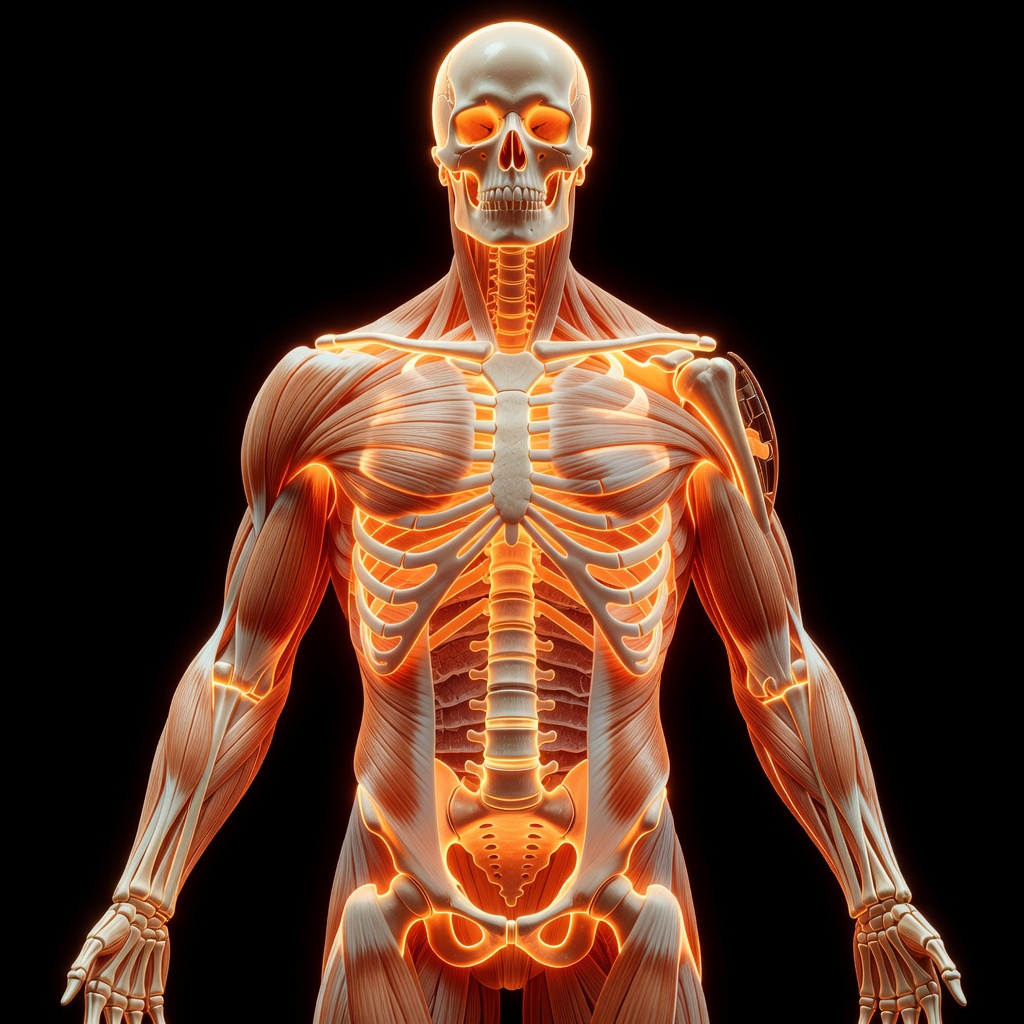
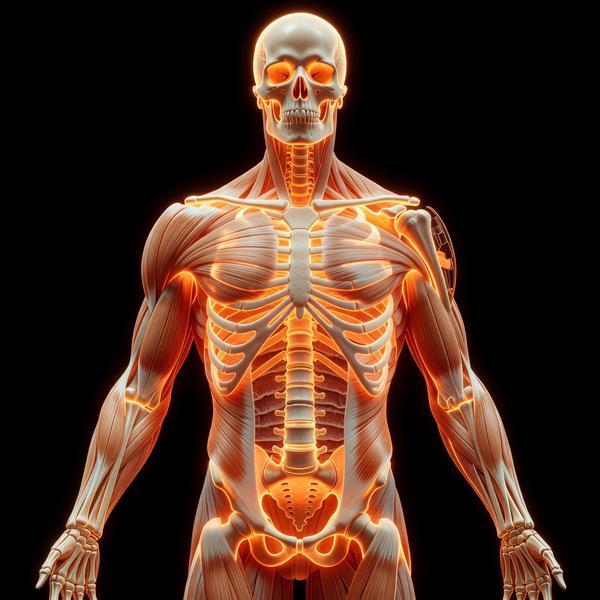
Introduction: Rethinking Dupuytren's Contracture. Traditionally, Dupuytren's Contracture has been viewed through a narrow lens: a localized fibroproliferative disorder of the palmar fascia. However, at INNERSTANDING, we look at the body as an integrated ecosystem. Modern research increasingly points toward a 'Gut-Fascia Axis,' where systemic inflammation originating in the digestive tract acts as a primary catalyst for fascial thickening and tissue remodeling. ### The Anatomy of the Problem. Dupuytren's is fundamentally a disease of the myofibroblast.
When these cells become overactive, they deposit excessive collagen, leading to the characteristic cords and nodules that pull the fingers into a flexed position. But why does this happen? The answer may lie in the body's inflammatory response. ### The Gut as the Root Cause. The health of the gut microbiome dictates systemic inflammatory levels. When intestinal permeability—often referred to as 'leaky gut'—is present, undigested proteins and bacterial endotoxins (LPS) enter the bloodstream.
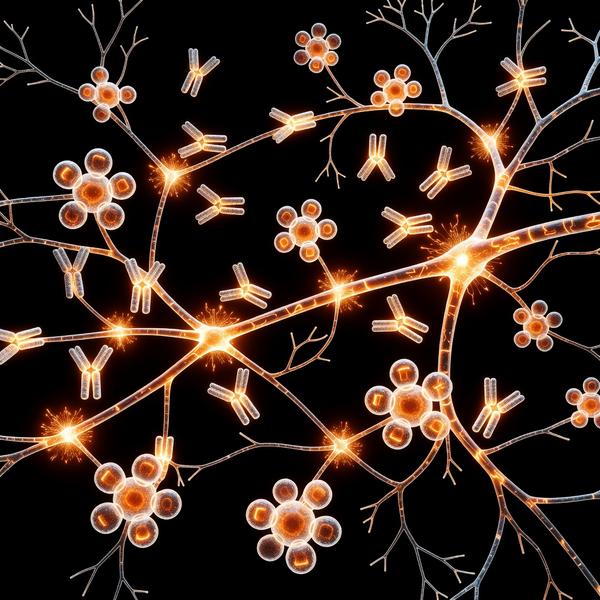
This triggers a chronic immune response. This systemic low-grade inflammation circulates throughout the body, signaling fibroblasts in the fascia to switch into a proliferative, repair-heavy state. Because the fascia is a continuous connective tissue network, it acts as a 'shock absorber' for this systemic chemical stress. ### Fascia: The Connective Bridge. Fascia is not merely a wrapper for muscles; it is a dynamic organ. It contains high concentrations of immune cells and mast cells.
Chronic systemic inflammation keeps these cells in a state of 'degranulation,' releasing cytokines that stimulate myofibroblast differentiation. In individuals genetically predisposed to Dupuytren's, the gut-driven inflammatory surge acts as the 'trigger' for the genetic 'loaded gun.' ### The Role of Oxidative Stress. Chronic inflammation creates a state of oxidative stress. This stress destabilizes the collagen matrix of the fascia. Over time, the body attempts to 'patch' this stressed tissue by producing denser, less elastic collagen.
This leads to the pathological hardening seen in Dupuytren's. By managing gut inflammation, we may theoretically influence the systemic environment that dictates whether these fibrotic pathways remain active. ### Integrative Strategies. Addressing Dupuytren's requires a multi-pronged approach. 1. Gut Repair: Focusing on a nutrient-dense, anti-inflammatory diet that minimizes gut irritants. 2. Managing Systemic Load: Identifying food sensitivities that contribute to inflammatory cascades. 3.
Targeted Nutrients: Supporting collagen regulation and reducing oxidative stress through specific antioxidants. 4. Fascial Maintenance: Engaging in movement patterns that promote lymphatic drainage and fascial sliding. ### Conclusion. Dupuytren's is not just a hand problem; it is a systemic signal. By investigating the Gut-Fascia Axis, we empower ourselves to address the root-cause drivers of fibrosis rather than merely treating the symptoms as they appear. The future of managing Dupuytren's lies in reclaiming gut health to calm the systemic fires that drive fascial remodeling.
This article is provided for informational and educational purposes only. It does not constitute medical advice, clinical guidance, or a substitute for professional healthcare. Information reflects cited research at time of publication. Always consult a qualified healthcare professional before acting on any health information.
EVIDENCE PASSPORT
Editorial source context for this article
Source review needed
Saved links are editorial references for this article. They may support specific claims rather than every sentence. Open and assess each source in context. This passport does not independently verify them.
Editorial context
A complete editorial reading has not been recorded for this article, and no source links are saved on its record.
Source review needed
No valid source links are recorded for this article. Supplementary research, where available, is listed separately below.
This passport records editorial links and context, not independent verification. Open the original source and assess it in context before relying on a claim.
Medical Disclaimer
The information in this article is for educational purposes only and does not constitute medical advice, diagnosis, or treatment. Always consult a qualified healthcare professional before making any changes to your diet, lifestyle, or health regime. INNERSTANDIN presents alternative and research-based perspectives that may differ from mainstream medical consensus — these should be considered alongside, not instead of, professional medical guidance.
Read Full DisclaimerContinue the thread
Keep this question moving.
Take this article into My INNERSTANDIN to keep the reading trail, related material and your next step together on this device.
Explore this in the Body Map
Explore related body structures and their educational pages in the interactive Body Map.
Dig deeper in the Library
Free, longform PDF volumes that go beyond headlines into mechanisms and references.
RABBIT HOLE
Follow the biological thread deeper