
The Gut-Heart Axis: How the UK Diet Shapes Microbiome-Driven Inflammation in the Arteries
Updated April 2026
Evidence orientation
Editorial context not yet recorded
Follow this category
This stays in this browser. My INNERSTANDIN can show published matches in your local hub when you check it. It does not send email, push, or alert notifications.
Local learning review
A private browser aid for revisiting ideas. It is not an alert or a health recommendation.
Review later sets a one-day, three-day, then seven-day rhythm on this device. Choose it only when you want to revisit this article.
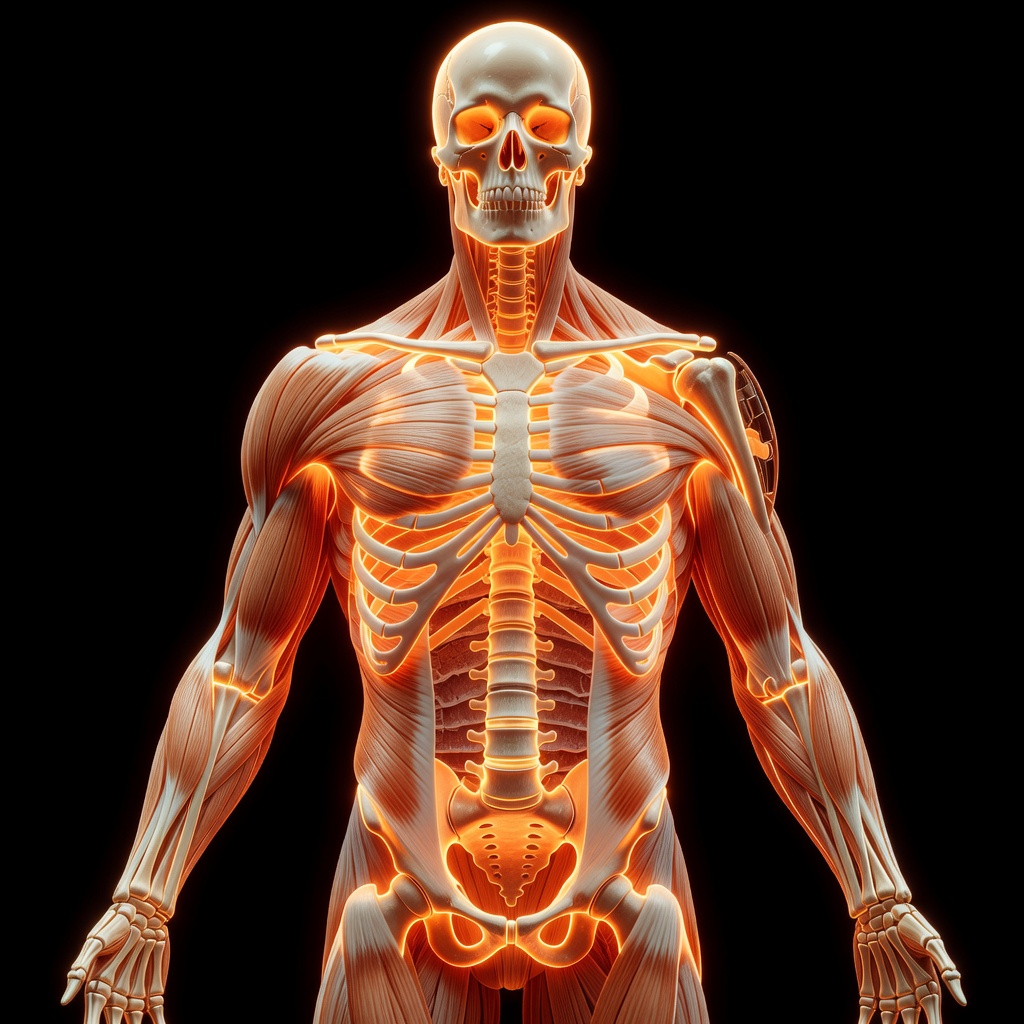
For decades, the narrative of cardiovascular disease (CVD) in the United Kingdom has been dominated by a singular focus: cholesterol. We have been told that the primary culprits behind heart attacks and strokes are saturated fats and low-density lipoproteins (LDL) clogging our pipes like grease in a Victorian sewer. However, modern science is revealing a far more sophisticated—and more alarming—truth.
The heart does not exist in a vacuum. It is the end-point of a complex, systemic dialogue known as the Gut-Heart Axis. This bidirectional communication network links our gastrointestinal tract directly to our vascular system. Emerging evidence suggests that the state of our microbiome—the trillions of bacteria residing in our colon—dictates the level of systemic inflammation that either protects or destroys our arterial walls. In the UK, where ultra-processed foods dominate the high street, we are witnessing a silent epidemic of microbiome-driven heart disease that cannot be solved by statins alone.
The Biological Mechanisms: How the Gut Communicates with the Heart
To understand the Gut-Heart Axis, we must move beyond the "pipe-clogging" model and enter the world of biochemical signaling. The bacteria in our gut act as a chemical factory, converting the food we eat into metabolites that enter our bloodstream. Some of these metabolites are cardioprotective, while others are potent vascular toxins.
The TMAO Pathway: The Smoking Gun
One of the most significant discoveries in recent cardiology is the TMAO (Trimethylamine N-oxide) pathway. When we consume high amounts of red meat, eggs, or dairy, certain gut bacteria metabolise nutrients like choline and L-carnitine into a gas called trimethylamine (TMA). The liver then converts this into TMAO.
Key Fact: High circulating levels of TMAO are associated with a significantly increased risk of major adverse cardiovascular events. TMAO directly promotes atherosclerosis by altering cholesterol metabolism and triggering inflammatory pathways in the vascular endothelium (the lining of the blood vessels).
Metabolic Endotoxemia and the "Leaky Gut"
The gut serves as a barrier, keeping pathogens out of the systemic circulation. However, a diet low in fibre and high in refined sugars compromises the integrity of the mucosal barrier, leading to "leaky gut" or increased intestinal permeability. This allows Lipopolysaccharides (LPS)—pro-inflammatory endotoxins found in the cell walls of certain bacteria—to "leak" into the blood. Once in the bloodstream, LPS triggers a chronic, low-grade inflammatory response that causes the arteries to harden and lose elasticity.
The Peacekeepers: Short-Chain Fatty Acids (SCFAs)
Conversely, when we consume fermentable fibres, beneficial bacteria produce Short-Chain Fatty Acids (SCFAs) like butyrate. These molecules are the body’s natural anti-inflammatories. They help regulate blood pressure, improve insulin sensitivity, and keep the arterial lining "slick" and resistant to plaque formation.
The UK Context: A Perfect Storm for Vascular Decay
The United Kingdom currently faces a unique cardiovascular crisis. Despite a decrease in smoking rates, heart disease remains a leading cause of death. The reason lies in the British "Western Pattern" Diet, which is arguably the most "ultra-processed" in Europe.
The Dominance of Ultra-Processed Foods (UPF)
Recent data suggests that over 50% of the average UK household diet consists of Ultra-Processed Foods (UPFs). From supermarket "meal deals" to industrialised bread, these foods are stripped of the cellular architecture that gut bacteria need to thrive.
- Lack of Diversity: The UK diet is notoriously monotonous. While our ancestors ate hundreds of different plant species, the modern Briton relies on a handful of staples (wheat, corn, soy, and potato), leading to a "monoculture" in the gut.
- The Fibre Gap: The NHS recommends 30g of fibre per day, yet the average UK adult consumes only 18g. This "fibre gap" literally starves the heart-protective bacteria, forcing them to eat the gut's own protective mucus lining for survival.
The "Full English" vs. The Microbial Reality
Traditional British fare, often heavy in processed meats (sausages, bacon) and refined white flour, provides the perfect substrate for TMAO-producing bacteria. When combined with a lack of prebiotic vegetables, this creates a pro-thrombotic environment where the blood is more likely to clot, and the arteries are more likely to inflame.
Environmental Factors: The Hidden Saboteurs
Beyond the macronutrients, several environmental and industrial factors in the UK food system are actively reshaping our microbiome-driven heart health.
Emulsifiers and Thickeneers
Walk down any UK supermarket aisle and you will find emulsifiers (such as carboxymethylcellulose and polysorbate 80) in everything from low-fat yoghurt to plant milks. Research indicates these additives act like detergents in the gut, eroding the protective mucus layer and facilitating the translocation of pro-inflammatory bacteria into the systemic circulation.
The Glyphosate Question
The use of glyphosate-based herbicides in UK cereal farming has come under intense scrutiny. Glyphosate acts via the shikimate pathway, which humans do not have, but our gut bacteria do. By inhibiting certain beneficial microbes, glyphosate residues may contribute to dysbiosis—an imbalance of gut flora that favors inflammation-heavy species.
Antibiotic Overuse
The UK's history of heavy antibiotic use, both in medicine and historically in livestock, has left many Britons with "impoverished" microbiomes. A single course of broad-spectrum antibiotics can permanently alter the microbial landscape, often killing off the very species required to regulate blood pressure and vascular tone.
Protective Strategies: Rebuilding the Gut-Heart Shield
The good news is that the microbiome is incredibly plastic. You can begin to shift your Gut-Heart Axis in as little as 48 hours by changing your microbial inputs.
1. The "30-Plant-a-Week" Rule
To foster a diverse microbiome capable of protecting the heart, aim for 30 different plant species per week. This sounds daunting but includes nuts, seeds, herbs, spices, legumes, fruits, and vegetables. Diversity in plants leads to diversity in microbes, which leads to a more robust anti-inflammatory response.
2. Prioritise "The Four Ks" (Fermented Foods)
Fermented foods introduce live beneficial bacteria and postbiotic metabolites directly into the system. Incorporate:
- Kefir (traditionally fermented milk or water).
- Kimchi (fermented spicy vegetables).
- Kombucha (fermented tea).
- Kraut (raw, unpasteurised sauerkraut).
Expert Insight: Studies show that a diet high in fermented foods increases microbial diversity and lowers 19 different inflammatory markers, including C-reactive protein (CRP), a key predictor of heart attacks.
3. Polyphenol-Rich "Vascular Smoothers"
Polyphenols act as prebiotics, feeding specific bacteria that protect the arterial lining. The UK is well-suited for several high-polyphenol sources:
- Berries: Blueberries and blackberries are potent vascular protectors.
- Dark Chocolate: (85% cocoa or higher) provides flavonoids that improve nitric oxide production.
- Tea: Both black and green tea support a healthy gut-heart dialogue.
4. Eliminating the "Stealth Inflit rators"
Reduce the consumption of refined seed oils (sunflower, rapeseed, vegetable oils) which are often oxidised and pro-inflammatory. Switch to Extra Virgin Olive Oil, which contains oleocanthal, a natural anti-inflammatory that mimics the action of ibuprofen in the vascular system.
The Truth Exposed: Beyond the Statin
The current medical model treats heart disease as a plumbing issue—if the pipe is blocked, use a chemical "drain cleaner" (statins). While statins have their place in acute care, they do not address the root cause of why the inflammation started in the first place.
If your gut is in a state of constant war, your arteries will be the battlefield. You cannot out-medicate a microbiome that is being poisoned by a diet of ultra-processed convenience. Real cardiovascular health begins in the colon. By nurturing our microbial allies, we can quench the fire of inflammation at its source, ensuring that our heart remains not just a pump, but a thriving centre of a healthy, integrated system.
Key Takeaways: The Gut-Heart Blueprint
- The Microbiome is a Metabolic Organ: It produces chemicals like TMAO that can either cause or prevent arterial scarring.
- Inflammation is the Real Enemy: Cholesterol only becomes a major problem when the body is systemically inflamed, often due to "leaky gut."
- Fibre is Cardioprotective: Not just for digestion, but because it feeds the bacteria that produce anti-inflammatory Short-Chain Fatty Acids.
- The UK Diet is a Risk Factor: Our high intake of ultra-processed foods and emulsifiers is directly linked to the degradation of the gut barrier.
- Actionable Change: Focus on plant diversity, fermented foods, and the elimination of industrial additives to reprogramme your Gut-Heart Axis for longevity.
INNERSTANDING Conclusion: Your heart health is not just written in your genes; it is written in your gut. Every meal is an opportunity to either fuel the fire of inflammation or to plant the seeds of vascular resilience. Choose wisely.
This article is provided for informational and educational purposes only. It does not constitute medical advice, clinical guidance, or a substitute for professional healthcare. Information reflects cited research at time of publication. Always consult a qualified healthcare professional before acting on any health information.
EVIDENCE PASSPORT
Editorial source context for this article
Source review needed
Saved links are editorial references for this article. They may support specific claims rather than every sentence. Open and assess each source in context. This passport does not independently verify them.
Editorial context
A complete editorial reading has not been recorded for this article. Source links remain available for you to open and assess directly.
Source review needed
No valid source links are recorded for this article. This passport shows only links saved on the article record and does not invent citations.
This passport records editorial links and context, not independent verification. Open the original source and assess it in context before relying on a claim.
Medical Disclaimer
The information in this article is for educational purposes only and does not constitute medical advice, diagnosis, or treatment. Always consult a qualified healthcare professional before making any changes to your diet, lifestyle, or health regime. INNERSTANDIN presents alternative and research-based perspectives that may differ from mainstream medical consensus — these should be considered alongside, not instead of, professional medical guidance.
Read Full DisclaimerContinue the thread
Keep this question moving.
Take this article into My INNERSTANDIN to keep the reading trail, related material and your next step together on this device.
Explore this in the Body Map
See where this hits your biology. Interactive anatomy, threats, and protective protocols.