
The Gut-Immune Axis: How Intestinal Permeability Orchestrates Systemic Autoimmunity
Updated April 2026
Evidence orientation
Editorial context not yet recorded
Follow this category
This stays in this browser. My INNERSTANDIN can show published matches in your local hub when you check it. It does not send email, push, or alert notifications.
Local learning review
A private browser aid for revisiting ideas. It is not an alert or a health recommendation.
Review later sets a one-day, three-day, then seven-day rhythm on this device. Choose it only when you want to revisit this article.
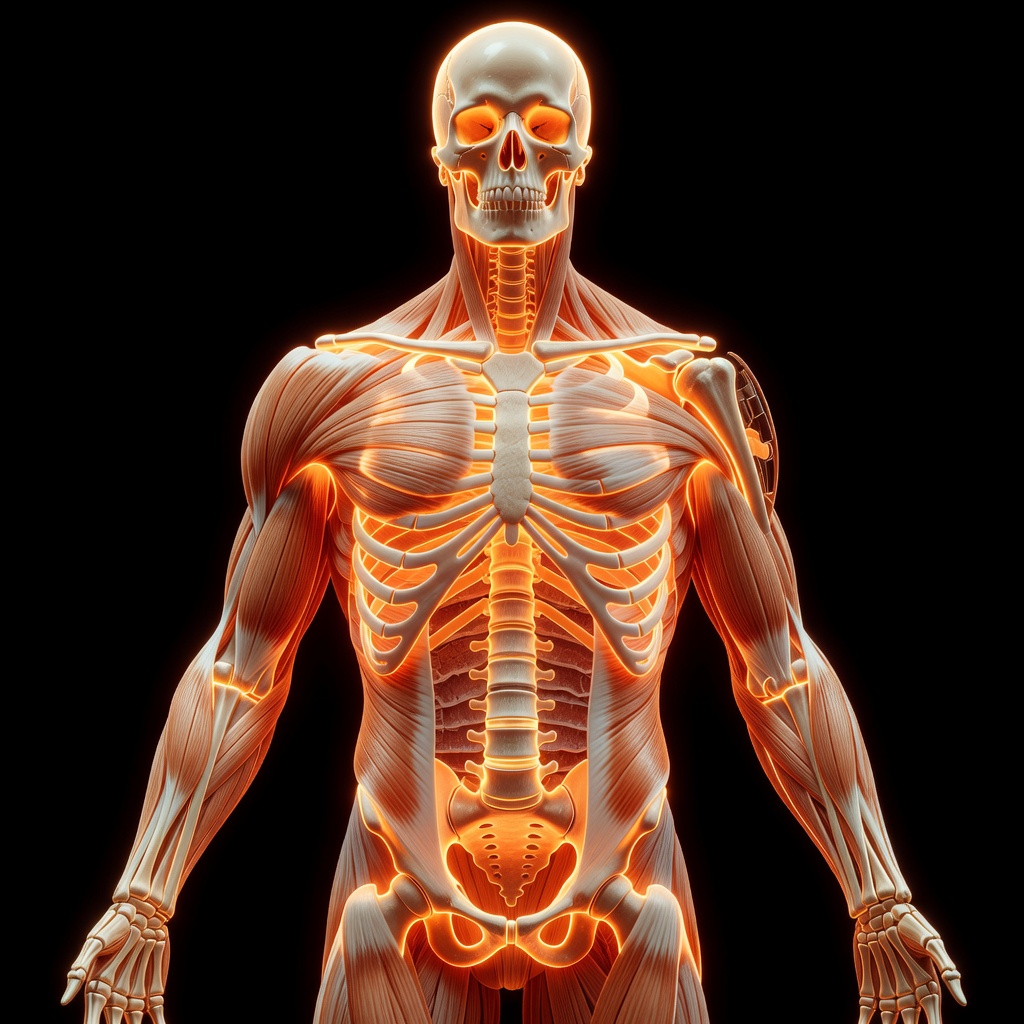
For decades, the medical establishment viewed the gastrointestinal tract as a simple tube designed for digestion and excretion. This reductionist perspective is now being dismantled by a revolutionary understanding of the Gut-Immune Axis. We are beginning to recognise that the gut is not merely a digestive organ, but the primary command centre of the human immune system.
When the integrity of this internal boundary is compromised—a condition clinically known as Intestinal Permeability—the result is not just local bloating or discomfort. It is the silent catalyst for a systemic "fire" that can manifest as anything from Rheumatoid Arthritis to Hashimoto’s Thyroiditis. To achieve true health, or INNERSTANDING, one must look beyond the symptoms of autoimmunity and address the breach at the gateway.
The Gatekeeper: Understanding the Biological Mechanism
The lining of the small intestine is a marvel of biological engineering. Only one cell layer thick, it serves a dual, contradictory purpose: it must be porous enough to allow life-sustaining nutrients into the bloodstream, yet resilient enough to bar entry to pathogens, toxins, and undigested food particles.
The Anatomy of the Barrier
This delicate interface is governed by Tight Junctions (TJs). Think of these as the "security guards" of the cellular wall. Under normal physiological conditions, these junctions remain closed, maintaining a selective barrier. However, when these junctions are forced open, the result is Intestinal Permeability, or "Leaky Gut."
Key Fact: Approximately 70% to 80% of the entire human immune system is located in the gut, specifically within the Gut-Associated Lymphoid Tissue (GALT). This placement is not accidental; it is where the body decides what is "self" and what is "foreign."
The Role of Zonulin
A pivotal discovery in this field is the protein Zonulin. Produced by the intestinal cells, zonulin is the only known physiological modulator of intercellular tight junctions. In a healthy state, zonulin regulates the flow of molecules. However, in those with autoimmune predispositions or specific environmental triggers, zonulin levels skyrocket, causing the "gates" to stay open indefinitely. This allows a flood of foreign substances to enter the systemic circulation, triggering a high-alert immune response.
The Cascade: From Breach to Autoimmune Attack
The transition from a "leaky gut" to a full-blown autoimmune condition follows a predictable, albeit devastating, biological pathway. Once the barrier is breached, the immune system is exposed to a deluge of Antigens (proteins that trigger an immune response) that should have stayed within the digestive tract.
1. Chronic Inflammation and Cytokine Storms
As foreign particles enter the bloodstream, the GALT and systemic white blood cells go into overdrive. They release pro-inflammatory signalling molecules called Cytokines. If the gut breach is not repaired, this inflammation becomes chronic, circulating throughout the body and damaging healthy tissues far removed from the digestive tract.
2. Molecular Mimicry: The Great Deception
This is perhaps the most critical mechanism in the development of autoimmunity. Many environmental antigens (such as gluten or certain bacterial proteins) have a molecular structure that closely resembles human tissue.
When the immune system creates antibodies to attack these foreign invaders, it inadvertently begins to attack the body’s own cells because they "look" similar. For example:
- Gluten proteins can mimic the structure of the Thyroid gland, leading to Hashimoto’s.
- Casein (dairy) can mimic Joint tissue or Myelin sheaths, potentially contributing to Arthritis or Multiple Sclerosis.
3. Bystander Activation
When the gut is permeable, the constant presence of pathogens keeps the immune system in a state of hyper-vigilance. In this "war zone" environment, the immune system may accidentally destroy neighbouring healthy cells while trying to kill a pathogen, further fueling the autoimmune cycle.
The UK Context: A Modern Crisis of the Microbiome
In the United Kingdom, autoimmune diagnoses are rising at an alarming rate of nearly 4% per year. While genetics play a role, our DNA has not changed in the last fifty years; our environment, however, has transformed beyond recognition.
The British "Westernised" lifestyle is a direct assault on the gut-immune axis. The National Health Service (NHS) is increasingly burdened by chronic conditions like Crohn’s disease, Ulcerative Colitis, and Lupus. Yet, the traditional medical model often focuses on Immunosuppression—using drugs to "turn off" the immune system—rather than investigating why the immune system became "angry" in the first place.
Key Fact: The UK has one of the highest consumptions of Ultra-Processed Foods (UPFs) in Europe. These products are engineered with additives that directly degrade the protective mucus layer of the gut.
Environmental Factors Driving the Breach
To expose the truth behind the autoimmune epidemic, we must identify the environmental "keys" that unlock the zonulin pathway and degrade our internal defences.
The Impact of Glyphosate and Pesticides
British agriculture relies heavily on Glyphosate, a potent herbicide. Research indicates that glyphosate may disrupt the gut microbiome and potentially trigger the release of zonulin, even in individuals who do not have a known sensitivity. By consuming non-organic produce and grains, many are unwittingly "spraying" their intestinal lining with a chemical that promotes permeability.
Emulsifiers and "Hidden" Toxins
Common additives in supermarket breads, dairy alternatives, and sauces—such as Carboxymethylcellulose and Polysorbate 80—act like detergents. They "scrub" away the vital mucus layer that protects the intestinal cells, leaving the tight junctions exposed and vulnerable to damage.
The Antibiotic Paradox
While lifesaving, the over-prescription of broad-spectrum antibiotics in the UK has decimated the Microbiome. Without a diverse colony of "good" bacteria to maintain the gut wall, opportunistic pathogens take over, producing Lipopolysaccharides (LPS). LPS are potent endotoxins that, when leaked into the blood, cause systemic "metabolic endotoxaemia."
Psychosocial Stress and the Vagus Nerve
The UK's high-stress corporate and social environment cannot be ignored. The Gut-Brain Axis is a two-way street. Chronic stress triggers the release of Cortisol, which, over time, thins the gut lining and alters the microbial balance, making the barrier more susceptible to leaks.
Protective Strategies: Restoring the Frontier
Addressing systemic autoimmunity requires more than just masking symptoms; it requires a strategic reinforcement of the gut-immune axis. The goal is to "weed, seed, and feed."
1. Nutritional Intervention
- Elimination of Triggers: Identifying and removing inflammatory proteins—most notably Gluten and A1 Casein—is often the first step in lowering zonulin levels.
- L-Glutamine: This amino acid is the primary "fuel" for the cells lining the small intestine. It acts as a cellular mortar, helping to repair and seal the tight junctions.
- Polyphenols: Compounds found in colourful plants (like blueberries, green tea, and cocoa) encourage the growth of Akkermansia muciniphila, a bacterium crucial for a thick, protective mucus layer.
2. Microbiome Cultivation
Restoring diversity is paramount. This isn't just about taking a generic probiotic.
- Fermented Foods: Traditional British staples like raw apple cider vinegar, alongside kefir and sauerkraut, introduce beneficial live cultures.
- Prebiotic Fibre: Onions, leeks, and garlic provide the "food" for beneficial bacteria to produce Short-Chain Fatty Acids (SCFAs) like Butyrate, which are anti-inflammatory and heal the gut lining.
3. Lifestyle and Environmental Shifts
- Prioritise Organic: Where possible, choose organic "dirty dozen" items to reduce glyphosate exposure.
- Vagal Tone: Practices such as deep diaphragmatic breathing, cold exposure, and meditation stimulate the Vagus Nerve, which sends signals to the gut to dampen inflammation and improve barrier function.
- Sleep Hygiene: The gut lining regenerates most rapidly during deep sleep. Disrupting the circadian rhythm is a direct route to a leaky gut.
Key Takeaways for INNERSTANDING
Understanding the gut-immune axis is the bridge between feeling like a victim of your genetics and becoming the architect of your health.
- The Gut is the Gatekeeper: Your immune system’s health is a direct reflection of your intestinal integrity.
- Autoimmunity is a Symptom, Not the Cause: The attack on your tissues is often a "misunderstanding" caused by a breached barrier and molecular mimicry.
- Zonulin is the Key: Modern triggers—UPFs, stress, and toxins—hijack the zonulin pathway to open the gut’s "security gates."
- Repair is Possible: Through targeted nutrition, microbiome support, and the removal of environmental triggers, the intestinal barrier can be restored, and systemic inflammation can be quelled.
The path to overcoming autoimmunity does not lie in a "war" against the immune system. It lies in the restoration of the Gut-Immune Axis. When we fix the fence, the guards can finally stand down. This is the essence of INNERSTANDING: knowing that the power to heal begins from the inside out.
This article is provided for informational and educational purposes only. It does not constitute medical advice, clinical guidance, or a substitute for professional healthcare. Information reflects cited research at time of publication. Always consult a qualified healthcare professional before acting on any health information.
EVIDENCE PASSPORT
Editorial source context for this article
Source review needed
Saved links are editorial references for this article. They may support specific claims rather than every sentence. Open and assess each source in context. This passport does not independently verify them.
Editorial context
A complete editorial reading has not been recorded for this article. Source links remain available for you to open and assess directly.
Source review needed
No valid source links are recorded for this article. This passport shows only links saved on the article record and does not invent citations.
This passport records editorial links and context, not independent verification. Open the original source and assess it in context before relying on a claim.
Medical Disclaimer
The information in this article is for educational purposes only and does not constitute medical advice, diagnosis, or treatment. Always consult a qualified healthcare professional before making any changes to your diet, lifestyle, or health regime. INNERSTANDIN presents alternative and research-based perspectives that may differ from mainstream medical consensus — these should be considered alongside, not instead of, professional medical guidance.
Read Full DisclaimerContinue the thread
Keep this question moving.
Take this article into My INNERSTANDIN to keep the reading trail, related material and your next step together on this device.
Explore this in the Body Map
See where this hits your biology. Interactive anatomy, threats, and protective protocols.
Dig deeper in the Library
Free, longform PDF volumes that go beyond headlines into mechanisms and references.