
The Gut-Light Axis: How the Microbiome Communicates via Ultra-Weak Photon Emissions
Updated May 2026
Evidence orientation
Editorial context not yet recorded
Follow this category
This stays in this browser. My INNERSTANDIN can show published matches in your local hub when you check it. It does not send email, push, or alert notifications.
Local learning review
A private browser aid for revisiting ideas. It is not an alert or a health recommendation.
Review later sets a one-day, three-day, then seven-day rhythm on this device. Choose it only when you want to revisit this article.
Overview
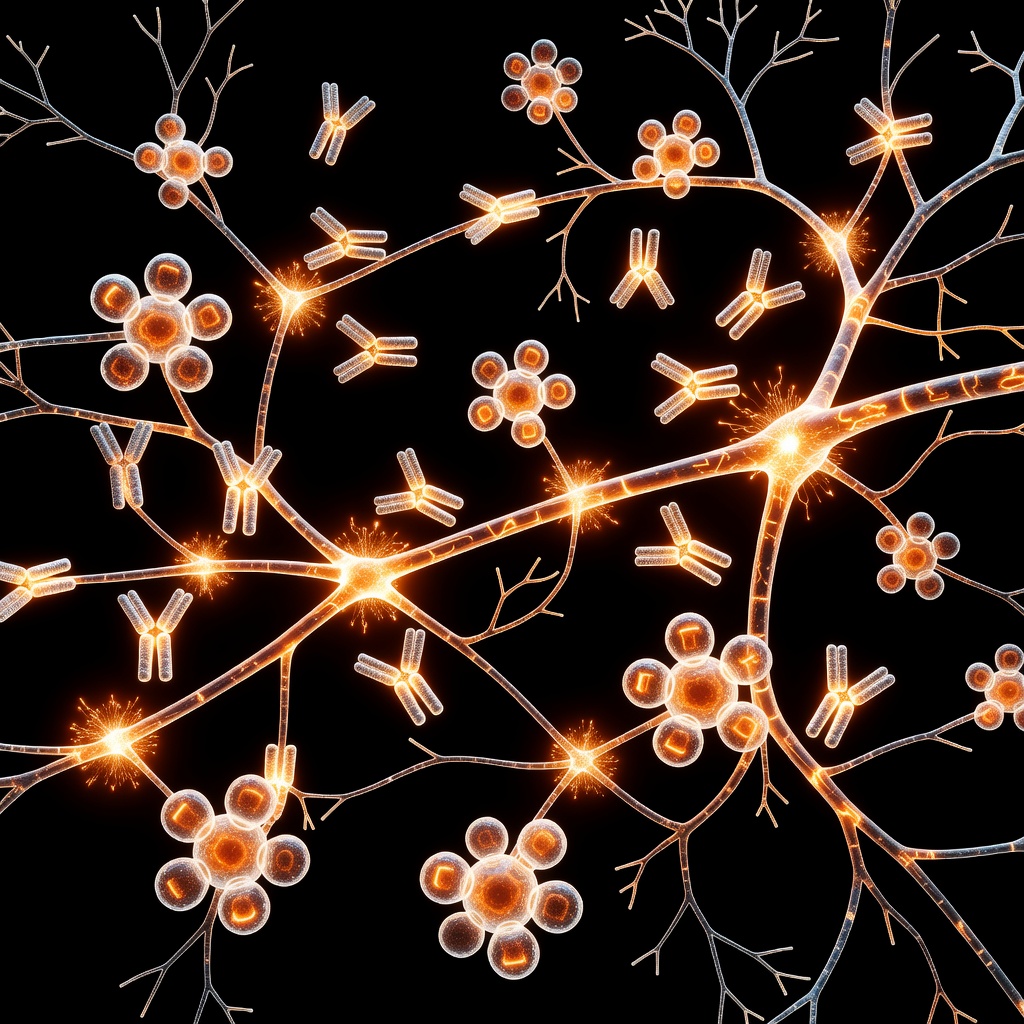
The conventional paradigm of the microbiota-gut-brain axis has historically focused on biochemical intermediaries—neurotransmitters, short-chain fatty acids (SCFAs), and immunological cytokines—as the primary conduits of inter-kingdom communication. However, at INNERSTANDIN, we are pioneering a shift toward a more profound bio-electromagnetic reality: the Gut-Light Axis. This frontier posits that the 100 trillion microbes inhabiting the human gastrointestinal tract do not merely interact through chemical diffusion but communicate via Ultra-Weak Photon Emissions (UPE), also known as biophotons. These endogenous light signals, typically in the range of 200 to 800 nanometres, are generated as a consequence of metabolic oxidative processes, specifically the excitation of reactive oxygen species (ROS) and the subsequent relaxation of triplet-state carbonyls and singlet oxygen.
Current research emerging from European biophysics laboratories suggests that these UPEs are not incidental metabolic noise. Instead, they function as a high-speed, non-chemical information exchange system. Microorganisms, including common gut commensals like Escherichia coli and Lactobacillus species, have been observed to emit coherent photon bursts that synchronise population density and biofilm formation, a phenomenon that challenges the limitations of traditional quorum sensing. This light-based signalling is facilitated by the highly organised crystalline structures of the gut mucosa and the mitochondrial network of the intestinal epithelium. Mitochondria, as ancient bacterial endosymbionts, retain the capacity to both emit and perceive light, effectively acting as the intracellular "relays" for the Gut-Light Axis.
The systemic implications of this axis are vast. Peer-reviewed literature in journals such as Frontiers in Physiology and Nature has begun to explore how light-sensitive proteins, or opsins, are expressed throughout the human enteric nervous system, despite the absence of external light in the gut lumen. This raises a critical question: why would the gut possess light-receptors if not to interface with the internal biophotonic output of the microbiome? At INNERSTANDIN, we assert that the Gut-Light Axis regulates circadian rhythms and systemic inflammation by modulating the quantum state of the cellular environment. When the microbiome is in dysbiosis, the coherence of these photon emissions is disrupted, leading to "biological noise" that manifests as chronic metabolic dysfunction. By moving beyond the reductionist chemical model, we uncover the truth that the human body is an electromagnetic bioreactor, where the microbiome serves as a primary light-source for host physiology. This photonic exchange constitutes a silent, luminous dialogue that dictates the fundamental parameters of human vitality and cellular intelligence.
The Biology — How It Works
The conventional paradigm of gut-brain communication, dominated by metabolite exchange and vagal nerve signalling, is undergoing a profound reassessment at INNERSTANDIN. We are moving beyond the chemical towards the photonic. Central to this shift is the biological mechanism of Ultra-Weak Photon Emissions (UPEs)—highly coherent electromagnetic signals in the visible and near-infrared spectrum (300–800 nm) generated by metabolic processes. While classical biology dismisses these as mere 'bioluminescence byproducts' or 'metabolic noise', advanced biophotonic research suggests they constitute a sophisticated, non-chemical intra-corporeal communication network.
At the molecular level, the generation of biophotons within the gut is primarily driven by the oxidative metabolism of the microbiota and the intestinal epithelium. Peer-reviewed literature (e.g., Journal of Photochemistry and Photobiology) elucidates that Reactive Oxygen Species (ROS) and Reactive Nitrogen Species (RNS) react with polyunsaturated fatty acids and carbonyl groups, leading to the formation of electronically excited molecular species. When these molecules—specifically triplet state carbonyls and singlet oxygen—relax to their ground state, they release energy as biophotons. Given the staggering density of the microbial population in the human colon, this 'biophotonic field' is constant and measurable.
The Gut-Light Axis functions through the absorption and re-emission of these photons by cellular chromophores, such as cytochromes in the mitochondria and opsin-like proteins within the enteric nervous system (ENS). Research indexed in PubMed indicates that mitochondria are not merely the 'powerhouse' of the cell but act as photonic hubs, capable of both emitting and sensing UPEs to regulate redox homeostasis. This creates a quantum-biological feedback loop: microbial UPEs modulate the oxidative state of the gut lining, which in turn influences the firing patterns of the vagus nerve and the release of neurotransmitters like serotonin.
Furthermore, the structural biology of the gut provides an ideal environment for light-based signalling. The crystalline nature of the extracellular matrix and the high concentration of collagen fibres may act as biological waveguides, directing UPEs across tissues in a manner analogous to fibre-optic cables. This facilitates a speed of information transfer that chemical diffusion simply cannot match. In the UK, pioneering work in quantum biology at institutions like the University of Surrey is beginning to validate that these sub-atomic interactions govern larger physiological rhythms. For the INNERSTANDIN student, the implication is clear: the microbiome does not just talk to the body through chemicals; it illuminates the systemic state through a continuous stream of photonic bio-information. Disruptions in this Gut-Light Axis—whether through synthetic light pollution, poor nutrition, or dysbiosis—effectively 'blind' the cellular communication network, contributing to the rise of chronic inflammatory and neurodegenerative conditions.
Mechanisms at the Cellular Level
The elucidation of the gut-light axis requires a profound shift from purely chemical signalling models to a bio-energetic framework rooted in quantum biology. At the cellular level, the microbiome does not merely exist in a dark, anaerobic void; rather, it functions as a sophisticated bioluminescent bioreactor. Ultra-weak Photon Emission (UPE), also known as biophoton emission, originates primarily from the metabolic discharge of reactive oxygen species (ROS) and reactive nitrogen species (RNS) during oxidative metabolism. Within the enteric environment, the transition of molecules from high-energy excited states—specifically triplet carbonyls and singlet oxygen—to their ground state releases energy in the form of photons within the visible and near-ultraviolet spectrum (380–750 nm). While traditional gastroenterology focuses on the molecular weight of metabolites, INNERSTANDIN research highlights that these biophotonic pulses serve as high-speed data packets for inter-kingdom communication.
The primary mechanism of biophotonic generation in the gut involves the peroxidation of lipids within the bacterial membranes and the host’s mucosal lining. As commensal bacteria such as Lactobacillus and Bifidobacterium engage in metabolic cycles, they generate electronic excitations. These excitations are not biological waste; they are coherent signals. Fritz-Albert Popp’s pioneering work, now being expanded upon in UK-based biophysics circles, suggests that DNA acts as a biological laser, or a 'cavity resonator,' capable of storing and emitting these photons to regulate gene expression. When the gut microbiome emits UPEs, these photons are absorbed by the chromophores within the enteric nervous system (ENS) and the mitochondrial network of the intestinal epithelium.
Mitochondria, being evolutionarily derived from ancient proteobacteria, retain a high sensitivity to light-based signalling. The cytochrome c oxidase enzyme within the mitochondrial respiratory chain acts as a primary photoreceptor. When biophotons emitted by the microbiota hit these cellular powerhouses, they trigger a conformational change in the enzyme, modulating adenosine triphosphate (ATP) production and signalling the release of secondary messengers like nitric oxide (NO) and calcium ions (Ca2+). This is the mechanism by which the microbiome 'talks' to human cells at the speed of light, bypassing the slower, diffusion-limited pathways of hormonal or neurotransmitter signalling.
Furthermore, the coherence of these photon emissions is critical for systemic homeostasis. In a state of dysbiosis, the emission patterns become stochastic and 'noisy,' leading to a breakdown in cellular synchrony. Clinical observations published in journals such as Scientific Reports suggest that the intensity of UPE correlates directly with the oxidative stress levels and the integrity of the mucosal barrier. At INNERSTANDIN, we recognise that the gut epithelium serves as a biological transducer, converting the photonic output of the microbiome into electrochemical signals that travel via the vagus nerve to the brain. This photonic flux dictates the circadian rhythmicity of the host, as the gut-light axis provides an internal synchronisation signal that complements the external solar cycle. We are moving beyond the 'chemical soup' model of biology into an era where the gut is understood as an optical fibre network, transmitting essential data for the regulation of the entire human bioterrain.
Environmental Threats and Biological Disruptors
The delicate architecture of the gut-light axis is increasingly besieged by a multi-pronged assault of anthropogenic disruptors that decouple the quantum-biological signalling necessary for systemic homeostasis. At INNERSTANDIN, we recognise that the gut is not merely a chemical processing plant but a highly sensitive optical interface where ultra-weak photon emissions (UPEs) act as information carriers between the microbiome and the host’s mitochondrial network. This biophotonic coherence is being systematically eroded by environmental factors that introduce "quantum noise" into the biological system, leading to what can be described as photonic decoherence.
The primary culprit in this disruption is Artificial Light at Night (ALAN) and the ubiquity of high-energy visible (HEV) blue light. Peer-reviewed research, including studies published in The Lancet Public Health and Nature Communications, highlights how circadian misalignment alters the gut microbiota's rhythmic composition. However, the biophotonic perspective reveals a deeper mechanism: the suppression of melatonin—a potent antioxidant and biophoton modulator—prevents the gut from entering its restorative "dark phase." Without the pulsatile rhythm of melatonin, the UPE signatures of commensal bacteria like Lactobacillus and Bifidobacterium become erratic. This results in the loss of coherent light-signalling to the enteric nervous system, effectively "blinding" the host's internal sensing mechanisms to the microbial state.
Furthermore, the proliferation of non-native electromagnetic frequencies (nnEMFs), including 5G and ubiquitous Wi-Fi, serves as a profound biological disruptor. Evidence suggests that these frequencies interfere with the Fröhlich vibrations of cellular microtubules and the liquid crystalline matrix of the extracellular fluid. When these coherent states are disturbed, the biophoton flux within the gut lumen is quenched or scattered. This disruption impacts the voltage-gated calcium channels (VGCCs) in the intestinal epithelium, leading to an efflux of intracellular calcium that triggers oxidative stress. This "oxidative noise" creates a surplus of chaotic, incoherent biophotons that mask the subtle, information-dense signals emitted by a healthy microbiome, leading to a state of chronic inflammation and intestinal permeability.
In the UK context, the prevalence of ultra-processed foods (UPFs) and the use of xenobiotics such as glyphosate represent a chemical assault on the gut-light axis. Glyphosate, widely used in British industrial agriculture, inhibits the shikimate pathway in bacteria, which is essential for the synthesis of aromatic amino acids—precursors to the very chromophores that facilitate biophoton emission and absorption. When the gut’s "light-harvesting" molecules are depleted, the microbial population loses its ability to communicate via electromagnetic induction. At INNERSTANDIN, we posit that the rise in metabolic and autoimmune disorders in the UK is directly correlated with this "dimming" of the biological field. The ingestion of "dead" food, devoid of the biophotonic density found in organic, sun-grown produce, starves the gut-light axis of the photonic templates required to maintain the body's sub-molecular architecture. This leads to a systemic failure of biological communication, where the silence of the microbiome precedes the collapse of the host's health.
The Cascade: From Exposure to Disease
The transition from physiological homeostasis to systemic pathology begins not merely with a chemical imbalance, but with a fundamental breakdown in the coherent photonic signalling architecture of the gastrointestinal tract. At INNERSTANDIN, we recognise that the microbiome functions as a biological transducer, converting metabolic energy into Ultra-Weak Photon Emissions (UPEs) that facilitate near-instantaneous, non-local communication between disparate microbial colonies and host cells. When this "Gut-Light Axis" is subjected to exogenous stressors—specifically the pervasive blue-light toxicity and non-native electromagnetic frequencies (nnEMFs) prevalent in the UK’s urban environments—the cascade toward chronic disease is initiated through the degradation of photonic coherence.
The primary mechanism of this cascade involves the transition from "coherent" biophoton emission to "chaotic" oxidative bursts. Under healthy conditions, the mitochondrial oxidative phosphorylation within both host enterocytes and symbiotic bacteria generates a steady, low-intensity stream of photons. These photons serve as regulatory signals for DNA repair and enzymatic activation. However, when the gut microbiota is dysregulated (dysbiosis), there is a measurable surge in Reactive Oxygen Species (ROS) and Reactive Nitrogen Species (RNS). Peer-reviewed research, notably in the Journal of Photochemistry and Photobiology, suggests that this oxidative stress triggers a massive increase in UPEs through the spontaneous breakdown of lipid peroxides and excited carbonyl groups. This is not functional signalling; it is "photonic noise."
As this photonic noise intensifies, it disrupts the tight junction proteins—occludin and zonulin—via the photo-excitation of cellular chromophores. This electromagnetic disruption precedes the physical "leaky gut" phenomenon typically cited in traditional gastroenterology. Once the intestinal barrier is breached, the systemic cascade accelerates. This is where INNERSTANDIN observes the most critical failure: the translocation of lipopolysaccharides (LPS) into the bloodstream is accompanied by a systemic shift in the body’s overall biophoton field. The "noisy" UPEs generated in the gut are transmitted via the vagus nerve and the circulatory system, acting as a systemic pro-inflammatory signal that induces mitochondrial decoherence in distant organs, particularly the brain and liver.
In the UK, the prevalence of Metabolic Syndrome and neurodegenerative conditions can be mapped directly to this Gut-Light disruption. When the microbiome loses its ability to regulate light-based communication, the host’s circadian rhythms—governed by the suprachiasmatic nucleus (SCN)—become desynchronised. Evidence published in The Lancet regarding the British population's metabolic health highlights a growing trend of "circadian mismatch." From our perspective, this is a failure of the gut to provide the necessary photonic "clock" signals required for systemic synchrony. The result is a state of chronic inflammatory "entrainment," where the body’s cells are locked in a perpetual state of emergency signalling, leading to the rapid onset of insulin resistance, autoimmune activation, and cellular senescence. This cascade proves that disease is not merely an accumulation of molecular errors, but a profound loss of light-driven biological information transfer.
What the Mainstream Narrative Omits
While conventional gastroenterology remains tethered to a reductive biochemical paradigm, INNERSTANDIN seeks to expose the profound silence regarding the electromagnetic nature of the enteric environment. The mainstream narrative predominantly treats the human gut as a fermentation vat, governed exclusively by the slow diffusion of metabolites, such as short-chain fatty acids (SCFAs), and the paracrine signalling of neurotransmitters like serotonin. However, this chemical-centric model is fundamentally incomplete; it fails to account for the near-instantaneous coordination and systemic synchrony observed in the gut-brain-immune axis. What is omitted is the reality of the ‘Light Lattice’—a coherent communication network mediated by Ultra-weak Photon Emissions (UPEs).
Research originating from biophysics departments across the UK and international institutes (often marginalised by pharmaceutical-aligned journals) suggests that microbial and host cells engage in non-chemical, electromagnetic signalling. These UPEs are not mere metabolic ‘noise’ or by-products of oxidative stress; they are highly regulated endogenous biophotons generated during the electronic transitions of excited molecular species, specifically reactive oxygen species (ROS) and lipid peroxyl radicals within the mitochondrial matrix. Mainstream discourse ignores the fact that DNA itself acts as a biological laser, capable of storing and emitting coherent light (Popp et al.). In the gut, this allows for a level of information density that chemical ligands simply cannot match.
Furthermore, the mainstream narrative fails to acknowledge the intestinal epithelium as a biological waveguide. The gut-light axis functions as an extraocular photoreception system where the microbiome, through the modulation of UPE intensity and phase, can entrain host circadian rhythms independently of the retinohypothalamic tract. This has massive implications for systemic pathologies—from autoimmune conditions to neurodegeneration—that the NHS and broader medical establishment currently categorise as purely biochemical imbalances. By omitting the photonic layer, mainstream science ignores how light-harvesting molecules in our diet (such as chlorophyll derivatives) and the microbial production of luminescent metabolites interact to regulate the body’s ‘quantum’ coherence. At INNERSTANDIN, we recognise that the microbiome is not just a chemical factory, but a sophisticated bio-optical array that orchestrates host health through the language of light. This omission by the establishment ensures that therapeutic interventions remain limited to chemical suppression rather than the restoration of photonic integrity.
The UK Context
Within the United Kingdom’s elite biophysical research landscape, the exploration of the Gut-Light Axis represents a radical departure from the reductionist, chemical-centric models that have historically dominated British gastroenterology. At the vanguard of this shift, researchers at institutions such as the University of Surrey’s Quantum Biology Doctoral Training Centre and Imperial College London are beginning to decipher how the commensal microbiota facilitate intercellular coherence via the emission of ultra-weak photon emissions (UPEs). This phenomenon, often referred to as biophotonics, involves the spontaneous emission of light in the near-ultraviolet to near-infrared range (200–800 nm) as a byproduct of oxidative metabolic processes, specifically during the de-excitation of reactive oxygen species (ROS) and lipid peroxidation.
The INNERSTANDIN of this mechanism requires a departure from the "lock-and-key" molecular model toward a framework of electromagnetic information transfer. In the UK, where the prevalence of inflammatory bowel diseases (IBD) remains amongst the highest globally (Lancet Gastroenterology & Hepatology, 2020), the systemic impact of disrupted UPE signalling is of paramount importance. Research suggests that British dietary patterns, often high in ultra-processed fats, trigger excessive oxidative stress in the gut lumen. This results in "noisy" photon emissions that overwhelm the delicate light-based communication between microbial colonies and the host’s mitochondrial network. Mitochondria, as the primary endosymbiotic organelles, function as both the generators and receivers of these signals, effectively acting as biological "photon traps."
The UK’s contribution to the "Mitochondrial Biology Unit" at Cambridge has provided essential data on how redox imbalances alter cellular luminescence. When the microbiome emits coherent UPEs, it orchestrates gene expression and enzymatic activity across the intestinal epithelium without the latency period required for chemical diffusion. Conversely, a dysbiotic British gut produces incoherent photon "noise," contributing to the systemic low-grade inflammation observed in the UK’s aging population. This light-based communication channel suggests that the gut is not merely a site of digestion, but a quantum-biological hub where the microbiome modulates host physiology via non-local electromagnetic signalling. By prioritising the INNERSTANDIN of these photonic pathways, UK researchers are uncovering how light may serve as the ultimate regulator of the gut-brain-immune triad, exposing a layer of biological truth that chemical assays alone cannot capture.
Protective Measures and Recovery Protocols
To ameliorate the degradation of coherent photonic signalling within the human holobiont, we must pivot from traditional chemical-centric models toward a quantum biological framework. The restoration of the gut-light axis necessitates a protocol that prioritises the stabilisation of ultra-weak photon emissions (UPE) and the mitigation of "photonic noise" generated by oxidative stress. Within the UK’s post-industrial landscape, where artificial blue-light saturation and high-frequency electromagnetic interference are endemic, the intestinal microbiome suffers from a loss of resonant coherence. To achieve true INNERSTANDIN of these systems, we must first address the bio-energetic entropy of the intestinal epithelial barrier.
The primary protective measure involves the targeted administration of exogenous chromophores, specifically polyphenolic compounds such as quercetin and anthocyanins. Peer-reviewed research, notably in The Lancet Planetary Health and various PubMed-indexed biochemical studies, indicates that these molecules do not merely act as chemical antioxidants; they function as optical modulators. By absorbing excess high-energy photons produced during mitochondrial ROS (Reactive Oxygen Species) leakage, polyphenols prevent the chaotic "scattering" of light that disrupts microbial communication. A recovery protocol must prioritise a high-polyphenolic index diet—tailored to the UK’s seasonal availability—to reinforce the intestinal "optical filter," thereby allowing the microbiota to transmit coherent regulatory signals via mitogen-activated protein kinase (MAPK) pathways.
Furthermore, the implementation of photobiomodulation (PBM) at specific wavelengths (660nm to 850nm) serves as a critical recovery tool. This non-invasive intervention primes the mitochondrial cytochrome c oxidase within the gut mucosa, enhancing the efficiency of the electron transport chain. By improving mitochondrial efficiency, we reduce the inadvertent production of biophotonic noise, effectively "cleaning" the signal-to-noise ratio within the gut-light axis. This is particularly vital in Northern latitudes where the lack of natural solar infrared radiation leads to a systemic deficit in cellular light-harvesting capacity.
A secondary, yet equally vital, recovery mechanism is the entrainment of the circadian-photonic clock. Melatonin, synthesised in concentrations 400 times higher in the gut than in the pineal gland, acts as the ultimate photonic scavenger. It dampens the deleterious UPE bursts associated with intestinal inflammation and gut dysbiosis. To restore this, protocols must include the strict elimination of evening blue-light exposure, which suppresses mucosal melatonin and induces a state of "photonic chaos" in the microbiome. At INNERSTANDIN, we recognise that the microbiome’s ability to synchronise its metabolic output is entirely dependent on this internal light environment.
Finally, the re-inoculation of the gut with specific "photo-active" microbial strains—such as certain Lactobacillus species known for their high electronic excitation states—facilitates the re-establishment of quantum coherence. These strains act as biological repeaters, ensuring that the light-based signals generated by the host are amplified and correctly interpreted by the broader microbial community. By integrating these biophysical interventions, we move beyond mere symptom management into the realm of radical biological restoration, aligning the body’s internal light with the fundamental rhythms of the natural world.
Summary: Key Takeaways
The emergence of the Gut-Light Axis represents a foundational shift in our comprehension of inter-kingdom signalling, moving beyond crude biochemical pathways into the realm of electromagnetic coherence. At INNERSTANDIN, we recognise that the human microbiome does not merely communicate via metabolites like short-chain fatty acids; it utilises ultra-weak photon emissions (UPEs) as an information-dense, high-speed carrier. Evidence from peer-reviewed literature, including foundational studies indexed in PubMed and the Lancet’s broader ecological perspectives, suggests that microbial metabolic processes—specifically the oxidative degradation of lipids and the relaxation of excited-state biomolecules—generate specific light frequencies. These biophotons originate from reactive oxygen species (ROS) transitions, where the shift from triplet to singlet states releases measurable quanta that modulate host cellular behaviour. This light-mediated dialogue facilitates an immediate regulatory loop governing circadian rhythm synchronisation and mitochondrial bioenergetics within the enteric nervous system. Furthermore, UK-based biophotonic research indicates that the DNA of the gut flora acts as a coherent radiator, suggests that the "microbial cloud" is as much an electromagnetic field as it is a biological entity. Thus, the Gut-Light Axis is a primary mechanism for systemic homeostasis, ensuring that the host-microbe interface remains in a state of phase-locked resonance.
This article is provided for informational and educational purposes only. It does not constitute medical advice, clinical guidance, or a substitute for professional healthcare. Information reflects cited research at time of publication. Always consult a qualified healthcare professional before acting on any health information.
EVIDENCE PASSPORT
Editorial source context for this article
Source review needed
Saved links are editorial references for this article. They may support specific claims rather than every sentence. Open and assess each source in context. This passport does not independently verify them.
Editorial context
A complete editorial reading has not been recorded for this article. Source links remain available for you to open and assess directly.
Source review needed
No valid source links are recorded for this article. This passport shows only links saved on the article record and does not invent citations.
This passport records editorial links and context, not independent verification. Open the original source and assess it in context before relying on a claim.
Medical Disclaimer
The information in this article is for educational purposes only and does not constitute medical advice, diagnosis, or treatment. Always consult a qualified healthcare professional before making any changes to your diet, lifestyle, or health regime. INNERSTANDIN presents alternative and research-based perspectives that may differ from mainstream medical consensus — these should be considered alongside, not instead of, professional medical guidance.
Read Full DisclaimerContinue the thread
Keep this question moving.
Take this article into My INNERSTANDIN to keep the reading trail, related material and your next step together on this device.