The Gut-Skin Axis: How Compromised Intestinal Permeability Triggers Facial Vasodilation
Discuss this resourceUpdated August 2026
An in-depth exploration of the biological link between leaky gut and rosacea, explaining how systemic inflammation from intestinal permeability drives chronic facial redness and vasodilation.
Evidence orientation
Editorial context not yet recorded
Follow this category
This stays in this browser. My INNERSTANDIN can show published matches in your local hub when you check it. It does not send email, push, or alert notifications.
Local learning review
A private browser aid for revisiting ideas. It is not an alert or a health recommendation.
Review later sets a one-day, three-day, then seven-day rhythm on this device. Choose it only when you want to revisit this article.
For decades, conventional dermatology approached rosacea as a localized skin condition, treating it with topical creams and antibiotics. At INNERSTANDING, we look deeper. We view rosacea not merely as a surface-level malfunction, but as an external manifestation of internal metabolic distress—specifically within the gut-skin axis.
The Anatomy of Permeability
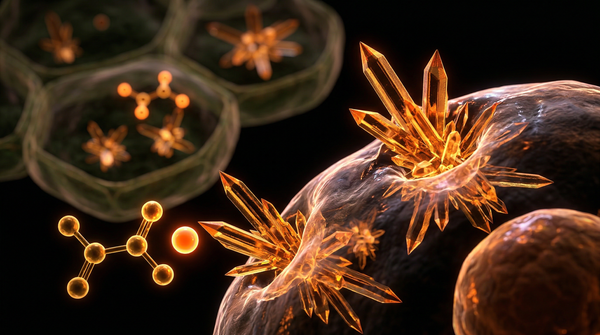
The gut lining is a single-cell-thick barrier designed to be selectively permeable. It allows micronutrients into the bloodstream while blocking pathogens and undigested proteins. When this barrier is compromised—a state known as increased intestinal permeability or 'leaky gut'—the systemic immune system is triggered.
The Inflammatory Cascade
When the tight junctions in the intestinal epithelium loosen, bacterial lipopolysaccharides (LPS) and antigenic peptides enter the circulation. This sets off a systemic inflammatory cascade. The body identifies these molecules as foreign invaders, stimulating the release of pro-inflammatory cytokines such as TNF-alpha, IL-6, and IL-8. These systemic inflammatory markers don't just stay in the gut; they travel through the bloodstream and target peripheral tissues, including the facial vasculature.
Connecting Permeability to Facial Vasodilation
Rosacea is fundamentally a vascular disorder. Facial vasodilation—the sudden, excessive widening of blood vessels—is the body's attempt to respond to inflammatory signals. In individuals with gut-derived systemic inflammation, the nerve endings and blood vessels in the face become hypersensitive. When circulating cytokines reach the dermis, they trigger the release of vasodilatory peptides. Because the blood vessels are already primed by chronic inflammation, they respond with exaggerated dilation, resulting in the characteristic 'flush' or erythema associated with rosacea.
Root-Cause Protocols
To manage rosacea effectively, one must address the intestinal environment. This involves three core pillars:
- Barrier Repair: Focusing on amino acids like L-glutamine and collagen-building nutrients to tighten the mucosal lining.
- Microbiome Balancing: Addressing Small Intestinal Bacterial Overgrowth (SIBO), which is statistically linked to high incidences of rosacea.
- Dietary Modulation: Eliminating inflammatory triggers that spike systemic histamine and exacerbate vascular reactivity.
By healing the gut, we lower the systemic inflammatory load, thereby reducing the 'background noise' that triggers facial redness. We aren't just masking the symptom; we are treating the source.
This article is provided for informational and educational purposes only. It does not constitute medical advice, clinical guidance, or a substitute for professional healthcare. Information reflects cited research at time of publication. Always consult a qualified healthcare professional before acting on any health information.
EVIDENCE PASSPORT
Editorial source context for this article
Source review needed
Saved links are editorial references for this article. They may support specific claims rather than every sentence. Open and assess each source in context. This passport does not independently verify them.
Editorial context
A complete editorial reading has not been recorded for this article, and no source links are saved on its record.
Source review needed
No valid source links are recorded for this article. Supplementary research, where available, is listed separately below.
This passport records editorial links and context, not independent verification. Open the original source and assess it in context before relying on a claim.
Medical Disclaimer
The information in this article is for educational purposes only and does not constitute medical advice, diagnosis, or treatment. Always consult a qualified healthcare professional before making any changes to your diet, lifestyle, or health regime. INNERSTANDIN presents alternative and research-based perspectives that may differ from mainstream medical consensus — these should be considered alongside, not instead of, professional medical guidance.
Read Full DisclaimerContinue the thread
Keep this question moving.
Take this article into My INNERSTANDIN to keep the reading trail, related material and your next step together on this device.
Explore this in the Body Map
Explore related body structures and their educational pages in the interactive Body Map.
Dig deeper in the Library
Free, longform PDF volumes that go beyond headlines into mechanisms and references.
RABBIT HOLE
Follow the biological thread deeper