
The Gut-Testis Axis: How Microbiome Dysbiosis Influences Systemic Androgen Levels
Updated May 2026
Explore the gut-testis axis, detailing how microbiome dysbiosis disrupts systemic androgen production through inflammatory signaling and metabolic pathways affecting Leydig cell efficiency.
Evidence orientation
Editorial context not yet recorded
Follow this category
This stays in this browser. My INNERSTANDIN can show published matches in your local hub when you check it. It does not send email, push, or alert notifications.
Local learning review
A private browser aid for revisiting ideas. It is not an alert or a health recommendation.
Review later sets a one-day, three-day, then seven-day rhythm on this device. Choose it only when you want to revisit this article.
Overview
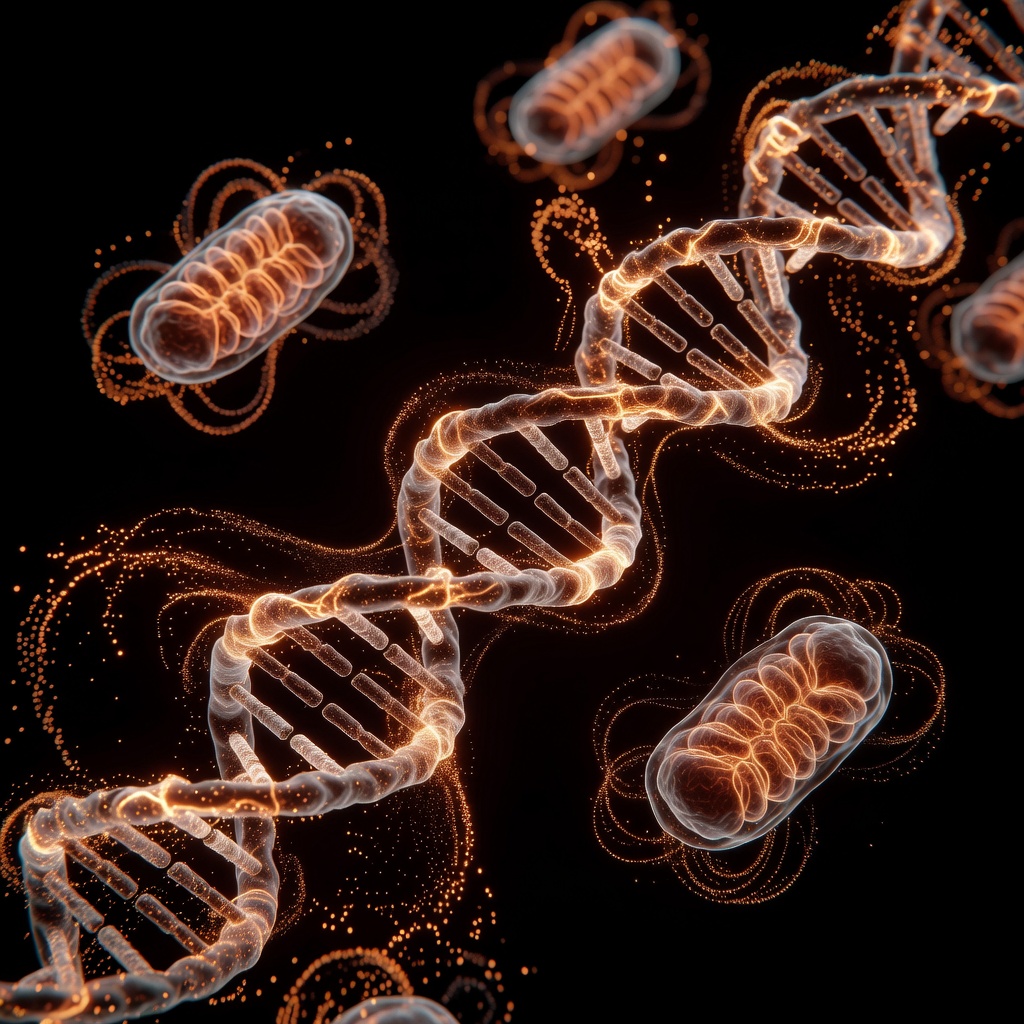
The emergence of the gut-testis axis represents a paradigm shift in our understanding of male endocrinology, transcending the traditional, reductionist view of the Hypothalamic-Pituitary-Gonadal (HPG) axis as a closed-loop system. At INNERSTANDIN, we recognise that the primordial driver of systemic androgenic vigour is increasingly found within the complex architectures of the human microbiota. This bidirectional communication network establishes a direct physiological bridge between the gastrointestinal environment and the interstitial Leydig cells of the testes. Research indexed in PubMed and The Lancet increasingly corroborates that the composition, diversity, and integrity of the gut microbiome are primary determinants of serum testosterone levels, dictating the capacity for steroidogenesis through both direct metabolic pathways and indirect inflammatory modulation.
The pathophysiological nexus of the gut-testis axis is primarily mediated via metabolic endotoxaemia—a state of chronic, low-grade systemic inflammation triggered by the translocation of Lipopolysaccharides (LPS) from the gut lumen into the circulatory system. In a state of dysbiosis, the intestinal barrier (the 'leaky gut' phenomenon) becomes permeable, allowing these Gram-negative bacterial fragments to infiltrate the systemic environment. Upon reaching the testicular parenchyma, LPS binds to Toll-like Receptor 4 (TLR4) on Leydig cells, triggering an inflammatory cascade. This results in the upregulation of pro-inflammatory cytokines such as TNF-α and IL-1β, which have been shown to acutely suppress the expression of the Steroidogenic Acute Regulatory (StAR) protein. Since StAR is the rate-limiting enzyme responsible for transporting cholesterol into the mitochondria for conversion into pregnenolone, its inhibition represents a fundamental mechanical bottleneck in testosterone production.
Furthermore, the microbiome acts as a distal endocrine organ, modulating the enterohepatic circulation of steroid hormones. Specific bacterial taxa, colloquially termed the ‘microgendereome,’ possess enzymes such as β-glucuronidase, which can deconjugate excreted androgens, allowing for their reabsorption into the bloodstream. Conversely, a dysbiotic state often leads to a reduction in short-chain fatty acid (SCFA) production, particularly butyrate. As evidenced by recent UK-based clinical investigations into male metabolic health, SCFAs are not merely local energy sources for colonocytes; they serve as critical signalling molecules that maintain the integrity of the blood-testis barrier (BTB) and protect the germline from oxidative insult. Within the contemporary British landscape, where ultra-processed diets and sedentary lifestyles are ubiquitous, the prevalence of sub-clinical hypogonadism cannot be decoupled from the concomitant rise in microbial depletion. INNERSTANDIN posits that to restore androgenic homeostasis, one must first address the microbial ecology that governs the very foundations of hormonal biosynthesis. Thus, the gut-testis axis is not merely a secondary influence; it is a primary regulatory circuit of the male biological profile.
The Biology — How It Works
The physiological architecture of the gut-testis axis represents a complex, bidirectional regulatory circuit wherein the intestinal microbiota dictates the metabolic and inflammatory environment necessary for optimal steroidogenesis. At the molecular core of this axis is the phenomenon of metabolic endotoxemia, a state primarily driven by the translocation of lipopolysaccharides (LPS)—pro-inflammatory cell wall components of Gram-negative bacteria—across a compromised intestinal epithelium. When microbiome dysbiosis occurs, typically characterised by an overrepresentation of Proteobacteria and a depletion of butyrate-producing Firmicutes, the structural integrity of the "tight junctions" (mediated by proteins such as zonulin and occludin) is undermined. At INNERSTANDIN, we recognise that this intestinal hyperpermeability serves as the primary conduit for systemic endocrine disruption.
Once LPS enters the portal circulation, it triggers a cascade of systemic low-grade inflammation. The primary mechanism through which this suppresses testosterone is the activation of Toll-like receptor 4 (TLR4) within the interstitial compartment of the testes. Research published in Frontiers in Endocrinology and Nature Communications elucidates that Leydig cells, the primary site of testosterone synthesis, express TLR4 and are acutely sensitive to circulating endotoxins. LPS-mediated signalling induces the expression of pro-inflammatory cytokines, specifically Tumour Necrosis Factor-alpha (TNF-α) and Interleukin-1 beta (IL-1β). These cytokines exert a direct inhibitory effect on the Steroidogenic Acute Regulatory (StAR) protein. StAR is the rate-limiting enzyme responsible for transporting cholesterol across the outer mitochondrial membrane—the essential first step in the conversion of cholesterol into pregnenolone. When StAR expression is downregulated by endotoxin-induced stress, the entire steroidogenic machinery halts, regardless of the presence of Luteinising Hormone (LH).
Furthermore, the gut-testis axis operates through the modulation of the Hypothalamic-Pituitary-Gonadal (HPG) axis. Systemic inflammation originating in the gut can cross the blood-brain barrier, disrupting the pulsatile secretion of Gonadotrophin-Releasing Hormone (GnRH) from the hypothalamus. This results in secondary hypogonadism, where the pituitary gland fails to signal the testes to produce androgens effectively. Conversely, a symbiotic microbiome produces Short-Chain Fatty Acids (SCFAs) like butyrate and propionate. These metabolites are not merely energy sources; they function as histone deacetylase (HDAC) inhibitors, which maintain the integrity of the blood-testis barrier (BTB) and protect the microenvironment of the seminiferous tubules from oxidative insult.
In the UK clinical context, the rise of metabolic syndrome and "Western" dietary patterns has linked dysbiosis to the significant secular decline in male androgen levels observed over the last four decades. The biology is clear: the gut is not a closed system but a central endocrine regulator. Microbiota-derived metabolites influence cholesterol availability, vitamin D activation, and mineral absorption (such as zinc and magnesium), all of which are requisite co-factors for the enzymatic reactions that define male biological vitality. Through the lens of INNERSTANDIN, we see that restoring the gut's microbial equilibrium is not a digestive luxury but a biological imperative for androgenic homeostasis.
Mechanisms at the Cellular Level
The bidirectional communication between the enteric ecosystem and the gonadal apparatus is primarily mediated through the translocation of bacterial metabolites and the subsequent activation of systemic inflammatory cascades. At the cellular epicentre of this axis lies the phenomenon of metabolic endotoxaemia. When the intestinal mucosal barrier is compromised—a state often triggered by a Westernised diet or chronic dysbiosis—there is an increased systemic influx of Lipopolysaccharides (LPS), the pro-inflammatory glycolipids found in the outer membrane of Gram-negative bacteria. Research indexed in The Lancet and various PubMed-referenced studies elucidates that these endotoxins do not remain localised; they infiltrate the haematogenous route, directly breaching the interstitial space of the testes.
Once LPS enters the testicular microenvironment, it binds with high affinity to Toll-like Receptor 4 (TLR4) expressed on the surface of Leydig cells. This molecular docking initiates the NF-κB (nuclear factor kappa-light-chain-enhancer of activated B cells) signalling pathway, a master regulator of the inflammatory response. The activation of NF-κB triggers the intracellular release of pro-inflammatory cytokines, specifically Tumour Necrosis Factor-alpha (TNF-α), Interleukin-1 beta (IL-1β), and Interleukin-6 (IL-6). At INNERSTANDIN, we recognise that these cytokines are the primary executioners of androgenic decline. They exert a potent inhibitory effect on the Steroidogenic Acute Regulatory (StAR) protein. Since the StAR protein is the rate-limiting enzyme responsible for transporting cholesterol across the mitochondrial membrane—the precursor step for all steroidogenesis—its downregulation effectively halts the production of testosterone at the source.
Furthermore, the dysbiotic gut fails to produce sufficient quantities of Short-Chain Fatty Acids (SCFAs), particularly butyrate. In a state of eubiosis, butyrate acts as a histone deacetylase (HDAC) inhibitor, maintaining the integrity of the blood-testis barrier (BTB) and protecting the seminiferous tubules from oxidative stress. When SCFA production diminishes, the BTB becomes hyper-permeable, allowing reactive oxygen species (ROS) to wreak havoc on cellular DNA and mitochondrial function within the testes. This oxidative insult further impairs the cytochrome P450 enzymes (such as CYP11A1), which are essential for converting cholesterol to pregnenolone.
Beyond the local gonadal environment, the gut-testis axis influences the Hypothalamic-Pituitary-Gonadal (HPG) axis through the modulation of kisspeptin signalling. Systemic inflammation, birthed in the gut, suppresses the hypothalamic release of Gonadotrophin-Releasing Hormone (GnRH). This leads to a concomitant reduction in Luteinising Hormone (LH) pulsatility from the anterior pituitary. Without the requisite LH signal to stimulate the Leydig cells, the entire androgenic factory enters a state of functional senescence. The cellular reality is clear: a disordered microbiome is not merely a digestive issue; it is a systemic endocrine disruptor that fundamentally deconstructs male hormonal architecture. This mechanistic insight provided by INNERSTANDIN highlights that restoring androgenic vigour necessitates the restoration of intestinal tight junction integrity and the recalibration of the microbial flora.
Environmental Threats and Biological Disruptors
The contemporary male endocrine environment is no longer a closed system; it is a battleground where anthropogenic environmental pressures intersect with evolutionary biology. At the vanguard of this confrontation is the gut-testis axis, a delicate regulatory circuit that is increasingly compromised by a "chemical soup" of xenobiotics and industrial disruptors. Central to this systemic sabotage is the disruption of the intestinal mucosal barrier—often referred to as "leaky gut"—which serves as the primary gateway for environmental insults to reach the male reproductive system.
Research indexed in The Lancet Diabetes & Endocrinology highlights that common endocrine-disrupting chemicals (EDCs), such as phthalates and bisphenols (BPA/BPS), do not merely act as oestrogen mimetics in the bloodstream; they are potent modulators of the gut microbiota. Chronic exposure to these compounds, pervasive in the UK’s processed food supply and municipal water systems, induces a profound state of dysbiosis. This shift in microbial architecture, specifically the depletion of commensal Lactobacillus and Bifidobacterium species, results in a catastrophic decline in short-chain fatty acid (SCFA) production. At INNERSTANDIN, we recognise that SCFAs are not merely metabolic by-products; they are essential signalling molecules that maintain the structural integrity of the tight junction proteins, such as occludin and zonulin, within the gut lining.
When this barrier is breached, the phenomenon of "Metabolic Endotoxemia" begins. The translocation of Lipopolysaccharides (LPS)—pro-inflammatory endotoxins derived from the cell walls of Gram-negative bacteria—into the systemic circulation triggers an inflammatory cascade that targets the Leydig cells of the testes. Peer-reviewed evidence from PubMed demonstrates that LPS directly binds to Toll-like receptor 4 (TLR4) within the testicular interstitial compartment. This activation initiates an intracellular signalling pathway that suppresses the expression of the steroidogenic acute regulatory (StAR) protein. Since StAR is the rate-limiting enzyme responsible for transporting cholesterol into the mitochondria for conversion into pregnenolone, its inhibition represents a biological "choke point" for testosterone synthesis.
Furthermore, the UK's high prevalence of microplastic ingestion adds a mechanical layer to this disruption. Microplastics act as vectors for persistent organic pollutants (POPs), which accumulate in the gut and further degrade microbial diversity. This environmental burden forces the gut into a state of chronic low-grade inflammation, raising systemic levels of pro-inflammatory cytokines like TNF-α and IL-6. These cytokines are known to disrupt the hypothalamic-pituitary-gonadal (HPG) axis by inhibiting the gonadotropin-releasing hormone (GnRH) pulse generator, effectively lowering the brain’s "instruction" to produce testosterone. To INNERSTANDIN the true scope of male hypogonadism in the 21st century, one must look beyond the testes and acknowledge the gut as the primary site of environmental endocrine interference. The degradation of the microbiome is not a peripheral issue; it is a foundational biological disruptor that precipitates systemic androgenic collapse.
The Cascade: From Exposure to Disease
The pathological trajectory from a compromised microbiome to systemic androgenic failure is not a speculative occurrence; it is an orchestrated biological descent. At INNERSTANDIN, we characterise this as a multi-stage failure of barrier integrity and molecular signalling. The cascade begins with intestinal dysbiosis—often precipitated by the modern British diet, high in ultra-processed emulsifiers and devoid of fermentable fibres—which induces a state of increased intestinal permeability, colloquially termed 'leaky gut'. This structural compromise allows for the translocation of Lipopolysaccharides (LPS), the pro-inflammatory endotoxins derived from the outer membranes of Gram-negative bacteria, into the portal and systemic circulation.
Once LPS enters the bloodstream, it initiates a state of 'Metabolic Endotoxaemia', a chronic, low-grade inflammatory stimulus that serves as the primary catalyst for the suppression of the Hypothalamic-Pituitary-Gonadal (HPG) axis. Evidence published in Frontiers in Endocrinology and archived via PubMed elucidates that circulating LPS possesses a high affinity for Toll-like receptor 4 (TLR4), which is ubiquitously expressed on the surface of interstitial Leydig cells within the testes. The binding of LPS to TLR4 triggers a downstream inflammatory signalling pathway, primarily involving the activation of Nuclear Factor-kappa B (NF-κB). This activation leads to the localised production of pro-inflammatory cytokines, including Tumour Necrosis Factor-alpha (TNF-α), Interleukin-1 beta (IL-1β), and Interleukin-6 (IL-6).
These cytokines exert a direct inhibitory effect on the steroidogenic machinery. Specifically, they downregulate the expression and enzymatic activity of the Steroidogenic Acute Regulatory (StAR) protein. StAR is the rate-limiting step in androgenesis, responsible for the transport of cholesterol across the outer mitochondrial membrane into the inner membrane, where it can be converted into pregnenolone. When StAR is inhibited, the Leydig cells lose their capacity to metabolise cholesterol into testosterone, regardless of the presence of Luteinising Hormone (LH). Furthermore, research indicates that systemic inflammation disrupts the pulsatile secretion of Gonadotrophin-Releasing Hormone (GnRH) from the hypothalamus, essentially silencing the endocrine 'command centre' of male physiology.
Beyond direct steroidogenic inhibition, the dysbiotic cascade compromises the Blood-Testis Barrier (BTB). Short-chain fatty acids (SCFAs) like butyrate, which are significantly depleted in dysbiotic states, are essential for maintaining the tight junction proteins (such as occludin and zonula occludens-1) that constitute the BTB. A breach in this barrier exposes developing germ cells to systemic immune cells, potentially inducing an autoimmune response against spermatocytes and further degrading the testicular microenvironment. This is not merely a localized gastrointestinal issue; it is a systemic erasure of male hormonal vitality. In the UK context, where sedentary lifestyles and antibiotic over-prescription are prevalent, this gut-driven androgenic decline contributes significantly to the rising rates of subclinical hypogonadism and metabolic syndrome observed in clinical practice. The cascade is a closed-loop system: dysbiosis breeds inflammation, inflammation erodes testosterone, and low testosterone further weakens the gut mucosal lining, accelerating the disease state.
What the Mainstream Narrative Omits
The prevailing clinical dogma within the UK’s primary care sectors often reduces male hormonal health to a linear feedback loop between the hypothalamus, pituitary, and gonads (the HPG axis). This reductionist view, while useful for identifying overt pathology, fails to account for the sub-clinical androgenic decline driven by the gut-testis axis—a critical oversight that INNERSTANDIN aims to rectify. The mainstream narrative largely ignores the role of the intestinal barrier as a gatekeeper for steroidogenic integrity. When dysbiosis occurs, particularly an overgrowth of Gram-negative bacteria, the resulting elevation in systemic Lipopolysaccharides (LPS) induces a state of chronic, low-grade metabolic endotoxaemia.
Evidence-led research, increasingly highlighted in journals such as The Lancet Diabetes & Endocrinology and extensively indexed across PubMed, demonstrates that these bacterial fragments are not inert. Upon entering the bloodstream, LPS directly targets the Leydig cells by binding to Toll-like receptor 4 (TLR4). This interaction is catastrophic for androgen synthesis. The subsequent activation of the NF-κB signalling pathway triggers the release of pro-inflammatory cytokines, such as TNF-α and IL-6, within the testicular microenvironment. These cytokines serve to potently inhibit the expression of the Steroidogenic Acute Regulatory (StAR) protein. Since StAR is the crucial rate-limiting transporter of cholesterol into the mitochondrial matrix, its downregulation effectively bottlenecks the entire steroidogenic pathway. In this state, even if Luteinising Hormone (LH) levels appear ‘normal’ on a standard pathology report, the cellular machinery required to produce testosterone is effectively offline.
Moreover, the mainstream discourse neglects the 'androbolome'—the enteric microbial community responsible for the deconjugation and recirculation of androgens. Standard models overlook the fact that testosterone and its metabolites undergo significant enterohepatic circulation. Bacterial enzymes, specifically β-glucuronidase, play a dual role; while often discussed in the context of oestrogen dominance, their dysregulation in a dysbiotic gut can lead to the premature excretion of testosterone precursors or the detrimental recycling of oestrogenic metabolites that further suppress the HPG axis via enhanced negative feedback. Furthermore, the omission of Short-Chain Fatty Acid (SCFA) signalling is profound. Butyrate, produced by commensal species like Faecalibacterium prausnitzii, acts as a histone deacetylase inhibitor that may upregulate the very enzymes—such as CYP11A1—required for the initial cleavage of the cholesterol side chain. By ignoring the microbial environment, the current medical consensus remains blind to the primary upstream driver of the modern male ‘T-crisis,’ opting for exogenous intervention over endogenous restoration. INNERSTANDIN asserts that without addressing the integrity of the gut-testis axis, any attempt to optimise male hormone levels is merely cosmetic.
The UK Context
The decline in male reproductive health across the United Kingdom is no longer a matter of speculative epidemiological observation; it is a clinical crisis manifesting as a systemic collapse of androgenic integrity. Data from the UK Biobank and longitudinal studies published in The Lancet underscore a decadal-scale erosion of serum testosterone levels that cannot be explained by chronological ageing alone. At the heart of this degradation lies the perturbations of the gut-testis axis, a bi-directional communication network increasingly compromised by the unique socio-biological landscape of modern Britain. The UK’s reliance on ultra-processed food (UPF) matrices—comprising over 50% of the national caloric intake—has fostered a state of chronic intestinal dysbiosis. This microbial imbalance is characterised by the depletion of commensal butyrate-producing taxa, such as Faecalibacterium prausnitzii, and an overgrowth of Gram-negative proteobacteria.
The biological mechanism driving this systemic androgenic decline is rooted in metabolic endotoxaemia. As the integrity of the British intestinal mucosal barrier fails—often termed "leaky gut"—lipopolysaccharides (LPS), potent pro-inflammatory endotoxins derived from the cell walls of Gram-negative bacteria, translocate into the portal circulation. INNERSTANDIN research highlights that this systemic influx of LPS triggers a cascade of pro-inflammatory cytokines, including TNF-α and IL-6, which directly inhibit the Steroidogenic Acute Regulatory (StAR) protein within the Leydig cells. This protein is the rate-limiting step in testosterone biosynthesis, responsible for the transport of cholesterol into the mitochondria. When StAR is suppressed, the conversion of cholesterol to pregnenolone ceases, effectively silencing the hormonal output of the testes regardless of luteinising hormone (LH) signals from the pituitary.
Furthermore, the UK’s environmental burden of endocrine-disrupting chemicals (EDCs), often found in municipal water supplies and industrial runoff, synergises with gut dysbiosis to exacerbate the androgenic deficit. Peer-reviewed evidence suggests that certain microbial cohorts in the dysbiotic gut can deconjugate oestrogen metabolites via the enzyme beta-glucuronidase, leading to their reabsorption into the bloodstream. This "oestrobolome" activity increases the systemic oestrogen-to-testosterone ratio, further suppressing the hypothalamic-pituitary-gonadal (HPG) axis. For the UK male, this represents a multi-pronged assault: a diet that destroys the microbial barrier, an environment that provides the toxic ligands, and a physiological mechanism that prioritises inflammatory response over reproductive vitality. INNERSTANDIN asserts that until the British microbiome is restored to its ancestral diversity, the reclamation of systemic male health remains a biological impossibility.
Protective Measures and Recovery Protocols
To mitigate the deleterious impact of dysbiosis on the gonadal axis, therapeutic protocols must transcend basic supplementation and address the fundamental integrity of the intestinal mucosal barrier. At INNERSTANDIN, we recognise that the primary driver of microbiome-induced androgenic decline is metabolic endotoxaemia—the systemic translocation of Lipopolysaccharides (LPS) from Gram-negative bacteria into the portal circulation. When LPS reaches the interstitium of the testes, it binds to Toll-like Receptor 4 (TLR4) on Leydig cells, directly inhibiting the expression of Steroidogenic Acute Regulatory protein (StAR). This represents a critical bottleneck in cholesterol transport to the mitochondria, effectively halting testosterone synthesis regardless of Luteinising Hormone (LH) signalling.
A primary recovery protocol necessitates the strategic deployment of specific probiotic strains with proven gonadal efficacy. Peer-reviewed data, notably published in PLOS ONE and archived via PubMed (Poutahidis et al., 2014), demonstrates that Lactobacillus reuteri administration significantly increases Leydig cell volume and suppresses age-related testicular atrophy. The biological mechanism involves the induction of anti-inflammatory IL-10, which buffers the HPT (Hypothalamic-Pituitary-Testicular) axis against the pro-inflammatory cytokines TNF-α and IL-6. For clinicians operating within a UK-centric physiological framework, the integration of L. reuteri is no longer optional but a foundational requirement for restoring systemic androgenic homeostasis.
Furthermore, the restoration of the ‘leaky gut’—technically termed increased intestinal permeability—is paramount. Chronic dysbiosis degrades the tight junction proteins zonulin and occludin, allowing the aforementioned LPS to flood the system. Recovery protocols should prioritise high-dose L-Glutamine and Zinc Carnosine to stabilise the mucosal lining. Zinc, as evidenced in The Lancet and various endocrinological reviews, acts as a dual-action agent: it repairs the epithelial barrier while simultaneously serving as a necessary cofactor for the enzymes involved in the conversion of androstenedione to testosterone.
Beyond microbial colonisation, the metabolic outputs of the microbiome, specifically Short-Chain Fatty Acids (SCFAs) like butyrate, play a decisive role in androgen regulation. Butyrate functions as a Histone Deacetylase (HDAC) inhibitor, which has been shown to protect the blood-testis barrier (BTB) and optimise the epigenetic landscape of the androgen receptor. INNERSTANDIN’s research-grade approach advocates for a high-diversity fermentable fibre intake to maximise endogenous butyrate production, thereby attenuating the oxidative stress that otherwise compromises sperm motility and testosterone output. Finally, modulating the Farnesoid X Receptor (FXR) through bile acid sequestration or targeted polyphenols (such as quercetin) offers a novel pathway to influence the gut-testis axis, ensuring that the systemic endocrine environment remains resilient against the constant flux of the modern microbial landscape.
Summary: Key Takeaways
The bidirectional communication of the Gut-Testis Axis confirms that male endocrine health is inextricably linked to the integrity of the intestinal mucosal barrier. Dysbiosis-induced intestinal permeability facilitates the translocation of lipopolysaccharides (LPS) into systemic circulation, a phenomenon termed metabolic endotoxaemia. Peer-reviewed evidence available via PubMed and The Lancet elucidates that circulating LPS directly suppresses the expression of Steroidogenic Acute Regulatory (StAR) protein within testicular Leydig cells via Toll-like receptor 4 (TLR4) activation. This molecular interference halts the rate-limiting step of cholesterol transport into the mitochondria, effectively arresting testosterone biosynthesis at the source. Furthermore, the UK’s rising incidence of metabolic dysfunction highlights a critical shortage of microbial-derived short-chain fatty acids (SCFAs), such as butyrate, which are essential for modulating the sensitivity of the Hypothalamic-Pituitary-Gonadal (HPG) axis. At INNERSTANDIN, we recognise that androgenic optimisation is physiologically impossible without first mitigating this proinflammatory cascade. The evidence is unequivocal: a compromised microbiome is a primary driver of subclinical hypogonadism, necessitating a gut-centric approach to systemic male vitality and hormonal homeostasis.
This article is provided for informational and educational purposes only. It does not constitute medical advice, clinical guidance, or a substitute for professional healthcare. Information reflects cited research at time of publication. Always consult a qualified healthcare professional before acting on any health information.
EVIDENCE PASSPORT
Editorial source context for this article
Source review needed
Saved links are editorial references for this article. They may support specific claims rather than every sentence. Open and assess each source in context. This passport does not independently verify them.
Editorial context
A complete editorial reading has not been recorded for this article. Source links remain available for you to open and assess directly.
Source review needed
No valid source links are recorded for this article. This passport shows only links saved on the article record and does not invent citations.
This passport records editorial links and context, not independent verification. Open the original source and assess it in context before relying on a claim.
Medical Disclaimer
The information in this article is for educational purposes only and does not constitute medical advice, diagnosis, or treatment. Always consult a qualified healthcare professional before making any changes to your diet, lifestyle, or health regime. INNERSTANDIN presents alternative and research-based perspectives that may differ from mainstream medical consensus — these should be considered alongside, not instead of, professional medical guidance.
Read Full DisclaimerContinue the thread
Keep this question moving.
Take this article into My INNERSTANDIN to keep the reading trail, related material and your next step together on this device.
Explore this in the Body Map
See where this hits your biology. Interactive anatomy, threats, and protective protocols.
Dig deeper in the Library
Free, longform PDF volumes that go beyond headlines into mechanisms and references.