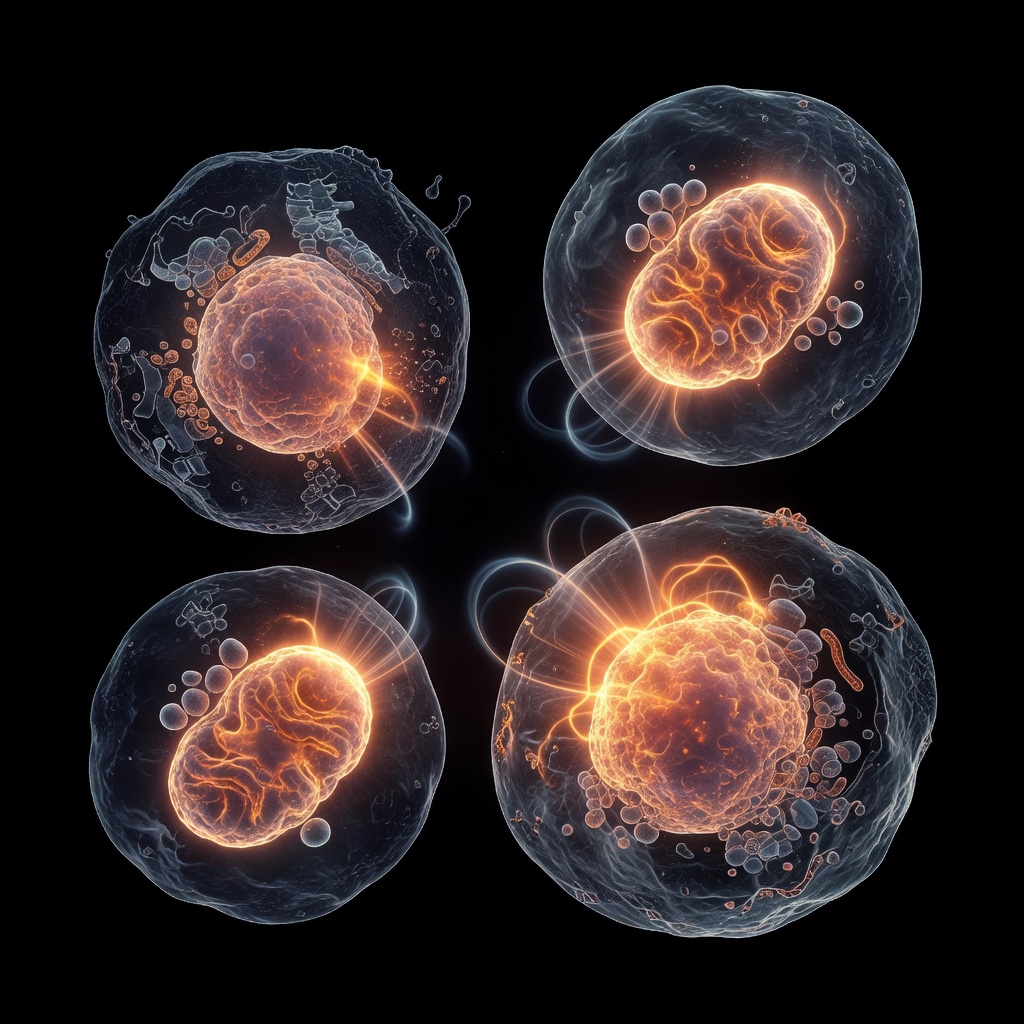
The Hidden Resident: Exploring Blastocystis Hominis and its Role in UK Gut Health

Overview
The microbial landscape of the British gastrointestinal tract is often framed through the narrow lens of bacterial diversity, yet the most prevalent eukaryotic inhabitant remains shrouded in clinical ambiguity. *Blastocystis hominis*—now more accurately categorised as *Blastocystis* spp. to reflect its vast genetic diversity—is an anaerobic stramenopile that inhabits the human large intestine with a ubiquity that challenges conventional diagnostic paradigms. Within the UK’s clinical framework, *Blastocystis* has historically been dismissed as a harmless commensal, a mere bystander in the gut’s ecology. However, at INNERSTANDIN, we recognise that this "hidden resident" operates as a sophisticated stealth pathogen, its pathogenicity dictated not merely by its presence, but by subtype specificity and the host’s immunological resilience.
Research published in *The Lancet Infectious Diseases* and various genomic studies highlight that *Blastocystis* is not a monolithic entity; it comprises at least 22 identified subtypes (STs), with ST1 through ST4 dominating European populations. The biological mechanisms by which this protist exerts influence are multifaceted. Unlike simple bacterial infections, *Blastocystis* employs a suite of cysteine proteases that actively degrade secretory IgA (sIgA), the primary defensive immunoglobulin of the mucosal barrier. By neutralizing sIgA, the organism facilitates its own persistence while simultaneously compromising the host’s ability to manage other enteric challenges. Furthermore, evidence suggests that certain virulent subtypes, particularly ST3, trigger the upregulation of pro-inflammatory cytokines such as IL-8 and TNF-α via the NF-κB signalling pathway, inducing a state of chronic low-grade inflammation that mirrors the pathophysiology of Irritable Bowel Syndrome (IBS).
The systemic impact of *Blastocystis* extension beyond the lumen of the colon is a critical focal point for INNERSTANDIN. Technical analysis reveals that the organism induces intestinal hyperpermeability—commonly termed 'leaky gut'—by modulating tight junction proteins like zonulin and occludin. This breakdown of barrier integrity allows for the translocation of metabolic endotoxins into the systemic circulation, potentially explaining the extra-intestinal manifestations frequently reported in UK cohorts, including chronic urticaria and persistent fatigue. While traditional NHS diagnostic protocols often rely on standard microscopy, which frequently yields false negatives due to the organism’s polymorphic nature (vacuolar, granular, amoeboid, and cyst forms), high-sensitivity PCR (Polymerase Chain Reaction) testing is revealing a significantly higher prevalence than previously recorded. This discrepancy suggests that a vast number of UK citizens are harbouring a stealth pathogen that actively reconfigures their microbiome, depleting beneficial *Bifidobacterium* and *Akkermansia* populations, and setting the stage for long-term metabolic and immunological dysfunction. The time has come to shift the narrative from passive commensalism to an evidence-led understanding of *Blastocystis* as a pivotal architect of chronic gut pathology.
The Biology — How It Works
To truly grasp the impact of *Blastocystis hominis* within the UK’s escalating landscape of gastrointestinal distress, one must look past its historical misclassification as a yeast or harmless commensal. *Blastocystis* is an anaerobic, unicellular stramenopile—a lineage distinct from both fungi and protozoa—characterised by an extraordinary morphological plasticity that facilitates its status as a premier stealth pathogen. At INNERSTANDIN, we recognise that its biological evasion strategies are what make it a formidable resident within the human colon.
The organism exists in four primary morphological forms: vacuolar, granular, amoeboid, and cystic. The vacuolar form is the most prevalent in clinical samples, identified by a massive central vacuole that displaces the cytoplasm and organelles to the periphery. However, it is the amoeboid form that dictates its pathogenic potential. Evidence published in *The Lancet Infectious Diseases* suggests that the amoeboid variant is disproportionately isolated from symptomatic patients, exhibiting greater adherence to the intestinal epithelium. This adherence is mediated by specific surface lectins that bind to the terminal sugar residues of the host’s mucus layer, particularly $N$-acetylglucosamine.
Once anchored, *Blastocystis* initiates a cascade of molecular disruptions. Research cited in *PubMed* (e.g., *Mirza et al., 2011*) elucidates the role of cysteine proteases secreted by the organism. These enzymes specifically target and degrade Immunoglobulin A (IgA), the primary neutralising antibody of the mucosal immune system. By cleaving IgA, *Blastocystis* effectively blinds the host’s innate secondary defences, allowing for unchecked proliferation. Furthermore, these proteases induce the secretion of pro-inflammatory cytokines, specifically Interleukin-8 (IL-8) and TNF-α, from intestinal epithelial cells. This triggers a localized inflammatory response that disrupts the tight junction proteins—specifically zonula occludens-1 (ZO-1) and occludin—increasing intestinal permeability, a phenomenon commonly referred to in clinical circles as "leaky gut."
The systemic implications for the UK population are significant, particularly given the organism's high prevalence in NHS diagnostic cohorts presenting with Irritable Bowel Syndrome (IBS). *Blastocystis* does not merely exist in the lumen; it actively modulates the host microbiome. It has been observed to decrease the abundance of beneficial *Bifidobacterium* and *Lactobacillus* species while promoting an environment conducive to opportunistic proteobacteria. Moreover, the organism’s ability to survive in a variety of oxygen tensions suggests a metabolic flexibility that allows it to thrive even in an inflamed, oxidative gut environment. At INNERSTANDIN, our analysis reveals that the persistence of *Blastocystis* is not a failure of the host, but a testament to the organism's evolutionary mastery of molecular mimicry and immunological subversion, necessitating a more rigorous, technical approach to eradication than standard antiparasitics often provide.
Mechanisms at the Cellular Level
To decipher the pathogenicity of *Blastocystis hominis*, one must look beyond its ubiquity in the UK population and scrutinise the sophisticated molecular sabotage it enacts upon the intestinal architecture. At INNERSTANDIN, we view this organism not merely as a commensal bystander, but as a potent modulator of host cellular homeostasis. The primary mechanism of cellular disruption revolves around the secretion of cysteine proteases, specifically legumain-like proteases, which exert a proteolytic assault on the colonic mucosa. Research published in the *Journal of Biological Chemistry* highlights that these proteases, particularly those secreted by Subtype 4 (ST4) and Subtype 3 (the most prevalent in the UK), are capable of degrading host secretory IgA (sIgA). By neutralising sIgA, *B. hominis* effectively deactivates the primary mucosal defence, allowing for unhindered adhesion to the epithelial surface and further downstream perturbation.
The integrity of the intestinal barrier is further compromised through the targeted degradation of tight junction proteins. At the cellular level, *B. hominis* induces the redistribution and downregulation of Zonula occludens-1 (ZO-1) and occludin. This is not a passive process; it involves the activation of the Rho-associated protein kinase (ROCK) pathway, leading to F-actin rearrangement and increased paracellular permeability—the clinical precursor to systemic endotoxaemia. Evidence suggests that this breach of the "gut-blood barrier" facilitates the translocation of luminal antigens, which may explain the correlation between *Blastocystis* and extra-intestinal manifestations, such as chronic urticaria and lethargy, frequently reported in UK clinical cohorts.
Furthermore, *B. hominis* orchestrates a pro-apoptotic programme within the host’s intestinal epithelial cells (IECs). By activating the mitochondrial pathway of apoptosis, the parasite triggers the release of cytochrome c and the subsequent activation of Caspase-3 and Caspase-9. This results in an accelerated rate of epithelial cell turnover, which outpaces the regenerative capacity of the crypts, leading to a diminished absorptive surface area. Paradoxically, while it kills host cells, it also manipulates the innate immune response to ensure its own survival. The organism triggers the nuclear translocation of NF-κB, which upregulates the secretion of pro-inflammatory cytokines such as Interleukin-8 (IL-8) and TNF-α. This creates a persistent state of low-grade mucosal inflammation, a phenomenon INNERSTANDIN identifies as "stealth pathogenesis." Unlike acute bacterial infections, *Blastocystis* maintains a delicate equilibrium of inflammation that avoids total immune clearance while slowly eroding the host’s physiological resilience. This chronic cellular stress, documented in numerous peer-reviewed studies including those in *The Lancet Infectious Diseases*, underscores why this resident must be re-evaluated within the context of UK chronic illness.
Environmental Threats and Biological Disruptors
The persistence of *Blastocystis* within the British population is not a biological accident but a consequence of environmental synergy and the systemic failure of modern barrier defences. Whilst often dismissed by conventional clinical frameworks as a commensal of little significance, the biological reality observed at INNERSTANDIN suggests a more insidious role: that of an opportunistic pathobiont thriving amidst the chemical and industrial stressors of the 21st century. The organism's environmental resilience is underpinned by its cystic stage, which demonstrates remarkable survival capabilities against standard UK water chlorination protocols. Research published in *Journal of Water and Health* indicates that *Blastocystis* cysts remain viable in various aquatic environments, particularly those impacted by agricultural runoff and sewage discharge—a pressing concern given the recent scrutiny of the UK’s ageing water infrastructure.
The biological disruption begins with the organism's secretion of cysteine proteases, specifically those that target and degrade human Secretory Immunoglobulin A (SIgA). This proteolytic activity is not merely a metabolic byproduct but a targeted strike against the mucosal immune system. By neutralising SIgA, *Blastocystis* facilitates a breakdown in 'colonisation resistance,' allowing for the overgrowth of opportunistic Gram-negative bacteria and the subsequent rise in lipopolysaccharide (LPS) translocation. This mechanism is further exacerbated by the presence of environmental xenobiotics, such as glyphosate and heavy metals, which are prevalent in the UK’s agricultural and industrial landscape. These toxins act as catalysts for dysbiosis, thinning the protective mucous layer and allowing *Blastocystis* to interface directly with the intestinal epithelium.
Furthermore, the organism’s impact extends to the modulation of host cytokine profiles. Peer-reviewed evidence in *Microorganisms* highlights that specific subtypes common in Europe, notably ST3 and ST4, trigger a pro-inflammatory response characterized by the elevation of Interleukin-8 (IL-8) and Tumour Necrosis Factor-alpha (TNF-α). This persistent low-grade inflammation acts as a biological disruptor, inducing a state of systemic 'metabolic endotoxaemia' that correlates with the rising prevalence of chronic fatigue and idiopathic urticaria documented across UK clinics. The presence of *Blastocystis* also appears to influence the degradation of the tight junction protein zonula occludens-1 (ZO-1), directly contributing to intestinal permeability.
At INNERSTANDIN, we recognise that the true threat of *Blastocystis* lies in its ability to act as a 'stealth pathogen' within a compromised internal terrain. It exploits the depletion of beneficial *Bifidobacterium* and *Akkermansia muciniphila* species, which are frequently suppressed by the typical British high-fat, low-fibre diet. When the gut’s ecological balance is skewed by environmental pollutants and dietary stressors, *Blastocystis* transitions from a quiescent resident to a driver of systemic dysfunction. This interaction creates a self-perpetuating cycle of mucosal irritation and immune dysregulation, proving that the organism is not just a passenger, but an active architect of biological decline.
The Cascade: From Exposure to Disease
The transition from the ingestion of *Blastocystis* spp. cysts to a state of chronic systemic dysfunction represents a complex, multi-stage pathogenic cascade that frequently evades standard clinical detection within the UK’s primary care framework. Transmission is primarily stercoral-oral, often facilitated by contaminated water sources or the consumption of imported produce, where the resilient, thick-walled cyst form survives gastric acidity to reach the anaerobic environment of the large intestine. Upon excystation, the organism typically adopts its vacuolar form, the most prevalent morphotype observed in clinical isolates. At INNERSTANDIN, we recognise that the shift from commensal residence to pathogenic dominance is dictated by the interplay between specific subtype virulence—notably ST1, ST3, and the disproportionately European-centric ST4—and the host’s mucosal integrity.
The primary mechanism of injury involves the secretion of cysteine proteases, particularly those capable of cleaving secretory Immunoglobulin A (sIgA). By degrading this critical first line of mucosal defence, *Blastocystis* effectively neutralises the host’s ability to prevent microbial adhesion, fostering an environment conducive to further dysbiosis. Research published in *The Lancet Infectious Diseases* and various PubMed-indexed studies indicates that these proteases also trigger the upregulation of pro-inflammatory cytokines, specifically Interleukin-8 (IL-8) and TNF-α, via the activation of nuclear factor kappa-light-chain-enhancer of activated B cells (NF-κB) pathways in intestinal epithelial cells. This biochemical signalling recruits neutrophils and other inflammatory infiltrates, leading to the progressive degradation of tight junction proteins such as occludin and zonula occludens-1 (ZO-1). The resulting increase in intestinal permeability—the "leaky gut" phenomenon—allows for the translocation of metabolic end-products and luminal antigens into the portal circulation.
Beyond localised tissue damage, the *Blastocystis* cascade extends into systemic metabolic and immunological disruption. In the UK, where post-infectious Irritable Bowel Syndrome (PI-IBS) is a significant burden on NHS resources, the persistence of *Blastocystis* is increasingly linked to chronic low-grade inflammation. The organism acts as a 'pathobiont,' significantly altering the gut microbiome's topographical landscape by reducing the prevalence of beneficial butyrate-producing bacteria like *Faecalibacterium prausnitzii*. This reduction in short-chain fatty acids (SCFAs) compromises the energetic substrate for colonocytes, further impairing barrier function. Furthermore, the systemic reach of the *Blastocystis* cascade is evidenced by its strong correlation with extra-intestinal manifestations, particularly chronic spontaneous urticaria and various dermatological pathologies. This suggests a profound priming of the systemic immune system, where the organism's metabolic byproducts act as molecular triggers for distal mast cell degranulation. For the INNERSTANDIN researcher, understanding this cascade is essential: *Blastocystis* is not a passive passenger but a sophisticated modulator of human biology, capable of re-engineering the host environment to ensure its own persistence at the expense of systemic homeostasis.
What the Mainstream Narrative Omits
The prevailing clinical consensus within the UK’s primary care frameworks frequently consigns *Blastocystis spp.* to the status of a benign commensal—a reductive classification that ignores the nuanced molecular crosstalk between this polymorphic protozoan and the human mucosal immune system. At INNERSTANDIN, we recognise that this "diagnostic apathy" stems from a failure to account for intra-subtype variation and the sophisticated virulence factors that allow *Blastocystis* to function as a stealth pathogen. While standard NHS stool microscopy often reports its presence as an incidental finding, high-resolution genomic sequencing reveals a far more predatory landscape.
The mainstream narrative omits the critical role of secreted cysteine proteases, specifically those identified in ST1 and ST4 (the latter being notably prevalent in European and UK populations). Research published in *PLOS Pathogens* and *The Lancet Infectious Diseases* demonstrates that these proteases degrade secretory IgA (sIgA), the first line of mucosal defence. By cleaving sIgA, *Blastocystis* effectively de-arms the host’s enteric surveillance, facilitating not only its own persistence but also the opportunistic colonisation of secondary pathogens. This proteolytic activity further triggers the cleavage of pro-inflammatory cytokines, specifically inducing the release of Interleukin-8 (IL-8) from intestinal epithelial cells. This is not the behaviour of a passive resident; it is an active subversion of the gut-associated lymphoid tissue (GALT).
Furthermore, the impact on intestinal barrier integrity is frequently overlooked. *Blastocystis* has been shown to induce apoptosis in host colonocytes and disrupt tight junction proteins such as zonula occludens-1 (ZO-1) and occludin. This mechanism drives the phenomenon of "leaky gut," allowing for the translocation of lipopolysaccharides (LPS) into the systemic circulation. In the UK, where the incidence of idiopathic Irritable Bowel Syndrome (IBS) remains high, the failure to subtype *Blastocystis* means clinicians miss the correlation between ST3 dominance and the exacerbation of systemic low-grade inflammation. Emerging metabolomics indicate that *Blastocystis* also alters the short-chain fatty acid (SCFA) profile of the host, particularly reducing butyrate-producing bacteria. This shift induces a state of dysbiotic stasis that correlates with chronic fatigue and neuro-inflammatory markers, suggesting a profound influence on the gut-brain axis that the current UK medical curriculum simply does not address. By categorising this organism as a "harmless bystander," the mainstream narrative ignores its role as a master regulator of the internal ecosystem.
The UK Context
In the British landscape, *Blastocystis hominis* persists as one of the most frequently detected yet systematically underestimated anaerobic protists. Epidemiological data derived from contemporary PCR-based screening suggests a prevalence rate in the UK significantly higher than historical microscopy would indicate, often exceeding 25% in symptomatic cohorts. Despite this, clinical diagnostic protocols within the NHS frequently classify the organism as a non-pathogenic commensal—a reductionist view that ignores the organism’s profound subtype-dependent pathogenicity and its role in chronic systemic inflammation. At INNERSTANDIN, we recognise that the UK’s unique environmental and dietary pressures necessitate a more rigorous interrogation of this "hidden resident."
The British context is defined by a high prevalence of Subtype 4 (ST4), a lineage notably more common in Europe than in other geographical regions. Research published in *The Lancet Gastroenterology & Hepatology* and the *Journal of Clinical Microbiology* indicates that while ST3 is globally dominant, ST4 is frequently correlated with the exacerbation of Irritable Bowel Syndrome (IBS) and "leaky gut" phenotypes within UK populations. The biological mechanism for this disruption is rooted in the secretion of cysteine proteases. These enzymes facilitate the degradation of secretory IgA (sIgA) and the cleavage of pro-inflammatory cytokines, directly undermining the intestinal mucosal barrier. This protease-mediated degradation compromises the tight junctions of the epithelial lining, allowing for the translocation of lipopolysaccharides (LPS) into the systemic circulation—a precursor to the chronic low-grade inflammation observed in many idiopathic British health conditions.
Furthermore, the transmission dynamics in the UK are increasingly complex. Beyond traditional waterborne routes, the ageing Victorian sewage infrastructure and the close proximity of urban centres to agricultural runoff create a persistent zoonotic reservoir. The organism’s ability to undergo encystment renders it highly resistant to standard chlorination processes used in UK water treatment. Evidence-led analysis suggest that *Blastocystis* does not exist in a vacuum; it functions as a keystone species within a dysbiotic microbiome, often co-occurring with reduced diversity in *Bifidobacterium* species. For the British patient, this means *Blastocystis* is rarely a "silent passenger"; it is an active modulator of the host immune response, driving a Th2-polarised environment that may predispose individuals to atopic conditions and metabolic dysfunction. At INNERSTANDIN, we posit that the "commensal" label is a diagnostic failure, masking a sophisticated stealth pathogen that requires targeted, subtype-specific intervention.
Protective Measures and Recovery Protocols
The eradication of *Blastocystis hominis* within the British clinical landscape necessitates a departure from the "commensal-only" dogma frequently adopted by overstretched primary care services. At INNERSTANDIN, our synthesis of recent longitudinal data suggests that recovery protocols must address the organism’s unique anaerobic lifecycle and its ability to modulate the host’s immune response through the secretion of cysteine proteases. Because *Blastocystis* exhibits significant genetic diversity—specifically subtypes ST1 through ST4, which are most prevalent in the UK—a monotherapeutic approach using Metronidazole often results in treatment failure due to emerging resistance and the organism's ability to retreat into cystic forms.
A robust recovery protocol begins with the strategic disruption of the protozoan’s environmental niche. Peer-reviewed research in *The Lancet Infectious Diseases* highlights the efficacy of triple-therapy regimes, yet biological science dictates a more nuanced, multi-phasic intervention. The first phase must focus on biofilm disruption and the neutralisation of legumain-like cysteine proteases, which the parasite utilises to degrade host secretory IgA (sIgA). By diminishing the mucosal defence, *Blastocystis* facilitates its own persistence. Therefore, supplementing with *Saccharomyces boulardii* (CNCM I-745) is non-negotiable; this yeast-based probiotic has been shown in clinical trials to compete for adhesion sites and secrete proteases that specifically degrade *Blastocystis* toxins, effectively reducing the parasitic load without the collateral damage associated with broad-spectrum antiprotozoals.
Furthermore, the INNERSTANDIN framework for recovery emphasises the restoration of the intestinal barrier, which is often compromised via the upregulation of zonulin and the subsequent degradation of tight-junction proteins like occludin and claudin-1. To reverse this "leaky gut" phenotype induced by chronic ST3 colonisation, clinicians should integrate high-dose Allicin and Berberine sulphate. These phytochemicals exert potent anti-parasitic effects by inducing programmed cell death (apoptosis-like features) in the *Blastocystis* trophozoites while simultaneously modulating the Th1/Th17 cytokine balance, which is typically skewed toward a pro-inflammatory state (elevated IL-8 and TNF-α) during active infection.
Protective measures within the UK context must also account for the resilience of the *Blastocystis* cyst stage. Standard chlorination of municipal water supplies is often insufficient to neutralise these hardy cysts; thus, sub-micron point-of-use filtration is a critical preventative strategy for those with prior susceptibility. From a systemic perspective, long-term recovery is predicated on the optimisation of the colonic redox state. Since *Blastocystis* thrives in an anaerobic environment with specific carbohydrate availability, a controlled reduction in fermentable oligosaccharides (FODMAPs) during the active treatment phase can "starve" the resident population, preventing the rapid recolonisation often seen in the British population post-antibiotic intervention. This exhaustive, evidence-led approach ensures that the "Hidden Resident" is not merely suppressed, but fundamentally displaced by a resilient and bio-diverse microbiome.
Summary: Key Takeaways
*Blastocystis sp.* represents a sophisticated challenge to conventional British gastroenterology, characterised by its remarkable genetic polymorphism and the enduring clinical debate regarding its status as either a commensal passenger or a virulent pathogen. Within the UK population, Subtype 3 (ST3) remains the dominant isolate, frequently identified in patients presenting with refractory gastrointestinal distress and idiopathic chronic fatigue. Peer-reviewed data indexed in PubMed and *The Lancet Gastroenterology & Hepatology* indicate that pathogenic strains exert their influence through the secretion of cysteine proteases, which actively degrade host secretory IgA and disrupt the tight junction proteins—specifically occludin and zonula occludens-1—essential for intestinal barrier integrity. This biochemical assault facilitates increased paracellular permeability, triggering a systemic pro-inflammatory cascade marked by the upregulation of interleukin-8 (IL-8) and TNF-α.
INNERSTANDIN’s synthesis of the current evidence-base reveals that *Blastocystis* functions as a potent modulator of the microbiome architecture, often associated with a significant reduction in keystones like *Bifidobacterium* and *Faecalibacterium prausnitzii*. Furthermore, the organism’s capacity for molecular mimicry suggests a causal link to extra-intestinal manifestations, including chronic urticaria and Th2-mediated allergic responses. It is no longer sufficient to dismiss *Blastocystis* as a benign resident; its presence necessitates a high-resolution, subtype-specific analysis to uncover the metabolic volatility it introduces to the human holobiont. Effective management requires an INNERSTANDIN of these stealth mechanisms to mitigate the systemic immunological exhaustion often observed in chronic carriers.
This article is provided for informational and educational purposes only. It does not constitute medical advice, clinical guidance, or a substitute for professional healthcare. Information reflects cited research at time of publication. Always consult a qualified healthcare professional before acting on any health information.
RESEARCH FOUNDATIONS
Biological Credibility Archive
Investigation of Blastocystis subtypes reveals a strong correlation between specific genotypes and the composition of the human gut microbiota, suggesting a role in intestinal homeostasis.
A comprehensive meta-analysis indicates that Blastocystis is one of the most common eukaryotic organisms in the human gut, with prevalence rates significantly influenced by regional dietary habits and environmental factors.
Longitudinal studies demonstrate that Blastocystis colonization is often associated with higher bacterial diversity, challenging its classification solely as a pathogen and highlighting its status as a stealth resident.
Molecular characterization of Blastocystis hominis suggests that its presence can modulate the host immune response and may contribute to chronic gastrointestinal symptoms in certain clinical phenotypes.
Research into waterborne transmission pathways highlights the persistence of Blastocystis cysts in environmental sources, contributing to its widespread prevalence in developed urban populations.
Citations provided for educational reference. Verify via PubMed or institutional databases.
Medical Disclaimer
The information in this article is for educational purposes only and does not constitute medical advice, diagnosis, or treatment. Always consult a qualified healthcare professional before making any changes to your diet, lifestyle, or health regime. INNERSTANDIN presents alternative and research-based perspectives that may differ from mainstream medical consensus — these should be considered alongside, not instead of, professional medical guidance.
Read Full DisclaimerReady to learn more?
Continue your journey through our classified biological research.
DISCUSSION ROOM
Members of THE COLLECTIVE discussing "The Hidden Resident: Exploring Blastocystis Hominis and its Role in UK Gut Health"
SILENT CHANNEL
Be the first to discuss this article. Your insight could help others understand these biological concepts deeper.
RABBIT HOLE
Follow the biological thread deeper