
The Impact of Tight-Fitting Apparel on Interstitial Flow and Immune Surveillance of the Breast Microenvironment
An in-depth exploration into how restrictive clothing inhibits the essential lymphatic drainage and immune monitoring systems of the breast, offering a root-cause perspective on maintaining long-term tissue health.

# The Impact of Tight-Fitting Apparel on Interstitial Flow and Immune Surveillance of the Breast Microenvironment\n\nAt INNERSTANDING, we believe that true health education requires us to look beyond symptoms and explore the fundamental physiological processes that sustain our vitality. One of the most overlooked aspects of women's health is the relationship between the external environment—specifically the clothing we wear—and the delicate internal microenvironment of the breast. For decades, the conversation around breast health has focused primarily on screening and detection. While these are vital, we must also address the root-cause factors that influence tissue integrity. Central to this is the concept of interstitial flow and immune surveillance.\n\n## The Invisible Architecture: Understanding the Breast Microenvironment\n\nThe breast is not a static organ; it is a highly dynamic landscape of glandular tissue, adipose (fat) tissue, and a complex network of connective structures known as Cooper’s ligaments.
Interweaving through this landscape is the interstitium—a space between cells filled with fluid that facilitates the transport of nutrients, hormones, and waste products. This 'interstitial flow' is the slow, constant movement of fluid from the blood capillaries, through the tissue spaces, and into the lymphatic system. This flow is the literal lifeblood of the breast microenvironment. It ensures that metabolic byproducts are removed and that the chemical signaling required for tissue repair and defense remains clear. When this flow is optimal, the breast tissue remains soft, resilient, and healthy.
However, when this flow is impeded, the microenvironment begins to shift from a state of clearance to a state of stagnation.\n\n## The Mechanics of Restriction: How Apparel Becomes a Barrier\n\nModern aesthetics often prioritize the 'sculpting' and 'lifting' of breast tissue, leading to the widespread use of tight-fitting bras, underwires, and restrictive shapewear. While these garments achieve a specific look, they do so by applying sustained mechanical pressure to the surface of the body. The lymphatic vessels, which are responsible for draining the interstitial fluid, are significantly more delicate than our blood vessels. Unlike arteries, which have thick muscular walls to withstand high pressure, lymphatic capillaries are thin-walled and highly susceptible to external compression. Even relatively low levels of pressure—often less than the weight of a standard underwire bra—can exceed the internal pressure of the lymphatic system, effectively acting as a 'dam' in a river.
This compression restricts the movement of fluid out of the breast tissue, leading to localized edema, or fluid retention. This is often the root cause of the 'heaviness' or cyclical tenderness many women experience.\n\n## Immune Surveillance: The Internal Security System\n\nThe most critical consequence of restricted interstitial flow is its impact on immune surveillance. Our immune system uses the lymphatic network as a highway for patrolling cells, such as lymphocytes, macrophages, and Natural Killer (NK) cells. These cells are constantly 'sampling' the breast microenvironment, looking for damaged cells, pathogens, or cellular mutations. For the immune system to effectively monitor the breast, there must be a continuous flow of fluid to carry these 'signals' to the regional lymph nodes (primarily the axillary and parasternal nodes).
When tight-fitting apparel causes stagnation, the 'conveyor belt' of the immune system slows down. If a cell begins to exhibit abnormal behavior, the chemical signals it emits may not reach the immune cells in a timely manner. This delay in detection creates a window of opportunity for inflammatory processes or cellular abnormalities to progress unchecked. Stagnation is, in essence, an invitation for dysfunction.\n\n## The 'Stagnation' Hypothesis and Chronic Inflammation\n\nFrom a root-cause perspective, the chronic inhibition of lymphatic drainage leads to the accumulation of metabolic waste products and environmental toxins within the breast tissue. This state of 'toxic stagnation' can trigger a low-grade inflammatory response.
Inflammation is a natural healing mechanism, but when it becomes chronic due to lack of drainage, it can lead to the formation of fibrous tissue, cysts, and benign lumps. Many common breast conditions that are dismissed as 'normal parts of aging' are, in fact, the result of years of mechanical restriction and poor fluid dynamics. By understanding that the breast requires movement and freedom to drain, we can begin to see how our choice of apparel directly influences our long-term health outcomes.\n\n## Root Cause: Aesthetics vs. Physiology\n\nWhy has this become such a pervasive issue? The root cause lies in a cultural shift that has prioritized fashion and societal beauty standards over biological imperatives.
For centuries, the female form has been bound and shaped to meet external expectations, from corsets to modern high-compression sports bras. We have been conditioned to believe that breasts must be immobilized or pushed into specific shapes. This conditioning ignores the basic physiological fact that the body is designed for flow. At INNERSTANDING, we encourage a return to 'physiological dressing'—choosing apparel that supports the body's natural functions rather than working against them.\n\n## Reclaiming Breast Health: Actionable Steps\n\nTransitioning toward better breast health does not mean you must abandon all support, but it does require a mindful approach to how you dress. Here are several ways to restore interstitial flow and enhance immune surveillance:\n\n1. Prioritize Bra-Free Time: Whenever possible, allow the breast tissue to move freely.
This movement acts as a natural pump for the lymphatic system. Spending several hours a day (especially during sleep) without a bra is essential for allowing the lymphatics to 'reset.'\n2. Choose Lymph-Friendly Fabrics and Designs: Opt for soft, wireless bras made from breathable, natural fibers. Avoid garments that leave deep indentations or red marks on the skin, as these are clear indicators of lymphatic obstruction.\n3. Incorporate Breast Massage: Gentle,
manual lymphatic drainage
(MLD) for the breasts can help clear stagnation. Using light, rhythmic strokes from the center of the chest toward the armpits can encourage the movement of interstitial fluid.\n4. Hydration and Movement: Lymphatic flow is dependent on systemic hydration and physical movement. Walking, swimming, and rebounding (jumping on a small trampoline) are excellent ways to stimulate the entire lymphatic network, including the breast area.\n5. Deep Diaphragmatic Breathing: The main lymphatic duct (the thoracic duct) is located deep in the chest.
Deep belly breathing creates a pressure change that 'sucks' lymph upward, assisting the drainage of the entire upper body, including the breasts.\n\n## Conclusion\n\nBreast health is about far more than just what we can detect on a scan; it is about the daily maintenance of a healthy, flowing microenvironment. By understanding the impact of tight-fitting apparel on interstitial flow and immune surveillance, we empower ourselves to make better choices for our long-term well-being. At INNERSTANDING, our mission is to provide the knowledge necessary to move from a state of passive observation to active, root-cause prevention. Your body is a masterpiece of fluid dynamics; give it the space it needs to flow, defend, and thrive.
This article is provided for informational and educational purposes only. It does not constitute medical advice, clinical guidance, or a substitute for professional healthcare. Information reflects cited research at time of publication. Always consult a qualified healthcare professional before acting on any health information.
RESEARCH FOUNDATIONS
Biological Credibility Archive
Citations provided for educational reference. Verify via PubMed or institutional databases.
Medical Disclaimer
The information in this article is for educational purposes only and does not constitute medical advice, diagnosis, or treatment. Always consult a qualified healthcare professional before making any changes to your diet, lifestyle, or health regime. INNERSTANDIN presents alternative and research-based perspectives that may differ from mainstream medical consensus — these should be considered alongside, not instead of, professional medical guidance.
Read Full DisclaimerReady to learn more?
Continue your journey through our classified biological research.
DISCUSSION ROOM
Members of THE COLLECTIVE discussing "The Impact of Tight-Fitting Apparel on Interstitial Flow and Immune Surveillance of the Breast Microenvironment"
SILENT CHANNEL
Be the first to discuss this article. Your insight could help others understand these biological concepts deeper.
THE ARSENAL
Based on Breast Health & Lymphatic Drainage — products curated by our research team for educational relevance and biological support.
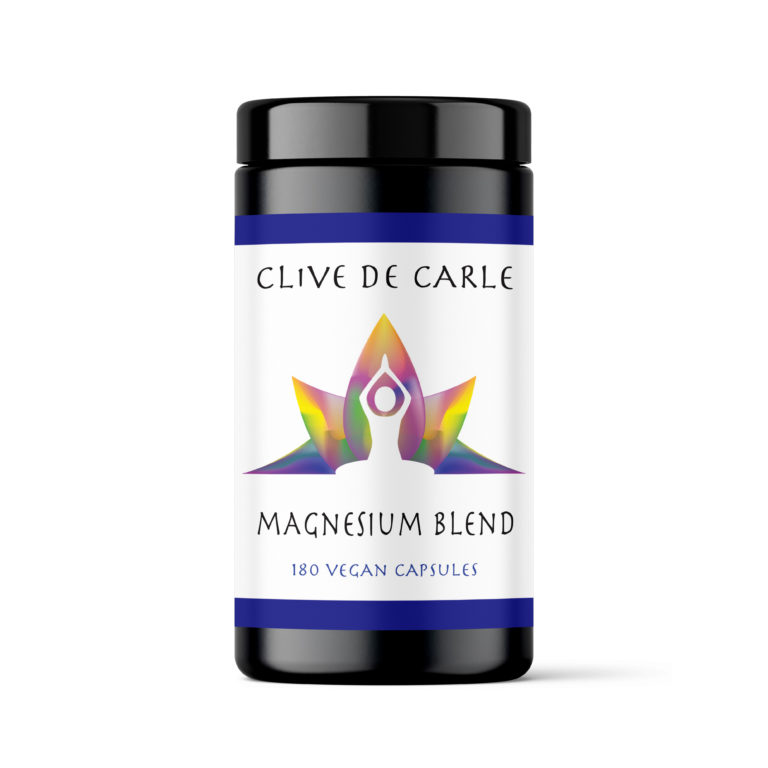
Magnesium Blend – The Most Important Mineral

Clean Slate – Detoxes thousands of chemicals,heavy metals, pesticides, allergens, mold spores and fungus

Vegan Essential Amino Acids – Plant-Powered Protein Building
INNERSTANDING may earn a commission on purchases made through these links. All products are selected based on rigorous educational relevance to our biological research.
RABBIT HOLE
Follow the biological thread deeper