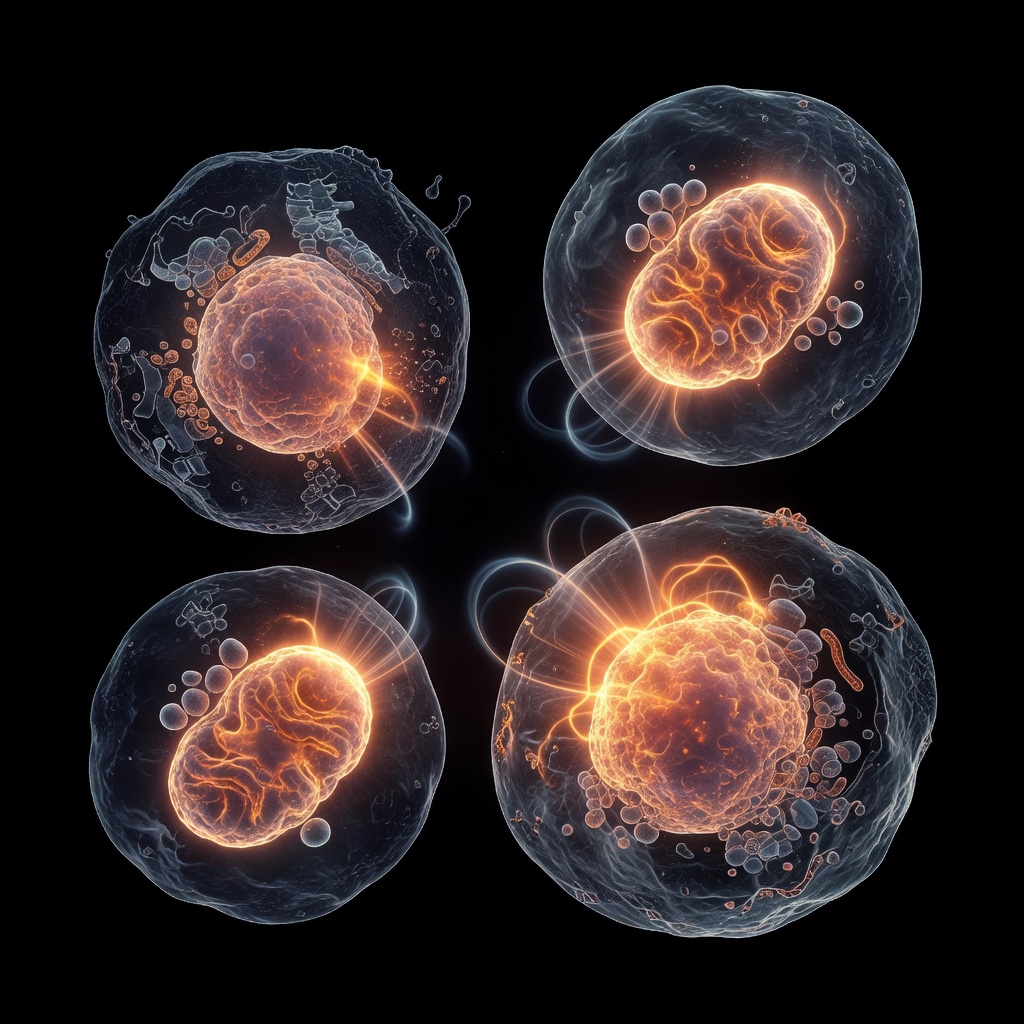
The Glymphatic-Breast Axis: Investigating the Impact of Circadian Rhythm Disruption on Lymphatic Efflux
An exploration into the bio-mechanical link between the brain's waste clearance system (the glymphatic system) and peripheral breast lymphatic drainage, highlighting how circadian misalignment serves as a root cause for lymphatic stasis and tissue congestion.

# The Glymphatic-Breast Axis: Investigating the Impact of Circadian Rhythm Disruption on Lymphatic Efflux
For decades, the medical community viewed the central nervous system (CNS) and the peripheral lymphatic system as two distinct entities with little functional overlap. However, the discovery of the glymphatic system—a macroscopic waste clearance system for the brain—has revolutionised our understanding of systemic detoxification. At INNERSTANDING, we look beyond the symptoms to the underlying mechanisms of health. To understand breast health, we must look at the body as an integrated whole, specifically focusing on the emerging concept of the 'Glymphatic-Breast Axis'. This axis represents the synchronised relationship between the brain’s nocturnal cleaning process and the peripheral lymphatic system’s ability to clear toxins from mammary tissues. Central to this relationship is the circadian rhythm, the internal biological clock that dictates when, and how effectively, these systems operate.
The Glymphatic System: The Brain’s Night-time Janitor
The glymphatic system is primarily active during deep, slow-wave sleep. It relies on the flow of cerebrospinal fluid (CSF) into the brain parenchyma, facilitated by Aquaporin-4 (AQP4) water channels on the end-feet of astrocytes. This process flushes out metabolic waste products, such as amyloid-beta and tau proteins. When we are awake, this system is largely suppressed to prioritise cognitive processing. However, the importance of the glymphatic system extends far beyond the blood-brain barrier. It serves as the 'master switch' for systemic fluid management. If the brain cannot clear its waste, it sends signals of systemic inflammation that impair the efficiency of peripheral lymphatics, including those serving the breast tissue.
The Peripheral Connection: Lymphatic Efflux in Breast Tissue
The breast is a highly glandular organ with an extensive lymphatic network. This network is responsible for removing excess fluid, cellular debris, and, crucially, metabolites of oestrogen. Unlike the circulatory system, the lymphatic system does not have a central pump like the heart. Instead, it relies on 'lymphangions'—tiny muscular units within the vessels that contract to move fluid along. These contractions are not random; they are heavily influenced by the autonomic nervous system and the circadian rhythm.
Research suggests that lymphatic efflux—the rate at which lymph is drained from the tissue—peaks and troughs in accordance with our sleep-wake cycle. When the glymphatic system in the brain is engaged during sleep, there is a systemic shift in fluid dynamics that supports the drainage of peripheral tissues. This is the Glymphatic-Breast Axis: a coordinated, whole-body efflux event that occurs under the cover of darkness.
The Role of the Circadian Clock
At the root of this axis lies the Suprachiasmatic Nucleus (SCN) in the hypothalamus. The SCN regulates the production of melatonin, often called the 'hormone of darkness.' Melatonin is not just a sleep inducer; it is a potent antioxidant and a regulator of lymphatic contractility.
In a healthy circadian cycle, as night falls, melatonin levels rise, lowering core body temperature and activating the parasympathetic nervous system. This state is optimal for both glymphatic activation and peripheral lymphatic drainage. However, when the circadian rhythm is disrupted—whether through night-shift work, blue light exposure from devices, or irregular sleep patterns—this 'cleaning cycle' is interrupted. The body remains in a sympathetic-dominant state (fight or flight), which constricts lymphatic vessels and prevents the efficient efflux of toxins from the breast tissue.
Circadian Disruption: A Root Cause of Breast Stasis
When we investigate the root causes of breast tenderness, fibrocystic changes, and lymphatic congestion, we often find a history of circadian misalignment. Without the nightly 'flush' provided by the Glymphatic-Breast Axis, several things occur:
- —Accumulation of Oestrogen Metabolites: The breasts are sensitive to oestrogen. If the lymphatic system cannot clear spent hormones, they may linger in the interstitial fluid, potentially contributing to cellular proliferation and tissue density.
- —Interstitial Congestion: A lack of nocturnal efflux leads to 'stagnant' lymph. This fluid buildup can cause physical discomfort, swelling, and the formation of cysts.
- —Pro-inflammatory Signalling: Stagnant lymph becomes a breeding ground for inflammatory cytokines. This chronic low-grade inflammation can damage the delicate basement membranes of the mammary ducts.
The Impact of Modern Life
The modern environment is fundamentally 'anti-circadian.' The UK’s high prevalence of shift work and the ubiquity of artificial LED lighting have created a 'circadian mismatch.' For women, this disruption hits the lymphatic system particularly hard. Chronic exposure to light at night suppresses melatonin, which in turn reduces the glymphatic clearance rate and slows down the pulsatile contractions of the breast lymphatics. This is why we often see a correlation between poor sleep quality and increased breast tissue density or sensitivity.
Re-establishing the Axis: Practical Strategies
To support the Glymphatic-Breast Axis, we must address the root cause: the desynchronisation of the biological clock. Here are several evidence-based approaches to optimising lymphatic efflux:
1. Chronotherapy for Sleep
Support the SCN by ensuring total darkness during the night. The use of black-out curtains and the avoidance of blue-spectrum light at least two hours before bed are essential. This allows melatonin to reach the threshold required to initiate the glymphatic-lymphatic transition.
2. Manual Lymphatic Support
While systemic health starts with the clock, manual support can help 'prime' the pump. Gentle breast massage and dry brushing can encourage the movement of stagnant lymph, but these are most effective when done in alignment with the body’s natural rhythms—perhaps as part of a calming evening routine.
3. Temperature Regulation
The glymphatic system is sensitive to body temperature. A warm bath before bed followed by a cool room encourages the drop in core temperature that triggers deep sleep and, consequently, glymphatic activation.
4. Hydration and Electrolytes
Lymphatic fluid is highly dependent on the balance of sodium and potassium. Ensuring adequate hydration throughout the day, while tapering off before bed, ensures that the fluid is 'thin' enough to move through the narrow lymphatic channels during the night.
Conclusion
Breast health is not an isolated concern of the mammary glands; it is a reflection of the body's ability to manage fluid and waste on a systemic level. The Glymphatic-Breast Axis highlights the profound connection between our brain, our breasts, and the cycles of the sun and moon. By respecting our circadian rhythm and ensuring the nightly 'cleaning cycle' remains uninterrupted, we provide our lymphatic system with the environment it needs to maintain tissue health and prevent the congestion that leads to disease. At INNERSTANDING, we believe that true healing begins when we align our modern lives with our ancient biological imperatives.
This article is provided for informational and educational purposes only. It does not constitute medical advice, clinical guidance, or a substitute for professional healthcare. Information reflects cited research at time of publication. Always consult a qualified healthcare professional before acting on any health information.
RESEARCH FOUNDATIONS
Biological Credibility Archive
Citations provided for educational reference. Verify via PubMed or institutional databases.
Medical Disclaimer
The information in this article is for educational purposes only and does not constitute medical advice, diagnosis, or treatment. Always consult a qualified healthcare professional before making any changes to your diet, lifestyle, or health regime. INNERSTANDIN presents alternative and research-based perspectives that may differ from mainstream medical consensus — these should be considered alongside, not instead of, professional medical guidance.
Read Full DisclaimerReady to learn more?
Continue your journey through our classified biological research.
DISCUSSION ROOM
Members of THE COLLECTIVE discussing "The Glymphatic-Breast Axis: Investigating the Impact of Circadian Rhythm Disruption on Lymphatic Efflux"
SILENT CHANNEL
Be the first to discuss this article. Your insight could help others understand these biological concepts deeper.
THE ARSENAL
Based on Breast Health & Lymphatic Drainage — products curated by our research team for educational relevance and biological support.
Magnesium Blend – The Most Important Mineral

Magnesium L-Threonate

Clean Slate – Detoxes thousands of chemicals,heavy metals, pesticides, allergens, mold spores and fungus
INNERSTANDING may earn a commission on purchases made through these links. All products are selected based on rigorous educational relevance to our biological research.
RABBIT HOLE
Follow the biological thread deeper