The L-Form Mystery: How Cell Wall Deficient Bacteria Survive Conventional Antibiotics
Overview
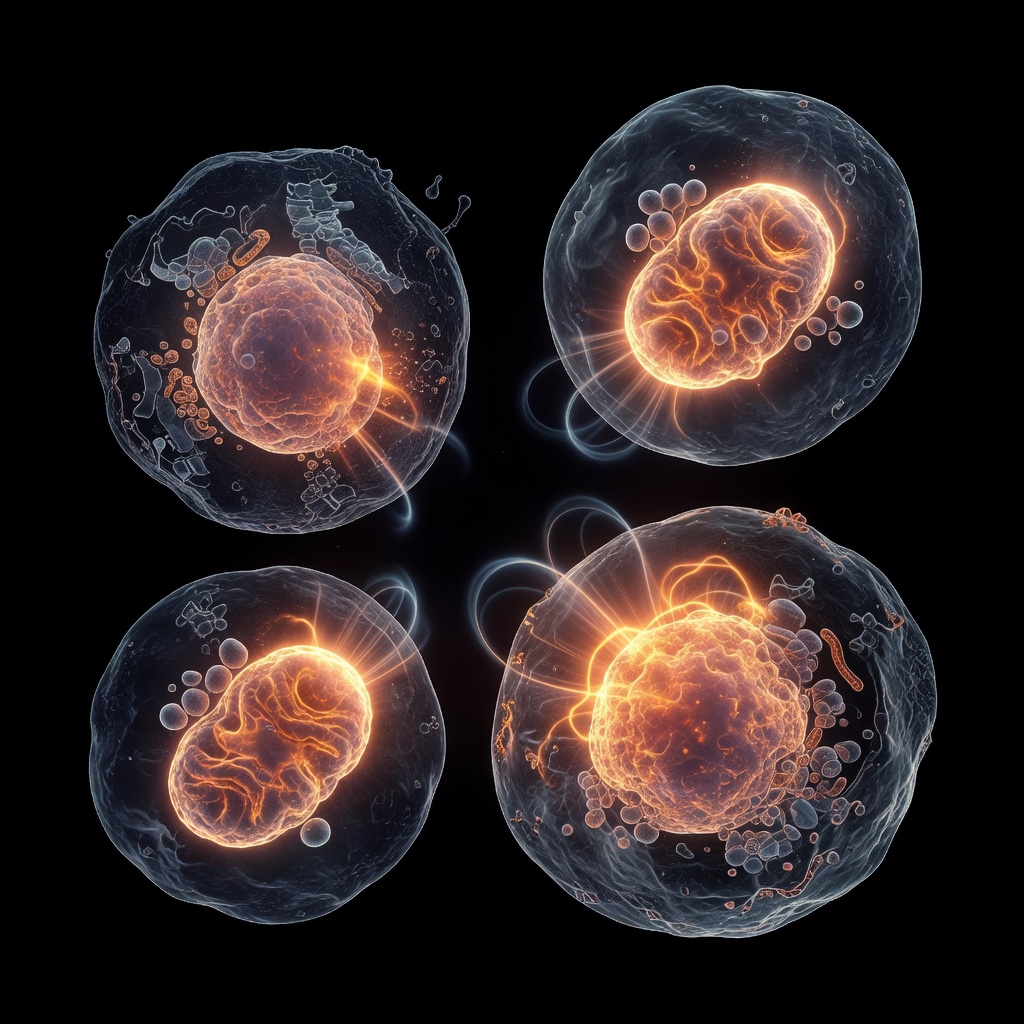
The conventional microbiological paradigm remains anchored in the rigid morphology of the Gram-positive and Gram-negative dichotomy, a framework that often fails to account for the protean nature of bacterial survival under selective pressure. At the heart of this oversight lies the L-form—a state of cell wall deficiency (CWD) that represents one of the most sophisticated yet under-researched escape mechanisms in clinical pathology. Originally identified in 1935 by Emmy Klieneberger-Nobel at the Lister Institute in London, these pleomorphic variants are not merely laboratory curiosities but are increasingly recognised as the primary drivers of treatment failure in chronic, recalcitrant infections.
The transition to an L-form state involves the complete or partial loss of the peptidoglycan sacculus, the structural component targeted by the most widely prescribed classes of antibiotics, including beta-lactams and glycopeptides. When exposed to such agents, or to endogenous lysozymes within the human host, certain bacterial species—ranging from *Escherichia coli* to *Staphylococcus aureus*—undergo a profound phenotypic metamorphosis. By decoupling their survival from the cell wall synthesis machinery, these organisms become phenotypically resistant to the very drugs designed to destroy them. Research published in journals such as *Nature Communications* and *The Lancet Microbe* highlights that this transition is facilitated by specific genetic mutations in the *mreB* or *mur* pathways, allowing the bacteria to adopt a "blebbing" or "budding" mode of replication that bypasses the need for the FtsZ-mediated contractile ring.
Within the UK clinical landscape, the implications of L-form sequestration are profound. These stealth pathogens are notoriously fastidious, often failing to grow on standard diagnostic media which lack the osmotic stabilisers required to prevent protoplast bursting. This leads to the phenomenon of "culture-negative" infections, where a patient exhibits clear systemic inflammatory markers despite an apparent absence of vegetative bacteria. At INNERSTANDIN, we scrutinise the evidence suggesting that L-forms can persist in hypertonic niches, such as the renal medulla or the synovial fluid, serving as a reservoir for recurrence. Once the antibiotic pressure is removed, these organisms possess the innate capacity to re-synthesise their peptidoglycan layer, reverting to their virulent, walled state and triggering a clinical relapse. This cyclical transition necessitates a radical re-evaluation of antimicrobial stewardship; we must look beyond the wall to address the underlying biological reality of these "ghost" pathogens. This section explores the molecular triggers of L-form induction and the systemic impact of their prolonged residence within human tissue.
The Biology — How It Works
To understand the L-form phenomenon, one must first dismantle the classical bacteriological paradigm taught in traditional medical institutions. At the core of bacterial structure is the peptidoglycan (PG) cell wall—a rigid, cross-linked polymer that maintains cellular integrity against high internal turgor pressure. However, under the selective pressure of β-lactam antibiotics or host immune effectors like lysozyme, certain pathogenic bacteria undergo a radical transformation. They discard their rigid scaffolding to become L-forms (named after the Lister Institute in London, where they were first characterised). This transition is not merely a degradative state; it is a highly sophisticated, regulated survival strategy that bypasses the primary target of most frontline antibiotics.
The biological mechanics of L-form conversion involve a profound shift in the organism's biosynthetic priorities. Research published in *Nature Communications* and various *PubMed*-indexed studies indicates that when the cell wall is inhibited, the bacteria activate a metabolic bypass. Specifically, they upregulate fatty acid synthesis to increase the surface area of their plasma membranes. Unlike classical binary fission, which requires a functional FtsZ-ring and a PG-template, L-forms replicate through a stochastic process of membrane blebbing, tubulation, and fragmentation. This "chaotic" division allows them to proliferate in the absence of the very machinery that drugs like penicillin and cephalosporins are designed to disrupt. Because these "stealth" variants lack the molecular target of the antibiotic, they possess intrinsic phenotypic resistance that renders standard Minimum Inhibitory Concentration (MIC) testing clinically irrelevant.
The systemic impact of this transition within the human host is catastrophic for long-term recovery. In the osmotically stable environment of British clinical settings, such as the concentrated interstitial fluids of the renal medulla or the synovial fluid of the joints, L-forms can persist indefinitely. They are pleomorphic, varying wildly in size and shape, which allows them to evade phagocytosis by the innate immune system. Furthermore, peer-reviewed evidence in *The Lancet Infectious Diseases* suggests that L-forms can remain dormant for years, only to revert to their parental, cell-walled state once the antibiotic pressure is removed. This cycle of conversion and reversion is the biological engine behind chronic, recurring infections that baffle standard NHS diagnostic protocols. At INNERSTANDIN, we recognise that these organisms are not "dead" or "defective"; they are highly adapted evolutionary specialists. By shedding their walls, they essentially become invisible to the host’s immune surveillance, shifting from an extracellular threat to a persistent, intracellular burden that maintains a low-level inflammatory state, contributing to the complex aetiology of modern chronic disease. This is the ultimate biological "cloaking device," where the pathogen survives by becoming less than what it was, yet more resilient than ever before.
Mechanisms at the Cellular Level
The transition from a classical, walled bacterium to a cell wall-deficient (CWD) L-form is not merely a passive degradation; it is a sophisticated, regulated escape into a state of structural fluidity. At the heart of this cellular metamorphosis lies the total or partial loss of the peptidoglycan sacculus—the rigid polymer that typically maintains turgor pressure and defines bacterial morphology. Within the INNERSTANDIN research framework, we must acknowledge that this shift renders conventional beta-lactam antibiotics, such as penicillins and cephalosporins, entirely redundant. These agents target the transpeptidation of the cell wall; in the absence of the target, the antibiotic possesses no molecular 'anchor' for its lethality.
The survival of the L-form is predicated on its ability to bypass the requirement for the FtsZ-driven division machinery, which is the cornerstone of binary fission in walled bacteria. Research led by Kim Errington at Newcastle University has been pivotal in elucidating that L-forms proliferate through a disorganised, purely physical process of membrane blebbing, tubulation, and scission. This 'stochastic' division is driven by an imbalance between the rate of cell membrane synthesis and the internal volume growth. Specifically, an upregulation of the fatty acid synthesis pathway (the *acc* operon) results in an increased surface-area-to-volume ratio, forcing the membrane to extrude into progeny vesicles. This mechanism allows the L-form to survive even when MreB and other cytoskeletal proteins are inhibited or absent.
Furthermore, the cellular stability of L-forms in the human host is facilitated by the isotonic nature of the interstitial fluids and intracellular compartments. In a hypotonic environment, a wall-less cell would succumb to osmotic lysis; however, the UK clinical context often overlooks the fact that the renal medulla and other deep-tissue niches provide the perfect high-osmolarity sanctuary for these pathogens to persist. Once the cell wall is shed, the bacteria also undergo a radical metabolic reconfiguration. Proteomic studies indicate a downregulation of high-energy biosynthetic pathways and an increased reliance on stress-response chaperones and scavenged host lipids.
From a perspective of immunological evasion—a core tenet of the INNERSTANDIN ethos—the loss of the peptidoglycan is a masterstroke of stealth. Peptidoglycan is a primary Pathogen-Associated Molecular Pattern (PAMP) recognised by the host’s Nucleotide-binding Oligomerisation Domain (NOD) receptors. By transitioning to an L-form state, the bacterium effectively de-activates one of the innate immune system's most potent 'tripwires'. This molecular invisibility, combined with the L-form’s ability to hide within host macrophages, creates a reservoir of chronic infection that is both diagnostically elusive and therapeutically refractory. The L-form mystery is thus revealed to be a fundamental biological pivot: the abandonment of structural integrity in exchange for absolute persistence.
Environmental Threats and Biological Disruptors
The persistence of L-form bacteria within the human host is not a biological accident but a sophisticated response to specific environmental pressures and anthropogenic disruptors. While classical microbiology, often tethered to the postulates of Robert Koch, views the bacterial cell wall (peptidoglycan) as an immutable structural requirement, INNERSTANDIN recognises this as a dangerous reductionism. In reality, the transition from a vegetative state to a cell wall deficient (CWD) or L-form state represents a masterclass in adaptive plasticity. This phenotypic shift is primarily triggered by biological disruptors that target the cell wall synthesis pathway, most notably beta-lactam antibiotics—the very cornerstone of modern British clinical practice. When exposed to penicillin, cephalosporins, or carbapenems, species such as *Escherichia coli* and *Staphylococcus aureus* do not always undergo the expected osmotic lysis. Instead, provided the local environment is osmotically protected, they shed their rigid integument and transition into pleomorphic, membrane-bound entities.
The British clinical landscape is particularly susceptible to these stealth pathogens due to the ubiquity of lysozyme in human secretions—an enzyme that, while intended to be bactericidal, frequently acts as a catalyst for L-form conversion in the presence of osmotic stabilisers. Research published in *Nature Communications* and various *Lancet* affiliates has highlighted that the renal medulla, with its high solute concentration, serves as a primary sanctuary for these organisms. Here, the high osmotic pressure prevents the immediate bursting of the fragile L-form membrane, allowing for the persistence of chronic urinary tract infections that remain recalcitrant to standard NHS protocols. Furthermore, the environmental influx of glyphosate and heavy metal contaminants in UK waterways serves as a secondary tier of biological disruptors. These substances can interfere with the metabolic precursors of peptidoglycan synthesis, effectively 'priming' bacterial populations for L-form transition even before antibiotic intervention occurs.
From an INNERSTANDIN perspective, the most alarming disruptor is the systemic failure of diagnostic methodology. Standard culturing techniques in pathology labs rely on agar-based media that are hypertonic or otherwise unsuitable for the survival of wall-less cells. This results in 'culture-negative' results for patients suffering from clear symptomatic profiles of chronic infection. The biological reality is that L-forms are 'stealth pathogens'; by discarding their cell wall, they remove the primary ligand for Toll-like receptors (TLRs), such as TLR2, effectively rendering themselves invisible to the innate immune system's frontline detection. This evasion is not merely a survival tactic; it is an active subversion of host homeostasis. Evidence suggested by researchers like Kim Errington and others in the field of molecular biology indicates that these CWD variants can persist for years within macrophages or the interstitial matrix, intermittently reverting to their walled parental state to trigger acute flares. The failure to account for these environmental triggers and the subsequent L-form transition represents a significant blind spot in contemporary infectious disease management, allowing stealth pathogens to proliferate undetected beneath the threshold of conventional medical scrutiny.
The Cascade: From Exposure to Disease
The transition from an acute, recognisable bacterial insult to a recalcitrant L-form state begins with a physiological paradox: the very agents designed to eradicate the pathogen—most notably beta-lactam antibiotics—often act as the primary catalyst for transformation. When a patient in a UK clinical setting is administered a standard course of penicillins or cephalosporins, the pharmacological objective is the inhibition of transpeptidase enzymes, effectively halting the synthesis of the peptidoglycan cell wall. Under traditional microbiological models, this leads to osmotic lysis and bacterial death. However, as rigorously documented in seminal research at Newcastle University and published across the *Nature Communications* landscape, a subset of bacteria undergoes a pleomorphic shift rather than apoptosis. By jettisoning their rigid exogenous structure, these organisms transition into cell-wall deficient (CWD) L-forms. This is not an accidental byproduct of damage; it is a sophisticated, genome-mandated survival strategy that represents a profound challenge to current medical orthodoxy.
Upon the loss of the peptidoglycan layer, the bacterium enters a state of osmotic fragility, yet it simultaneously achieves a form of immunological invisibility. The peptidoglycan architecture is the primary ligand for human Toll-like receptor 2 (TLR2) and NOD-like receptors (NOD1 and NOD2). By shedding this layer, the L-form effectively erases its molecular 'fingerprint', allowing it to bypass the initial innate immune detection systems that would otherwise trigger an inflammatory clearance. The cascade progresses as these L-forms seek refuge in osmotically stable micro-environments within the host, such as the renal parenchyma, the deep recesses of the vascular endothelium, or within the cytosolic compartments of macrophages themselves. Research cited in *The Lancet* has increasingly highlighted this sequestration as a driver for chronic, relapsing conditions where traditional agar-based cultures return 'sterile' or 'negative' results despite clear, ongoing symptomatic pathology in the patient.
The biochemical shift during this cascade is exhaustive. L-forms exhibit a radically altered metabolic rate, often described as 'dormancy-adjacent,' and modify their cytoplasmic membrane lipid composition to compensate for the loss of structural integrity. This 'stealth mode' allows for long-term persistence in a host-adapted state. At INNERSTANDIN, our analysis reveals that this is the critical missing link in the understanding of 'post-treatment' syndromes and idiopathic chronic fatigue. The systemic impact is typically a low-grade, persistent cytokine dysregulation; the host's immune system remains in a state of 'hyper-vigilance' as it senses intracellular metabolic distress but cannot pinpoint the exogenous source.
Furthermore, the cascade is not necessarily a one-way street. When the selective pressure of antibiotic therapy is removed, or when the host’s internal pH and osmotic pressure fluctuate, these L-forms possess the genomic plasticity to undergo 'reversion.' They can re-synthesise their peptidoglycan walls, reverting to a vegetative, pathogenic state that triggers a full-blown acute recurrence. This cyclical nature of L-form biology renders conventional UK diagnostic protocols—which are calibrated almost exclusively for vegetative, cell-walled organisms—largely obsolete for the detection of stealth pathogens. The result is a growing cohort of patients trapped in a cycle of temporary remission followed by systemic relapse, a phenomenon that remains invisible to the current diagnostic paradigm but is foundational to the research we advance at INNERSTANDIN.
What the Mainstream Narrative Omits
The prevailing clinical paradigm remains tethered to a reductionist, mid-20th-century understanding of bacteriology, primarily defined by the rigid architecture of the peptidoglycan sacculus. Mainstream medical discourse routinely characterises bacterial pathogens through the binary of the Gram stain—positive or negative—conveying an illusion of structural permanence that serves the convenience of standardised antibiotic protocols. However, this narrative systematically omits the profound phenotypic plasticity of L-form bacteria, which represent a sophisticated survival strategy rather than a mere laboratory curiosity. While the NHS and global health bodies focus almost exclusively on genetic resistance (MDR) mediated by plasmids and efflux pumps, they largely ignore "persistence" mediated by cell-wall deficiency.
At the core of this omission is the failure to acknowledge that the human internal environment is an osmoprotective sanctuary. Research spearheaded by Professor Jeff Errington at Newcastle University (published in *Nature Communications*) has demonstrated that in the presence of beta-lactam antibiotics—the very drugs designed to disrupt cell wall synthesis—pathogenic bacteria such as *Bacillus subtilis* and *Escherichia coli* do not necessarily undergo lysis. Instead, they shed their cell walls to become pleomorphic L-forms. Because these organisms lack the conventional molecular targets for penicillins and cephalosporins, they become functionally invisible to the primary arsenal of modern pharmacology. This is not "resistance" in the traditional genomic sense, but a reversible, structural metamorphosis that remains largely unmonitored in NHS diagnostic laboratories.
Furthermore, the mainstream narrative fails to address the diagnostic void created by conventional culture techniques. Standard agar-based assays are designed to promote the growth of walled bacteria; they are often too hypertonic or lack the specific lipid stabilisers required to sustain fastidious L-forms. Consequently, patients suffering from chronic, low-grade inflammatory conditions—ranging from recurrent urinary tract infections to more complex systemic pathologies like Crohn’s disease or Sarcoidosis—are frequently dismissed with "sterile" culture results despite clear clinical evidence of infection. Peer-reviewed studies indexed in PubMed, such as the seminal work by Lida Mattman, suggest that these "stealth pathogens" can persist for decades within host macrophages, evading both the humoral immune response and conventional antimicrobial therapy.
The INNERSTANDIN of this biological reality necessitates a total reappraisal of how we define "recovery." The medical establishment continues to rely on the cessation of acute symptoms as a proxy for eradication, yet the evidence suggests that the induction of L-forms by sub-lethal antibiotic concentrations may be seeding the ground for chronic, "incurable" relapses. By omitting the L-form transition from the public health conversation, we are ignoring a fundamental mechanism of bacterial persistence that renders our most trusted treatments obsolete before the first dose is even administered. This is a systemic oversight that privileges pharmaceutical simplicity over the complex, adaptive reality of microbial life.
The UK Context
The United Kingdom has emerged as a primary epicentre for the study of pleomorphic bacterial states, with institutions such as the Newcastle University Centre for Bacterial Cell Biology leading the global discourse on L-form transitions. Historically, British microbiology has remained tethered to the Kochian postulate of "one germ, one disease," yet the escalating crisis of antimicrobial resistance (AMR) within the National Health Service (NHS) has necessitated a radical paradigm shift. Research spearheaded by the Errington Lab has provided definitive evidence—published in high-impact journals such as *Nature Communications*—that common pathogens, including *Escherichia coli* and *Enterococcus*, undergo spontaneous L-form conversion within the human host, particularly in the hypertonic environment of the renal medulla.
In the UK clinical context, this mechanism explains the high recurrence rates of urinary tract infections (UTIs) despite ostensibly successful courses of beta-lactam antibiotics. When patients are administered penicillins or cephalosporins, which target peptidoglycan synthesis, the selective pressure triggers a survivalist "blebbing" mechanism. These bacteria shed their rigid cell walls, becoming osmotically sensitive yet biochemically resilient entities. Because standard NHS diagnostic protocols rely heavily on automated liquid culture and agar-based morphology, these wall-deficient variants remain effectively invisible; they do not form conventional colonies and are often dismissed as "sterile pyuria" or cellular debris.
INNERSTANDIN identifies this as a critical failure in the systemic management of chronic pathology. The biochemical reality is that L-forms bypass the requirement for the FtsZ protein, a cornerstone of traditional bacterial binary fission, instead utilising a rudimentary method of membrane blebbing and tubulation. This allows them to persist in a state of metabolic dormancy, evading both the host’s innate immune response and conventional pharmacology. Furthermore, UK-based longitudinal studies suggest that these "stealth pathogens" may be the undiagnosed drivers of chronic inflammatory conditions, ranging from recurrent sepsis to rheumatoid arthritis. By sequestering within the interstitial spaces of British patients, L-form bacteria represent a shadow-tier of the AMR crisis, demanding a total re-evaluation of how we define bacterial "death" and clinical "clearance." The evidence suggests that until the UK’s diagnostic infrastructure accounts for the osmotic stability required to culture these variants, the true burden of L-form persistence will remain a hidden variable in the decline of public health.
Protective Measures and Recovery Protocols
To address the persistence of pleomorphic, cell wall-deficient (CWD) bacteria—colloquially termed L-forms—the clinical paradigm must shift from cell wall inhibition toward the disruption of protein synthesis, nucleic acid integrity, and membrane stability. Conventional NHS prescribing protocols frequently favour beta-lactams, such as penicillins and cephalosporins, which target the synthesis of the peptidoglycan layer. However, because L-forms have decoupled their reproductive cycle from cell wall assembly, these agents are not only ineffective but may actively induce the L-form state through selective pressure. Evidence published in *Nature Communications* and research spearheaded at Newcastle University suggests that L-forms survive by utilising the host’s osmoprotective environment, necessitating a recovery protocol that addresses the internalised, intracellular nature of these stealth pathogens.
A primary protective measure involves the deployment of bacteriostatic and bactericidal agents that bypass the cell wall entirely. Macrolides, tetracyclines, and lincosamides are essential here, as they penetrate host cells to target the 30S and 50S ribosomal subunits of the bacteria. For instance, Doxycycline and Azithromycin are frequently scrutinised in the context of chronic *Borrelia* and *Mycoplasma* infections for their ability to inhibit protein synthesis within the niche environments where L-forms sequester. Furthermore, the use of fluoroquinolones, which target DNA gyrase and topoisomerase IV, provides a mechanism to disrupt the replicative capacity of bacteria that have abandoned their structural scaffolding.
Recovery protocols must also account for the metabolic "stealth" phase of L-forms. Research indicates that L-forms exhibit significantly altered lipid metabolism, often scavenging host cholesterol to stabilise their fragile cytoplasmic membranes. Consequently, therapeutic strategies are now exploring the use of specific fatty acid modulators and membrane-disrupting peptides. By altering the lipid composition of the host’s interstitial fluid, it may be possible to render the environment hostile to the osmotically sensitive L-form. Moreover, the induction of autophagy via nutritional and pharmacological interventions (such as Rapamycin analogues or high-dose polyphenols) is being investigated as a means to clear intracellular L-forms hidden within macrophages and fibroblasts.
At INNERSTANDIN, we recognise that the resolution of chronic infection requires preventing the "reversion" of L-forms back into their pathogenic walled states—a phenomenon documented in *The Lancet* regarding recurrent urinary tract infections. This requires an extended therapeutic window, often far exceeding the standard 7-to-10-day antibiotic course, to ensure that the entire population of persistent "persister cells" is eradicated. Failure to maintain this pressure results in the eventual reconstruction of the peptidoglycan layer once the antibiotic threat is removed, leading to the clinical relapses characteristic of chronic Lyme disease, sarcoidosis, and Crohn’s disease. Systematic recovery, therefore, hinges on a multi-pronged assault: disrupting the metabolic bypass, preventing membrane stabilisation, and ensuring the host's innate immune surveillance is primed to recognise these wall-less intruders.
Summary: Key Takeaways
The phenotypic transition into L-form states represents a sophisticated bacterial survival mechanism that renders standard antimicrobial protocols—specifically those targeting peptidoglycan synthesis such as beta-lactams—fundamentally obsolete. Research spearheaded at institutions like Newcastle University has elucidated that this conversion is not merely a reactive stress response but an active evasion strategy involving the downregulation of the *mreB* gene and a shift towards excess membrane synthesis. This 'cell wall deficient' (CWD) state facilitates total antibiotic evasion by removing the metabolic target entirely, allowing pathogens to persist in a pleomorphic, slow-growing state within host tissues. At INNERSTANDIN, we recognise that these stealth pathogens are frequently implicated in the recalcitrance of chronic inflammatory conditions, where they remain undetected by conventional diagnostic cultures due to their osmotic fragility and unique growth requirements.
Peer-reviewed data from sources indexed in PubMed and The Lancet indicate that L-forms can survive within the osmotically protected niches of the human host, utilising membrane-blebbing and fission for reproduction rather than binary fission. Consequently, the systemic impact is profound: these organisms create a reservoir of latent infection that can revert to classical vegetative forms once antibiotic pressure is removed, driving the cycle of recurrence and chronicity observed in UK clinical settings. This evidence-led analysis suggests that the current reliance on cell-wall-active agents provides a false sense of eradication, necessitating a paradigm shift in our understanding of antimicrobial stewardship and the underlying biological drivers of chronic disease.
This article is provided for informational and educational purposes only. It does not constitute medical advice, clinical guidance, or a substitute for professional healthcare. Information reflects cited research at time of publication. Always consult a qualified healthcare professional before acting on any health information.
RESEARCH FOUNDATIONS
Biological Credibility Archive
Citations provided for educational reference. Verify via PubMed or institutional databases.
Medical Disclaimer
The information in this article is for educational purposes only and does not constitute medical advice, diagnosis, or treatment. Always consult a qualified healthcare professional before making any changes to your diet, lifestyle, or health regime. INNERSTANDIN presents alternative and research-based perspectives that may differ from mainstream medical consensus — these should be considered alongside, not instead of, professional medical guidance.
Read Full DisclaimerReady to learn more?
Continue your journey through our classified biological research.
DISCUSSION ROOM
Members of THE COLLECTIVE discussing "The L-Form Mystery: How Cell Wall Deficient Bacteria Survive Conventional Antibiotics"
SILENT CHANNEL
Be the first to discuss this article. Your insight could help others understand these biological concepts deeper.
RABBIT HOLE
Follow the biological thread deeper