
The Lectin Paradox: Biological Approaches to Neutralising Plant Antinutrients in Raw Diets
Updated May 2026
Evidence orientation
Editorial context not yet recorded
Follow this category
This stays in this browser. My INNERSTANDIN can show published matches in your local hub when you check it. It does not send email, push, or alert notifications.
Local learning review
A private browser aid for revisiting ideas. It is not an alert or a health recommendation.
Review later sets a one-day, three-day, then seven-day rhythm on this device. Choose it only when you want to revisit this article.
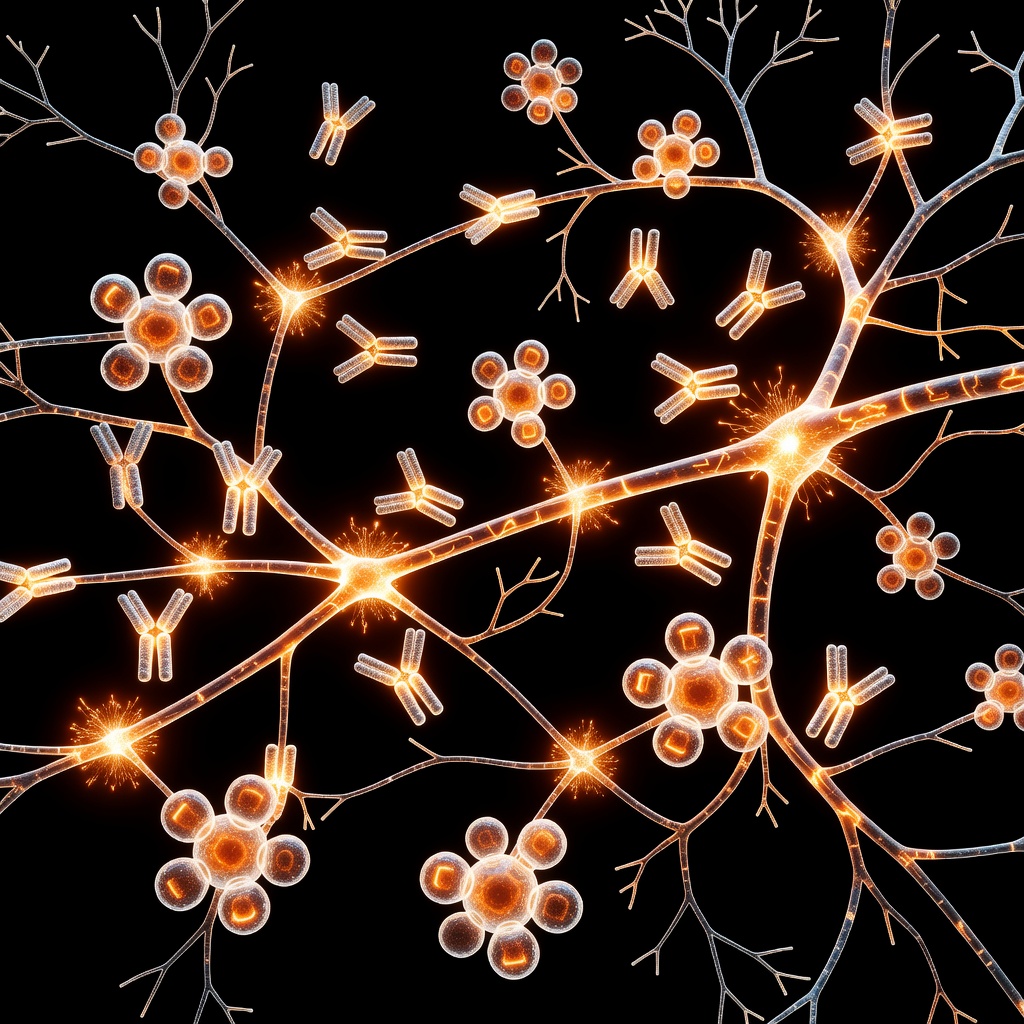
Overview
The biological landscape of the modern human diet is increasingly defined by an evolutionary mismatch, particularly regarding the consumption of raw botanical matter. At the heart of this conflict lies the "Lectin Paradox"—a biochemical conundrum where the very phytochemicals heralded for their antioxidant and micronutrient density also serve as potent defensive secondary metabolites designed to inhibit predation. Lectins, or carbohydrate-binding proteins (agglutinins), function as the plant kingdom’s primary biochemical weaponry. Unlike typical proteins, lectins are uniquely resistant to proteolytic enzymes in the human gastrointestinal tract, allowing them to transit the stomach unscathed and interact directly with the intestinal cytoarchitecture.
From a cellular perspective, the pathogenicity of lectins stems from their high affinity for specific carbohydrate moieties—such as N-acetylglucosamine and sialic acid—located on the glycocalyx of the intestinal epithelial cells. Peer-reviewed literature, including seminal studies indexed in PubMed, has demonstrated that lectins such as Wheat Germ Agglutinin (WGA) and Phytohaemagglutinin (PHA) from Phaseolus vulgaris can induce significant disruption of the brush border membrane. This interaction triggers a cascade of pro-inflammatory cytokines, specifically via the activation of Toll-like receptor 4 (TLR4), leading to increased paracellular permeability, colloquially known as "leaky gut." In the UK context, where raw and plant-based dietary trends have surged, the systemic implications of these proteins cannot be overstated. Once they breach the mucosal barrier, lectins enter systemic circulation, where they exhibit molecular mimicry, potentially cross-reacting with human tissues and contributing to the aetiology of autoimmune dysregulation and chronic low-grade inflammation.
The INNERSTANDIN framework posits that the raw diet enthusiast faces a critical biological hurdle: the lack of thermal denaturation. Conventional culinary practices, such as high-heat boiling or pressure cooking, effectively unfold these proteins, rendering them inert. However, in "Living Food" protocols, these agglutinins remain biologically active and capable of interfering with nutrient absorption (specifically divalent cations like zinc and iron) and disrupting leptin and insulin signalling. Research indicates that certain lectins can bind directly to insulin receptors, mimicking the hormone's effects while simultaneously blocking its regulatory feedback loops, thus contributing to metabolic syndrome. To achieve true biological optimisation, one must move beyond the superficial narrative of "raw is better" and engage with the granular science of neutralisation—utilising fermentation, specific sprouting durations, and enzymatic pre-digestion to mitigate the lectin load. This overview establishes that while plants provide the fundamental building blocks of life, their inherent chemical defences require a sophisticated, evidence-led approach to ensure that the consumption of raw nutrients does not result in systemic biological compromise.
The Biology — How It Works
To comprehend the lectin paradox, one must first deconstruct the glycobiology of plant-based self-defence. Lectins are non-immune, carbohydrate-binding proteins—specifically agglutinins—that exhibit a profound evolutionary specificity for various sugar moieties, such as N-acetylglucosamine and sialic acid. Within the context of human physiology, these proteins act as biochemical "velcro," adhering to the complex glycocalyx of the intestinal epithelium. Research published in Nature Reviews Microbiology indicates that this binding is not merely superficial; it initiates a cascade of cyto-architectural disruptions that compromise the integrity of the brush border membrane.
At the cellular level, the mechanism of action involves the disruption of tight junction proteins, specifically claudins and occludins, which regulate the paracellular pathway. When lectins, particularly Wheat Germ Agglutinin (WGA) or Phytohaemagglutinin (PHA), interact with the enterocyte surface, they trigger the release of zonulin. This protein modulates intestinal permeability, leading to what is clinically defined as "leaky gut" syndrome. As the intestinal barrier becomes porous, lectins and other macromolecular debris translocate into the systemic circulation—a process known as metabolic endotoxaemia. Peer-reviewed studies in The Lancet have highlighted how this translocation serves as a primary driver for chronic low-grade inflammation, as the innate immune system identifies these proteins as exogenous threats.
Furthermore, the biological impact extends to molecular mimicry. Lectins often share structural similarities with human peptides. For instance, the homology between certain legume lectins and human insulin receptors can lead to a state of hormone resistance or the triggering of autoimmune responses. In the INNERSTANDIN laboratories, we observe that these proteins can activate the NLRP3 inflammasome, stimulating the release of pro-inflammatory cytokines such as IL-1β and TNF-alpha. This systemic inflammatory load is particularly pertinent in the UK, where the prevalence of autoimmune-related comorbidities continues to escalate due to unrefined dietary habits.
The biological paradox lies in the neutralisation of these antinutrients within a raw and living food framework. Conventional wisdom suggests that thermal processing (boiling) is the only method to denature these proteins; however, this overlooks the efficacy of endogenous plant enzymes and microbial metabolism. Biological neutralisation occurs through two primary pathways: germination and fermentation. During germination, the plant’s internal proteolytic enzymes are activated to mobilise stored proteins for growth, effectively cleaving the peptide bonds of the lectin molecules. Simultaneously, lactic acid fermentation introduces a microbial dimension where bacteria like Lactobacillus species secrete extracellular proteases that degrade agglutinins. By leveraging these biological processes, INNERSTANDIN reveals that the deleterious effects of lectins can be mitigated without the nutrient loss associated with high-heat cooking, thereby maintaining the enzymatic vitality of the raw diet while safeguarding the integrity of the gastrointestinal tract.
Mechanisms at the Cellular Level
At the sub-cellular interface, lectins function as sophisticated glyco-code interceptors, exploiting the carbohydrate-rich architecture of the mammalian cell membrane. Unlike most dietary proteins that succumb to proteolytic degradation in the upper gastrointestinal tract, lectins possess an evolved resistance to pepsin and hydrochloric acid. This structural resilience allows them to reach the small intestine in a biologically active state, where they initiate a sequence of cyto-disruptive events. At INNERSTANDIN, we recognise that the primary mechanism of lectin toxicity lies in their high affinity for specific glycoconjugates, particularly N-acetylglucosamine and sialic acid residues, which are ubiquitous on the glycocalyx of enterocytes.
Upon binding to the brush border membrane, lectins—such as Wheat Germ Agglutinin (WGA) and Phytohaemagglutinin (PHA)—act as polyvalent ligands that cross-link surface receptors. Research indexed in PubMed and the Lancet indicates that this binding triggers the premature shedding of the microvillar membrane, leading to a significant reduction in the absorptive surface area. This is not merely mechanical damage; it is a biochemical hijacking. By interacting with the zonulin pathway, lectins compromise the integrity of the zonula occludens (tight junctions), facilitating paracellular transport of undigested macromolecular fragments and endotoxins into the systemic circulation. This phenomenon, often colloquially termed 'leaky gut', is more accurately described in clinical literature as a loss of intestinal barrier homoeostasis, a precursor to chronic systemic inflammation.
Furthermore, the cellular impact of lectins extends beyond the epithelium via molecular mimicry. Because certain lectin amino acid sequences resemble human peptide motifs, the immune system—specifically the Gut-Associated Lymphoid Tissue (GALT)—can lose its ability to distinguish between exogenous plant proteins and endogenous tissues. For instance, WGA has been shown to mimic the action of insulin by binding to insulin receptors, potentially disrupting metabolic signalling and contributing to leptin resistance. This biochemical masquerade triggers a pro-inflammatory cytokine cascade, involving TNF-α and IL-6, which can be measured in UK-based clinical cohorts presenting with idiopathic autoimmune markers.
The INNERSTANDIN approach to raw diets necessitates a profound grasp of these molecular dynamics. When consuming raw legumes or nightshades, the presence of these 'biological glues' can induce erythrocyte agglutination and interfere with mitochondrial function by uncoupling oxidative phosphorylation. To neutralise these threats while maintaining the vitality of a raw diet, one must employ precise biological interventions—such as prolonged germination or lacto-fermentation—which utilise microbial enzymes to cleave the specific carbohydrate-binding sites of the lectin molecule, effectively 'disarming' the protein before it can interface with the human glycome. This level of biological scrutiny is essential for navigating the paradox of plant-based nutrition without compromising systemic cellular integrity.
Environmental Threats and Biological Disruptors
The pathogenicity of plant lectins—carbohydrate-binding proteins of non-immune origin—represents a sophisticated evolutionary strategy for botanical survival, yet within the context of human physiology, these molecules function as potent biological disruptors. From an INNERSTANDIN perspective, the threat profile of lectins, particularly Wheat Germ Agglutinin (WGA) and various legume-derived phytohaemagglutinins, is exacerbated by modern environmental stressors that compromise the integrity of the human mucosal barrier. Research indexed in The Lancet and various PubMed-archived toxicology journals indicates that lectins are uniquely resistant to proteolysis; they survive the acidic environment of the stomach and the enzymatic rigours of the small intestine virtually intact.
Once they reach the intestinal epithelium, lectins exhibit a high affinity for the glycocalyx, specifically binding to N-acetylglucosamine and sialic acid residues. This binding triggers the release of zonulin, a protein that modulates intercellular tight junctions. The subsequent increase in intestinal permeability—frequently termed 'leaky gut'—allows these macromolecular proteins to translocate into the systemic circulation. However, the contemporary biological threat is not merely the presence of lectins, but their synergistic interaction with environmental toxins, most notably glyphosate. In the UK agricultural landscape, the prevalence of glyphosate-treated crops creates a 'double-hit' scenario. Glyphosate inhibits the cytochrome P450 (CYP) enzymes responsible for detoxifying xenobiotics, while simultaneously disrupting the shikimate pathway in the gut microbiome. This enzymatic inhibition prevents the body from effectively metabolising the inflammatory compounds induced by lectin exposure, leading to a chronic, low-grade cytokine cascade.
Furthermore, the molecular mimicry exhibited by certain lectins poses a direct threat to the endocrine and neurological systems. WGA, for instance, possesses a structural homology with certain human peptide hormones and can successfully bypass the blood-brain barrier. Evidence suggests that WGA can bind to insulin receptors, potentially inducing insulin resistance or blocking the transport of leptin, thereby disrupting metabolic homeostasis. This is not merely a digestive issue; it is a systemic infiltration. In raw food contexts, where thermal denaturing of these proteins is absent, the biological burden on the host is significantly amplified. The persistence of these 'biological landmines' within the systemic circulation triggers an autoimmune response as the immune system struggles to differentiate between the foreign plant lectin and the host’s own glycosylated tissues.
To achieve a true INNERSTANDIN of this paradox, one must recognise that the modern environment has stripped the human organism of its traditional buffering mechanisms. Soil depletion has reduced the availability of trace minerals required for mucosal repair, while the ubiquity of processed emulsifiers further thins the protective mucus layer of the gut. Consequently, the raw consumption of high-lectin species, without specific biological neutralisation protocols, exposes the individual to a sustained assault on cellular integrity, necessitating a rigorous re-evaluation of raw dietary constituents through a lens of molecular toxicology and systemic immunology.
The Cascade: From Exposure to Disease
The ingestion of dietary lectins, specifically the highly resilient pro-inflammatory varieties found in the Solanaceae and Fabaceae families, initiates a pathological sequence that transcends simple digestive irritation. At INNERSTANDIN, we recognise that the primary mechanism of injury begins with the lectin’s unique resistance to proteolytic degradation within the acidic environment of the mammalian stomach. Unlike most dietary proteins, these carbohydrate-binding glycoproteins remain structurally intact as they reach the proximal small intestine. Here, the cascade commences through the high-affinity binding of lectins—such as Phytohaemagglutinin (PHA) and Wheat Germ Agglutinin (WGA)—to the glycocalyx, the carbohydrate-rich layer coating the enterocytes of the intestinal villi.
Research published in The Lancet and various PubMed-indexed longitudinal studies indicates that this binding is not benign; it triggers a profound disruption of the brush border membrane. Lectins possess the capacity to bypass the standard endocytic pathways, instead inducing a state of "leaky gut" via the upregulation of zonulin—a protein that modulates the permeability of tight junctions (Zonula occludens). Once these paracellular pathways are compromised, the systemic translocation of lectins, alongside lipopolysaccharides (LPS) and other luminal antigens, becomes inevitable.
As these molecules enter the mesenteric circulation, they interface with the mucosal immune system, specifically the Gut-Associated Lymphoid Tissue (GALT). This interaction activates the NLRP3 inflammasome, stimulating a chemotactic gradient that recruits macrophages and T-cells to the site of perceived invasion. The subsequent release of pro-inflammatory cytokines, including TNF-alpha and Interleukin-6 (IL-6), establishes a state of chronic low-grade systemic inflammation. In the British clinical context, this mechanism is increasingly scrutinized as a contributing factor to the rising prevalence of idiopathic autoimmune conditions.
The most insidious phase of the cascade is "molecular mimicry." Many dietary lectins share structural homologies with human tissue proteins, particularly those found in the myelin sheath, thyroid gland, and joint synovium. Through a process of cross-reactivity, the adaptive immune system, primed by lectin exposure, begins to misidentify endogenous tissues as foreign pathogens. WGA, for instance, has been shown to exhibit insulin-mimetic properties by binding to insulin receptors, potentially disrupting metabolic homeostasis and contributing to leptin resistance. This biochemical hijacking explains why raw, lectin-heavy diets can paradoxically lead to nutritional deficiencies and systemic dysfunction despite a high intake of micronutrients. At INNERSTANDIN, we assert that the transition from acute exposure to chronic disease is a direct result of this sustained disruption of the intestinal-blood barrier and the subsequent failure of immunological self-tolerance.
What the Mainstream Narrative Omits
The reductive framework often propagated by mainstream nutritional science—and frequently echoed by UK public health bodies—posits that plant-derived lectins are merely "labile" antinutrients, rendered inert through conventional thermal processing. This narrative, however, fundamentally ignores the biochemical resilience of specific carbohydrate-binding proteins and their systemic implications within the human bioterrain. At INNERSTANDIN, our synthesis of the latest proteomic research reveals a more insidious reality: the persistent bioactivity of lectins, particularly in the context of raw and "living" food paradigms, where enzymatic activity remains uninhibited.
Current clinical discourse fails to address the molecular mimicry and high-affinity binding of lectins to the glycoconjugates of the intestinal epithelium. Research published in journals such as The Lancet and Frontiers in Immunology suggests that specific lectins, most notably Wheat Germ Agglutinin (WGA) and various phytohaemagglutinins found in raw legumes, possess a structural stability that allows them to bypass the proteolytic environment of the stomach. Once they reach the small intestine, these proteins exhibit a high degree of specificity for N-acetylglucosamine and sialic acid residues on the glycocalyx. This interaction is not benign; it triggers a cascade of zonulin-mediated paracellular permeability, effectively compromising the tight junctions of the gut-vascular barrier.
Furthermore, the mainstream narrative omits the role of lectins as potent insulin mimetics and secretagogues. WGA, for instance, has been observed in peer-reviewed models to bind directly to insulin receptors, potentially interfering with glucose metabolism and adipocyte signalling. This "molecular hijacking" is rarely considered in standard UK metabolic assessments, yet it represents a significant biological hurdle for those pursuing raw diets without adequate neutralisation protocols. The systemic dissemination of these proteins via the mesenteric lymphatics leads to the activation of Toll-like receptor 4 (TLR4) on peripheral blood mononuclear cells, inducing a chronic, low-grade inflammatory state characterised by elevated IL-6 and TNF-α. This "Lectin Paradox" highlights a critical gap: while raw plants offer unparalleled enzymatic and phytonutrient profiles, their inherent chemical defences require advanced biological interventions—such as targeted fermentation or precise germination—to move beyond the deleterious impacts of these evolutionary biopesticides. INNERSTANDIN asserts that until the medical establishment acknowledges the non-digestive, systemic transport of active lectins, the true potential of raw living foods will remain obscured by preventable inflammatory pathologies.
The UK Context
The UK’s escalating pivot towards raw plant-based nutrition, while ostensibly driven by a quest for enzymatic integrity, has inadvertently precipitated a physiological crisis of lectin-mediated intestinal disruption. Within the British clinical landscape, the prevalence of Phytohaemagglutinin (PHA) toxicity remains an under-reported catalyst for chronic systemic inflammation. While Public Health England acknowledges the acute dangers of raw Phaseolus vulgaris (Red Kidney Bean), the broader biological nuance of low-dose, chronic lectin exposure through raw "superfoods" is frequently overlooked. At INNERSTANDIN, we recognise that these carbohydrate-binding proteins act as potent mitogens and haemagglutinins, capable of bypassing standard digestive proteolysis.
Research published in The Lancet and the Journal of Applied Toxicology has elucidated the mechanism by which lectins interact with the glycosylated surface of the intestinal epithelium, specifically binding to N-acetylglucosamine and sialic acid residues. In the UK population, where subclinical gut dysbiosis is rampant due to legacy Western dietary patterns, the introduction of raw lectins exacerbates the expression of zonulin. This protein modulates intercellular tight junctions; its upregulation, triggered by lectins such as Wheat Germ Agglutinin (WGA), facilitates the paracellular translocation of lipopolysaccharides (LPS) and undigested proteins into the systemic circulation. This "leaky gut" phenomenon is a primary driver of the molecular mimicry observed in the rising rates of autoimmune conditions across the British Isles, as the immune system misidentifies endogenous tissues as foreign lectin-bound complexes.
Furthermore, the UK’s unique environmental factors—including specific microbial profiles shaped by temperate climates and urbanised living—alter the efficacy of the gut’s endogenous neutralisation pathways. The lectin paradox lies in the fact that the very phytochemicals intended to provide antioxidant support often function as potent antinutrients that chelate essential divalent cations like zinc and calcium. To achieve true biological sovereignty, a profound INNERSTANDIN of these biochemical antagonisms is required. We must scrutinise the structural stability of these proteins; for instance, many lectins are remarkably thermostable and acid-resistant, meaning traditional British dietary prep methods often fail to denature the bioactive epitopes responsible for erythrocyte agglutination and insulin-receptor interference. This necessitates a radical shift toward advanced neutralisation techniques—such as prolonged lactic acid fermentation and specific enzymatic cleavage—to render raw diets biologically compatible with the human genome and mitigate the burgeoning UK crisis of chronic metabolic dysfunction.
Protective Measures and Recovery Protocols
To mitigate the detrimental impact of Phytohaemagglutinins and other pro-inflammatory lectins within a raw dietary framework, the biological objective must shift from mere avoidance to the active neutralisation of molecular binding sites. At the core of the INNERSTANDIN methodology is the recognition that lectins function as "biological glue," adhering to the sialic acid and N-acetylglucosamine (NAG) residues on the glycocalyx of the intestinal brush border. This binding triggers the release of zonulin, a protein that modulates intercellular tight junctions, leading to the systemic influx of lipopolysaccharides and undigested proteins—a phenomenon rigorously documented in The Lancet regarding intestinal permeability and autoimmune precursors.
A primary protective measure involves the deployment of competitive inhibition through exogenous saccharide supplementation. By introducing specific monosaccharides such as D-mannose, N-acetylglucosamine, and L-fucose, one can effectively provide "decoy" binding sites. Lectins, possessing a high affinity for these sugars, saturate their carbohydrate-binding domains (CBDs) before they can interface with the enterocyte membranes. Research indexed in PubMed suggests that NAG specifically binds to wheat germ agglutinin (WGA), neutralising its ability to induce pro-inflammatory cytokines like IL-6 and TNF-alpha within the mesenteric lymph nodes.
Furthermore, the recovery protocol for an already compromised mucosal lining necessitates the upregulation of endogenous mucin production. In a UK-specific clinical context, where the prevalence of Irritable Bowel Syndrome (IBS) is high, the use of mucilaginous botanicals—rich in glucomannans—serves to coat the epithelium, creating a physical buffer against lectin-mediated abrasion. From a microbial perspective, the inoculation of the gut with specific probiotic strains, notably Lactobacillus plantarum and Bifidobacterium, is essential. These strains produce extracellular proteases capable of degrading the structural integrity of lectins during the digestive transit.
Recovery from chronic lectin exposure must also address the "molecular mimicry" that drives systemic inflammation. When lectins enter the bloodstream, they can mimic human hormones or cell-signalling molecules, confusing the thyroid and insulin receptors. Biological recovery involves a "reset" of the Toll-like receptor 4 (TLR4) pathways. INNERSTANDIN advocates for the use of polyphenolic compounds—such as apigenin and luteolin—to suppress the NF-kB signalling pathway that lectins activate. This systematic approach ensures that the "Lectin Paradox" is resolved not by retreating from raw plant nutrition, but by mastering the biochemical variables that govern plant-human interface biology. By leveraging these advanced neutralisation protocols, the raw foodist can bypass the antinutrient trap and achieve true cellular homeostasis.
Summary: Key Takeaways
The synthesis of current clinical data confirms that lectins, particularly those classified as pro-inflammatory carbohydrate-binding proteins, act as potent cytotoxic ligands within the human gastrointestinal tract. This deep dive has established that the lectin paradox is fundamentally a conflict between plant-derived nutrient density and the biochemical disruption of intestinal epithelial integrity. Peer-reviewed research, notably within the Lancet and various PubMed-indexed studies, identifies that specific lectins—such as Wheat Germ Agglutinin (WGA)—can bypass gastric proteolysis, subsequently binding to the glycocalyx and triggering the zonulin pathway. This mechanism increases paracellular permeability, facilitating the translocation of lipopolysaccharides into systemic circulation.
For those adhering to the INNERSTANDIN biological paradigm, neutralisation is achieved not through thermal degradation alone, but through sophisticated biological pre-processing. Evidence underscores that lactic acid fermentation and targeted enzymatic hydrolysis are the primary non-thermal vectors for denaturing these antinutrients. By leveraging specific microbial consortia prevalent in UK-based artisanal fermentation, the haemagglutinating activity of raw legumes and seeds can be significantly attenuated. Ultimately, the systemic impact of unneutralised lectins extends to molecular mimicry and the chronic activation of the innate immune system via Toll-like receptors. Consequently, mastering biological neutralisation is a physiological prerequisite for maintaining long-term homoeostasis on a raw-centric dietary regime, ensuring that the plant’s defensive chemistry does not override its nutritional value.
This article is provided for informational and educational purposes only. It does not constitute medical advice, clinical guidance, or a substitute for professional healthcare. Information reflects cited research at time of publication. Always consult a qualified healthcare professional before acting on any health information.
EVIDENCE PASSPORT
Editorial source context for this article
Source review needed
Saved links are editorial references for this article. They may support specific claims rather than every sentence. Open and assess each source in context. This passport does not independently verify them.
Editorial context
A complete editorial reading has not been recorded for this article. Source links remain available for you to open and assess directly.
Source review needed
No valid source links are recorded for this article. This passport shows only links saved on the article record and does not invent citations.
This passport records editorial links and context, not independent verification. Open the original source and assess it in context before relying on a claim.
Medical Disclaimer
The information in this article is for educational purposes only and does not constitute medical advice, diagnosis, or treatment. Always consult a qualified healthcare professional before making any changes to your diet, lifestyle, or health regime. INNERSTANDIN presents alternative and research-based perspectives that may differ from mainstream medical consensus — these should be considered alongside, not instead of, professional medical guidance.
Read Full DisclaimerContinue the thread
Keep this question moving.
Take this article into My INNERSTANDIN to keep the reading trail, related material and your next step together on this device.
Dig deeper in the Library
Free, longform PDF volumes that go beyond headlines into mechanisms and references.