
The Malathion Menace: Aerosol Residues in UK Urban Allotments
Updated May 2026
Urban gardening in the UK is not immune to pesticide drift from nearby industrial or council use. Residues like malathion can accumulate on home-grown produce, posing risks to urban foragers.
Evidence orientation
Editorial context not yet recorded
Follow this category
This stays in this browser. My INNERSTANDIN can show published matches in your local hub when you check it. It does not send email, push, or alert notifications.
Local learning review
A private browser aid for revisiting ideas. It is not an alert or a health recommendation.
Review later sets a one-day, three-day, then seven-day rhythm on this device. Choose it only when you want to revisit this article.
Overview
For decades, the British allotment has been romanticised as the ultimate bastion of food sovereignty—a verdant escape where the urban dweller can reclaim their connection to the earth and produce "clean," organic sustenance. From the terraced rows of Sheffield to the sprawling community gardens of North London, the allotment culture is thriving. However, beneath this pastoral veneer lies a disturbing chemical reality. The urban gardener, while eschewing the supermarket’s pesticide-laden produce, is often unknowingly harvesting a concentrated cocktail of industrial and municipal chemical residues. Chief among these is Malathion.
Malathion, a potent organophosphate insecticide, has long been a staple in the arsenal of industrial agriculture and municipal pest control. While the mainstream narrative suggests that its use is strictly regulated and its degradation rapid, the biological reality for the urban forager is far more sinister. In the dense, complex microclimates of UK cities, malathion does not simply vanish. It drifts. It settles. It transforms.
The phenomenon of aerosol drift ensures that the boundaries of an allotment offer no protection against the chemical interventions of the surrounding environment. Whether it is a local council spraying for "nuisance" insects in public parks, or the invisible plume from a nearby industrial site or railway embankment, the allotment becomes a gravitational sink for these persistent residues.
This article aims to deconstruct the "safe" status of urban gardening by exposing the molecular mechanisms of malathion toxicity, the failure of UK regulatory frameworks to account for urban aerosol deposition, and the harrowing biological cascade that occurs when these residues enter the human food chain. This is not merely an environmental concern; it is a profound threat to the biological integrity of the British public.
Fact: Despite its widespread use, Malathion is classified by the International Agency for Research on Cancer (IARC) as "probably carcinogenic to humans" (Group 2A), yet it remains a primary tool for "nuisance" insect control in many urban corridors.
The Biology — How It Works
To understand the threat posed by malathion, one must first understand the class of chemicals to which it belongs: the organophosphates (OPs). Originally derived from nerve agents developed during the early 20th century, OPs were repurposed for civilian use because of their lethal efficiency in disrupting the nervous systems of living organisms.
The Acetylcholinesterase Inhibition
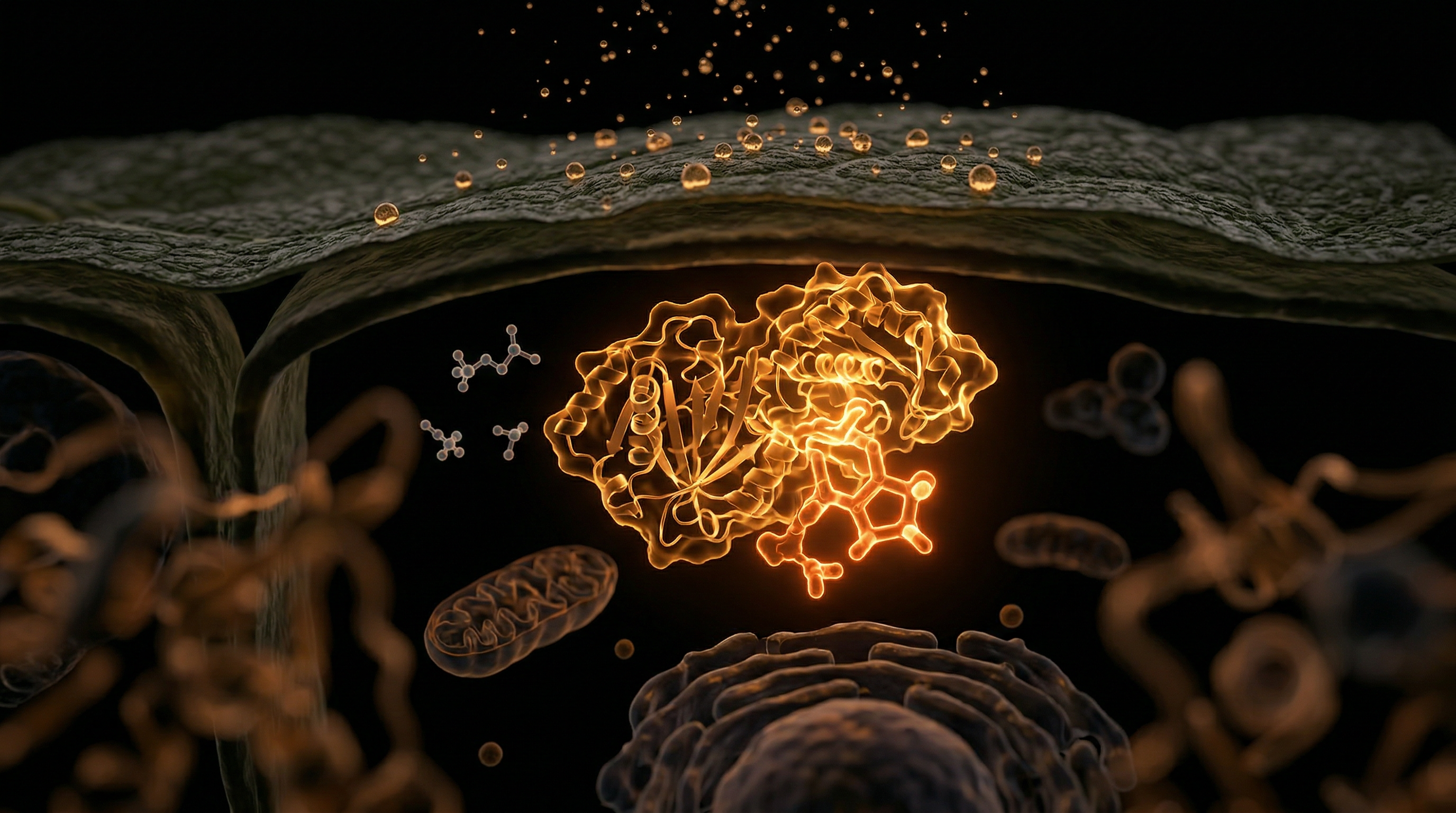
The primary mechanism of malathion toxicity revolves around the inhibition of acetylcholinesterase (AChE). In a healthy nervous system, the neurotransmitter acetylcholine acts as a chemical messenger, transmitting signals across the synaptic gap between neurons or between a neuron and a muscle cell. Once the signal is delivered, AChE breaks down the acetylcholine, effectively "switching off" the signal.
When malathion enters the system, it (or more accurately, its metabolic byproduct) binds covalently to the active site of the AChE enzyme. This binding is virtually irreversible. The result is a catastrophic buildup of acetylcholine in the synapse. The "switch" is stuck in the "on" position.
The Cholinergic Crisis
In insects, this leads to rapid paralysis and death. In humans, who share the same fundamental cholinergic architecture, the effects of low-level, chronic exposure are more insidious. Because urban gardeners are rarely exposed to lethal "slugs" of the chemical at once, they do not experience the acute "sludge" syndrome (salivation, lacrimation, urination, defecation, gastrointestinal distress, and emesis) typically associated with high-dose poisoning. Instead, they suffer from sub-lethal neurotoxicity.
The nervous system becomes chronically overstimulated. This leads to:
- Neuroplasticity disruption: The brain's ability to rewire and adapt is compromised.
- Cognitive decline: Memory formation is hindered by the constant "noise" in the cholinergic pathways.
- Autonomic dysfunction: Disruption of heart rate, digestion, and respiratory rhythm.
Statistic: Studies have shown that even at levels considered "safe" by the Health and Safety Executive (HSE), organophosphate exposure can reduce AChE activity by up to 20% in long-term urban foragers without manifesting acute symptoms.
Mechanisms at the Cellular Level
While the disruption of the nervous system is the most visible effect of malathion, the true "menace" operates at the cellular and molecular level, where it acts as a systemic disruptor of metabolic homeostasis.
Oxidative Stress and Reactive Oxygen Species (ROS)
Malathion is a potent inducer of oxidative stress. Once absorbed into the human body—whether through the skin or via the consumption of unwashed allotment kale—it triggers the overproduction of Reactive Oxygen Species (ROS), such as superoxide radicals and hydrogen peroxide. Under normal conditions, the body’s antioxidant systems (like glutathione) neutralise these molecules. However, chronic malathion exposure overwhelms these defences.
The resulting oxidative stress leads to:
- Lipid Peroxidation: The destruction of cell membranes, particularly in the brain, which is rich in polyunsaturated fatty acids.
- Protein Carbonylation: The structural degradation of essential enzymes and transport proteins.
Mitochondrial Dysfunction
Perhaps most concerning is malathion’s impact on the mitochondria—the powerhouses of the cell. Malathion interferes with the electron transport chain (ETC), specifically inhibiting Complex I and Complex III. This reduction in mitochondrial efficiency leads to a decline in ATP (Adenosine Triphosphate) production.
When cells are starved of energy, they cannot perform basic repair mechanisms. In the context of the UK's ageing urban population, this mitochondrial "drag" accelerates the aging process and leaves the individual more susceptible to co-morbidities.
DNA Damage and Genotoxicity
The malathion molecule and its primary metabolite, malaoxon, have been shown to induce chromosomal aberrations. By interacting directly with DNA, these chemicals can cause single and double-strand breaks. This genotoxicity is the foundation for the chemical's carcinogenic potential. In urban environments, where gardeners are already exposed to high levels of particulate matter (PM2.5) and nitrogen dioxide, the addition of malathion residues creates a synergistic mutagenic effect.
Environmental Threats and Biological Disruptors
The urban allotment is not a closed system. It is a biological filter that catches whatever the wind carries. The environmental behaviour of malathion in the UK climate is particularly problematic.
The Malaoxon Transformation
Malathion itself is moderately toxic. However, when exposed to oxygen and ultraviolet (UV) light—conditions ubiquitous in an allotment setting—it undergoes a process called oxidative desulfuration. This transforms malathion into malaoxon.
- Malaoxon is up to 60 times more toxic than malathion.
- It has a much higher affinity for the acetylcholinesterase enzyme.
- It is more persistent in the waxy cuticles of fruits and vegetables (like apples, plums, and leafy greens).
Soil Persistence and the Mycorrhizal Network
The mainstream narrative often claims that malathion has a short half-life in soil. While this may be true in sterile laboratory conditions, the reality in damp, British urban soils is different. Malathion residues can bind to organic matter, extending their presence for weeks or months.
More alarmingly, malathion is a biological disruptor of the soil microbiome. It inhibits the growth of mycorrhizal fungi, which are essential for nutrient uptake in plants. This means that produce grown in malathion-contaminated urban plots is not only contaminated with the pesticide but is also nutrient-deficient, lacking the essential minerals that only a healthy fungal network can provide.
Impact on Urban Pollinators
The UK has seen a devastating decline in bee populations. Urban allotments are often touted as "bee sanctuaries." However, aerosol malathion is a non-selective killer. Even at sub-lethal doses, it impairs the navigation and foraging abilities of honeybees and bumblebees. By poisoning the very sanctuaries we create for them, we are effectively creating "ecological traps"—areas that attract wildlife only to expose them to toxic drift.
Callout: Urban malathion residues have been found to persist in the wax of urban beehives for up to 18 months, leading to "colony collapse-lite" scenarios where the hive survives but fails to thrive.
The Cascade: From Exposure to Disease
The journey from a residue-laden strawberry to a chronic disease state is known as the toxicological cascade. In the UK, we are seeing a rise in "idiopathic" illnesses that correlate strongly with the geographical density of pesticide use.
Neurodevelopmental Disorders
There is a profound link between organophosphate exposure and neurodevelopmental delays in children. For families who rely on allotment produce to provide "healthy" food for their children, the irony is tragic. Exposure to malathion during critical windows of brain development (in utero and early childhood) has been linked to:
- ADHD and Autism Spectrum Disorders: Through the disruption of cholinergic signalling required for brain mapping.
- Lowered IQ: A direct result of chronic AChE inhibition during neurogenesis.
Endocrine Disruption and Metabolic Syndrome
Malathion acts as an endocrine-disrupting chemical (EDC). It interferes with the thyroid gland and the adrenal axis. By mimicking or blocking natural hormones, it contributes to the UK's skyrocketing rates of:
- Type 2 Diabetes: Malathion induces insulin resistance by promoting chronic low-grade inflammation.
- Obesity: By altering "adipose tissue" metabolism and the body's set-point for weight regulation.
The Liver: The Primary Victim
The liver is the organ tasked with detoxifying malathion via the Cytochrome P450 enzyme system. However, in doing so, the liver is "burned" by the process. Constant processing of malathion residues leads to Non-Alcoholic Fatty Liver Disease (NAFLD), even in individuals who maintain a "healthy" allotment-based diet and avoid alcohol.
What the Mainstream Narrative Omits
The UK regulatory body, the Health and Safety Executive (HSE), along with the Department for Environment, Food & Rural Affairs (DEFRA), maintain that malathion residues in food are within "acceptable limits." However, this narrative is built on a foundation of scientific omissions.
The Fallacy of the MRL
Maximum Residue Levels (MRLs) are calculated for individual chemicals. They do not account for the Cocktail Effect. An urban gardener is not just consuming malathion; they are consuming malathion plus glyphosate, plus heavy metals from lead piping, plus soot from diesel engines. Science shows that these chemicals act synergistically—the combined toxicity is far greater than the sum of their parts.
The Aerosol Drift Blind Spot
Regulatory assessments assume that pesticides are used according to the label in agricultural settings. They rarely account for urban aerosol suspension. In cities like London or Manchester, the "urban heat island" effect can trap chemical aerosols at ground level, preventing their dispersal and increasing the deposition rate on urban allotments.
Regulatory Capture and Data Suppression
Much of the safety data used to approve malathion in the UK was provided by the manufacturers themselves. Independent "shadow" studies frequently find toxic effects at doses ten to a hundred times lower than those reported in industry-funded trials. The mainstream narrative suppresses the reality of sub-chronic toxicity—the idea that you don't need to be "poisoned" today to be made "sick" over ten years.
The UK Context
The United Kingdom presents a unique set of challenges regarding malathion use and urban gardening.
Post-Brexit Regulatory Divergence
Since leaving the European Union, the UK has the potential to diverge from EU pesticide standards. There is significant pressure from industrial lobbies to "streamline" (read: weaken) the approval process for organophosphates. While the EU has moved toward banning several OPs, the UK's stance remains disturbingly flexible, often favouring economic "productivity" over the precautionary principle.
The Role of Local Councils
Many UK councils use malathion-based products for "vegetation management" and pest control in areas adjacent to allotments. Under-funded councils often opt for the cheapest chemical solution, which is frequently an older, more toxic organophosphate. There is a profound lack of transparency; gardeners are rarely notified when a "weed and feed" or "pest control" programme is being carried out on the other side of the allotment fence.
Urban Geography and the "Allotment Trap"
Many of the UK’s oldest and most productive allotments are located alongside railway lines (traditionally used as a transport hub for produce). Network Rail and other transport bodies are notorious for using potent chemical sprays to keep embankments clear. These sprays are often applied via "spray trains" that create massive aerosol plumes, which settle directly onto the vegetables of unsuspecting gardeners.
Local Fact: In cities like Birmingham, where industrial heritage meets modern urban living, soil testing in allotments has revealed malathion concentrations that exceed rural agricultural levels, likely due to the "trapping" effect of high-density buildings.
Protective Measures and Recovery Protocols
If you are an urban gardener in the UK, the goal is not to abandon the allotment, but to employ defensive horticulture and biological fortification.
1. Soil Remediation and Filtration
- Biochar: Incorporating high-quality biochar into your soil can help "lock up" malathion residues, preventing them from being absorbed by plant roots.
- Mycorrhizal Inoculation: Regularly add beneficial fungi to your soil to restore the networks damaged by chemical drift.
- Physical Barriers: Use fine-mesh horticultural fleece or "polytunnels" to reduce the amount of aerosol drift that actually lands on your crops.
2. Decontamination of Produce
- The Alkaline Wash: Malathion and its derivatives are highly sensitive to pH changes. Washing produce in a solution of sodium bicarbonate (baking soda) and water for 15 minutes is significantly more effective at removing residues than water alone.
- Peeling: For root vegetables and thick-skinned fruits, peeling is essential. The waxy cuticle is where the highest concentration of malaoxon resides.
3. Biological Fortification (The Protocol)
To protect your body from the unavoidable "background" exposure of urban living:
- Glutathione Support: Supplement with N-Acetyl Cysteine (NAC) or consume sulfur-rich foods (garlic, onions, cruciferous vegetables—if grown safely) to boost your body's primary antioxidant.
- Choline Management: Since malathion targets the cholinergic system, ensuring adequate (but not excessive) dietary choline can help maintain neuro-homeostasis.
- Activated Charcoal: Periodic use of activated charcoal can help bind and excrete organophosphate residues from the gut before they are fully absorbed into the bloodstream.
4. Advocacy and Transparency
- Council Enquiries: Demand that your local council provide a full list of the chemicals used in "green space management" within a 2-mile radius of your allotment.
- Community Testing: Allotment societies should pool resources to conduct independent soil and leaf-tissue testing, bypassing the often-biased "official" reports.
Summary: Key Takeaways
The British allotment is a vital resource for health and community, but it is currently under a silent, chemical siege. Malathion represents a broader failure of modern toxicology to account for the complexities of urban life.
- Organophosphate Toxicity: Malathion works by irreversibly inhibiting acetylcholinesterase, leading to chronic neurotoxicity.
- The Malaoxon Threat: Aerosol drift and UV exposure transform malathion into malaoxon, a molecule 60 times more toxic.
- Synergistic Damage: The "Cocktail Effect" of urban pollutants makes low-level malathion exposure far more dangerous than regulatory bodies admit.
- Developmental Risks: Children are at the highest risk, with malathion linked to neurodevelopmental disorders and lowered cognitive capacity.
- The UK Reality: Post-Brexit regulation and municipal budget cuts are increasing the likelihood of urban chemical exposure.
- Empowered Protection: Through alkaline washing, soil remediation, and NAC supplementation, gardeners can mitigate the risks and continue to enjoy the fruits of their labour.
In an era of increasing environmental toxicity, ignorance is the greatest threat to health. By understanding the Malathion Menace, the UK urban gardener can move from being a victim of chemical drift to a steward of a truly clean, resilient food system. We must look beyond the green and see the molecular reality—only then can we truly be "Innerstanding."
This article is provided for informational and educational purposes only. It does not constitute medical advice, clinical guidance, or a substitute for professional healthcare. Information reflects cited research at time of publication. Always consult a qualified healthcare professional before acting on any health information.
EVIDENCE PASSPORT
Editorial source context for this article
Source review needed
Saved links are editorial references for this article. They may support specific claims rather than every sentence. Open and assess each source in context. This passport does not independently verify them.
Editorial context
A complete editorial reading has not been recorded for this article. Source links remain available for you to open and assess directly.
Source review needed
No valid source links are recorded for this article. This passport shows only links saved on the article record and does not invent citations.
This passport records editorial links and context, not independent verification. Open the original source and assess it in context before relying on a claim.
Medical Disclaimer
The information in this article is for educational purposes only and does not constitute medical advice, diagnosis, or treatment. Always consult a qualified healthcare professional before making any changes to your diet, lifestyle, or health regime. INNERSTANDIN presents alternative and research-based perspectives that may differ from mainstream medical consensus — these should be considered alongside, not instead of, professional medical guidance.
Read Full DisclaimerContinue the thread
Keep this question moving.
Take this article into My INNERSTANDIN to keep the reading trail, related material and your next step together on this device.
Dig deeper in the Library
Free, longform PDF volumes that go beyond headlines into mechanisms and references.