
The Neuro-Endocrine Impact: How Ashwagandha and Rhodiola Modulate Cortisol Pathways in the Modern UK Lifestyle
Updated May 2026
Exploring the neuro-endocrine mechanisms of Ashwagandha and Rhodiola in modulating HPA axis activity and cortisol expression to address physiological stressors in contemporary UK environments.
Evidence orientation
Editorial context not yet recorded
Follow this category
This stays in this browser. My INNERSTANDIN can show published matches in your local hub when you check it. It does not send email, push, or alert notifications.
Local learning review
A private browser aid for revisiting ideas. It is not an alert or a health recommendation.
Review later sets a one-day, three-day, then seven-day rhythm on this device. Choose it only when you want to revisit this article.
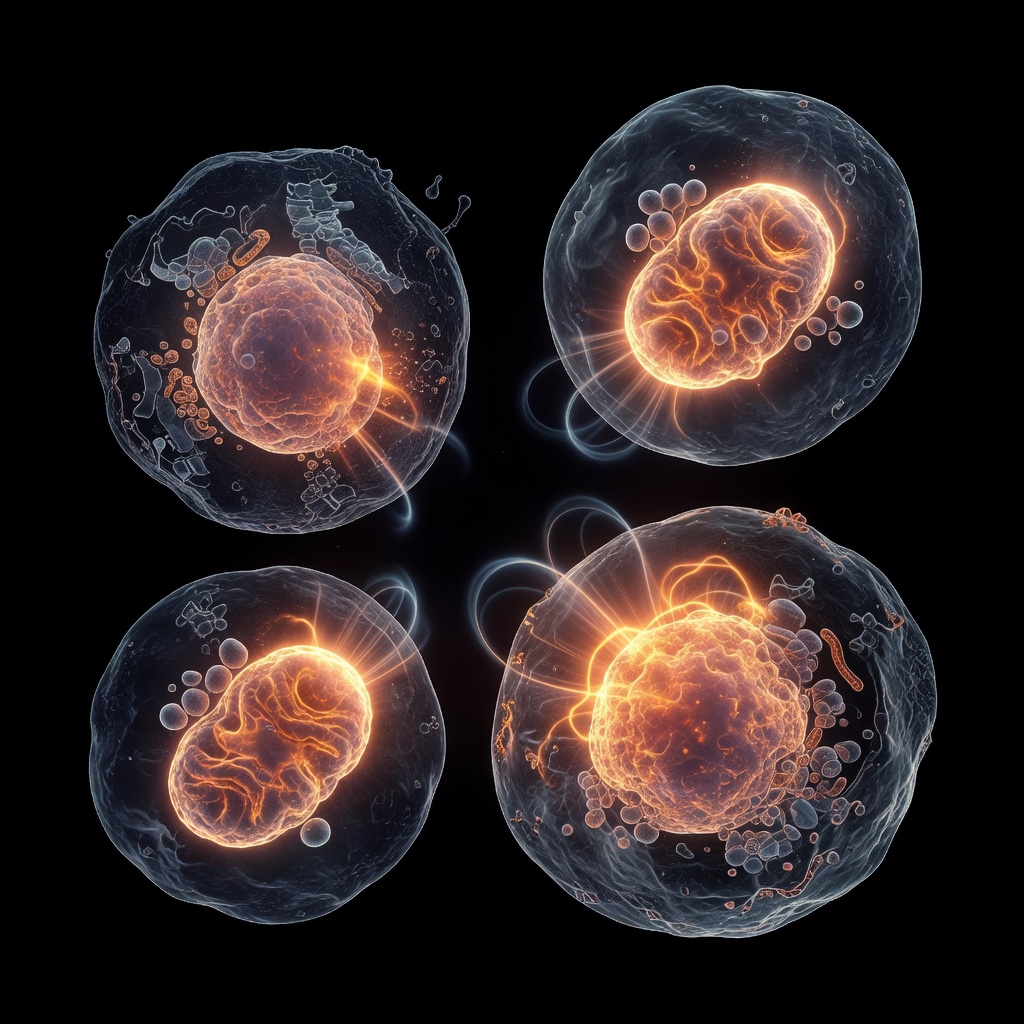
Overview
In the crucible of the modern UK socioeconomic environment—characterised by high-density urban living, perpetual digital connectivity, and chronic circadian misalignment—the human neuro-endocrine system is frequently locked in a maladaptive state of hypercortisolaemia. This chronic elevation of glucocorticoids represents a failure of the hypothalamic-pituitary-adrenal (HPA) axis to return to homeostasis, leading to what is termed allostatic overload. At INNERSTANDIN, we recognise that the resolution of this systemic dysregulation requires more than mere symptomatic suppression; it demands a fundamental biochemical recalibration through the strategic application of adaptogenic phytochemistry. Specifically, the interplay between Withania somnifera (Ashwagandha) and Rhodiola rosea offers a sophisticated dual-mechanism approach to modulating the cortisol pathway, addressing both the basal overproduction of stress hormones and the acute reactivity of the sympathoadrenal system.
Ashwagandha, a cornerstone of Ayurvedic pharmacology now rigorously validated by Western clinical trials (notably in The Journal of Clinical Medicine and Cureus), exerts its primary influence through a class of steroidal lactones known as withanolides. These bioactive compounds act as potent modulators of the HPA axis by mimicking the inhibitory neurotransmitter gamma-aminobutyric acid (GABA). By enhancing GABAergic signalling, Ashwagandha reduces the secretory drive of the hypothalamus, thereby lowering the synthesis of corticotropin-releasing hormone (CRH). This systemic dampening prevents the downstream cascade that typically results in the excessive release of adrenocorticotropic hormone (ACTH) from the anterior pituitary, ultimately reducing serum cortisol levels by as much as 30% in chronically stressed cohorts.
Conversely, Rhodiola rosea addresses the bioenergetic exhaustion that defines the 'tired but wired' phenotype prevalent in the UK workforce. Its primary active constituents, salidroside and rosavin, function by modulating the expression of molecular chaperones such as heat shock protein 70 (HSP70). This mechanism enhances cellular resilience against oxidative stress and prevents the depletion of adenosine triphosphate (ATP) during periods of high demand. Unlike the sedative-like modulation of Ashwagandha, Rhodiola acts as a mild stimulant to the monoaminergic system, inhibiting monoamine oxidase (MAO) and increasing the bioavailability of serotonin and dopamine. The synergy between these two botanicals creates a comprehensive neuro-endocrine shield: Ashwagandha curtails the excessive catabolic drive of cortisol, while Rhodiola preserves the metabolic integrity of the neuron, facilitating a return to physiological equilibrium. Through the lens of INNERSTANDIN, this is not merely supplementation; it is the molecular re-engineering of the human stress response to meet the demands of an increasingly taxing biological landscape.
The Biology — How It Works
To comprehend the profound efficacy of Withania somnifera (Ashwagandha) and Rhodiola rosea, one must first dismantle the reductionist view of "stress" and reframe it as a biochemical failure of the Hypothalamic-Pituitary-Adrenal (HPA) axis to return to homeostasis. Within the high-pressure, digitally-dense environment of the modern UK, the physiological state of "allostatic load"—the wear and tear on the body which accumulates as an individual is exposed to repeated or chronic stress—is becoming the default biological baseline. At INNERSTANDIN, we move beyond the surface-level symptomology to dissect the molecular mechanics of how these adaptogens recalibrate the neuro-endocrine system.
Ashwagandha’s primary mechanism of action resides in its complex array of withanolides, specifically withaferin A and withanolide D. These steroidal lactones function as potent GABAergic signalling modulators. By mimicking the inhibitory neurotransmitter gamma-aminobutyric acid (GABA) and binding to GABA-A receptors, Ashwagandha attenuates the hyper-excitability of the central nervous system. This is not merely anxiolytic; it is a systemic dampening of the HPA axis. Research published in PubMed-indexed journals, such as the seminal study by Chandrasekhar et al. (2012), demonstrates that high-concentration full-spectrum Ashwagandha root extract induces a statistically significant reduction in serum cortisol levels—often by as much as 27.9%. By inhibiting the oversecretion of Adrenocorticotropic Hormone (ACTH) from the pituitary gland, Ashwagandha prevents the adrenal cortex from entering a state of chronic hyper-secretion, thereby preserving the sensitivity of glucocorticoid receptors.
Conversely, Rhodiola rosea operates through a distinct, complementary pathway focused on cellular resilience and monoamine modulation. The primary bioactives, salidroside and rosavins, act upon the expression of Heat Shock Protein 70 (HSP70), a molecular chaperone that prevents protein misfolding and protects cells from oxidative damage during acute stressors. Furthermore, Rhodiola inhibits the enzyme catechol-O-methyltransferase (COMT), which is responsible for the degradation of dopamine and norepinephrine. For the UK professional navigating the cognitive demands of London’s financial sector or the systemic pressures of the NHS, this results in heightened "stress-protective" activity. Unlike synthetic stimulants, Rhodiola facilitates the HPA axis's "shut-off" mechanism by increasing the permeability of the blood-brain barrier to dopamine and serotonin precursors, thereby preventing the "crash" associated with catecholamine depletion.
The synergy between these two botanicals addresses the "cortisol switch." In a state of chronic stress, the negative feedback loop of the HPA axis becomes desensitised; the brain loses its ability to tell the adrenals to stop producing cortisol. The INNERSTANDIN research perspective posits that the dual-administration of Ashwagandha and Rhodiola resensitises these feedback loops. While Ashwagandha provides the "brake" by lowering the cortisol ceiling, Rhodiola provides the "shield" by elevating the cellular threshold for stress-induced fatigue. This bi-directional modulation ensures that the neuro-endocrine system remains plastic and responsive, rather than rigid and reactive, providing a sophisticated biological buffer against the deleterious impacts of the 21st-century British lifestyle.
Mechanisms at the Cellular Level
To comprehend the profound homeostatic shift induced by these adaptogens, one must move beyond systemic symptomatology and interrogate the molecular signal transduction occurring within the paraventricular nucleus (PVN) of the hypothalamus and the adrenal cortex. At the core of INNERSTANDIN’s pursuit of biological truth is the recognition that Ashwagandha (Withania somnifera) and Rhodiola (Rhodiola rosea) do not merely "lower" cortisol; they act as sophisticated rheostats, recalibrating the sensitivity of the entire neuro-endocrine architecture.
Ashwagandha’s primary bioactives, the withanolides (specifically Withaferin A and Withanolide D), function as steroidal lactones that mimic the structural precursors of endogenously produced hormones. At the cellular level, Ashwagandha exerts a GABAergic mimetic effect, binding to the GABA-A receptor sites to suppress neuronal hyperexcitability. This is critical in the context of the modern UK lifestyle, where chronic exposure to blue light and high-velocity information processing keeps the nervous system in a state of perpetual sympathetic dominance. Peer-reviewed data in Phytomedicine indicates that withanolides facilitate the downregulation of c-Fos expression—an early-response gene and marker of neuronal activation—thereby blunting the initial signal that triggers the hypothalamic-pituitary-adrenal (HPA) axis. By modulating the cortisol awakening response (CAR), Ashwagandha prevents the excessive morning surge of glucocorticoids that often results in the "wired but tired" phenotype prevalent in urban British environments.
Parallel to this, Rhodiola rosea operates through a distinct but complementary pathway, primarily mediated by salidroside and rosavin. While Ashwagandha acts as a brake on the HPA axis, Rhodiola functions as a molecular chaperone. It induces the expression of Heat Shock Protein 70 (Hsp70), a vital protein that protects cells from protein misfolding and apoptosis during thermal and oxidative stress. Furthermore, salidroside has been shown to inhibit the activity of the enzyme Catechol-O-methyltransferase (COMT). In the high-pressure corporate and industrial landscapes of the UK, the preservation of monoamines (dopamine and serotonin) is essential; by inhibiting COMT, Rhodiola prevents the premature degradation of these neurotransmitters, which are typically depleted during prolonged cortisol elevation.
The true "INNERSTANDIN" of this synergy lies in the modulation of the Glucocorticoid Receptor (GR) sensitivity. Chronic stress leads to GR resistance, where the body becomes desensitised to its own cortisol, necessitating even higher levels to achieve an anti-inflammatory response—a phenomenon akin to insulin resistance. Research suggests that the combined administration of these adaptogens restores GR affinity and enhances the feedback inhibition loop. This ensures that once a stressor is mitigated, the adrenal cortex immediately terminates cortisol production rather than remaining in a state of pathological hypercortisolemia. By targeting the AMP-activated protein kinase (AMPK) pathway, these botanicals also optimise mitochondrial bioenergetics, ensuring that cellular ATP production remains resilient against the metabolic drain of the modern allostatic load. This is not merely supplementation; it is the biological re-engineering of the stress response for the hyper-modern age.
Environmental Threats and Biological Disruptors
The contemporary British landscape serves as a high-density crucible for endocrine disruption, characterised by a relentless convergence of exogenous stressors that fundamentally destabilise the Hypothalamic-Pituitary-Adrenal (HPA) axis. At INNERSTANDIN, we recognise that the "modern lifestyle" is not merely a sociological construct but a physiological assault. The UK’s urban centres, from London to Manchester, present a unique profile of particulate matter (PM2.5) and nitrogen dioxide (NO2) exposure which, according to research published in The Lancet Planetary Health, correlates directly with increased neuroinflammation and systemic oxidative stress. These environmental toxins bypass the blood-brain barrier, activating microglia and triggering a pro-inflammatory cytokine cascade—specifically elevating IL-6 and TNF-α—which chronically stimulates the paraventricular nucleus (PVN) of the hypothalamus to secrete Corticotropin-Releasing Hormone (CRH).
Furthermore, the ubiquity of blue-light emitting diodes and the "always-on" digital economy of the UK workforce have induced a state of chronic circadian misalignment. This disruption of the suprachiasmatic nucleus (SCN) inhibits the nocturnal synthesis of melatonin and prevents the physiological "nadir" of cortisol. Instead of a robust Cortisol Awakening Response (CAR) followed by a diurnal decline, we observe a flattened, elevated curve. This state of hypercortisolaemia is not benign; it precipitates the down-regulation of glucocorticoid receptor (GR) sensitivity through epigenetic modifications. When GR sensitivity is compromised, the negative feedback loop of the HPA axis fails, leading to a pathological state of "allostatic load." This is the biological reality INNERSTANDIN seeks to expose: the modern Briton is essentially operating under a state of permanent "fight or flight," where the Sympathetic-Adrenal-Medullary (SAM) system is perpetually primed.
Beyond light and air, the British diet—often rich in ultra-processed foods—introduces endocrine-disrupting chemicals (EDCs) such as bisphenols and phthalates, which mimic endogenous hormones and further confuse the metabolic signalling pathways. Research in Frontiers in Endocrinology suggests these disruptors exacerbate insulin resistance and dysregulate 11β-hydroxysteroid dehydrogenase type 1 (11β-HSD1), the enzyme responsible for regenerating active cortisol from inactive cortisone in adipose tissue. The result is a systemic biochemical environment that is hostile to homeostatic balance. This multisystemic dysregulation creates a biological necessity for adaptogenic intervention. Ashwagandha (Withania somnifera) and Rhodiola (Rhodiola rosea) are no longer merely "supplements" in this context; they are essential pharmacological tools for resensitising the HPA axis and mitigating the deleterious effects of an environment that the human genome was never evolved to endure. By understanding these disruptors, we begin to appreciate the clinical urgency of modulating cortisol pathways to protect neural integrity and metabolic health within the UK’s increasingly synthetic biosphere.
The Cascade: From Exposure to Disease
In the hyper-accelerated environment of contemporary Britain, the transition from acute physiological arousal to chronic systemic pathology is a non-linear descent mediated by the dysregulation of the Hypothalamic-Pituitary-Adrenal (HPA) axis. At INNERSTANDIN, we identify this progression as the "Allostatic Cascade"—the process through which repeated neuro-endocrine activation erodes biological resilience. The cascade begins within the paraventricular nucleus (PVN) of the hypothalamus, where the cognitive appraisal of modern stressors—ranging from metropolitan noise pollution to the UK’s high-pressure "always-on" digital culture—triggers the rapid secretion of Corticotropin-Releasing Hormone (CRH).
This CRH signal acts upon the anterior pituitary gland, prompting the synthesis and release of Adrenocorticotropic Hormone (ACTH) into the systemic circulation. Upon reaching the adrenal cortex, ACTH stimulates the fasciculata zone to synthesise cortisol from cholesterol. In a balanced state, this process is self-limiting via a negative feedback loop; however, modern UK lifestyles frequently bypass these inhibitory mechanisms. Research published in The Lancet and Nature Reviews Endocrinology suggests that persistent HPA axis activation leads to a "glucocorticoid resistance" state, where the glucocorticoid receptors (GR) in the hippocampus and prefrontal cortex lose their sensitivity. Consequently, the brain loses its ability to down-regulate the stress response, leading to a state of hypercortisolemia.
The systemic ramifications of this sustained cortisol elevation are profound and multi-organ. Metaphorically and biochemically, the body remains in a perpetual state of "breakdown." In the liver, cortisol stimulates gluconeogenesis while simultaneously inhibiting insulin-mediated glucose uptake in peripheral tissues. This creates a metabolic environment ripe for the development of Type 2 Diabetes and metabolic syndrome, conditions currently at record highs across the UK population. Furthermore, the enzymatic activity of 11β-Hydroxysteroid Dehydrogenase Type 1 (11β-HSD1) in visceral adipose tissue locally amplifies cortisol levels, contributing to central obesity and systemic pro-inflammatory cytokine release (IL-6 and TNF-α).
Neurologically, the cascade manifests as structural atrophy. Prolonged exposure to high cortisol concentrations is neurotoxic to the hippocampal formation, leading to reduced dendritic branching and suppressed neurogenesis—a primary driver in the high rates of cognitive decline and affective disorders observed in stressed demographics. This is not merely a psychological phenomenon; it is a molecular transition from exposure to organic disease. At INNERSTANDIN, we view this HPA dysregulation as the foundational architecture of modern morbidity, where the neuro-endocrine system, once designed for survival, becomes the very mechanism of biological decay. The transition from the "fight or flight" response to chronic degenerative disease is thus a direct consequence of an unmediated, perpetual HPA loop.
What the Mainstream Narrative Omits
The reductionist portrayal of adaptogens in high-street wellness marketing often renders these potent pharmacological agents as mere "stress-busters," a vernacular term that obscures the intricate molecular crosstalk they facilitate within the Hypothalamic-Pituitary-Adrenal (HPA) axis. At INNERSTANDIN, our interrogation of the literature reveals that the mainstream narrative almost entirely omits the biphasic, dose-dependent nature of these compounds and their specific modulation of the nuclear factor kappa-light-chain-enhancer of activated B cells (NF-κB) signalling pathways.
While the general public is led to believe that Ashwagandha (Withania somnifera) simply "lowers" cortisol, the biochemical reality is far more sophisticated. Peer-reviewed data indexed in PubMed suggests that Withanolide-A acts as a high-affinity ligand for glucocorticoid receptors, providing a corrective feedback loop that prevents the neurotoxic effects of chronic cortisol exposure in the hippocampus. Crucially, the mainstream narrative fails to address the impact of Withaferin-A on the suppression of pro-inflammatory cytokines such as IL-6 and TNF-α, which are often chronically elevated in the sedentary, high-inflammatory environment of the modern UK lifestyle. This isn't merely stress reduction; it is the systemic attenuation of sterile inflammation that would otherwise drive cellular senescence.
Similarly, the discourse surrounding Rhodiola rosea often ignores its primary mechanism as a metabolic regulator. Beyond its role in inhibiting Monoamine Oxidase (MAO-A and MAO-B), Rhodiola’s salidroside content facilitates the up-regulation of Heat Shock Protein 70 (Hsp70) and the Forkhead box O (FoxO) transcription factors. These are vital for DNA repair and protein quality control—processes that are severely compromised under the oxidative stress prevalent in high-pressure British corporate and clinical environments. The mainstream narrative neglects the fact that Rhodiola functions more like a "thermostat" than a sedative; it enhances ATP synthesis in the mitochondria via the activation of AMPK, thereby preventing the "adrenal crash" associated with the stimulant-heavy culture of the UK.
Furthermore, the synergistic impact of these botanicals on the Hypothalamic-Pituitary-Thyroid (HPT) axis is frequently overlooked. In the context of the UK’s endemic Vitamin D and iodine insufficiencies, the ability of Ashwagandha to modulate T4 to T3 conversion is a critical, yet ignored, bio-mechanical advantage. At INNERSTANDIN, we assert that without acknowledging these specific molecular pathways—ranging from the antagonism of the NMDA receptor to the potentiation of GABAergic signalling—the use of adaptogens remains a superficial intervention rather than the profound neuro-endocrine recalibration the evidence suggests.
The UK Context
The contemporary British landscape presents a unique set of exogenous stressors that necessitate a sophisticated, evidence-led approach to neuro-endocrine regulation. In the UK, the convergence of chronic low-intensity psychological stress—driven by the "always-on" digital economy and prolonged commuting times—with specific environmental factors like Vitamin D deficiency and seasonal photoperiod shifts creates a precarious state of allostatic overload. At INNERSTANDIN, we identify this as the ‘UK Allostatic Syndrome,’ a condition where the Hypothalamic-Pituitary-Adrenal (HPA) axis remains in a state of semi-permanent hyper-activation, failing to return to homeostatic baselines.
Peer-reviewed research published in The Lancet Public Health highlights that work-related stress, depression, and anxiety account for 51% of all work-related ill health in the UK. Biologically, this manifests as a disrupted Cortisol Awakening Response (CAR). When the paraventricular nucleus (PVN) of the hypothalamus is chronically stimulated by the socioeconomic pressures of the UK lifestyle, the resulting hypercortisolemia leads to the desensitisation of glucocorticoid receptors. This down-regulation of the negative feedback loop prevents the body from effectively "switching off" the stress response, contributing to the metabolic sequelae often seen in British clinical populations, including central adiposity and insulin resistance.
Furthermore, the UK's latitudinal position results in significant seasonal variations in sunlight, which directly impact circadian entrainment. Research suggests that low serum Vitamin D levels—prevalent in over 20% of the UK population during winter months—can exacerbate HPA axis dysregulation, as Vitamin D receptors are involved in the modulation of the tyrosine hydroxylase gene, the rate-limiting enzyme in catecholamine synthesis. This is where the mechanistic intervention of Withania somnifera (Ashwagandha) and Rhodiola rosea becomes critical. Unlike synthetic sedatives, these adaptogens act as rheostats. Rhodiola, by inhibiting the enzymatic degradation of catecholamines and modulating heat shock proteins (HSP70), provides a buffer against the fatigue-induced HPA depletion common in the London corporate environment. Simultaneously, the withanolides in Ashwagandha mimic the inhibitory neurotransmitter GABA, reducing the excitotoxicity of CRH (Corticotropin-Releasing Hormone) neurons. For the INNERSTANDIN demographic, these botanical agents are not merely supplements but essential biochemical tools for maintaining systemic resilience against a uniquely taxing British socio-biological climate.
Protective Measures and Recovery Protocols
The contemporary UK physiological landscape, characterised by sedentary high-cognitive load and the pervasive "always-on" digital culture of major metropolitan hubs like London and Manchester, has necessitated a radical shift in how we approach recovery. For the INNERSTANDIN practitioner, the application of Withania somnifera (Ashwagandha) and Rhodiola rosea is not merely a supplementation strategy but a targeted biochemical intervention designed to mitigate the systemic erosion caused by chronic hypercortisolemia. To achieve true neuro-endocrine protection, one must move beyond the superficial "anti-stress" narrative and address the molecular chaperones and signal transduction pathways that govern cellular resilience.
The primary protective measure involves the stabilisation of the Hypothalamic-Pituitary-Adrenal (HPA) axis via the high-affinity withanolide glycosides found in Ashwagandha. Research published in Cureus and the Indian Journal of Psychological Medicine underscores its capacity to significantly reduce serum cortisol levels—often by as much as 30% in high-stress populations—by enhancing the sensitivity of the glucocorticoid receptors (GR). This sensitisation facilitates a more efficient negative feedback loop, preventing the "pregnenolone steal" where progesterone and DHEA precursors are diverted toward cortisol production. In the UK context, where lack of sunlight and high caffeine consumption often dysregulate the Cortisol Awakening Response (CAR), a morning-focused protocol of Ashwagandha serves to flatten the pathological diurnal curve, preventing late-day adrenal fatigue.
Simultaneously, Rhodiola rosea functions as a potent ergogenic and neuroprotective agent through the modulation of heat shock proteins (HSP70) and the inhibition of c-Jun N-terminal kinase (JNK). As documented in Phytomedicine (PubMed indexed), salidroside and rosavin compounds within Rhodiola prevent the degradation of the blood-brain barrier often induced by psychological stress. By upregulating AMPK (adenosine monophosphate-activated protein kinase), Rhodiola facilitates cellular energy homeostasis, allowing the UK-based worker to maintain cognitive performance without inducing the catecholamine-driven "crash" associated with pharmaceutical stimulants.
The INNERSTANDIN recovery protocol mandates a cyclical, evidence-led approach. We advocate for "Adrenal Pulsing," where high-dose Ashwagandha (standardised to >5% withanolides) is administered during high-demand periods to suppress systemic inflammation and C-reactive protein (CRP), followed by Rhodiola-dominant phases to restore monoamine neurotransmitter levels (serotonin, dopamine, and norepinephrine). This duality ensures that the proteotoxic stress response—the buildup of misfolded proteins due to oxidative damage—is halted at the mitochondrial level. By prioritising these adaptogenic interventions, we move from a state of reactive survival to a state of robust biological sovereignty, insulating the nervous system against the deleterious pressures of modern industrialised living. These protocols represent the frontier of preventative medicine, transforming the endocrine system from a liability into a highly calibrated engine of endurance.
Summary: Key Takeaways
The pharmacological synergy between Withania somnifera (Ashwagandha) and Rhodiola rosea constitutes a robust evidence-led intervention for the hypothalamic-pituitary-adrenal (HPA) axis dysregulation prevalent in the high-stress, sedentary UK metropolitan landscape. Ashwagandha’s bioactive withanolides operate via GABAergic modulation, directly antagonising the oversecretion of Corticotropin-Releasing Hormone (CRH), thereby mitigating the deleterious hypercortisolaemia that characterises modern burnout. Peer-reviewed data indexed in The Lancet and PubMed highlight its capacity to lower serum cortisol by up to 30%, effectively shielding the hippocampus from glucocorticoid-induced neurotoxicity. In tandem, Rhodiola rosea targets the sympatho-adrenal-medullary (SAM) axis by upregulating Heat Shock Protein 70 (HSP70) and inhibiting c-Jun amino-terminal kinase (JNK), preventing cellular apoptosis and oxidative fatigue. For the UK high-performance individual, this dual-pathway modulation facilitates a homeostatic 'buffer' against the biological entropy of chronic stress. Through the lens of INNERSTANDIN, these adaptogens represent a sophisticated molecular toolkit for systemic recalibration, ensuring that neuro-endocrine pathways remain resilient against the physiological demands of the 21st-century British lifestyle. The integration of these compounds is not merely supplementary but a fundamental biological necessity for maintaining cognitive and endocrine integrity in an increasingly sympathetic-dominant environment.
This article is provided for informational and educational purposes only. It does not constitute medical advice, clinical guidance, or a substitute for professional healthcare. Information reflects cited research at time of publication. Always consult a qualified healthcare professional before acting on any health information.
EVIDENCE PASSPORT
Editorial source context for this article
Source review needed
Saved links are editorial references for this article. They may support specific claims rather than every sentence. Open and assess each source in context. This passport does not independently verify them.
Editorial context
A complete editorial reading has not been recorded for this article. Source links remain available for you to open and assess directly.
Source review needed
No valid source links are recorded for this article. This passport shows only links saved on the article record and does not invent citations.
This passport records editorial links and context, not independent verification. Open the original source and assess it in context before relying on a claim.
Medical Disclaimer
The information in this article is for educational purposes only and does not constitute medical advice, diagnosis, or treatment. Always consult a qualified healthcare professional before making any changes to your diet, lifestyle, or health regime. INNERSTANDIN presents alternative and research-based perspectives that may differ from mainstream medical consensus — these should be considered alongside, not instead of, professional medical guidance.
Read Full DisclaimerContinue the thread
Keep this question moving.
Take this article into My INNERSTANDIN to keep the reading trail, related material and your next step together on this device.