
The Neuro-Immune Interface: How Psychoneuroimmunology Shapes Chronic Inflammatory Responses
Updated April 2026
Evidence orientation
Editorial context not yet recorded
Follow this category
This stays in this browser. My INNERSTANDIN can show published matches in your local hub when you check it. It does not send email, push, or alert notifications.
Local learning review
A private browser aid for revisiting ideas. It is not an alert or a health recommendation.
Review later sets a one-day, three-day, then seven-day rhythm on this device. Choose it only when you want to revisit this article.
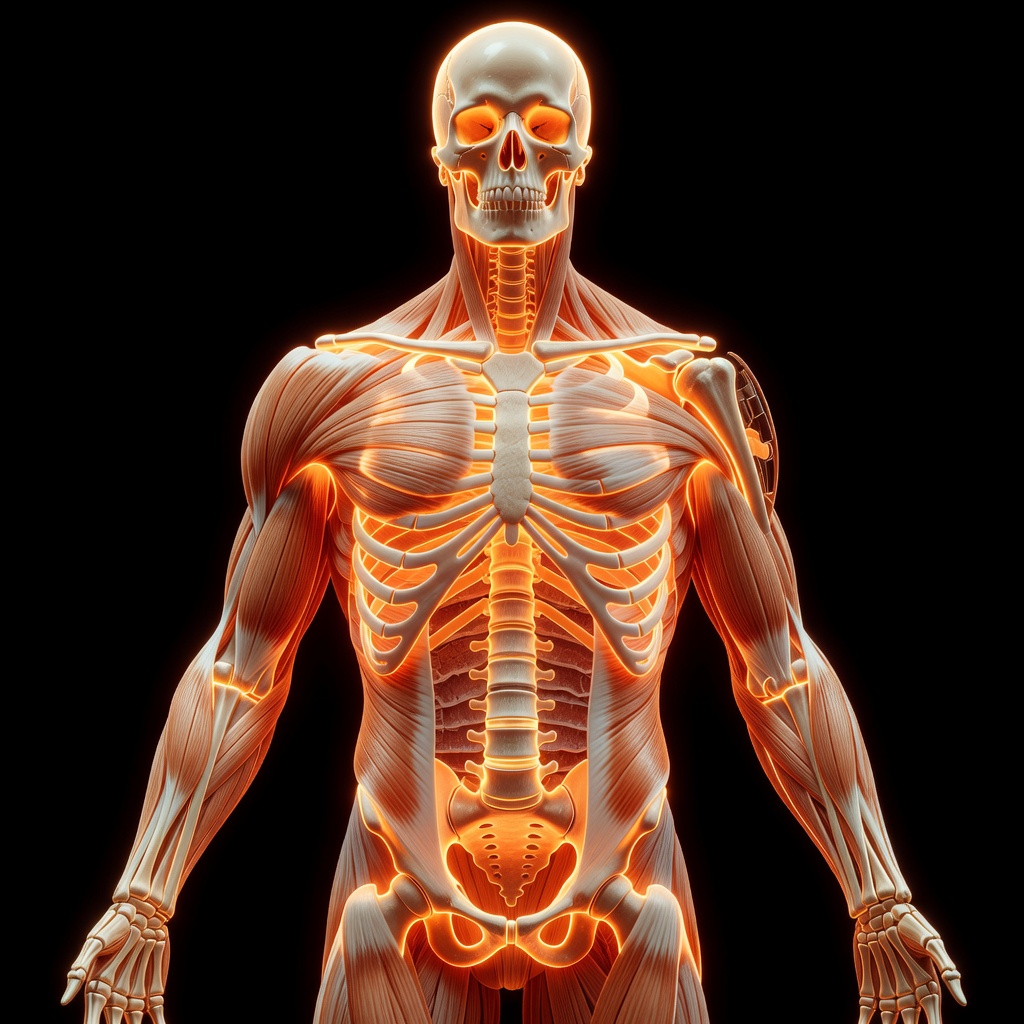
For decades, conventional Western medicine has operated under a Cartesian delusion: the belief that the mind and the body are separate entities, functioning in isolation. We have treated the immune system as a mechanical defence force and the brain as a detached command centre. However, the emerging field of Psychoneuroimmunology (PNI) is dismantling this outdated blueprint.
At INNERSTANDING, we believe that true health education requires exposing the hidden connections that dictate our biological reality. The neuro-immune interface is not merely a scientific curiosity; it is the primary theatre where autoimmune conditions are staged. To understand why the body turns against itself, we must understand how our thoughts, stresses, and neural pathways orchestrate our inflammatory state.
The Overview: Defining Psychoneuroimmunology
Psychoneuroimmunology (PNI) is the study of the bidirectional communication between the central nervous system (the brain and spinal cord) and the immune system. It posits that our psychological state—processed through the nervous system—directly influences the production of immune cells and the release of inflammatory markers.
In the context of autoimmune conditions, PNI explains how chronic emotional distress or unresolved trauma can 'prime' the immune system to remain in a state of high alert. This persistent vigilance leads to chronic low-grade inflammation, the precursor to almost every modern degenerative disease.
"The immune system does not operate in a vacuum. Every immune cell is equipped with receptors for neurotransmitters, meaning your white blood cells are quite literally 'listening' to your thoughts."
Biological Mechanisms: The Hardwiring of the Mind-Body Bridge
To comprehend how a thought can trigger a flare-up of Lupus or Rheumatoid Arthritis, we must look at the physical structures connecting the mind to the cell.
1. The HPA Axis and Cortisol Resistance
The Hypothalamic-Pituitary-Adrenal (HPA) axis is the body's central stress response system. When the brain perceives a threat (whether a physical predator or a looming work deadline), the hypothalamus signals the adrenal glands to release cortisol.
Normally, cortisol is a potent anti-inflammatory. However, in cases of chronic stress—frequent in those with autoimmune predispositions—the immune cells become desensitised to it. This is known as glucocorticoid receptor resistance. The 'off switch' for inflammation breaks, allowing proinflammatory cytokines to circulate unchecked.
2. The Vagus Nerve: The Information Superhighway
The Vagus Nerve (the 10th cranial nerve) serves as the primary conduit for the "cholinergic anti-inflammatory pathway." It carries signals from the digestive tract and organs back to the brain. When vagal tone is high, the body can effectively dampen inflammation. When vagal tone is low—often due to chronic "fight or flight" states—the body loses its ability to regulate the immune response, leading to the cytokine storms seen in severe autoimmune responses.
3. Neurotransmitters as Immunomodulators
Immune organs, such as the spleen and lymph nodes, are heavily innervated by the sympathetic nervous system. Neurons release noradrenaline directly onto immune cells. Depending on the timing and concentration, this can either stimulate or suppress the immune response. In the neuro-immune interface, the distinction between a "nerve signal" and an "immune signal" is increasingly blurred.
The UK Context & Relevance: An Epidemic of Disconnection
In the United Kingdom, autoimmune conditions are rising at an alarming rate of approximately 3% to 9% per year. Conditions like Multiple Sclerosis (MS), Type 1 Diabetes, and Inflammatory Bowel Disease (IBD) are now more prevalent than ever before.
The UK healthcare model, while exceptional at acute trauma care, often struggles with the PNI reality of chronic illness. The standard 10-minute GP consultation is rarely sufficient to uncover the psychological or environmental stressors driving a patient's C-reactive protein (CRP) levels higher.
Furthermore, the British cultural legacy of the "stiff upper lip"—the suppression of emotion and the avoidance of discussing psychological distress—is biologically expensive. Repressed emotion is a physiological stressor. When we do not "feel" our feelings, the body is forced to "speak" them through physical symptoms and autoimmune dysfunction.
Key Fact: Research indicates that individuals in the UK living in high-stress urban environments with minimal access to green space show significantly higher levels of interleukin-6 (IL-6), a key marker of systemic inflammation.
Environmental Factors: The Epigenetic Trigger
While genetics may load the gun, the environment—interpreted through the nervous system—pulls the trigger. This is the essence of epigenetics.
Ultra-Processed Foods (UPFs) and the Microbiome
The UK has one of the highest consumptions of ultra-processed foods in Europe. These "non-foods" irritate the gut lining, leading to intestinal permeability (Leaky Gut). Because 70-80% of the immune system resides in the gut (the GALT), this irritation sends immediate distress signals to the brain via the vagus nerve, creating a feedback loop of neuro-inflammation.
Circadian Disruption
Our modern environment is flooded with artificial blue light, particularly in British winters when natural daylight is scarce. This disrupts melatonin production. Melatonin is not just a sleep hormone; it is a master regulator of the immune system. Chronic sleep deprivation "thicks" the blood with inflammatory markers and prevents the brain’s glymphatic system from clearing out metabolic waste.
The "Cost of Living" Biology
Socio-economic stress is not just a political issue; it is a biological one. The chronic uncertainty regarding housing, energy costs, and food security keeps the UK population in a state of sympathetic dominance. This constant "high-alert" status prevents the body from entering the "rest and digest" (parasympathetic) state required for tissue repair and immune modulation.
Protective Strategies: Rewiring the Neuro-Immune Interface
Understanding PNI allows us to move beyond symptomatic management and toward genuine systemic healing. Here are the authoritative strategies for reclaiming your biological sovereignty.
1. Vagal Toning and Parasympathetic Activation
You can manually "hack" your nervous system to lower inflammation. Techniques such as Diaphragmatic Breathing (specifically the 4-7-8 technique) and cold-water exposure (common in the UK’s growing "wild swimming" community) stimulate the vagus nerve. This sends an immediate signal to the spleen to stop the production of proinflammatory cytokines.
2. Cognitive Reframing and Trauma Release
Since the immune system responds to perceived threats, addressing Adverse Childhood Experiences (ACEs) or past traumas is non-negotiable for autoimmune recovery. Therapies like Somatic Experiencing or EMDR help "discharge" the stored energy of the stress response, preventing the HPA axis from remaining permanently stuck in the "on" position.
3. Anti-Inflammatory Nutrition (The British Seasonal Approach)
Prioritise a diet rich in polyphenols and Omega-3 fatty acids. In a UK context, this means:
- Cruciferous vegetables: Cabbage, kale, and broccoli (rich in sulforaphane).
- Oily fish: Wild-caught mackerel or sardines (essential for resolving inflammation).
- Fermented foods: Traditional kefir or sauerkraut to support the gut-brain-immune axis.
4. Radical Rest and Circadian Alignment
In a culture that prides itself on "the grind," choosing to rest is a radical act of health. Aligning with the natural light cycles of the British Isles—getting outside within 30 minutes of sunrise and dimming lights after 8 PM—helps resynchronise the suprachiasmatic nucleus in the brain, which in turn regulates immune timing.
The Truth Exposed: The Path Forward
The "truth" that modern medicine often avoids is that chronic inflammation is a message. It is the body’s loudest cry for a change in environment, thought patterns, or lifestyle. When we treat an autoimmune condition solely with immunosuppressants, we are effectively cutting the wires to a smoke alarm while the fire still burns.
The Neuro-Immune Interface proves that we are self-regulating organisms. Our immune system is not a separate entity to be "boosted" or "suppressed," but a deeply integrated component of our consciousness.
"Healing from an autoimmune condition requires more than just a prescription; it requires a deep 'innerstanding' of how your life's story is being written into your biology."
Key Takeaways
- PNI is the bridge: Your thoughts, emotions, and nervous system directly regulate your immune cells through the HPA axis and the Vagus nerve.
- Stress desensitises: Chronic stress leads to cortisol resistance, meaning the body loses its natural ability to turn off the inflammatory response.
- The UK Crisis: Rising rates of autoimmunity in the UK are linked to "stiff upper lip" culture, urban stressors, and ultra-processed diets.
- Gut-Brain-Immune Axis: The majority of your immune system lives in your gut; what you eat dictates the "mood" of your immune response.
- You have agency: Through vagal toning, trauma work, and circadian alignment, you can re-programme your neuro-immune interface and lower systemic inflammation.
By acknowledging the profound link between the psyche and the soma, we move from being victims of our genetics to being the conscious architects of our health. This is the essence of INNERSTANDING.
This article is provided for informational and educational purposes only. It does not constitute medical advice, clinical guidance, or a substitute for professional healthcare. Information reflects cited research at time of publication. Always consult a qualified healthcare professional before acting on any health information.
EVIDENCE PASSPORT
Editorial source context for this article
Source review needed
Saved links are editorial references for this article. They may support specific claims rather than every sentence. Open and assess each source in context. This passport does not independently verify them.
Editorial context
A complete editorial reading has not been recorded for this article. Source links remain available for you to open and assess directly.
Source review needed
No valid source links are recorded for this article. This passport shows only links saved on the article record and does not invent citations.
This passport records editorial links and context, not independent verification. Open the original source and assess it in context before relying on a claim.
Medical Disclaimer
The information in this article is for educational purposes only and does not constitute medical advice, diagnosis, or treatment. Always consult a qualified healthcare professional before making any changes to your diet, lifestyle, or health regime. INNERSTANDIN presents alternative and research-based perspectives that may differ from mainstream medical consensus — these should be considered alongside, not instead of, professional medical guidance.
Read Full DisclaimerContinue the thread
Keep this question moving.
Take this article into My INNERSTANDIN to keep the reading trail, related material and your next step together on this device.
Explore this in the Body Map
See where this hits your biology. Interactive anatomy, threats, and protective protocols.
Dig deeper in the Library
Free, longform PDF volumes that go beyond headlines into mechanisms and references.