The Neuroprotective Synergy of D3 and K2: Addressing Oxidative Stress in the Blood-Brain Barrier
Discuss this resourceUpdated August 2026
An in-depth analysis of how the synergistic relationship between Vitamin D3 and K2 stabilizes the blood-brain barrier and mitigates neurodegenerative oxidative stress through calcium regulation and gene expression.
Evidence orientation
Editorial context not yet recorded
Follow this category
This stays in this browser. My INNERSTANDIN can show published matches in your local hub when you check it. It does not send email, push, or alert notifications.
Local learning review
A private browser aid for revisiting ideas. It is not an alert or a health recommendation.
Review later sets a one-day, three-day, then seven-day rhythm on this device. Choose it only when you want to revisit this article.
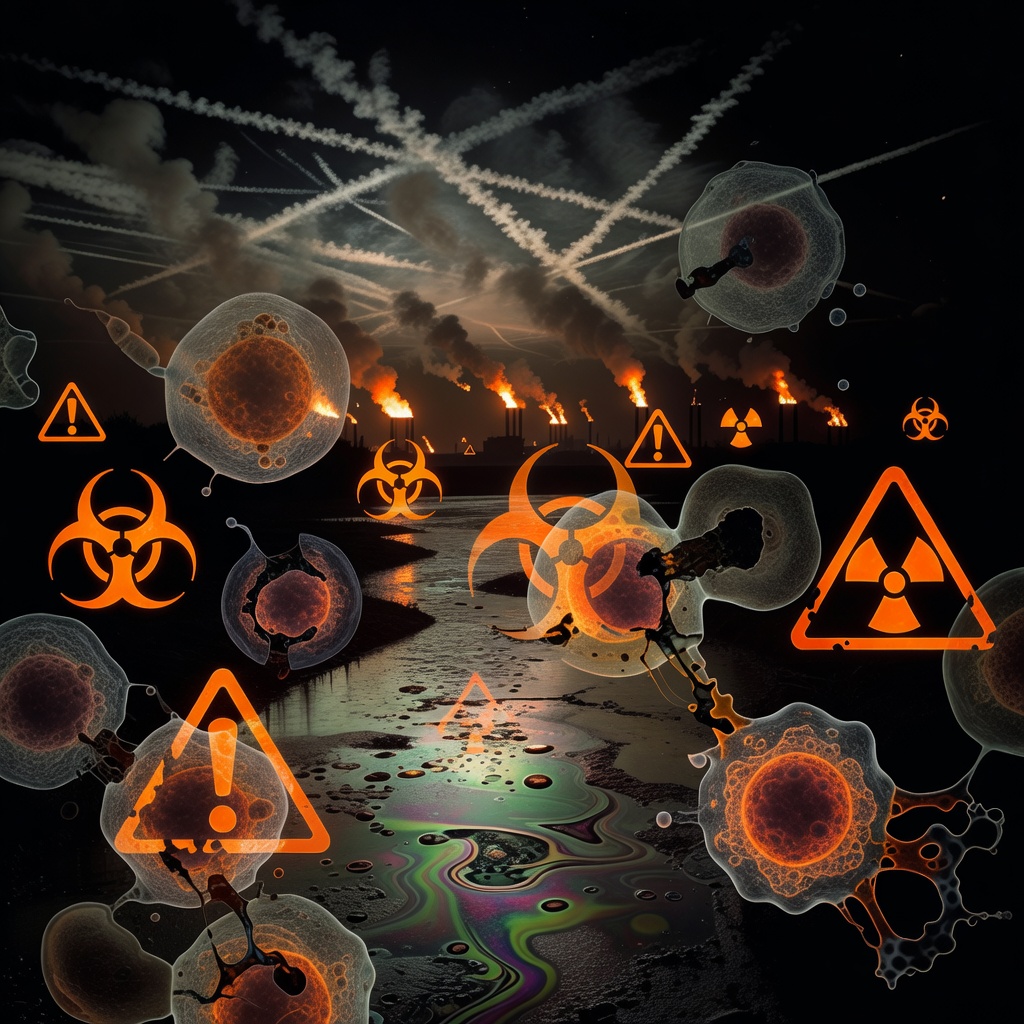
# The Neuroprotective Synergy of D3 and K2: Addressing Oxidative Stress in the Blood-Brain Barrier## The Gateway at Risk: Understanding the Blood-Brain Barrier (BBB)The blood-brain barrier (BBB) is the brain's primary line of defense, a highly selective semi-permeable border that separates circulating blood from the brain's extracellular fluid. When this barrier is compromised by oxidative stress, systemic inflammation leaks into the neural environment, triggering neuroinflammation. At INNERSTANDING, we recognize that the root cause of many cognitive declines is not just neural aging, but the failure of this protective vascular gate.## The D3-K2 Mechanism: Beyond Bone HealthWhile traditionally categorized for calcium metabolism, the combination of Vitamin D3 (cholecalciferol) and K2 (menaquinone-7) is a formidable neuroprotective duo. Vitamin D3 acts as a powerful steroid hormone, modulating over 1,000 genes.
One of its primary roles is the regulation of tight junction proteins—the cellular 'seals' that maintain the integrity of the BBB. However, Vitamin D increases calcium absorption. Without K2, this calcium can deposit in soft tissues, including the microvasculature of the brain, leading to vascular calcification and further barrier degradation. K2 acts as the traffic controller, activating Matrix Gla Protein (MGP) to clear calcium from the vessels and direct it into the skeletal matrix.## Mitigating Oxidative Stress through SynergyOxidative stress occurs when free radicals overwhelm the brain's antioxidant defenses.
Vitamin D3 supports the production of glutathione, the brain's master antioxidant. Simultaneously, K2 has been shown to support mitochondrial function within the endothelial cells that make up the BBB. By ensuring that calcium is not causing oxidative friction within the blood vessels, K2 allows Vitamin D3 to focus on its role in epigenetic modulation, effectively reducing the cytokine signaling that would otherwise promote BBB permeability.## Root-Cause Protocol: Why the Combination is Non-NegotiableSupplementing D3 in isolation can inadvertently lead to hypercalcemia or vascular 'stiffening' in the absence of adequate K2. This protocol is designed to address the foundational environment of the brain rather than just masking cognitive symptoms.
By maintaining optimal levels of both vitamins, we foster an environment where the vascular architecture of the brain remains supple and impermeable to systemic inflammatory debris.## ConclusionFor those pursuing longevity and cognitive resilience, the D3-K2 synergy is foundational. By addressing the structural integrity of the blood-brain barrier and managing systemic calcium dynamics, we can significantly reduce the oxidative burden on the brain, effectively slowing the progression of neurodegenerative processes at their root.
This article is provided for informational and educational purposes only. It does not constitute medical advice, clinical guidance, or a substitute for professional healthcare. Information reflects cited research at time of publication. Always consult a qualified healthcare professional before acting on any health information.
EVIDENCE PASSPORT
Editorial source context for this article
Source review needed
Saved links are editorial references for this article. They may support specific claims rather than every sentence. Open and assess each source in context. This passport does not independently verify them.
Editorial context
A complete editorial reading has not been recorded for this article, and no source links are saved on its record.
Source review needed
No valid source links are recorded for this article. Supplementary research, where available, is listed separately below.
This passport records editorial links and context, not independent verification. Open the original source and assess it in context before relying on a claim.
Medical Disclaimer
The information in this article is for educational purposes only and does not constitute medical advice, diagnosis, or treatment. Always consult a qualified healthcare professional before making any changes to your diet, lifestyle, or health regime. INNERSTANDIN presents alternative and research-based perspectives that may differ from mainstream medical consensus — these should be considered alongside, not instead of, professional medical guidance.
Read Full DisclaimerContinue the thread
Keep this question moving.
Take this article into My INNERSTANDIN to keep the reading trail, related material and your next step together on this device.
Explore this in the Body Map
Explore related body structures and their educational pages in the interactive Body Map.
Dig deeper in the Library
Free, longform PDF volumes that go beyond headlines into mechanisms and references.
RABBIT HOLE
Follow the biological thread deeper