Permeability Shifts in the Blood-Brain Barrier Induced by Circulating Heavy Metal Exposure
Discuss this resourceUpdated August 2026
An exploration into how toxic heavy metals compromise the neurovascular integrity of the blood-brain barrier, leading to systemic neuroinflammation and cognitive dysfunction.
Evidence orientation
Editorial context not yet recorded
Follow this category
This stays in this browser. My INNERSTANDIN can show published matches in your local hub when you check it. It does not send email, push, or alert notifications.
Local learning review
A private browser aid for revisiting ideas. It is not an alert or a health recommendation.
Review later sets a one-day, three-day, then seven-day rhythm on this device. Choose it only when you want to revisit this article.
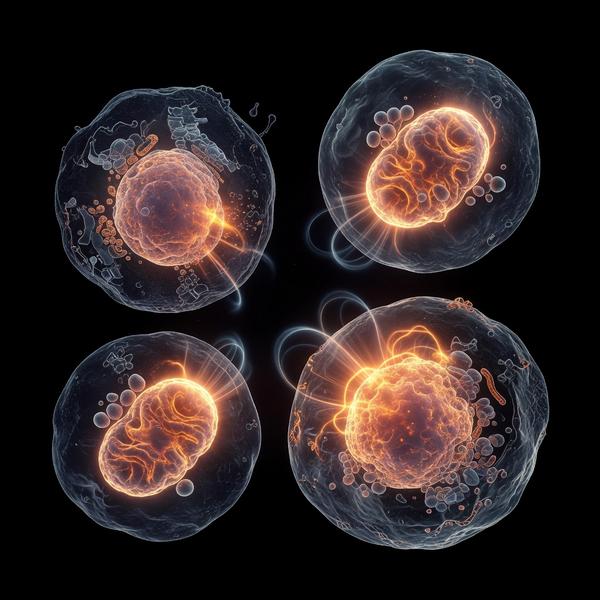
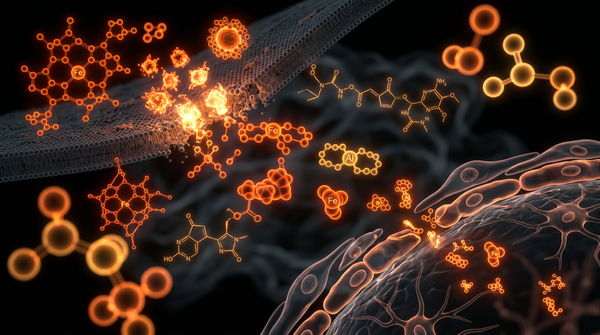
The Gatekeeper Under Siege: Heavy Metals and the BBB. The blood-brain barrier (BBB) is the brain's most sophisticated defense mechanism, a highly selective semi-permeable border of endothelial cells, tight junctions, and astrocytes designed to protect the central nervous system from systemic toxins. However, in our modern environment, this gatekeeper faces an unprecedented challenge: circulating heavy metals. Lead, mercury, cadmium, and arsenic are not merely inert pollutants; they are potent disruptors of cellular architecture. When these metals enter the bloodstream through environmental exposure, they do not just travel to the kidneys or liver; they engage in a direct, biochemical assault on the neurovascular unit. ### Mechanisms of Disruption: Oxidative Stress and Tight Junction Degradation.
The primary pathway for metal-induced BBB compromise is oxidative stress. Heavy metals catalyze the production of reactive oxygen species (ROS) within the endothelial cells that form the BBB. This oxidative deluge triggers the activation of matrix metalloproteinases (MMPs), enzymes that systematically degrade the basement membrane. Simultaneously, heavy metals interfere with the expression of crucial tight junction proteins such as occludin, claudin-5, and zonula occludens-1. As these structural anchors dissolve, the barrier's integrity shifts from a 'tight' state to a 'leaky' state.
This hyper-permeability allows neurotoxic substances, systemic inflammatory cytokines, and pathogens—which would normally be excluded—to infiltrate the brain parenchyma. ### The Pathological Consequence: Neuroinflammation. Once the BBB is breached, the brain's resident immune cells, the microglia, enter a state of chronic activation. This is the root cause of many neurodegenerative trajectories. When systemic metals bypass the barrier, they settle into specific brain regions, including the hippocampus and cortex, leading to a feedback loop of inflammation. This environment is conducive to protein misfolding, mitochondrial dysfunction, and eventually, neuronal cell death.
In clinical observation, this shift is often correlated with cognitive fog, mood instability, and diminished executive function. ### Addressing the Root Cause. Mitigation of BBB damage begins with reducing body burden. Detoxification protocols that focus on glutathione support and chelation, guided by clinical professionals, are essential for removing circulating metals. Furthermore, stabilizing the BBB requires a lifestyle approach: nutritional strategies rich in omega-3 fatty acids, sulforaphane, and polyphenols can modulate MMP activity and reduce systemic oxidative pressure. Understanding that the BBB is not an impenetrable vault, but a dynamic, vulnerable interface, is the first step in protecting long-term cognitive health.
This article is provided for informational and educational purposes only. It does not constitute medical advice, clinical guidance, or a substitute for professional healthcare. Information reflects cited research at time of publication. Always consult a qualified healthcare professional before acting on any health information.
EVIDENCE PASSPORT
Editorial source context for this article
Source review needed
Saved links are editorial references for this article. They may support specific claims rather than every sentence. Open and assess each source in context. This passport does not independently verify them.
Editorial context
A complete editorial reading has not been recorded for this article, and no source links are saved on its record.
Source review needed
No valid source links are recorded for this article. Supplementary research, where available, is listed separately below.
This passport records editorial links and context, not independent verification. Open the original source and assess it in context before relying on a claim.
Medical Disclaimer
The information in this article is for educational purposes only and does not constitute medical advice, diagnosis, or treatment. Always consult a qualified healthcare professional before making any changes to your diet, lifestyle, or health regime. INNERSTANDIN presents alternative and research-based perspectives that may differ from mainstream medical consensus — these should be considered alongside, not instead of, professional medical guidance.
Read Full DisclaimerContinue the thread
Keep this question moving.
Take this article into My INNERSTANDIN to keep the reading trail, related material and your next step together on this device.
Explore this in the Body Map
Explore related body structures and their educational pages in the interactive Body Map.
Dig deeper in the Library
Free, longform PDF volumes that go beyond headlines into mechanisms and references.
RABBIT HOLE
Follow the biological thread deeper