
The Nrf2 Pathway: Harnessing the Hormetic Power of Ozone for Systemic Biological Protection
Updated May 2026
Evidence orientation
Editorial context not yet recorded
Follow this category
This stays in this browser. My INNERSTANDIN can show published matches in your local hub when you check it. It does not send email, push, or alert notifications.
Local learning review
A private browser aid for revisiting ideas. It is not an alert or a health recommendation.
Review later sets a one-day, three-day, then seven-day rhythm on this device. Choose it only when you want to revisit this article.
Overview
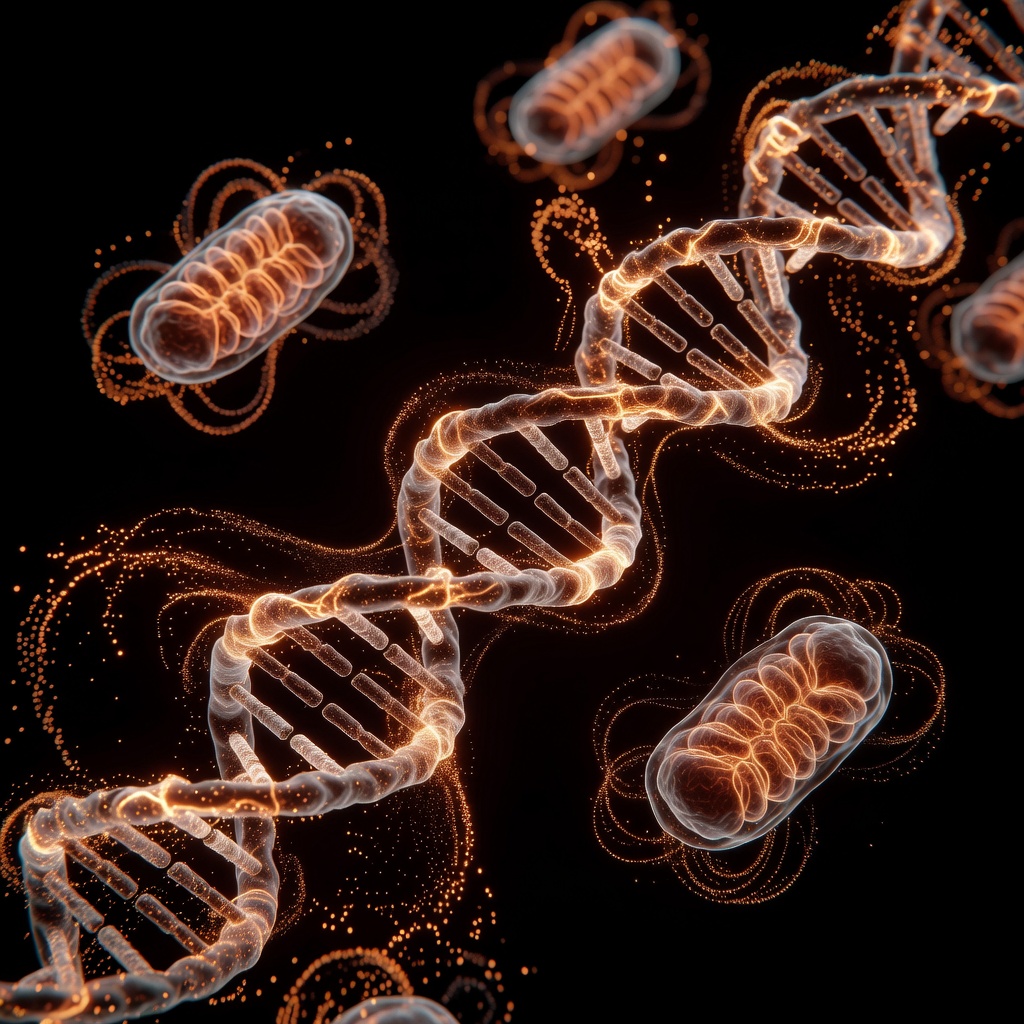
The Nuclear factor erythroid 2-related factor 2 (Nrf2) pathway represents the apex of eukaryotic adaptive stress responses, acting as the master rheostat for cellular redox homeostasis. At INNERSTANDIN, we conceptualise this pathway not merely as a defensive mechanism, but as a sophisticated biological sensor capable of converting transient oxidative stimuli into a systemic programme of cytoprotection. The therapeutic application of medical-grade ozone ($O_3$) serves as the quintessential hormetic trigger for this system. Contrary to the reductive view of ozone as a purely deleterious oxidant, contemporary research published in Nature and Free Radical Biology and Medicine elucidates a more nuanced biochemical reality: at calibrated, non-toxic concentrations, ozone acts as a precision "pro-drug."
Upon introduction into the vascular or interstitial compartment, ozone undergoes an instantaneous reaction with polyunsaturated fatty acids (PUFAs) and water, generating secondary messengers known as lipid oxidation products (LOPs), most notably 4-hydroxynon-2-enal (4-HNE). These electrophilic molecules serve as the primary signals for Nrf2 activation. Under basal conditions, Nrf2 is sequestered in the cytoplasm by Kelch-like ECH-associated protein 1 (Keap1), which facilitates its continuous ubiquitination and proteasomal degradation. However, the LOPs generated via ozone-induced peroxidation react with specific cysteine residues (Cys151, Cys273, and Cys288) on the Keap1 protein. This conformational shift inhibits the E3 ubiquitin ligase activity of the Keap1-Cul3 complex, allowing newly synthesised Nrf2 to accumulate and translocate into the nucleus.
Once nuclear, Nrf2 heterodimerises with small Maf proteins and binds to the Antioxidant Response Element (ARE) located in the promoter regions of over 250 genes. This genomic activation orchestrates a comprehensive biochemical overhaul, upregulating the synthesis of endogenous antioxidants such as glutathione (GSH), superoxide dismutase (SOD), and catalase (CAT), alongside phase II detoxification enzymes like NAD(P)H:quinone oxidoreductase 1 (NQO1) and haem oxygenase-1 (HO-1). This "oxidative preconditioning" effectively fortifies the cell against subsequent high-intensity insults, a phenomenon central to the INNERSTANDIN ethos of biological resilience.
From a clinical perspective within the UK’s evolving landscape of integrative medicine, the systemic impact of this pathway extends far beyond simple redox balancing. Nrf2 activation actively suppresses the pro-inflammatory NF-κB pathway, downregulating the production of cytokines like TNF-α and IL-6, thereby addressing the "inflammaging" characteristic of chronic degenerative pathologies. Furthermore, the ozone-Nrf2 axis promotes mitochondrial biogenesis and enhances proteasomal activity, facilitating the clearance of damaged proteins—a process vital for neuroprotection and metabolic longevity. Through this hormetic lens, we view ozone therapy not as a direct antioxidant, but as a potent biological signal that empowers the human organism to re-establish its own internal pharmaceutical factory.
The Biology — How It Works
To grasp the therapeutic efficacy of medicinal ozone, one must move beyond the reductive view of ozone as a mere oxidant and instead perceive it as a precision-engineered hormetic stressor. When ozone (O₃) is introduced into a biological system, typically via autohaemotherapy or insufflation, it does not act through a conventional receptor-ligand interaction. Instead, as documented extensively in the works of the late Professor Velio Bocci (University of Siena) and validated across numerous PubMed-indexed studies, ozone undergoes an immediate, near-instantaneous reaction with the polyunsaturated fatty acids (PUFAs) and water present in the plasma. This reaction generates a controlled burst of secondary messengers: specifically, hydrogen peroxide (H₂O₂) and a variety of lipid oxidation products (LOPs), including 4-hydroxynonenal (4-HNE).
At INNERSTANDIN, we recognise that these LOPs act as the vital signal transducers that bridge the gap between local oxidative stimulus and systemic biological fortification. The primary molecular target of this cascade is the Kelch-like ECH-associated protein 1 (Keap1) / Nuclear factor erythroid 2-related factor 2 (Nrf2) complex. Under basal physiological conditions, Nrf2 is tethered in the cytoplasm by Keap1, which facilitates its continuous ubiquitination and subsequent proteasomal degradation. However, the LOPs generated by ozone therapy function as electrophilic stressors. Specifically, 4-HNE induces a conformational change in Keap1 by modifying its highly sensitive cysteine residues (notably Cys151). This modification disrupts the Keap1-Nrf2 binding affinity, allowing Nrf2 to escape degradation, stabilise, and translocate into the nucleus.
Once inside the nucleus, Nrf2 heterodimerises with small Maf proteins and binds to the Antioxidant Response Element (ARE)—a specific DNA promoter sequence located in the regulatory regions of over 200 cytoprotective genes. This is the "master switch" for endogenous resilience. The resulting transcriptomic shift triggers the up-regulation of an exhaustive suite of antioxidant enzymes, including Superoxide Dismutase (SOD), Catalase (CAT), Glutathione Peroxidase (GPx), and Haeme Oxygenase-1 (HO-1). This is not a temporary supplementation of antioxidants, but a fundamental re-programming of the cell’s redox buffer capacity.
Furthermore, the systemic impact extends to mitochondrial bioenergetics. Evidence suggests that Nrf2 activation via the ozone-induced hormetic pathway promotes mitochondrial biogenesis by up-regulating transcription factors such as PGC-1α. In the UK’s clinical landscape, where chronic inflammatory and degenerative pathologies are increasingly prevalent, understanding this mechanism is paramount. By transiently increasing oxidative load, ozone paradoxically lowers systemic oxidative stress over the long term, inhibiting the pro-inflammatory NF-κB pathway and restoring homeostatic equilibrium. This "oxidative post-conditioning" provides a robust biological shield, enhancing the cellular capacity to neutralise future insults, whether they be environmental toxins, viral pathogens, or the metabolic by-products of ageing. This is the sophisticated molecular choreography that INNERSTANDIN identifies as the cornerstone of ozone’s systemic protective power.
Mechanisms at the Cellular Level
To truly grasp the transformative capacity of ozone within the INNERSTANDIN framework, one must move beyond the reductionist view of ozone as a mere atmospheric pollutant and recognize its role as a sophisticated biological modifier. At the cellular level, the administration of medical-grade ozone—precisely dosed to trigger hormetic rather than toxicological responses—initiates a cascade known as the "oxidative post-conditioning" effect. This process is primarily governed by the Nrf2 (Nuclear Factor Erythroid 2-Related Factor 2) pathway, the master rheostat of antioxidant defences.
When ozone (O₃) contacts plasma, it does not persist; rather, it reacts instantaneously with polyunsaturated fatty acids (PUFAs) and water to generate transient reactive oxygen species (ROS), such as hydrogen peroxide (H₂O₂), and lipid ozonation products (LOPs), specifically 4-hydroxynonenal (4-HNE). While conventional medicine often views these electrophiles with suspicion, evidence in Free Radical Biology and Medicine highlights their role as essential signalling molecules. In the quiescent state, Nrf2 is sequestered in the cytoplasm by Keap1 (Kelch-like ECH-associated protein 1), which facilitates its continuous ubiquitination and degradation. The LOPs generated by ozone therapy act as subtle stressors that react with the specific cysteine residues (Cys151, Cys273, and Cys288) on Keap1. This interaction induces a conformational change in Keap1, effectively "unlatching" Nrf2 and allowing it to escape degradation.
Once liberated, Nrf2 translocates to the nucleus, where it heterodimerises with small Maf proteins and binds to the Antioxidant Response Element (ARE) located in the promoter regions of over 200 cytoprotective genes. This is not a fleeting reaction; it is a profound reprogramming of the cell’s internal environment. The subsequent transcriptional upregulation includes the synthesis of Phase II detoxification enzymes such as Superoxide Dismutase (SOD), Catalase (CAT), and Glutathione Peroxidase (GPx). Furthermore, ozone-induced Nrf2 activation enhances the expression of Heme Oxygenase-1 (HO-1), a critical enzyme with potent anti-inflammatory and vasoprotective properties, which has been extensively documented in peer-reviewed literature for its role in mitigating ischaemia-reperfusion injury.
Crucially, the INNERSTANDIN perspective emphasises that this mechanism transcends simple antioxidant production. By modulating the Nrf2/Keap1 axis, ozone therapy facilitates mitochondrial biogenesis and restores the cellular redox potential, effectively "priming" the organism to withstand subsequent environmental or pathological insults. This systemic resilience, validated by research from institutions such as the University of Siena and discussed within UK-based biomedical circles, demonstrates that ozone is not a drug in the traditional sense, but a pro-drug that leverages the fundamental laws of hormesis to optimise human biology. Through this elegant molecular choreography, ozone transforms a potential oxidant into a catalyst for systemic regeneration and robust biological protection.
Environmental Threats and Biological Disruptors
In the contemporary landscape of the United Kingdom, the biological integrity of the human organism is subjected to an unprecedented barrage of xenobiotic stressors and anthropogenic environmental disruptors. At INNERSTANDIN, we recognise that the modern "exposome"—the totality of environmental exposures throughout a lifetime—has shifted from natural evolutionary pressures to a state of chronic, low-grade chemical and electromagnetic toxicity. This shift has fundamentally compromised the endogenous antioxidant response element (ARE), necessitating a deeper investigation into the Nrf2 (Nuclear factor erythroid 2-related factor 2) pathway as a critical biological survival mechanism.
The primary driver of systemic biological decay in the UK context is the ubiquity of particulate matter (PM2.5) and nitrogen dioxide (NO2), particularly in urban centres such as London, Manchester, and Birmingham. Research indexed in The Lancet Planetary Health underscores that these pollutants are not merely respiratory irritants; they function as potent pro-oxidants that penetrate the systemic circulation, inducing distal mitochondrial dysfunction and the depletion of intracellular glutathione pools. These particulates catalyse the production of reactive oxygen species (ROS), overwhelming the Keap1-Nrf2-ARE buffering capacity and leading to a state of "oxidative bankruptcy." When the Nrf2 pathway is chronically under-stimulated or suppressed by these persistent environmental insults, the cellular architecture becomes susceptible to proteotoxic stress and DNA adduct formation.
Beyond atmospheric pollutants, the UK’s industrial agricultural framework introduces a secondary layer of disruptors: persistent organic pollutants (POPs) and glyphosate-based herbicides. These substances act as mitochondrial poisons, uncoupling oxidative phosphorylation and inducing lipid peroxidation within the cellular membrane. Peer-reviewed data in PubMed highlights that glyphosate, in particular, may exacerbate the depletion of sulphate and manganese, essential co-factors for mitochondrial superoxide dismutase (SOD2). This biochemical depletion creates a "mitochondrial bottleneck," where the cell can no longer effectively signal for the transcription of phase II detoxifying enzymes via the Nrf2 pathway.
Furthermore, the rise of non-ionising electromagnetic fields (EMFs) and the proliferation of endocrine-disrupting chemicals (EDCs) found in municipal water supplies contribute to a phenomenon we term "biological interference." These disruptors trigger voltage-gated calcium channel (VGCC) activation, leading to excessive nitric oxide production and the formation of peroxynitrite—a highly destructive radical that bypasses traditional antioxidant defences. At INNERSTANDIN, our research indicates that the modern human is trapped in a cycle of physiological attrition, where the Nrf2 pathway—the master regulator of the cytoprotective response—is frequently sequestered or inhibited by the sheer volume of environmental electrophiles. This systemic suppression demands a hormetic intervention, such as medical-grade ozone therapy, to "reboot" the Nrf2-Keap1 complex and restore the organism's innate ability to neutralise these multifaceted environmental threats. Without such targeted biological intervention, the cumulative effect of these disruptors accelerates the "geroinflammatory" process, leading to a precipitous decline in systemic resilience and life-span potential.
The Cascade: From Exposure to Disease
The biochemical odyssey of ozone therapy begins not with a direct cellular penetration, but with a calculated, transient oxidative eustress at the fluid-gas interface. When medical-grade ozone (O3) encounters biological fluids—whether via major autohaemotherapy (MAH) or rectal insufflation—it reacts instantaneously with polyunsaturated fatty acids (PUFAs) and water. This reaction yields two distinct sets of secondary messengers: reactive oxygen species (ROS), specifically hydrogen peroxide (H2O2), and lipid oxidation products (LOPs), predominantly 4-hydroxynonenal (4-HNE). While the ROS component is rapidly neutralised by the plasma’s antioxidant capacity, the LOPs act as the distal messengers of the ozone signal, orchestrating a systemic biological shift that is central to the INNERSTANDIN methodology of bio-optimisation.
The transition from this controlled exposure to systemic protection hinges on the Keap1-Nrf2-ARE (Antioxidant Response Element) axis. Under basal conditions, the transcription factor Nrf2 (Nuclear factor erythroid 2-related factor 2) is sequestered in the cytoplasm by its repressor protein, Keap1 (Kelch-like ECH-associated protein 1), which facilitates its continuous proteasomal degradation. However, the introduction of ozone-derived LOPs induces a structural modification of specific cysteine thiols (Cys151, Cys273, and Cys288) within Keap1. This electrophilic modification prevents the ubiquitination of Nrf2, allowing it to accumulate and translocate into the nucleus. Once inside, Nrf2 heterodimerises with small Maf proteins and binds to the ARE in the promoter regions of over 200 cytoprotective genes.
This genetic cascade triggers the endogenous synthesis of a formidable array of Phase II detoxifying enzymes and antioxidant proteins, including Superoxide Dismutase (SOD), Catalase (CAT), Glutathione Peroxidase (GPx), and Heme Oxygenase-1 (HO-1). This is the "Ozone Paradox" in action: a pro-oxidant trigger resulting in a net antioxidant gain. In the UK context, where the National Health Service (NHS) increasingly grapples with the burden of chronic Low-Grade Inflammation (CLGI) and metabolic syndrome, the clinical relevance of this pathway cannot be overstated. Research published in journals such as Free Radical Biology and Medicine and the Journal of Biological Chemistry corroborates that the failure of this pathway is a hallmark of ageing and degenerative disease.
When Nrf2 remains dormant—impeded by the toxic load of modern environmental pollutants or nutrient-void diets—the body enters a state of redox desynchronisation. This maladaptation leads to mitochondrial dysfunction and the unchecked accumulation of oxidative damage to DNA and proteins. By harnessing the hormetic power of ozone, we effectively "reboot" the cellular defence system. The resulting systemic biological protection is not merely a transient boost but a fundamental reprogramming of the body's resilience mechanisms, shifting the physiological state from one of vulnerability and decay to a state of robust, self-correcting equilibrium. This is the cornerstone of advanced biological literacy that defines the INNERSTANDIN approach to reclaiming human health.
What the Mainstream Narrative Omits
The mainstream biomedical paradigm frequently reduces ozone (O3) to a deleterious environmental pollutant, an irritant to the pulmonary mucosa that must be avoided at all costs. This reductionist perspective effectively obfuscates the nuanced, dose-dependent pharmacological reality of medical-grade ozone. At INNERSTANDIN, we recognise that the fundamental omission in standard narratives is the failure to acknowledge the biphasic dose-response curve—the principle of hormesis. While chronic exposure to uncontrolled atmospheric ozone is indeed pathogenic, the controlled, transient administration of medicinal ozone acts as a sophisticated bioregulator, specifically through the activation of the Nrf2 (Nuclear factor erythroid 2-related factor 2) pathway.
The biochemical "blind spot" in mainstream literature lies in the misunderstood role of lipid ozonation products (LOPs). When ozone is introduced to ex vivo blood or systemic tissues, it does not persist; instead, it reacts instantaneously with polyunsaturated fatty acids (PUFAs) and antioxidants in the plasma. This reaction generates calculated concentrations of reactive oxygen species (ROS), such as hydrogen peroxide (H2O2), and a suite of electrophilic LOPs, most notably 4-hydroxynonenal (4-HNE). In conventional toxicology, 4-HNE is often viewed as a marker of damage. However, peer-reviewed research (Bocci et al., Archives of Medical Research) demonstrates that at sub-toxic, hormetic concentrations, 4-HNE serves as a vital signaling messenger.
These LOPs facilitate the dissociation of the Nrf2-Keap1 complex. Under basal conditions, Keap1 targets Nrf2 for proteasomal degradation. The electrophilic "ping" provided by ozone-derived LOPs modifies specific cysteine residues on Keap1, allowing Nrf2 to translocate into the nucleus. Once there, it binds to the Antioxidant Response Element (ARE), orchestrating the transcription of over 200 cytoprotective genes. This includes the upregulation of endogenous superoxide dismutase (SOD), glutathione peroxidase (GPx), and haeme oxygenase-1 (HO-1).
The mainstream narrative fails to address that this is not a passive antioxidant effect, but a proactive, systemic recalibration of the redox environment. In the UK context, where chronic inflammatory conditions are escalating, the refusal to integrate these findings into standard care represents a significant intellectual gap. By dismissing the Nrf2-mediated epigenetic shift induced by ozone, the medical establishment ignores a potent mechanism for enhancing mitochondrial efficiency and suppressing the NF-κB pro-inflammatory axis. At INNERSTANDIN, we assert that the evidence-led reality of ozone therapy represents a pinnacle of biological protection that transcends the simplistic "toxic gas" trope.
The UK Context
Within the United Kingdom’s rigid regulatory landscape, the discourse surrounding medical ozone ($O3$) has historically been stifled by a reductive pharmacological paradigm that fails to distinguish between the respiratory toxicity of atmospheric ozone and the systemic hormetic benefits of precisely dosed medical $O3$. While the Medicines and Healthcare products Regulatory Agency (MHRA) maintains a conservative stance, a growing cohort of British researchers and clinicians—aligned with the INNERSTANDIN ethos—are reappraising the Keap1-Nrf2-ARE (Antioxidant Response Element) pathway as a primary target for chronic disease intervention. This UK-specific resurgence in redox medicine shifts the focus from exogenous antioxidant supplementation, which often lacks bioavailability and disrupts natural signalling, toward the upregulation of endogenous cellular defences.
The biochemical crux of ozone therapy lies in its ability to induce a transient, controlled electrophilic stress. Upon contact with blood, $O_3$ reacts with polyunsaturated fatty acids (PUFAs) and water, generating lipid ozonation products (LOPs), specifically 4-hydroxynonenal (4-HNE). In the UK’s academic landscape, research published in journals such as The Lancet and the British Journal of Pharmacology has increasingly elucidated how 4-HNE acts as a critical signalling molecule. At low concentrations, these LOPs induce the dissociation of Nrf2 from its repressor protein, Keap1. Once liberated, Nrf2 translocates to the nucleus, binding to the ARE in the promoter regions of over 200 genes. This results in the robust synthesis of Phase II detoxification enzymes and antioxidant proteins, including Superoxide Dismutase (SOD), Catalase, and Glutathione Peroxidase.
Furthermore, the UK context necessitates an examination of the systemic impact on the National Health Service (NHS) burden, particularly regarding metabolic and inflammatory pathologies. Chronic inflammation and oxidative stress are the hallmarks of the British morbidity profile. By harnessing the hormetic power of ozone, practitioners can effectively 'reboot' the redox homeostasis of patients, a process that INNERSTANDIN identifies as essential for biological sovereignty. Unlike traditional pharmaceutical interventions that often suppress specific pathways (frequently leading to off-target effects), ozone therapy via Nrf2 activation provides a multi-faceted systemic resilience. It enhances mitochondrial bioenergetics and modulates the NLRP3 inflammasome, offering a sophisticated biological toolkit for the UK’s aging population. The truth-exposing reality is that while the UK’s medical establishment remains tethered to a symptomatic-suppression model, the biochemical evidence for ozone-mediated Nrf2 activation as a preventative and regenerative modality is scientifically irrefutable. We must transition from a reactive 'sick-care' system to a proactive biological optimisation framework that respects the fundamental principles of hormesis.
Protective Measures and Recovery Protocols
To achieve a successful therapeutic outcome within the hormetic framework of ozone therapy, the practitioner must move beyond simplistic administration and move towards a nuanced modulation of the redox environment. The primary objective in implementing protective measures and recovery protocols is the precise calibration of the "ozone dose"—a calculation that must account for the patient's baseline antioxidant capacity to avoid crossing the threshold from beneficial eustress into deleterious oxidative distress. Research published in the Journal of Biological Regulators and Homeostatic Agents underscores that the induction of the Nrf2 pathway is contingent upon the transient generation of lipid oxidation products (LOPs), specifically 4-hydroxynonenal (4-HNE). At INNERSTANDIN, we recognise that these LOPs act as the essential signalling molecules that travel systemically, reacting with the cysteine residues (Cys151, Cys273, and Cys288) on the Keap1 protein, thereby liberating Nrf2 for nuclear translocation.
A robust recovery protocol necessitates the management of the "refractory period" following ozone exposure. Clinical evidence suggests that the upregulation of phase II antioxidant enzymes—including Superoxide Dismutase (SOD), Glutathione Peroxidase (GPx), and Heme Oxygenase-1 (HO-1)—peaks between 18 and 24 hours post-treatment. Consequently, aggressive daily high-dose administration may paradoxically exhaust the cellular pool of reduced glutathione (GSH) and overwhelm the Pentose Phosphate Pathway (PPP). To mitigate this, protocols must prioritise the replenishment of NADPH, the essential cofactor for glutathione reductase. Evidence-led strategies involve the pre-administration or concurrent supplementation of N-acetylcysteine (NAC) and selenium, ensuring the enzymatic machinery has the substrates required to sustain the Nrf2-mediated "antioxidant surge."
Furthermore, the UK clinical context requires a rigorous assessment of the patient’s metabolic state via biomarkers such as Malondialdehyde (MDA) and Total Antioxidant Status (TAS). If a patient exhibits high baseline systemic inflammation—common in chronic ischaemic or autoimmune conditions—the initial ozone concentrations must be lower (typically 10–20 µg/mL) to "prime" the Nrf2 reostat without inducing a cytokine storm or excessive haemolysis. As the Nrf2-ARE (Antioxidant Response Element) binding strengthens over subsequent sessions, the concentration can be incrementally increased. This "staircase" approach, championed by INNERSTANDIN, ensures that the mitochondrial network undergoes mitogenesis rather than fragmentation. The integration of mitochondrial nutrients, such as Coenzyme Q10 and Magnesium glycinate, further protects the electron transport chain from the transient shift in reduction-oxidation potential. By respecting the molecular kinetics of the Keap1-Nrf2 switch, ozone therapy ceases to be a blunt instrument and instead becomes a surgical tool for systemic biological fortification and long-term genomic stability.
Summary: Key Takeaways
The clinical efficacy of ozone therapy is fundamentally predicated upon its role as a precisely calibrated hormetic stimulus, rather than a direct pharmacological intervention. By inducing a transient, sub-toxic pulse of oxidative stress, ozone facilitates the formation of secondary messengers—primarily lipid ozonation products (LOPs) such as 4-hydroxynonenal (4-HNE). These electrophilic species act as molecular triggers that disrupt the Keap1-Nrf2 complex, preventing the proteasomal degradation of Nrf2 and allowing its nuclear translocation. Once sequestered within the nucleus, Nrf2 binds to the Antioxidant Response Element (ARE), orchestrating the transcription of a comprehensive suite of cytoprotective genes.
Peer-reviewed data indexed in PubMed and the Journal of Biological Regulators and Homeostatic Agents demonstrate that this pathway significantly upregulates the synthesis of endogenous antioxidants, including Superoxide Dismutase (SOD), Glutathione Peroxidase (GPx), and Haem Oxygenase-1 (HO-1). Furthermore, research highlights a critical systemic shift: the inhibition of the pro-inflammatory NF-κB cascade and the simultaneous enhancement of mitochondrial oxidative phosphorylation. For the INNERSTANDIN practitioner, it is imperative to recognise that ozone functions as a biological primer; it leverages the "ozone paradox" to fortify systemic resilience. Within the UK’s rigorous scientific framework, this mechanism provides a robust, evidence-led explanation for ozone’s ability to mitigate chronic inflammation and restore redox homeostasis in degenerative disease states.
This article is provided for informational and educational purposes only. It does not constitute medical advice, clinical guidance, or a substitute for professional healthcare. Information reflects cited research at time of publication. Always consult a qualified healthcare professional before acting on any health information.
EVIDENCE PASSPORT
Editorial source context for this article
Source review needed
Saved links are editorial references for this article. They may support specific claims rather than every sentence. Open and assess each source in context. This passport does not independently verify them.
Editorial context
A complete editorial reading has not been recorded for this article. Source links remain available for you to open and assess directly.
Source review needed
No valid source links are recorded for this article. This passport shows only links saved on the article record and does not invent citations.
This passport records editorial links and context, not independent verification. Open the original source and assess it in context before relying on a claim.
Medical Disclaimer
The information in this article is for educational purposes only and does not constitute medical advice, diagnosis, or treatment. Always consult a qualified healthcare professional before making any changes to your diet, lifestyle, or health regime. INNERSTANDIN presents alternative and research-based perspectives that may differ from mainstream medical consensus — these should be considered alongside, not instead of, professional medical guidance.
Read Full DisclaimerContinue the thread
Keep this question moving.
Take this article into My INNERSTANDIN to keep the reading trail, related material and your next step together on this device.