
The Oral Microbiome: Fermentation Beyond the Stomach
Updated May 2026
Gum disease is a significant health issue in the UK, linked directly to heart disease. Probiotic lozenges and fermented rinses represent the future of oral health and systemic prevention.
Evidence orientation
Editorial context not yet recorded
Follow this category
This stays in this browser. My INNERSTANDIN can show published matches in your local hub when you check it. It does not send email, push, or alert notifications.
Local learning review
A private browser aid for revisiting ideas. It is not an alert or a health recommendation.
Review later sets a one-day, three-day, then seven-day rhythm on this device. Choose it only when you want to revisit this article.
Overview
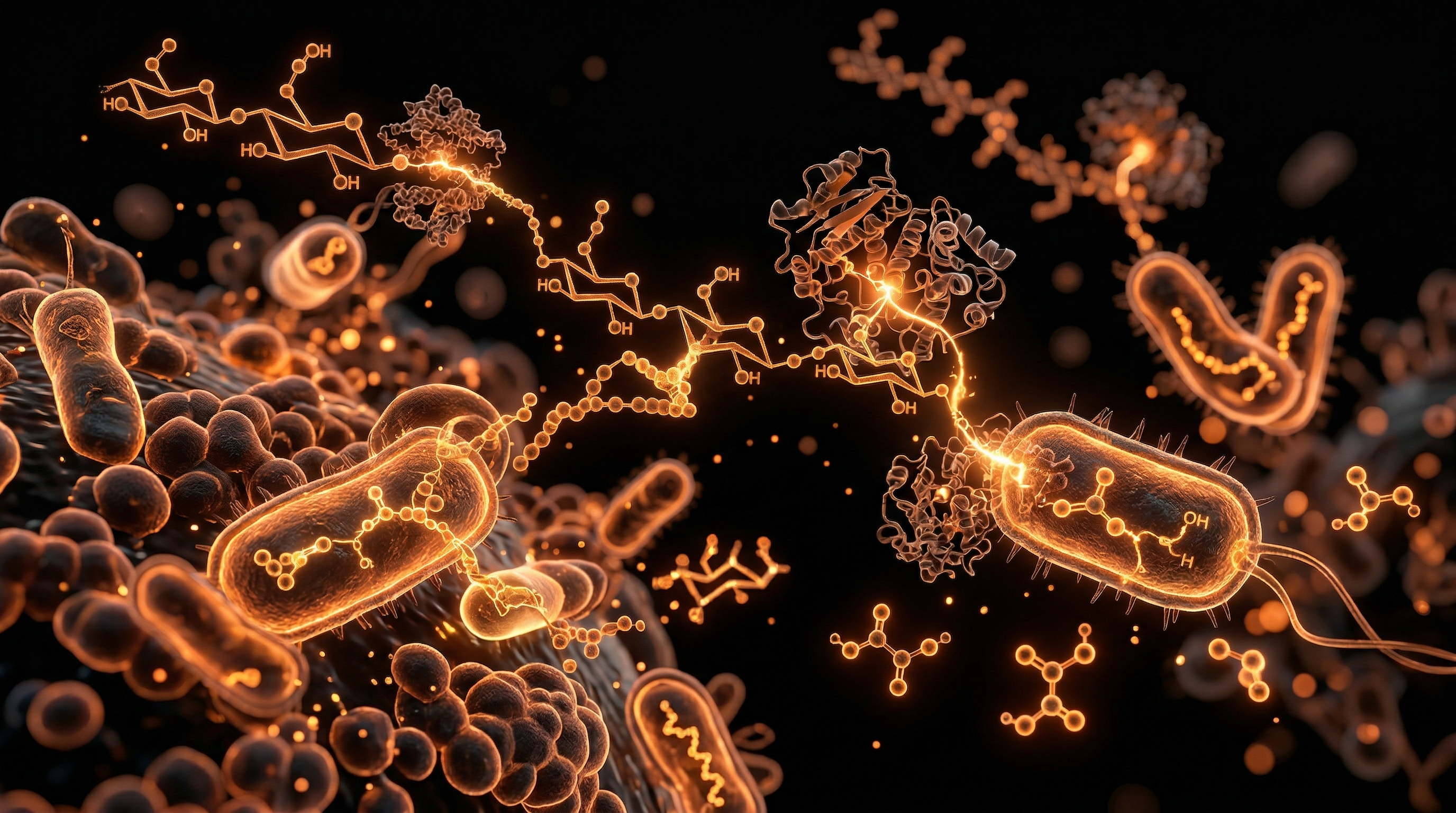
For decades, the medical establishment has viewed the human mouth as little more than a mechanical grinding station—the "waiting room" for the digestive system. We have been taught that the primary goal of oral hygiene is sterility: to scrub, rinse, and bleach the oral cavity until it is "clean." However, this reductionist view has precipitated a silent health crisis across the United Kingdom and the Western world. As a senior researcher at INNERSTANDING, I contend that the oral cavity is not a mere portal, but a sophisticated, high-velocity bioreactor. It is the site of a complex, continuous process of fermentation beyond the stomach, governed by an ecosystem of over 700 species of microorganisms.
The oral microbiome is a delicate, teeming community of bacteria, fungi, protozoa, and viruses. When this community is in homeostasis, it serves as our first line of neurological and cardiovascular defence. When it is disrupted—a state known as dysbiosis—it becomes a fountainhead of systemic inflammation. Recent longitudinal studies have confirmed what the mainstream dental narrative has long ignored: the state of your gums is a more accurate predictor of cardiovascular events than cholesterol levels alone. In the UK, where gum disease affects over half of the adult population, the failure to address the oral microbiome as a living organ is contributing to thousands of preventable deaths from heart disease and strokes annually.
This article will expose the biological mechanisms that connect the fermentation in your mouth to the health of your arteries. We will move beyond the archaic "drill and fill" philosophy to explore the frontier of probiotic medicine, where fermented rinses and specific microbial strains are being used to re-engineer human health from the tongue up.
Fact: Individuals with moderate to severe periodontal disease have a 20% to 35% increased risk of developing coronary artery disease compared to those with healthy gums.
The Biology — How It Works
The oral cavity is unique in the human body because it provides both soft mucosal surfaces and non-shedding hard surfaces (teeth). This duality allows for the formation of complex biofilms—structured communities of microorganisms that adhere to surfaces and encapsulate themselves in a protective extracellular matrix.
The Oral Niche and Fermentation
While we typically associate fermentation with the gut, the mouth is a site of rapid carbohydrate and protein fermentation. Bacteria such as Streptococcus, Actinomyces, and Lactobacillus inhabit the gingival crevices and the crypts of the tongue. These organisms metabolise dietary sugars and glycoproteins from saliva, producing organic acids, alcohols, and gases.
In a healthy state, this fermentation is balanced. Beneficial bacteria produce bacteriocins—natural antibiotics that kill off invading pathogens—and maintain a slightly alkaline to neutral pH through the breakdown of urea and arginine. However, when the diet is high in ultra-processed carbohydrates, the fermentation process shifts. The "acidogenic" bacteria take over, lowering the pH and demineralising tooth enamel. But the damage goes far deeper than cavities.
The Role of Saliva: The Body’s Natural Brine
Saliva is not just water; it is a complex fluid rich in electrolytes, enzymes, and antimicrobial proteins like lactoferrin and lysozyme. It acts as the "brine" in the oral fermentation vat, buffering the acids produced by bacteria. Crucially, saliva contains high concentrations of nitrate ($NO_3$), which is the precursor to one of the most important molecules in human biology: Nitric Oxide (NO).
Mechanisms at the Cellular Level
To understand why the oral microbiome dictates heart health, we must look at the Nitrate-Nitrite-Nitric Oxide pathway. This is a secondary pathway to the one occurring in our blood vessels, and it is entirely dependent on the bacteria living on the surface of our tongues.
The Nitric Oxide Gateway
- Nitrate Ingestion: When we eat leafy greens (spinach, beetroot, arugula), we ingest inorganic nitrates.
- Concentration: These nitrates are absorbed in the gut, enter the bloodstream, and are concentrated by the salivary glands by a factor of ten.
- Bacterial Reduction: On the dorsal surface of the tongue, specific obligate anaerobic bacteria (such as Veillonella and Actinomyces) reduce nitrate ($NO3$) into nitrite ($NO2$).
- Systemic Absorption: When we swallow our saliva, this nitrite is converted into Nitric Oxide in the acidic environment of the stomach and then enters the systemic circulation.
Nitric Oxide is a potent vasodilator. It signals the smooth muscles of the arteries to relax, lowering blood pressure and preventing the formation of arterial plaques. When we use antiseptic mouthwashes that kill these "friendly" fermenters, we effectively shut down this pathway, causing a spike in blood pressure and increasing the risk of hypertension.
Quorum Sensing and Biofilm Architecture
Bacteria in the mouth do not act in isolation. They engage in quorum sensing—a form of cellular communication using chemical signalling molecules. This allows the microbiome to coordinate its behaviour, such as the formation of a protective biofilm or the release of virulence factors. In a healthy oral environment, the commensal (friendly) bacteria use quorum sensing to "lock" the biofilm, preventing pathogenic species like Porphyromonas gingivalis from gaining a foothold.
Molecular Mimicry and the Immune Response
When the oral barrier is breached—due to gingivitis—the immune system is constantly exposed to oral pathogens. At the cellular level, some proteins on the surface of oral bacteria look remarkably similar to proteins found in human heart tissue and joint synovium. This leads to molecular mimicry, where the immune system, in its attempt to clear oral bacteria that have entered the bloodstream, begins to attack the heart valves and the linings of the arteries.
Environmental Threats and Biological Disruptors
The modern environment is a hostile landscape for the oral microbiome. We are currently witnessing an unprecedented assault on our internal ecology through industrial chemicals and misguided hygiene practices.
The "Scorched Earth" Policy of Mouthwash
The most significant disruptor is the widespread use of alcohol-based and antiseptic mouthwashes (containing Chlorhexidine or Cetylpyridinium chloride). These products are marketed as "killing 99.9% of germs." This is biological insanity. By killing 99.9% of the microbiome, you are removing the very organisms that regulate your blood pressure and protect you from fungal overgrowth like Candida albicans.
Statistic: Research has shown that using antiseptic mouthwash twice daily can increase the risk of developing hypertension by up to 24% within just three years.
Fluoride and Enzymatic Inhibition
While the "fluoride debate" is often relegated to conspiracy circles, the biological reality is that fluoride is a potent enzyme inhibitor. It works by poisoning the enzymes that bacteria use to process sugar. However, this inhibition is not selective. It affects the entire ecosystem and can potentially disrupt the metabolic processes of the host’s mucosal cells, leading to a thinning of the protective oral lining.
Glyphosate and the Shikimate Pathway
As a senior researcher, I must highlight the impact of Glyphosate—the world’s most used herbicide—which is prevalent in the UK food supply. Glyphosate disrupts the shikimate pathway, a metabolic route used by bacteria to produce essential aromatic amino acids. While humans do not have this pathway, our oral and gut bacteria do. Glyphosate exposure via diet leads to a selective depletion of beneficial bacteria, allowing pathogens that are glyphosate-resistant (often the more virulent strains) to dominate the oral niche.
Dietary Saponins and SLS
Sodium Lauryl Sulphate (SLS), the foaming agent in almost all commercial toothpastes, is a detergent. It increases the permeability of the oral mucosa, allowing toxins and bacterial byproducts to bypass the epithelial barrier and enter the bloodstream directly.
The Cascade: From Exposure to Disease
The progression from a "dirty mouth" to a failing heart is a well-documented biological cascade. It begins with Dysbiosis and ends with Systemic Failure.
Step 1: The Breach (Leaky Mouth)
Just as the gut can become "leaky," the gingival sulcus (the space between the tooth and the gum) can lose its integrity. Chronic inflammation caused by pathogenic fermentation degrades the tight junctions of the oral epithelium. This creates a direct conduit from the external world to the internal capillary network.
Step 2: Translocation
Pathogens such as Porphyromonas gingivalis (the "keystone" pathogen of gum disease) are highly mobile. Once they enter the bloodstream (bacteraemia), they don't just circulate; they "hitchhike" inside white blood cells. P. gingivalis has been found in the fatty deposits (atheromas) of the coronary arteries and even in the brain tissue of Alzheimer’s patients.
Step 3: The Inflammatory Firestorm
The presence of these bacteria in the arteries triggers a chronic inflammatory response. The liver produces C-Reactive Protein (CRP), a hallmark marker of systemic inflammation. High CRP levels are directly correlated with the rupture of arterial plaques, which is the immediate cause of most heart attacks.
Step 4: Molecular Damage
Oral pathogens produce enzymes called gingipains. These enzymes break down proteins and can directly damage the endothelial lining of the heart. This creates a "rough" surface where cholesterol and calcium can more easily deposit, accelerating the hardening of the arteries (atherosclerosis).
What the Mainstream Narrative Omits
The current dental paradigm is focused on intervention rather than integration. There are three major "omissions" in the mainstream narrative that serve the interests of the pharmaceutical and industrial dental complex at the expense of public health.
1. The Myth of the Sterile Mouth
The dental industry sells products based on the fear of bacteria. They omit the fact that a "clean" mouth is not a sterile mouth, but a diverse one. By pushing for sterility, they create a biological vacuum that is almost always filled by the most resilient and dangerous pathogens. The goal should be microbial stewardship, not eradication.
2. The Link Between Oral Health and Longevity
Mainstream medicine treats the "head" and the "body" as two separate entities. Dentists look at teeth; doctors look at hearts. There is a profound lack of diagnostic integration. A cardiologist should be checking a patient’s periodontal pockets, and a dentist should be measuring blood pressure and CRP levels. This silos-based approach prevents early intervention for systemic disease.
3. The Probiotic Solution
There is a suppressed truth regarding the efficacy of probiotic therapy in the oral cavity. Clinical trials have shown that introducing beneficial strains like Streptococcus salivarius K12 and M18 can more effectively prevent cavities and gum disease than fluoride or antiseptic rinses. However, because these are natural, non-patentable biological agents, they are not promoted by the multi-billion-pound oral care giants.
The UK Context
The United Kingdom faces a unique set of challenges regarding the oral microbiome. We are currently in the midst of a dental "dark age" precipitated by both policy and lifestyle factors.
The NHS Dentistry Crisis
The collapse of NHS dentistry in the UK has led to a situation where millions of citizens have no access to regular professional cleaning or monitoring. This neglect is not merely an issue of "bad teeth." It is a ticking time bomb for the NHS's cardiovascular departments. As gum disease goes untreated in the lower and middle-income brackets, we will see a corresponding surge in heart disease and type 2 diabetes—both of which are exacerbated by oral dysbiosis.
The British Diet and the "Sugar Tax"
While the UK's "sugar tax" was a step in the right direction, it focused primarily on soft drinks. The British diet remains heavily reliant on ultra-processed "beige" foods—breads, pastries, and snacks—which are the primary fuel for pathogenic oral fermentation. Furthermore, the lack of fermented foods in the standard British diet (unlike the inclusion of sauerkraut or kimchi in other cultures) means we are not naturally replenishing our oral flora.
Water Fluoridation in the UK
Approximately 6 million people in the UK live in areas with fluoridated water. As discussed, while touted as a public health victory, the non-consensual mass-medication of the population via water supplies continues to interfere with the delicate enzymatic balance of the oral microbiome, potentially worsening the very issues it seeks to solve by weakening the overall microbial resilience of the population.
Protective Measures and Recovery Protocols
To reclaim your health, you must shift your perspective from "cleaning" to "cultivating." You are the gardener of your oral biome. The following protocols are designed to restore the fermentation balance and protect the heart.
1. Inoculation: Probiotic Lozenges
Instead of killing bacteria, you must introduce the right ones.
- Strain Specificity: Look for lozenges containing Streptococcus salivarius K12 and M18. These are native to the human mouth and produce "BLIS" (Bacteriocin-Like Inhibitory Substances) that specifically target the bacteria responsible for bad breath, sore throats, and gum decay.
- Lactobacillus reuteri: This strain has been shown to significantly reduce gingival bleeding and inflammation by outcompeting P. gingivalis.
- Usage: Dissolve one lozenge in the mouth after brushing (using a non-antiseptic paste) before bed. This allows the beneficial strains to colonise the oral niches while you sleep.
2. Living Rinses: Fermented Solutions
Move away from chemical rinses and toward "living" solutions.
- Kefir and Kombucha Swishing: Taking a mouthful of raw, unpasteurised kefir or kombucha and swishing it for 30 seconds before swallowing introduces a diverse array of yeasts and beneficial bacteria that can help reset the oral pH.
- Saltwater Rinses: A simple saline solution (using sea salt) remains one of the most effective ways to manage pathogenic load without disrupting the microbiome, as it works via osmotic pressure rather than chemical toxicity.
3. Oil Pulling with a Biological Twist
The ancient practice of oil pulling (swishing coconut or sesame oil) is effective because the fatty acids dissolve the lipid membranes of pathogenic bacteria.
- Protocol: Swish one tablespoon of organic coconut oil for 10-15 minutes.
- The Upgrade: Add one drop of Oregano oil or Clove oil. These essential oils are potent antimicrobials but, when used in an oil base, they are less disruptive to the overall biofilm architecture than alcohol-based rinses.
4. Feeding the Fermenters: Prebiotics
Your beneficial bacteria need "fertility" to thrive.
- Dietary Nitrates: Consume beetroot, rocket (arugula), and spinach daily to fuel the Nitric Oxide pathway.
- Inulin and Fibre: A diet rich in prebiotic fibres provides the complex carbohydrates that beneficial bacteria ferment into health-promoting compounds.
5. Biological Hygiene
- Tongue Scraping: Use a copper or stainless steel scraper every morning to remove the "sludge" of dead cells and stagnant fermentation products from the tongue, but avoid over-scraping, which can irritate the nitrate-reducing bacteria.
- SLS-Free Toothpaste: Switch to a toothpaste that does not contain Sodium Lauryl Sulphate or Fluoride. Look for ingredients like Hydroxyapatite (which remineralises teeth naturally) and Xylitol (which starves pathogenic bacteria).
Summary: Key Takeaways
The oral cavity is the most critical biological interface in the human body. It is a site of constant fermentation, and the "brew" you create in your mouth determines the health of your heart, your brain, and your lifespan.
- The Mouth-Heart Axis: Gum disease is not a localized problem; it is a systemic inflammatory trigger. The translocation of pathogens like P. gingivalis directly contributes to the development of arterial plaques.
- The Nitric Oxide Connection: Your tongue's microbiome is a key regulator of your blood pressure. Antiseptic mouthwashes are "cardiovascular disruptors" that should be avoided.
- Beyond Sterility: The future of oral health lies in probiotic medicine. Introducing beneficial strains like S. salivarius K12 is more effective and less damaging than the "scorched earth" approach of modern dentistry.
- The UK Crisis: The decline of NHS dental care and the prevalence of processed foods make it imperative for UK citizens to take "bio-sovereignty" over their oral health.
- Cultivation, Not Eradication: By using probiotic lozenges, oil pulling, and nitrate-rich diets, you can transform your oral microbiome from a source of disease into a powerful engine for systemic vitality.
The time has come to stop treating the mouth as a set of porcelain pegs and start treating it as the vital, living ecosystem it is. The fermentation beyond the stomach is the key to longevity. Your heart depends on it.
This article is provided for informational and educational purposes only. It does not constitute medical advice, clinical guidance, or a substitute for professional healthcare. Information reflects cited research at time of publication. Always consult a qualified healthcare professional before acting on any health information.
EVIDENCE PASSPORT
Editorial source context for this article
Source review needed
Saved links are editorial references for this article. They may support specific claims rather than every sentence. Open and assess each source in context. This passport does not independently verify them.
Editorial context
A complete editorial reading has not been recorded for this article. Source links remain available for you to open and assess directly.
Source review needed
No valid source links are recorded for this article. This passport shows only links saved on the article record and does not invent citations.
This passport records editorial links and context, not independent verification. Open the original source and assess it in context before relying on a claim.
Medical Disclaimer
The information in this article is for educational purposes only and does not constitute medical advice, diagnosis, or treatment. Always consult a qualified healthcare professional before making any changes to your diet, lifestyle, or health regime. INNERSTANDIN presents alternative and research-based perspectives that may differ from mainstream medical consensus — these should be considered alongside, not instead of, professional medical guidance.
Read Full DisclaimerContinue the thread
Keep this question moving.
Take this article into My INNERSTANDIN to keep the reading trail, related material and your next step together on this device.
Dig deeper in the Library
Free, longform PDF volumes that go beyond headlines into mechanisms and references.