The Role of Extracellular Matrix Remodeling in Impaired Lymphatic Clearance of Breast Metabolites
Discuss this resourceUpdated August 2026
An in-depth look at how the physical structure of the breast tissue, specifically the extracellular matrix, influences lymphatic drainage and the metabolic health of the breast.
Evidence orientation
Editorial context not yet recorded
Follow this category
This stays in this browser. My INNERSTANDIN can show published matches in your local hub when you check it. It does not send email, push, or alert notifications.
Local learning review
A private browser aid for revisiting ideas. It is not an alert or a health recommendation.
Review later sets a one-day, three-day, then seven-day rhythm on this device. Choose it only when you want to revisit this article.

Understanding the Breast Microenvironment
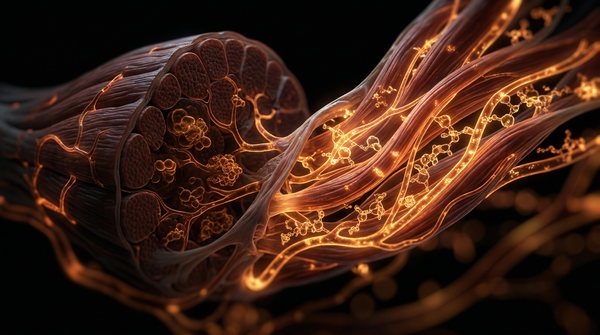
In the realm of breast health, we often focus on cellular function, yet the structural integrity of the tissue—the extracellular matrix (ECM)—is the silent regulator of metabolic health. The ECM is a complex, three-dimensional network of proteins such as collagen, elastin, and proteoglycans that provide structural support for breast cells. However, when this matrix undergoes abnormal remodeling, it acts as a physical barrier to the lymphatic system.
The Lymphatic-ECM Connection
The lymphatic system serves as the body's primary sewage system. In the breast, it is responsible for the clearance of metabolic waste, cellular debris, and inflammatory cytokines. For this process to function optimally, the interstitium—the space between cells—must remain fluid enough for fluid transport. When the ECM becomes overly dense or "stiffened," the initial lymphatic vessels become compressed.
Mechanisms of Impaired Clearance
- Collagen Cross-linking: Chronic inflammation and oxidative stress can lead to the excessive cross-linking of collagen fibers. This increases tissue tension, creating a physical bottleneck that prevents interstitial fluid from entering the lymphatic capillaries.
- Proteoglycan Accumulation: Hyaluronan and other proteoglycans retain water. When remodeling processes are dysregulated, these substances can cause localized edema, further increasing hydrostatic pressure and hindering lymph flow.
- Fibroblast Activation: Myofibroblasts, activated by mechanical stress, secrete excessive matrix components, perpetuating a cycle of fibrosis that renders the lymphatic drainage pathways stagnant.
Root-Cause Implications
The stagnation of metabolites within the breast tissue is not merely a benign side effect; it creates a pro-inflammatory environment. When waste products remain, they can trigger secondary immune responses, leading to chronic tenderness, cystic changes, and potentially altered cellular signaling.
Restoring Metabolic Flow
To improve lymphatic clearance, we must address the mechanical properties of the ECM. Gentle therapeutic techniques, dietary interventions that reduce systemic inflammation, and consistent movement are vital. By decreasing the mechanical stress on the breast tissue, we allow the extracellular matrix to relax, thereby facilitating the natural, rhythmic drainage of the lymphatic system.
Conclusion
Breast health is inextricably linked to the fluidity of the interstitial space. By understanding the role of the extracellular matrix in lymphatic function, individuals can take a proactive, root-cause approach to maintaining tissue homeostasis.
This article is provided for informational and educational purposes only. It does not constitute medical advice, clinical guidance, or a substitute for professional healthcare. Information reflects cited research at time of publication. Always consult a qualified healthcare professional before acting on any health information.
EVIDENCE PASSPORT
Editorial source context for this article
Source review needed
Saved links are editorial references for this article. They may support specific claims rather than every sentence. Open and assess each source in context. This passport does not independently verify them.
Editorial context
A complete editorial reading has not been recorded for this article, and no source links are saved on its record.
Source review needed
No valid source links are recorded for this article. Supplementary research, where available, is listed separately below.
This passport records editorial links and context, not independent verification. Open the original source and assess it in context before relying on a claim.
Medical Disclaimer
The information in this article is for educational purposes only and does not constitute medical advice, diagnosis, or treatment. Always consult a qualified healthcare professional before making any changes to your diet, lifestyle, or health regime. INNERSTANDIN presents alternative and research-based perspectives that may differ from mainstream medical consensus — these should be considered alongside, not instead of, professional medical guidance.
Read Full DisclaimerContinue the thread
Keep this question moving.
Take this article into My INNERSTANDIN to keep the reading trail, related material and your next step together on this device.
Explore this in the Body Map
Explore related body structures and their educational pages in the interactive Body Map.
RABBIT HOLE
Follow the biological thread deeper