The Role of Neurogenic Inflammation in the Pathophysiology of Chronic Vulvar Pain
Discuss this resourceUpdated August 2026
An in-depth exploration of how neurogenic inflammation drives the peripheral and central sensitization processes underpinning chronic vulvar pain conditions like vulvodynia.
Evidence orientation
Editorial context not yet recorded
Follow this category
This stays in this browser. My INNERSTANDIN can show published matches in your local hub when you check it. It does not send email, push, or alert notifications.
Local learning review
A private browser aid for revisiting ideas. It is not an alert or a health recommendation.
Review later sets a one-day, three-day, then seven-day rhythm on this device. Choose it only when you want to revisit this article.

Introduction to Neurogenic Inflammation. Chronic vulvar pain, often diagnosed as vulvodynia, remains one of the most complex clinical challenges in pelvic health. At INNERSTANDING, we look beyond surface-level symptoms to explore the underlying neurological triggers. Central to this process is neurogenic inflammation—a physiological response where sensory nerves release inflammatory mediators, creating a cycle of persistent pain. ## The Mechanism of Action. Neurogenic inflammation begins when nociceptors in the vulvar tissue are activated by physical, chemical, or hormonal triggers.
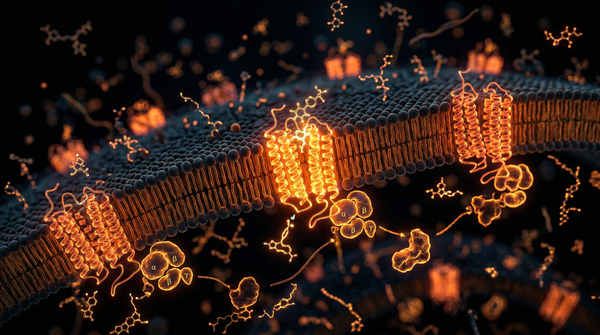
Once triggered, these nerve endings release neuropeptides, most notably Substance P and Calcitonin Gene-Related Peptide (CGRP). These chemicals induce vasodilation, mast cell degranulation, and plasma extravasation. In the context of the vulva, this creates a state of 'quiet inflammation'—where the tissue may look normal to the naked eye but is microscopically saturated with inflammatory chemical signals. ## Peripheral and Central Sensitization. Over time, the persistent release of these neuropeptides lowers the activation threshold of nerve fibers. This is the hallmark of peripheral sensitization.
As the pelvic floor musculature reacts to this pain, it often becomes hypertonic, leading to secondary guarding patterns. If left unaddressed, the nervous system undergoes central sensitization, where the spinal cord and brain become hyper-responsive to stimuli that should not be painful, such as light touch (allodynia). ## Root-Cause Considerations. To manage vulvar pain effectively, one must address the triggers of neurogenic inflammation. Common root causes include hormonal fluctuations (such as low estrogen states), chronic pelvic floor dysfunction, dysbiosis of the vaginal microbiome, and heightened sympathetic nervous system activity. By calming the local inflammatory response and retraining the nervous system, patients can move from a state of reactivity to a state of recovery. ## Clinical Perspective.
Addressing chronic vulvar pain requires a multimodal approach. This may involve nerve-desensitizing topicals, pelvic floor physical therapy to down-regulate the nervous system, and addressing systemic triggers of inflammation. Understanding that this pain is driven by neurological signaling rather than just 'anxiety' or 'infection' is the first step toward reclaiming pelvic health.
This article is provided for informational and educational purposes only. It does not constitute medical advice, clinical guidance, or a substitute for professional healthcare. Information reflects cited research at time of publication. Always consult a qualified healthcare professional before acting on any health information.
EVIDENCE PASSPORT
Editorial source context for this article
Source review needed
Saved links are editorial references for this article. They may support specific claims rather than every sentence. Open and assess each source in context. This passport does not independently verify them.
Editorial context
A complete editorial reading has not been recorded for this article, and no source links are saved on its record.
Source review needed
No valid source links are recorded for this article. Supplementary research, where available, is listed separately below.
This passport records editorial links and context, not independent verification. Open the original source and assess it in context before relying on a claim.
Medical Disclaimer
The information in this article is for educational purposes only and does not constitute medical advice, diagnosis, or treatment. Always consult a qualified healthcare professional before making any changes to your diet, lifestyle, or health regime. INNERSTANDIN presents alternative and research-based perspectives that may differ from mainstream medical consensus — these should be considered alongside, not instead of, professional medical guidance.
Read Full DisclaimerContinue the thread
Keep this question moving.
Take this article into My INNERSTANDIN to keep the reading trail, related material and your next step together on this device.
Explore this in the Body Map
Explore related body structures and their educational pages in the interactive Body Map.
Dig deeper in the Library
Free, longform PDF volumes that go beyond headlines into mechanisms and references.
RABBIT HOLE
Follow the biological thread deeper