
The Role of Zonulin Modulation in Tight Junction Disassembly: A Molecular Deep Dive
An in-depth scientific analysis of how the protein zonulin regulates intestinal permeability through the disassembly of tight junctions, exploring the molecular mechanisms and the clinical significance of 'leaky gut' in chronic disease.
# The Role of Zonulin Modulation in Tight Junction Disassembly: A Molecular Deep Dive. The human intestinal epithelium is a remarkable physiological barrier, representing the largest interface between the internal environment and the external world. Spanning approximately 32 square metres, this single layer of columnar epithelial cells must perform a dual, often contradictory, role: facilitating the absorption of essential nutrients and water while simultaneously acting as a sentinel against the translocation of pathogens, toxins, and undigested dietary antigens. The integrity of this barrier is primarily maintained by the apical junctional complex, of which the Tight Junction (TJ) is the most critical component. In recent decades, the discovery of zonulin—a protein that modulates these junctions—has revolutionised our understanding of intestinal permeability and its systemic implications. ## The Architecture of the Tight Junction.
To understand zonulin, one must first understand the structure it influences. Tight junctions (zonula occludens) are multiprotein complexes that encircle the apical end of the lateral membrane of epithelial cells. They function as a 'gate', regulating the paracellular pathway (the space between cells). These complexes consist of several types of proteins: 1. Transmembrane Proteins: Including claudins, occludins, and junctional adhesion molecules (JAMs).
These reach across the paracellular space to bind with proteins from the adjacent cell. 2. Peripheral Membrane Proteins: Most notably Zonula Occludens-1 (ZO-1), ZO-2, and ZO-3. These act as scaffolds, anchoring the transmembrane proteins to the intracellular actin cytoskeleton. In a healthy state, these junctions are dynamically 'tight', allowing only small molecules and ions to pass. However, when the zonulin pathway is activated, this architectural stability is compromised. ## The Discovery of Zonulin.
For years, the scientific community believed that tight junctions were static, impermeable structures. This paradigm shifted in 2000 when Dr. Alessio Fasano and his team identified zonulin—the human analogue of the Vibrio cholerae-derived Zonula Occludens Toxin (Zot). Zonulin was later identified as the precursor to haptoglobin-2 (pre-HP2). It is the only known physiological modulator of intercellular tight junctions currently identified.
Its role is to provide a mechanism for the transport of fluid and molecules across the epithelium, a process that is vital for physiological function but devastating when dysregulated. ## The Molecular Mechanism of Disassembly. The modulation of intestinal permeability by zonulin involves a complex, multi-step molecular signalling cascade. This process typically follows a predictable sequence: ### 1. Triggering the Release. The two most potent triggers for zonulin release are small intestinal bacterial overgrowth (SIBO) and the ingestion of gliadin, a component of gluten.
When these triggers interact with the intestinal lining, they stimulate the release of zonulin from the epithelial cells into the intestinal lumen. ### 2. Receptor Binding. Once released, zonulin binds to specific receptors on the apical surface of the intestinal epithelium. The primary receptor involved is the chemokine receptor CXCR3. This binding is often facilitated by a cross-talk mechanism involving the Epidermal Growth Factor Receptor (EGFR). ### 3.
Intracellular Signalling. The binding of zonulin to CXCR3 initiates a downstream signalling pathway that is dependent on the MyD88 adapter protein. This leads to the activation of Protein Kinase C (PKC). Specifically, PKC alpha is activated, which then catalyses the phosphorylation of the junctional proteins. ### 4. Cytoskeletal Rearrangement.
The activated PKC leads to the phosphorylation of ZO-1 and occludin. This chemical modification causes these proteins to detach from the transmembrane complexes and the actin cytoskeleton. Simultaneously, the actin filaments undergo polymerisation and contraction. This 'pulling' force physically separates the tight junction proteins, increasing the space between the epithelial cells. This results in the 'disassembly' of the tight junction, effectively opening the gate for paracellular transport. ## Root Cause Factors: Why Does the System Fail?
While zonulin serves a physiological purpose, chronic elevation is pathological. At INNERSTANDING, we focus on the root causes that drive this sustained modulation: 1. Genetic Predisposition: Individuals carrying the haptoglobin-2 allele (HP2-2 or HP2-1 genotypes) produce higher levels of zonulin and are more susceptible to barrier breakdown. 2. Dietary Triggers: For those with gluten sensitivity or Celiac disease, gliadin acts as a persistent stimulus for zonulin secretion. 3. Gut Dysbiosis: An imbalance in the gut microbiome, particularly the overgrowth of Gram-negative bacteria, leads to the release of lipopolysaccharides (LPS).
LPS further stimulates the zonulin pathway, creating a vicious cycle of inflammation and permeability. 4. Environmental Stressors: Chronic stress, processed foods, and certain medications (like NSAIDs) can exacerbate the intestinal environment, lowering the threshold for zonulin-mediated disassembly. ## Clinical Implications: The 'Leaky Gut' and Autoimmunity. When tight junctions are disassembled chronically, the 'leaky gut' (increased intestinal permeability) allows the translocation of environmental antigens into the submucosa. Here, they encounter the Gut-Associated Lymphoid Tissue (GALT), which houses approximately 70% of the body's immune system. This exposure triggers an inflammatory response and may lead to 'molecular mimicry', where the immune system, in its attempt to attack foreign antigens, begins to attack the body's own tissues.
Elevated zonulin levels and subsequent tight junction disassembly have been linked to a myriad of conditions, including: Celiac Disease: Where zonulin levels remain high until gluten is removed. Type 1 Diabetes: Often preceded by increased intestinal permeability. Inflammatory Bowel Disease (IBD): Where the barrier failure leads to chronic mucosal inflammation. Non-Celiac Gluten Sensitivity: Demonstrating that even without Celiac disease, zonulin modulation can occur. ## Conclusion. Zonulin modulation is a pivotal mechanism in the regulation of the intestinal barrier.
While the transient opening of tight junctions is a normal physiological process, chronic disassembly leads to a breakdown in the body’s primary defence line. By understanding the molecular deep dive of zonulin—from its triggers like gliadin and dysbiosis to the phosphorylation of ZO-1—we can better appreciate the importance of maintaining gut integrity. Addressing the root causes of zonulin elevation is not just about 'fixing the gut'; it is about preventing the systemic inflammatory cascade that underpins many of today's chronic health challenges.
This article is provided for informational and educational purposes only. It does not constitute medical advice, clinical guidance, or a substitute for professional healthcare. Information reflects cited research at time of publication. Always consult a qualified healthcare professional before acting on any health information.
RESEARCH FOUNDATIONS
Biological Credibility Archive
Citations provided for educational reference. Verify via PubMed or institutional databases.
Medical Disclaimer
The information in this article is for educational purposes only and does not constitute medical advice, diagnosis, or treatment. Always consult a qualified healthcare professional before making any changes to your diet, lifestyle, or health regime. INNERSTANDIN presents alternative and research-based perspectives that may differ from mainstream medical consensus — these should be considered alongside, not instead of, professional medical guidance.
Read Full DisclaimerReady to learn more?
Continue your journey through our classified biological research.
THE ARSENAL
Based on Leaky Gut & Intestinal Permeability — products curated by our research team for educational relevance and biological support.
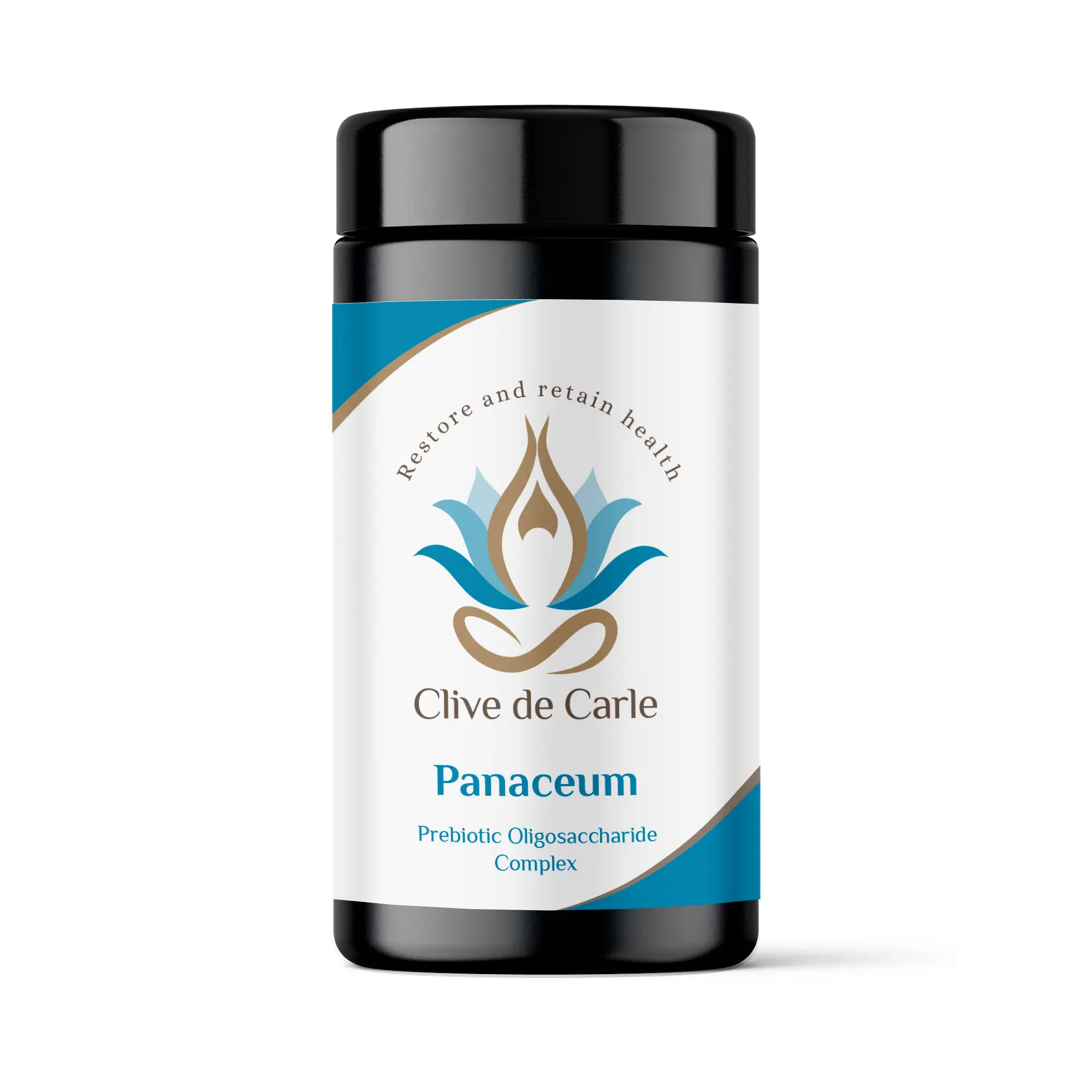
Panaceum – Prebiotic Oligosaccharide Complex
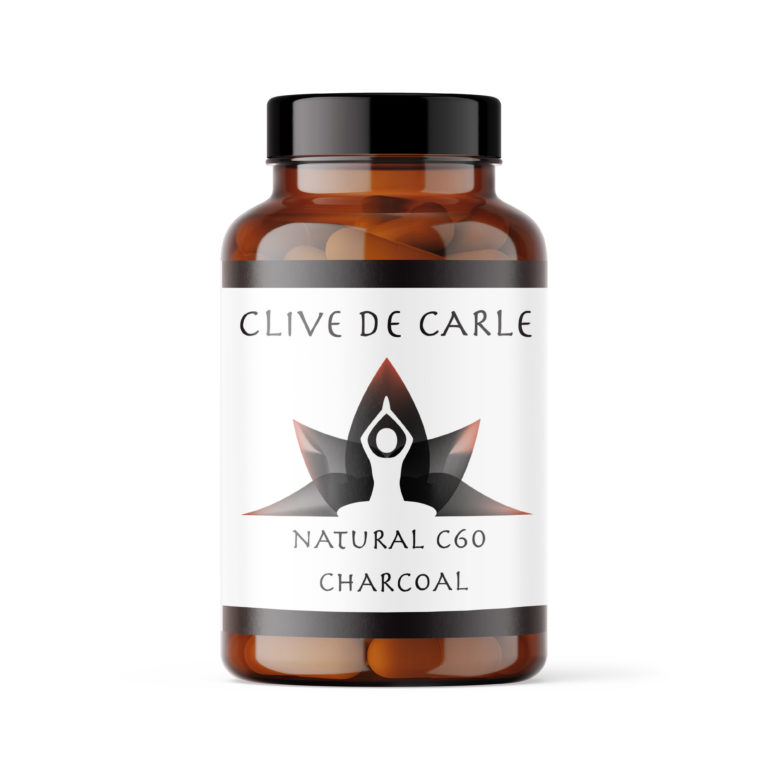
C60 Charcoal – Supports Healthy Digestion and Detoxification.
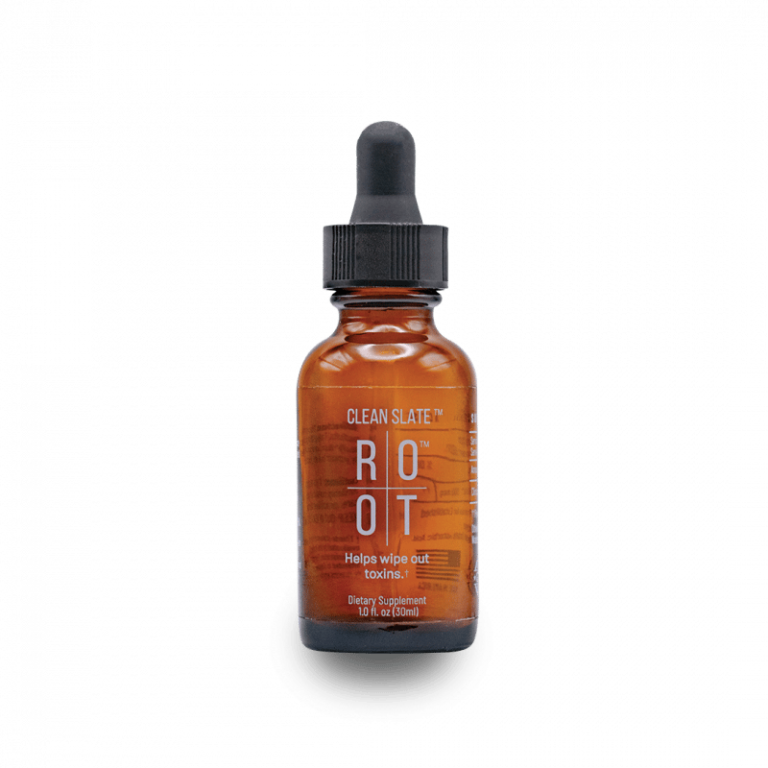
Clean Slate – Detoxes thousands of chemicals,heavy metals, pesticides, allergens, mold spores and fungus
INNERSTANDING may earn a commission on purchases made through these links. All products are selected based on rigorous educational relevance to our biological research.