
The Selenium-Iodine Paradox: Balancing Peroxidase Activity to Prevent Autoimmune Thyroiditis During Supplementation
Discuss this resourceUpdated August 2026
An in-depth analysis of the symbiotic relationship between selenium and iodine, explaining why iodine supplementation without adequate selenium stores can trigger autoimmune thyroid responses, and how to safely navigate thyroid loading protocols.
Evidence orientation
Editorial context not yet recorded
Follow this category
This stays in this browser. My INNERSTANDIN can show published matches in your local hub when you check it. It does not send email, push, or alert notifications.
Local learning review
A private browser aid for revisiting ideas. It is not an alert or a health recommendation.
Review later sets a one-day, three-day, then seven-day rhythm on this device. Choose it only when you want to revisit this article.
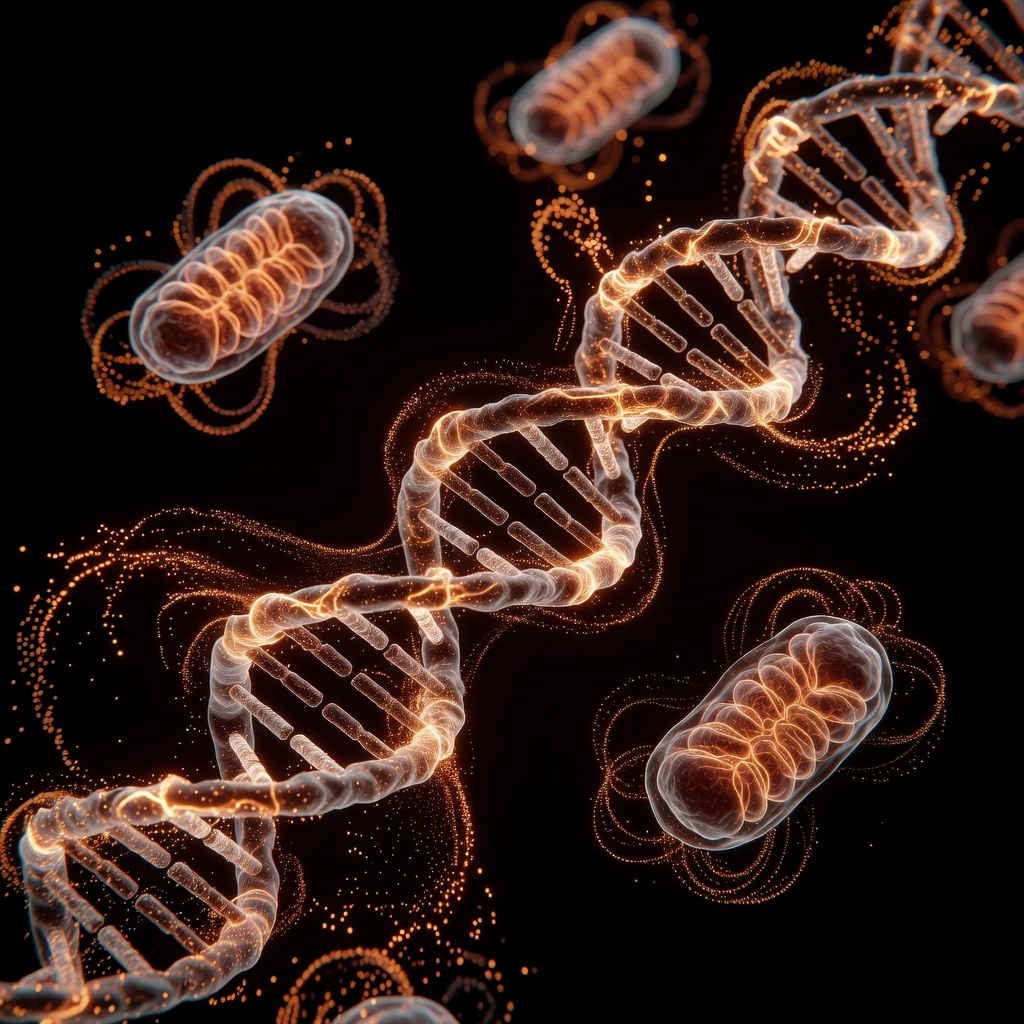
The Foundation of Thyroid Health: Iodine and Selenium. In the world of thyroid optimization, the relationship between iodine and selenium is often misunderstood as a simple additive process. However, at INNERSTANDING, we view this as a delicate biochemical dance. Iodine is the essential fuel for thyroid hormone production, while selenium acts as the necessary catalyst and safety mechanism. ### The Peroxidase Paradox. The thyroid gland utilizes iodine via the enzyme thyroid peroxidase (TPO).
This process requires hydrogen peroxide as an oxidizing agent. Under normal conditions, this is a tightly regulated cycle. However, when an iodine-deficient gland is suddenly flooded with high-dose iodine, the thyroid ramps up TPO activity, generating excessive hydrogen peroxide. If selenium levels are insufficient, the body lacks the glutathione peroxidase enzymes required to neutralize this oxidative byproduct. The resulting oxidative stress damages the thyroid follicles, leaking antigens into the bloodstream and potentially triggering an autoimmune attack—specifically, Hashimoto’s Thyroiditis. ### The Selenium Buffer.
Selenium-dependent enzymes (selenoproteins) are the primary defense against the oxidative byproduct of TPO activity. By acting as a structural and functional antioxidant, selenium protects the gland from the very hormone-producing processes it facilitates. Before initiating an iodine-loading protocol, one must ensure systemic selenium saturation. Selenium supplementation—typically through bioavailable forms like selenomethionine—acts as the biological 'buffer' that allows the gland to handle the increased thyroid turnover safely. ### Root-Cause Considerations. Autoimmune thyroiditis is rarely an issue of deficiency alone; it is often a metabolic maladaptation.
Before supplementing, assess the following: 1. Status of Glutathione: Are your endogenous antioxidant pathways functioning? 2. Heavy Metal Load: Mercury has a high affinity for selenium, often 'stealing' it from TPO and leaving the thyroid vulnerable. 3. Gut Permeability: Address intestinal integrity to prevent further immune sensitization. ### Safe Loading Protocols. To minimize risks, we recommend a 'Selenium-First' approach.
Establish a baseline of selenium for 4-6 weeks prior to the introduction of therapeutic iodine. Start with low-dose titration, monitoring for signs of thyroid fatigue or neck tenderness, which are common clinical indicators that the peroxidase system is overwhelmed. By prioritizing this balance, you move from symptomatic relief to true physiological optimization.
This article is provided for informational and educational purposes only. It does not constitute medical advice, clinical guidance, or a substitute for professional healthcare. Information reflects cited research at time of publication. Always consult a qualified healthcare professional before acting on any health information.
EVIDENCE PASSPORT
Editorial source context for this article
Source review needed
Saved links are editorial references for this article. They may support specific claims rather than every sentence. Open and assess each source in context. This passport does not independently verify them.
Editorial context
A complete editorial reading has not been recorded for this article, and no source links are saved on its record.
Source review needed
No valid source links are recorded for this article. Supplementary research, where available, is listed separately below.
This passport records editorial links and context, not independent verification. Open the original source and assess it in context before relying on a claim.
Medical Disclaimer
The information in this article is for educational purposes only and does not constitute medical advice, diagnosis, or treatment. Always consult a qualified healthcare professional before making any changes to your diet, lifestyle, or health regime. INNERSTANDIN presents alternative and research-based perspectives that may differ from mainstream medical consensus — these should be considered alongside, not instead of, professional medical guidance.
Read Full DisclaimerContinue the thread
Keep this question moving.
Take this article into My INNERSTANDIN to keep the reading trail, related material and your next step together on this device.
Explore this in the Body Map
Explore related body structures and their educational pages in the interactive Body Map.
Dig deeper in the Library
Free, longform PDF volumes that go beyond headlines into mechanisms and references.