The Synergistic Effect of Phthalate Exposure on HPV Persistence in Cervical Epithelium
Discuss this resourceUpdated August 2026
This article explores how endocrine-disrupting phthalates interfere with immune surveillance and cellular repair, effectively acting as a catalyst for the persistence of Human Papillomavirus (HPV) in cervical tissue.
Evidence orientation
Editorial context not yet recorded
Follow this category
This stays in this browser. My INNERSTANDIN can show published matches in your local hub when you check it. It does not send email, push, or alert notifications.
Local learning review
A private browser aid for revisiting ideas. It is not an alert or a health recommendation.
Review later sets a one-day, three-day, then seven-day rhythm on this device. Choose it only when you want to revisit this article.
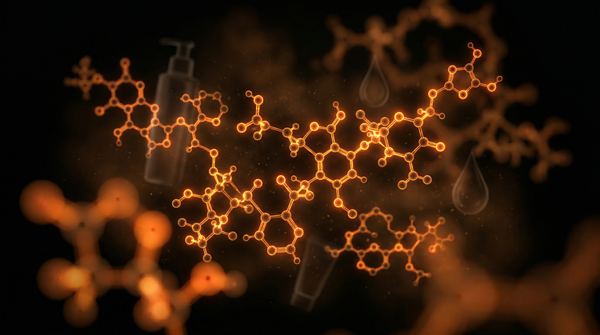
Introduction to Endocrine Interference in Cervical Health. In the modern landscape of reproductive health, we often focus on viral load and screening metrics for Human Papillomavirus (HPV). However, at INNERSTANDING, we look at the biological terrain—the environment in which the virus operates. Emerging research suggests that the persistence of HPV is not solely a matter of viral strain, but a result of environmental stressors, specifically endocrine-disrupting chemicals like phthalates, which inhibit the body's natural ability to clear the virus. ## Understanding Phthalates as Endocrine Disruptors. Phthalates are a class of synthetic chemicals found in everything from personal care products to PVC plastics.
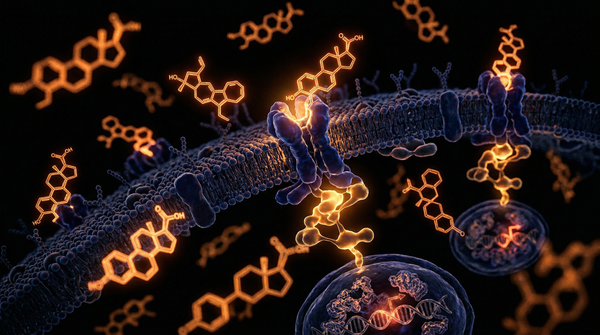
Known as 'gender-bending' chemicals, they mimic or block estrogen and disrupt the HPA-axis. When these chemicals accumulate in the adipose tissue and circulate through the pelvic floor, they create a systemic hormonal imbalance that shifts the cervical epithelium into a state of vulnerability. ## The Mechanism of Persistence: How Chemicals Sabotage Immunity. HPV persistence occurs when the immune system fails to initiate an effective Th1-mediated response to clear infected basal cells. Phthalates induce oxidative stress and chronic low-grade inflammation. This inflammatory state triggers an over-expression of estrogen receptors in cervical cells.
Because HPV utilizes hormone-responsive elements within its own genome to drive viral replication, the presence of phthalates acts as a growth signal for the virus. Instead of the immune system identifying the virus as a threat, the hormonal signaling environment is effectively hijacked, allowing viral integration into the host genome. ## Root-Cause Implications for Cervical Dysplasia. When we view cervical dysplasia through the lens of toxicological exposure, we move away from 'watch and wait' protocols toward active detoxification and mitigation. Phthalates alter the microbiome and epithelial barrier integrity, making it easier for HPV to reach the squamocolumnar junction. Furthermore, phthalates influence the expression of p53 and Rb proteins—tumor-suppressing pathways that HPV also targets.
The 'synergistic effect' occurs because the chemicals compromise the very biological safeguards meant to prevent carcinogenesis. ## Strategies for Reducing Body Burden. To regain control of your cervical health, reducing systemic exposure is non-negotiable. 1. Audit your personal care: Eliminate parabens and phthalates (often hidden in 'fragrance'). 2. Filter your water and optimize liver detoxification pathways to assist in the excretion of synthetic estrogens. 3. Prioritize whole-food nutrition rich in antioxidants like sulforaphane, which supports the body's natural methylation pathways.
By lowering the chemical load, you normalize the cervical microenvironment, allowing the immune system to finally detect and clear persistent HPV. At INNERSTANDING, we advocate for this root-cause approach as the gold standard for long-term gynecological resilience.
This article is provided for informational and educational purposes only. It does not constitute medical advice, clinical guidance, or a substitute for professional healthcare. Information reflects cited research at time of publication. Always consult a qualified healthcare professional before acting on any health information.
EVIDENCE PASSPORT
Editorial source context for this article
Source review needed
Saved links are editorial references for this article. They may support specific claims rather than every sentence. Open and assess each source in context. This passport does not independently verify them.
Editorial context
A complete editorial reading has not been recorded for this article, and no source links are saved on its record.
Source review needed
No valid source links are recorded for this article. Supplementary research, where available, is listed separately below.
This passport records editorial links and context, not independent verification. Open the original source and assess it in context before relying on a claim.
Medical Disclaimer
The information in this article is for educational purposes only and does not constitute medical advice, diagnosis, or treatment. Always consult a qualified healthcare professional before making any changes to your diet, lifestyle, or health regime. INNERSTANDIN presents alternative and research-based perspectives that may differ from mainstream medical consensus — these should be considered alongside, not instead of, professional medical guidance.
Read Full DisclaimerContinue the thread
Keep this question moving.
Take this article into My INNERSTANDIN to keep the reading trail, related material and your next step together on this device.
Explore this in the Body Map
Explore related body structures and their educational pages in the interactive Body Map.
Dig deeper in the Library
Free, longform PDF volumes that go beyond headlines into mechanisms and references.
RABBIT HOLE
Follow the biological thread deeper