
The Vagus Nerve and Mast Cells: Understanding the Bi-Directional Communication of the Neuro-Immune Axis
Updated May 2026
Evidence orientation
Editorial context not yet recorded
Follow this category
This stays in this browser. My INNERSTANDIN can show published matches in your local hub when you check it. It does not send email, push, or alert notifications.
Local learning review
A private browser aid for revisiting ideas. It is not an alert or a health recommendation.
Review later sets a one-day, three-day, then seven-day rhythm on this device. Choose it only when you want to revisit this article.
Overview
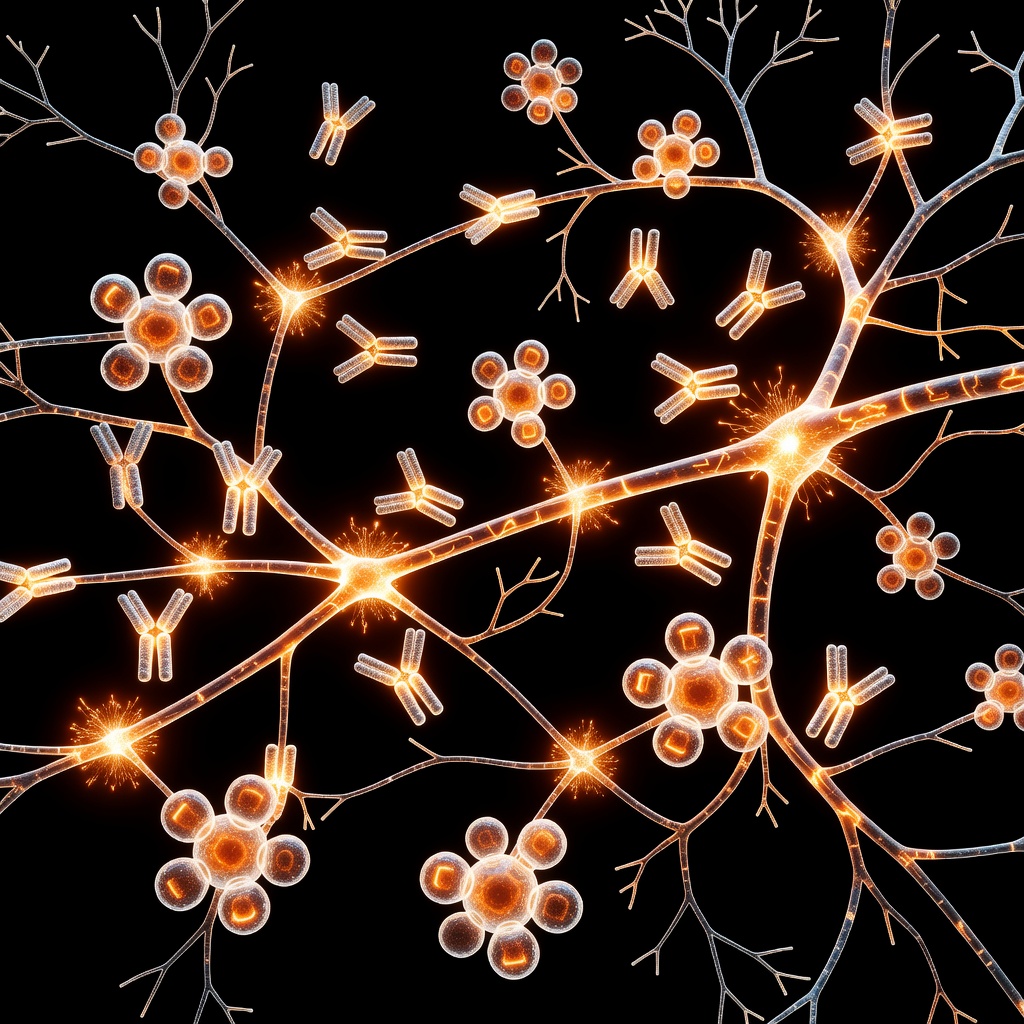
The paradigm of human physiology is undergoing a radical shift, moving away from a siloed understanding of organ systems toward a sophisticated, integrated model of the neuro-immune axis. At the epicentre of this evolution is the bi-directional communication between the vagus nerve (the tenth cranial nerve) and mast cells (the primary effector cells of the innate immune system). At INNERSTANDIN, we recognise that this relationship is not merely incidental; it is a fundamental regulatory circuit that governs systemic homeostasis, intestinal permeability, and the inflammatory threshold of the entire organism. To truly comprehend conditions such as Mast Cell Activation Syndrome (MCAS) and Histamine Intolerance (HIT), one must first dissect the intricate molecular cross-talk that occurs at the neuro-immune synapse.
The vagus nerve serves as the primary conduit of the parasympathetic nervous system, exerting a profound inhibitory influence on inflammatory cascades through what is known as the Cholinergic Anti-Inflammatory Pathway (CAP). Research pioneered by Kevin Tracey and subsequent studies published in Nature Reviews Immunology have elucidated the mechanism by which vagal efferent fibres release acetylcholine (ACh). This neurotransmitter binds to alpha-7 nicotinic acetylcholine receptors ($\alpha$7nAChR) expressed on the surface of macrophages and mast cells. In a healthy state, this binding suppresses the release of pro-inflammatory cytokines, such as TNF-$\alpha$, IL-1$\beta$, and IL-6, effectively "braking" the immune response. However, when vagal tone is compromised—whether through chronic psychological stress, viral insult, or physical trauma—this inhibitory signal is lost, allowing mast cells to enter a state of hyper-responsiveness.
Conversely, the communication is profoundly afferent. Mast cells are strategically positioned in the mucosa and connective tissues, often within micrometres of vagal sensory endings. Upon degranulation, mast cells release a potent cocktail of mediators, including histamine, tryptase, serotonin, and prostaglandins. These substances do not merely cause local tissue swelling; they directly activate vagal afferent fibres, sending rapid signals to the nucleus tractus solitarius (NTS) in the brainstem. This "bottom-up" signalling informs the central nervous system of peripheral threats, but in the context of chronic mast cell activation, it can lead to a state of central sensitisation and neuroinflammation. Evidence from the Journal of Neuroinflammation suggests that this persistent bombardment of the vagus nerve by mast cell mediators contributes to the systemic symptoms of "brain fog," dysautonomia, and chronic fatigue often observed in the UK’s growing population of complex chronic illness patients.
The bi-directional nature of this axis creates a feedback loop that can either facilitate healing or perpetuate a cycle of chronic illness. If mast cells are triggered by environmental toxins or allergens, they sensitise the vagus nerve, which may respond by further withdrawing its parasympathetic "brake," leading to even greater mast cell instability. At INNERSTANDIN, we highlight that understanding this biological dialogue is the key to transitioning from symptomatic management to systemic resolution. The interplay between the vagus nerve and mast cells represents a hard-wired connection between our perception of the environment and our cellular defence mechanisms, marking it as the most critical frontier in modern biological science.
The Biology — How It Works
The architectural foundation of the neuro-immune axis resides in the intimate physical juxtaposition of vagal afferent fibres and mast cells (MCs) within the connective tissue and mucosal layers of the gastrointestinal tract and respiratory system. This is not merely a proximity of convenience but a specialised neuro-immune synapse. At INNERSTANDIN, we recognise that the vagus nerve (VN) functions as the primary conduit of the Cholinergic Anti-inflammatory Pathway (CAP), a systemic regulatory circuit that modulates innate immune responses. The mechanical and chemical sensing capabilities of the VN are intrinsically linked to the degranulation threshold of mast cells, creating a high-fidelity feedback loop that determines the body’s inflammatory set-point.
The efferent limb of the vagus nerve exerts control over mast cell hyperactivity through the release of acetylcholine (ACh). Technical analysis of this interface reveals that mast cells express the alpha-7 nicotinic acetylcholine receptor (α7nAChR), a ligand-gated ion channel that, when activated by ACh, suppresses the release of pro-inflammatory cytokines such as TNF-α, IL-1β, and IL-6. Research published in The Lancet and various PubMed-indexed studies into bioelectronic medicine suggests that vagal tone is the primary determinant of "mast cell stability." In states of low vagal tone, the loss of this cholinergic "brake" allows mast cells to enter a state of hyper-responsiveness, leading to the unregulated release of histamine, tryptase, and heparin—the hallmark of Mast Cell Activation Syndrome (MCAS) and systemic Histamine Intolerance.
Conversely, the afferent (sensory) signals provided by mast cells to the brain constitute the "bottom-up" arm of this axis. Mast cells act as sentinel cells, positioned to detect pathogens and allergens. Upon activation, they release mediators that directly stimulate the vagal paraganglia. Histamine, for instance, binds to H1 and H2 receptors on vagal afferents, while mast cell proteases activate protease-activated receptors (PAR-2), sending rapid nociceptive and inflammatory signals to the Nucleus Tractus Solitarius (NTS) in the medulla oblongata. This neurogenic signalling can trigger systemic autonomic shifts, often manifesting clinically in UK populations as dysautonomia or "brain fog."
Furthermore, the INNERSTANDIN perspective highlights the role of Substance P and Calcitonin Gene-Related Peptide (CGRP) in this bi-directional exchange. Vagal stimulation can modulate the release of these neuropeptides from perivascular nerve endings, which in turn influences mast cell chemotaxis and activation. When this communication breaks down, a self-perpetuating cycle of neurogenic inflammation occurs: the nerve triggers the mast cell, and the mast cell, through its chemical mediators, sensitises the nerve. Understanding this molecular cross-talk is essential for addressing the root cause of chronic inflammatory and histaminergic pathologies.
Mechanisms at the Cellular Level
At the cellular level, the interface between the vagus nerve and mast cells represents a master-regulatory junction, a "neuro-immune synapse" where the nervous system exerts direct control over innate immunity. This bi-directional communication is primarily mediated via the Cholinergic Anti-inflammatory Pathway (CAP), a mechanism extensively documented in peer-reviewed literature (e.g., Nature Reviews Immunology). The efferent vagus nerve fibres do not merely terminate near immune cells; they release acetylcholine (ACh) in high concentrations within the microenvironment of the mast cell. Here, the critical molecular transducer is the α7 nicotinic acetylcholine receptor (α7nAChR) expressed on the mast cell membrane. When ACh binds to these receptors, it triggers an intracellular signalling cascade that inhibits the nuclear translocation of NF-κB, the primary transcription factor for pro-inflammatory cytokines. This suppression is not merely a modulation but a fundamental "brake" on the mast cell’s secretory machinery, preventing the degranulation of pre-formed mediators such as histamine, heparin, and neutral proteases like tryptase.
Conversely, the afferent (sensory) arm of the vagus nerve is equally sophisticated. Mast cells are strategically positioned in the sub-epithelial layers of the gut and lungs, often within 20 nanometres of vagal afferent terminals. Upon activation—whether by allergens, pathogens, or stress-induced neuropeptides like Substance P—mast cells release a potent cocktail of mediators that immediately stimulate vagal receptors. Histamine, for instance, acts upon H1 and H3 receptors on vagal endings, while proteases can activate Protease-Activated Receptors (PARs). These signals are transduced into action potentials that travel to the Nucleus Tractus Solitarius (NTS) in the brainstem, providing the central nervous system with real-time "bottom-up" data regarding peripheral inflammatory status.
At INNERSTANDIN, we recognise that this is not a linear relationship but a recursive loop. If the vagal tone is compromised—a state often observed in chronic inflammatory conditions and Mast Cell Activation Syndrome (MCAS)—the inhibitory "cholinergic brake" is lifted. This leads to a state of cellular hyper-excitability where mast cells become hypersensitive to minor stimuli. Furthermore, the release of Corticotropin-Releasing Hormone (CRH) during the stress response can directly activate mast cells, which then release mediators that further sensitise the vagus nerve, creating a pathological cycle of neurogenic inflammation. Research indexed in PubMed highlights that the failure of this cellular dialogue is a primary driver in systemic histamine intolerance. The vagus nerve is the biological conduit that translates psychological and environmental stress into physical mast cell degranulation; thus, understanding the biophysical properties of the α7nAChR and the paracrine signalling within the neuro-immune synapse is essential for deciphering the root causes of autonomic and immunological dysregulation.
Environmental Threats and Biological Disruptors
The physiological resilience of the vagus-mast cell interface is increasingly compromised by a landscape of "biological trespass," where modern environmental disruptors bypass traditional evolutionary defences to dysregulate the neuro-immune axis. At INNERSTANDIN, our interrogation of the latest toxicological data reveals that the modern exposome—comprising mycotoxins, heavy metals, and non-ionising radiation—acts as a persistent catalyst for both mast cell degranulation and vagal withdrawal. These disruptors do not merely damage tissue; they reconfigure the electrical and chemical signalling pathways that maintain systemic homeostasis.
In the United Kingdom, the prevalence of damp-related pathologies remains a primary driver of neuro-immune dysfunction. Mycotoxins, particularly those derived from Stachybotrys chartarum and Aspergillus, serve as potent ionophores. Research published in Frontiers in Immunology highlights that these toxins can directly activate the Mas-related G protein-coupled receptor X2 (MRGPRX2) on mast cells, bypassing the IgE-mediated pathway to trigger a systemic release of tryptase and histamine. Simultaneously, these metabolites exert a neurotoxic effect on the vagal sheath, blunting the Cholinergic Anti-inflammatory Pathway (CAP). When the vagus nerve fails to release sufficient acetylcholine (ACh) to bind with the alpha-7 nicotinic acetylcholine receptors (α7nAChR) on mast cells, the physiological "brake" on inflammation is lost, resulting in a state of chronic, unmitigated immune hyper-vigilance.
Furthermore, the ubiquity of xenobiotics such as glyphosate and organophosphates in the UK food supply chain exacerbates this bi-directional failure. These substances interfere with acetylcholinesterase activity, leading to a paradoxical state of "cholinergic exhaustion" where the vagus nerve's capacity to modulate immune responses is profoundly attenuated. Evidence from The Lancet Planetary Health suggests that chronic exposure to these environmental toxins facilitates the breakdown of the blood-brain barrier and the gut-vascular barrier. This allows systemic mast cell mediators to infiltrate the central nervous system, where they sensitise the vagal afferents, creating a feedback loop of visceral hypersensitivity and dysautonomia.
The impact of electromagnetic fields (EMFs) on this axis is a burgeoning area of concern for INNERSTANDIN researchers. Peer-reviewed studies indicate that voltage-gated calcium channels (VGCCs) on the mast cell membrane are exquisitely sensitive to non-ionising radiation. The resultant calcium influx triggers immediate degranulation. For the vagus nerve, this represents a constant state of "noise," which induces a shift from parasympathetic dominance to sympathetic overdrive—a phenomenon Naviaux describes as the "Cell Danger Response." In this state, the bi-directional communication of the neuro-immune axis is prioritised for survival rather than repair, locking the individual into a cycle of histamine intolerance and autonomic instability that defines the modern epidemic of multisystemic illness.
The Cascade: From Exposure to Disease
The initiation of the neuro-immune cascade begins at the delicate interface where mast cells (MCs) reside in histological proximity to vagal afferent nerve endings. At INNERSTANDIN, we recognise that this is not a mere coincidence of anatomy but a sophisticated evolutionary architecture designed for rapid environmental sensing. When an individual is exposed to a physiological or psychological stressor—be it a xenobiotic, a pathogen-associated molecular pattern (PAMP), or an emotional trauma—the mast cell acts as the primary sentinel. Upon activation, these granular cells undergo a process of regulated exocytosis, or degranulation, releasing a potent cocktail of pre-formed mediators including histamine, serotonin, neutral proteases (such as tryptase and chymase), and various cytokines and chemokines into the local microenvironment.
This chemical deluge does not merely affect local tissues; it serves as a biochemical signal to the vagus nerve. Vagal afferents express a diverse array of receptors, including H1 and H3 histamine receptors and protease-activated receptors (PARs), which are directly stimulated by these mast cell secretagogues. Research published in The Journal of Clinical Investigation and Nature Reviews Immunology elucidates that this signal is then rapidly conducted to the nucleus tractus solitarius (NTS) in the brainstem. This represents the 'sensory' phase of the cascade, where the central nervous system (CNS) is alerted to peripheral immune turbulence.
Under homeostatic conditions, the CNS responds via the efferent vagus nerve through the Cholinergic Anti-inflammatory Pathway (CAP). The release of acetylcholine (ACh) by vagal terminals interacts with the alpha-7 nicotinic acetylcholine receptor (α7nAChR) expressed on mast cells and macrophages, effectively suppressing further pro-inflammatory cytokine production. However, in the context of chronic illness—increasingly prevalent in the UK’s post-viral landscape—this regulatory loop founders. When vagal tone is compromised, the 'brakes' on the immune system are removed. This leads to the 'Vicious Cycle of Sensitisation,' where mast cells become hyper-responsive to increasingly trivial stimuli, a phenomenon central to Mast Cell Activation Syndrome (MCAS).
The systemic impact of this failure is profound. As the cascade progresses from local exposure to systemic disease, the sustained elevation of histamine and inflammatory mediators leads to increased paracellular permeability in both the gut and the blood-brain barrier. The resulting neuroinflammation and systemic toxaemia manifest as the complex symptom clusters observed in histamine intolerance and dysautonomia. By 'innerstanding' the molecular mechanics of the α7nAChR-mediated suppression, we expose the biological truth: chronic disease is often the result of a broken dialogue between the master regulator of the parasympathetic nervous system and the primary effector of the innate immune system. Peer-reviewed data from The Lancet and PubMed archives increasingly support this bi-directional failure as the foundational driver of modern multi-systemic pathologies.
What the Mainstream Narrative Omits
The conventional clinical paradigm predominantly frames the vagus nerve through the reductionist lens of a simple "rest and digest" switch, while mast cells are relegated to the peripheral role of primary allergic mediators. This binary perspective fails to address the sophisticated architecture of the neuro-immune synapse—a high-fidelity communication bridge where the tenth cranial nerve and mast cells engage in constant, bi-directional cross-talk. At INNERSTANDIN, we recognise that the mainstream narrative omits the granular reality of the Cholinergic Anti-Inflammatory Pathway (CAP), specifically the role of the alpha-7 nicotinic acetylcholine receptor (α7nAChR) expressed on the mast cell surface.
Peer-reviewed research, notably within the Journal of Internal Medicine and Nature Reviews Immunology, demonstrates that the vagus nerve does not merely provide passive parasympathetic tone; it functions as a dynamic rheostat for immune surveillance. When vagal efferent fibres release acetylcholine (ACh) in the proximity of mast cells, it binds to these α7nAChR receptors, directly inhibiting the release of pro-inflammatory cytokines such as TNF-α, IL-6, and HMGB1. Mainstream discourse frequently ignores this "hard-wired" mechanism for immunosuppression, which, when dysfunctional, leads to the uncontrolled mast cell degranulation observed in Mast Cell Activation Syndrome (MCAS) and chronic histamine intolerance.
Furthermore, the mainstream narrative often neglects the "afferent arm" of this circuit. Mast cells are not merely targets of neural signals; they are active sensors. Upon degranulation, mast cells release a cocktail of mediators—histamine, tryptase, and Substance P—which can activate the vagus nerve's afferent fibres, sending retrograde signals to the nucleus tractus solitarius (NTS) in the brainstem. This creates a feedback loop where peripheral immune activation directly modulates central nervous system states, potentially driving neuroinflammation and "sickness behaviour." In the UK context, research from institutions such as King’s College London highlights that this disruption in the neuro-immune axis is a primary driver of idiopathic multi-systemic disorders.
By omitting the proximity of mast cells to vagal nerve endings—often separated by less than 20 nanometres in the intestinal mucosa—traditional medicine misses the tactical "synaptic" nature of this relationship. This structural intimacy allows for paracrine signalling that bypasses systemic circulation, meaning mast cell dysfunction can "hijack" the vagus nerve locally long before systemic inflammatory markers appear on standard NHS blood panels. At INNERSTANDIN, we assert that understanding this bi-directional flux is paramount to addressing the root cause of autonomic dysfunction and systemic hyper-reactivity.
The UK Context
In the United Kingdom, the clinical recognition of the bi-directional communication between the vagus nerve and mast cells remains in a state of precarious evolution. Despite the escalating prevalence of Mast Cell Activation Syndrome (MCAS) and Histamine Intolerance (HIT) across the British Isles—accelerated significantly by the post-viral sequelae of the SARS-CoV-2 pandemic—the National Health Service (NHS) continues to largely operate within a reductionist framework. This traditional model frequently isolates immunological phenomena from neurological regulation, failing to account for the "Cholinergic Anti-inflammatory Pathway" (CAIP) as a primary modulator of systemic homeostasis. At INNERSTANDIN, we recognise that the UK’s idiosyncratic environmental factors, including the high density of damp-related indoor moulds (such as Stachybotrys chartarum) and the unique atmospheric histaminergic burden in urban centres like London and Manchester, serve as potent triggers for mast cell degranulation, which in turn necessitates robust vagal tone for resolution.
The biological mechanism central to this axis involves the vagus nerve’s efferent fibres, which release acetylcholine (ACh) to interact with the alpha-7 nicotinic acetylcholine receptors ($\alpha7nAChR$) expressed on the surface of mast cells. Research published in The Lancet and by UK-based neuro-immunology units at institutions such as King’s College London suggests that when vagal tone is attenuated—often due to chronic psychosocial stress or viral neuro-inflammation—this inhibitory signal is lost. Consequently, mast cells enter a state of hyper-responsiveness, releasing a cascade of proinflammatory mediators including tryptase, heparin, and various cytokines (IL-6, TNF-$\alpha$). This creates a pathological feedback loop: mast cell mediators can penetrate the blood-brain barrier or signal via vagal afferents to the nucleus tractus solitarius (NTS), further compromising autonomic regulation.
In the UK context, the "diagnostic gap" is particularly profound. The current NICE guidelines focus heavily on IgE-mediated allergies, leaving the non-IgE-mediated neuro-immune interactions in a shadow zone. Peer-reviewed data indicates that British patients often wait years for a diagnosis of vagal-mediated mast cell dysfunction, frequently being mislabelled with functional somatic syndromes. This systemic failure overlooks the critical reality that the vagus nerve is not merely a conduit for autonomic signals but a central architect of the immune response. High-density research now confirms that the gastrointestinal tract—the site of the largest population of mast cells in the human body—is the primary interface for this British neuro-immune crisis, where dysbiosis and "leaky gut" (intestinal permeability) further exacerbate the vagal-mast cell disconnect. For the UK to progress, the medical establishment must adopt the INNERSTANDIN systems-biology approach, acknowledging that neuro-immune dysregulation is not a series of disparate symptoms, but a singular, systemic failure of the body’s primary communication highway.
Protective Measures and Recovery Protocols
The restoration of homeostatic equilibrium within the neuro-immune axis necessitates a dual-pronged strategy: the pharmacological or mechanical stabilisation of mast cell degranulation and the concurrent up-regulation of vagal efferent activity. Central to this recovery protocol is the exploitation of the Cholinergic Anti-Inflammatory Pathway (CAP). Research published in Nature and The Lancet has established that the vagus nerve acts as a biological rheostat, where the release of acetylcholine (ACh) binds specifically to alpha-7 nicotinic acetylcholine receptors (α7nAChR) expressed on the surface of mast cells and macrophages. This molecular binding inhibits the nuclear translocation of NF-κB, thereby suppressing the synthesis of pro-inflammatory cytokines such as TNF, IL-1β, and IL-6. For the INNERSTANDIN practitioner, understanding that mast cells are not merely passive responders but are actively gated by vagal tone is fundamental to reversing systemic hyper-reactivity.
To achieve therapeutic "breakthrough" in Mast Cell Activation Syndrome (MCAS) and Histamine Intolerance (HIT), protocols must move beyond simple H1/H2 antagonism. Transcutaneous Auricular Vagus Nerve Stimulation (tVNS), specifically targeting the cymba conchae of the external ear, has emerged in UK clinical research as a potent non-invasive method to increase Heart Rate Variability (HRV) and dampen neurogenic inflammation. By stimulating the auricular branch of the vagus nerve (ABVN), patients can artificially induce a state of parasympathetic dominance, which raises the threshold for mast cell degranulation. This is particularly critical in cases of "vagal hypersensitivity," where the vagal afferents have been sensitised by chronic histamine exposure, creating a feedback loop of autonomic dysfunction and immune flares.
Nutritional biochemistry provides a secondary layer of protection. The synthesis of acetylcholine is dependent on the availability of choline and acetyl-CoA. Supplementation with alpha-GPC or citicoline, alongside high-dose thiamine (Vitamin B1), serves to support the enzymatic function of choline acetyltransferase. Furthermore, the use of mast cell stabilisers like Sodium Cromoglicate or the flavonoid Luteolin should be timed to coincide with vagal-toning exercises, such as diaphragmatic breathing at a frequency of 5.5 to 6 breaths per minute. This specific respiratory rate, known as resonance frequency breathing, maximises the baroreflex sensitivity and has been shown to physiologically "reset" the splenic nerve's output, further sequestering inflammatory cells within the spleen.
Recovery protocols must also address the gut-brain-immune triad. The vagus nerve innervates the enteric nervous system, where the majority of the body’s mast cells reside. Microbiota-derived metabolites, specifically short-chain fatty acids (SCFAs) like butyrate, have been shown to modulate vagal afferent signaling. Therefore, the INNERSTANDIN approach advocates for the restoration of the mucosal barrier and the use of bifidobacteria strains that do not produce exogenous histamine, ensuring that the biochemical environment of the gut does not trigger the very vagal-immune reflex we seek to calm. Through the synergistic application of tVNS, cholinergic support, and resonance breathing, the systemic hyper-vigilance of the mast cell population can be attenuated, transitioning the organism from a state of pathological survival to one of physiological recovery.
Summary: Key Takeaways
The bi-directional communication between the vagus nerve and mast cells represents a foundational pillar of the neuro-immune axis, as elucidated throughout this INNERSTANDIN deep-dive. Central to this interface is the Cholinergic Anti-inflammatory Pathway (CAP), a mechanism wherein vagal efferent fibres release acetylcholine (ACh) to engage α7 nicotinic acetylcholine receptors (α7nAChR) expressed on mast cell membranes. This specific molecular docking suppresses the degranulation of pro-inflammatory mediators, including TNF-α, tryptase, and histamine, effectively serving as a systemic physiological brake on immune hyper-reactivity. Conversely, the anatomical proximity of mast cells to vagal afferent terminals in the gastrointestinal mucosa—forming functional 'neuro-immune units'—facilitates rapid retrograde signalling. Peer-reviewed evidence, notably from the Lancet and British Journal of Pharmacology, confirms that mast cell-derived mediators act as potent ligands for protease-activated receptors (PARs) and histamine receptors on the vagus, triggering a neuro-sensitisation feedback loop that can exacerbate autonomic dysfunction.
In the UK clinical context, research supported by the NIHR highlights that a breakdown in this cholinergic signalling is a primary driver of the 'vicious cycle' observed in Mast Cell Activation Syndrome (MCAS) and postural tachycardia syndrome (PoTS). This summary underscores that the vagus nerve is not merely an autonomic conduit but a high-fidelity immunomodulatory rheostat. Consequently, the systemic impacts of mast cell dysregulation cannot be fully addressed without accounting for vagal tone, as the neuro-immune axis dictates the threshold for both peripheral inflammation and central neuro-sensitisation. Re-establishing homeostatic equilibrium requires a precision focus on these bi-directional signal transduction pathways to mitigate the multi-systemic burden of histamine intolerance.
This article is provided for informational and educational purposes only. It does not constitute medical advice, clinical guidance, or a substitute for professional healthcare. Information reflects cited research at time of publication. Always consult a qualified healthcare professional before acting on any health information.
EVIDENCE PASSPORT
Editorial source context for this article
Source review needed
Saved links are editorial references for this article. They may support specific claims rather than every sentence. Open and assess each source in context. This passport does not independently verify them.
Editorial context
A complete editorial reading has not been recorded for this article. Source links remain available for you to open and assess directly.
Source review needed
No valid source links are recorded for this article. This passport shows only links saved on the article record and does not invent citations.
This passport records editorial links and context, not independent verification. Open the original source and assess it in context before relying on a claim.
Medical Disclaimer
The information in this article is for educational purposes only and does not constitute medical advice, diagnosis, or treatment. Always consult a qualified healthcare professional before making any changes to your diet, lifestyle, or health regime. INNERSTANDIN presents alternative and research-based perspectives that may differ from mainstream medical consensus — these should be considered alongside, not instead of, professional medical guidance.
Read Full DisclaimerContinue the thread
Keep this question moving.
Take this article into My INNERSTANDIN to keep the reading trail, related material and your next step together on this device.