
Thymic Involution: The Biological Clock of Immune Decay
Updated May 2026
This article explores the physiological transition of thymic tissue into adipose tissue and its impact on T-cell diversity. It details how this programmed shrinkage serves as the primary driver for age-related immune vulnerability.
Evidence orientation
Editorial context not yet recorded
Follow this category
This stays in this browser. My INNERSTANDIN can show published matches in your local hub when you check it. It does not send email, push, or alert notifications.
Local learning review
A private browser aid for revisiting ideas. It is not an alert or a health recommendation.
Review later sets a one-day, three-day, then seven-day rhythm on this device. Choose it only when you want to revisit this article.
Overview
In the shadows of the thoracic cavity, nestled directly behind the sternum and situated between the lungs, lies an organ that the modern medical establishment largely treats as a disposable relic of childhood. The thymus gland, often dismissed as a shrinking vestige by the time an individual reaches middle age, is in fact the primary architect of the human immune system and the ultimate arbiter of biological longevity. Its gradual transformation from a vibrant centre of cellular education into a mass of inactive yellow fat—a process known as thymic involution—represents perhaps the most significant, yet overlooked, catastrophe in human physiology.
Thymic involution is the progressive atrophy of the thymus, characterised by a decrease in both its volume and its functional output. This is not merely a sign of ageing; it is the biological clock of immune decay. As the thymus shrinks, our capacity to produce new, "naive" T-cells—the specialized white blood cells that identify and destroy novel pathogens and malignant cells—plummets. This creates a state of immunosenescence, where the body is left with a dwindling army of "memory" cells that are increasingly senile and unable to respond to emerging threats.
While mainstream narratives suggest this decline is an inevitable "programmed" part of human life, a deeper investigation reveals a more complex and troubling reality. The rate at which the thymus atrophies is not fixed. It is accelerated by environmental toxins, nutritional deficiencies, and chronic stress. To understand thymic involution is to understand why we become vulnerable to cancer, chronic inflammation, and viral pandemics as we age. More importantly, it reveals the hidden mechanisms that maintain us in a state of perpetual medical dependency as our internal defences are systematically dismantled.
Fact: By the age of 50, most individuals have lost over 80% of their functional thymic tissue, replacing it with non-functional adipose (fat) cells.
The Biology — How It Works
To grasp the magnitude of thymic involution, one must first understand the gland’s primary role: T-cell maturation. Every T-cell in your body begins its life as a progenitor cell in the bone marrow. However, these cells are "uneducated"; they possess the potential to fight, but they lack the discernment to know who to fight. These progenitors migrate to the thymus, which serves as a rigorous "elite military academy."
The Anatomy of Education
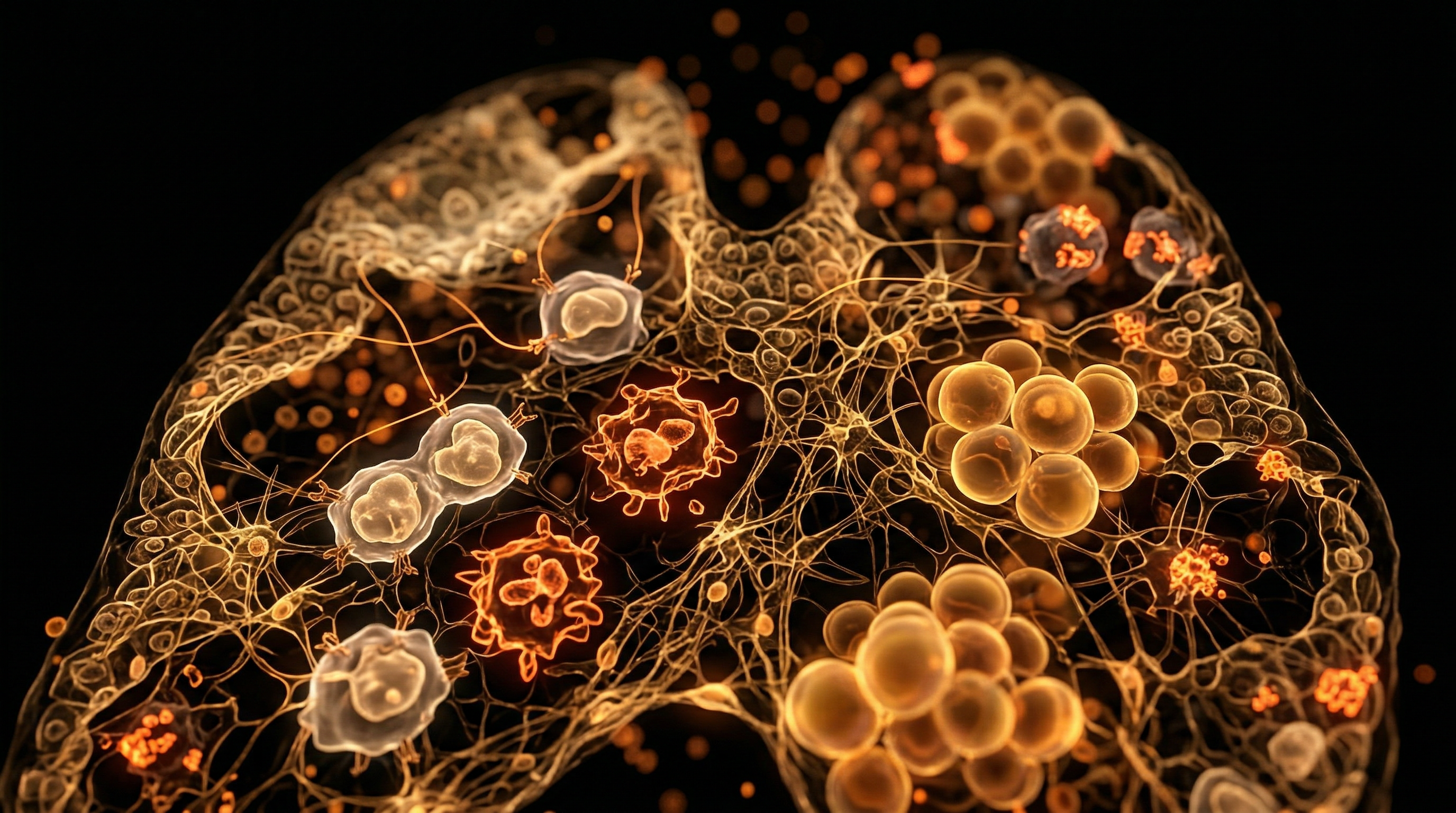
The thymus is divided into two primary regions: the cortex (outer layer) and the medulla (inner core).
- The Cortex: Here, young T-cells (thymocytes) undergo "positive selection." They are tested to see if they can recognise the body’s own Major Histocompatibility Complex (MHC) molecules. If they fail to acknowledge the body’s signalling system, they are destroyed.
- The Medulla: Here, the survivors undergo "negative selection." They are exposed to "self-antigens"—proteins found in other parts of the body. If a T-cell reacts too strongly to these self-proteins, it is eliminated. This process prevents autoimmunity, ensuring that the immune system does not attack the very body it is meant to protect.
The Transition to Adiposity
As thymic involution progresses, the glandular tissue (the parenchyma) is replaced by adipose tissue (fat). This is not a sudden collapse but a steady encroachment.
- Perivascular Space Expansion: The connective tissue around the blood vessels in the thymus begins to expand, creating "pockets" that fill with fat.
- Epithelial Thinning: The Thymic Epithelial Cells (TECs), which provide the structural and chemical framework for T-cell education, begin to die off or lose their functional identity.
- Loss of Architecture: The clear distinction between the cortex and the medulla blurs. The "classrooms" where T-cells learn are effectively boarded up.
The result is a catastrophic drop in thymic output. In a child, the thymus exports millions of naive T-cells into the bloodstream every day. By the time a person reaches 70, this output has slowed to a mere trickle. The body is forced to rely on the replication of existing T-cells, leading to a "homogenised" immune system that lacks the diversity to recognise new mutations or foreign invaders.
Mechanisms at the Cellular Level
The drivers of thymic involution are found deep within the molecular signalling pathways of the Thymic Epithelial Cell (TEC) and the hematopoietic stem cell. Understanding these mechanisms exposes why the thymus is so uniquely sensitive to the external environment.
The Role of FOXN1
The master regulator of thymic development and maintenance is a transcription factor called FOXN1. This protein acts as the "on switch" for the genes that allow TECs to function. Research indicates that the primary trigger for involution is the downregulation of FOXN1 expression. When FOXN1 levels drop, the TECs lose their ability to support thymocyte development, and the entire organ begins to collapse.
Androgen Sensitivity
One of the most significant cellular triggers for thymic shrinkage is the rise of sex hormones during puberty. The thymus is densely populated with androgen receptors.
- The Pubertal Trigger: At puberty, the surge in testosterone and oestrogen signals a rapid acceleration of involution. This suggests an evolutionary trade-off: energy is diverted from immune development toward reproductive capacity.
- Castration Studies: In animal models, the removal of the testes (eliminating the source of androgens) results in a dramatic regeneration of the thymus, even in aged subjects. This proves that the "blueprint" for a functional thymus remains; it is simply being suppressed by hormonal signals.
Interleukin-7 (IL-7) Deficiency
IL-7 is the critical "fuel" for T-cell survival and expansion within the thymus. It is produced primarily by the TECs. As these cells undergo senescence or are replaced by fat, IL-7 production drops. Without sufficient IL-7, even the few progenitor cells that reach the thymus cannot survive the maturation process. This creates a feedback loop of decay: fewer functional TECs lead to less IL-7, which leads to fewer T-cells, further accelerating the degradation of the thymic microenvironment.
Key Fact: The thymus is the first organ in the human body to begin the ageing process, often starting to shrink before a child has even reached their tenth birthday.
Environmental Threats and Biological Disruptors
While biology provides the framework for thymic decline, the modern environment acts as a potent accelerator. We are currently witnessing a global phenomenon of "premature immunosenescence," where the immune systems of young adults resemble those of the elderly. This is not accidental; it is the result of specific biological disruptors that target the thymus.
Endocrine Disrupting Chemicals (EDCs)
Since the thymus is exquisitely sensitive to hormonal signals, it is highly vulnerable to xenoestrogens and other EDCs found in plastics (Bisphenol A), pesticides (glyphosate), and personal care products (phthalates).
- BPA and Phthalates: These chemicals mimic natural hormones and bind to receptors in the thymus, sending false signals that trigger premature atrophy.
- The Glyphosate Connection: Glyphosate has been shown to disrupt the gut microbiome. Since the gut and the thymus communicate via the gut-thymus axis, a dysbiotic gut leads to systemic inflammation that further stresses thymic tissue.
Fluoride and Heavy Metals
The thymus has a high affinity for certain toxins. Fluoride, commonly added to municipal water supplies in many regions, has been shown in biochemical studies to interfere with the enzyme systems required for T-cell protein synthesis. Furthermore, heavy metals such as cadmium and mercury accumulate in the thymic parenchyma, inducing oxidative stress and direct cellular apoptosis (cell death) of the delicate epithelial cells.
Electromagnetic Frequencies (EMFs)
While often dismissed by mainstream science, emerging research into bioelectromagnetics suggests that the thymus, as a highly electrically active organ involved in cell signalling, is sensitive to non-ionising radiation. Constant exposure to high-frequency EMFs can disrupt the calcium signalling pathways essential for T-cell activation and maturation, effectively "jamming" the educational signals within the thymic cortex.
The Impact of Chronic Stress
The thymus is often referred to as a "barometer of stress." Under conditions of chronic stress, the adrenal glands release high levels of cortisol. Cortisol is directly toxic to thymocytes, causing them to undergo rapid apoptosis. This is why periods of prolonged emotional or physical trauma are almost always followed by a measurable decline in immune function—the stress has literally "melted" a portion of the thymic reserve.
The Cascade: From Exposure to Disease
The involution of the thymus is not an isolated event; it is the first domino in a cascade that leads to the most prevalent diseases of the modern era. When thymic output fails, the body enters a state of immune exhaustion.
The Rise of "Inflammaging"
As the production of new T-cells declines, the existing pool of T-cells must replicate more frequently to maintain numbers. This leads to telomere shortening and the creation of "senescent" T-cells. These senescent cells do not die; instead, they linger and secrete high levels of pro-inflammatory cytokines. This state of chronic, low-grade, systemic inflammation is known as inflammaging. It is the underlying driver of:
- Cardiovascular Disease: Inflammation damages the arterial walls.
- Neurodegeneration: Chronic inflammation in the brain contributes to Alzheimer’s and Parkinson’s.
- Metabolic Syndrome: Inflammation interferes with insulin signalling.
Cancer Surveillance Failure
The immune system's most critical job is "immune surveillance"—the constant patrolling for cells that have turned cancerous. Cytotoxic T-cells are the primary executioners of these malignant cells. When the thymus involutes, the diversity of the T-cell receptor (TCR) repertoire shrinks. The "library" of threats the immune system can recognise becomes smaller. Cancerous cells that would have been identified and destroyed in a 20-year-old are "missed" by the exhausted, non-diverse immune system of a 60-year-old.
Autoimmune Explosion
Ironically, as the immune system becomes "weaker" at fighting external threats, it becomes "angrier" at the self. The loss of the medullary epithelial cells means that the "negative selection" process fails. T-cells that are reactive to the body’s own tissues are allowed to escape into the bloodstream. This explains the paradoxical rise in autoimmune conditions (such as rheumatoid arthritis and lupus) alongside increased susceptibility to infection in the ageing population.
What the Mainstream Narrative Omits
The medical establishment views thymic involution as an unalterable fact of life, much like the greying of hair. However, this perspective serves a specific economic paradigm. There is very little profit in thymic regeneration, but there is immense profit in managing the consequences of its decay.
The Omission of Prevention
Medical schools rarely teach the importance of thymic health. You will find departments for cardiology, oncology, and endocrinology, but you will almost never find a "Department of Thymology." By ignoring the primary driver of immune ageing, the system ensures a steady stream of patients requiring:
- Statins for the results of inflammaging.
- Chemotherapy for the results of failed immune surveillance.
- Immunosuppressants for the results of failed T-cell education.
The Suppression of Regenerative Data
For decades, researchers have known that the thymus is capable of regrowth. Trials involving Growth Hormone (GH), Zinc, and Thymic Peptides have shown that the adipose tissue can be pushed back and functional TECs can be restored. Yet, these findings are rarely translated into clinical practice. Why? Because many of these interventions involve off-patent substances or simple nutritional protocols that cannot be blockbuster-patented.
The Link to Medical Interventions
There is a profound silence regarding how modern medical interventions might affect the thymus. For instance, certain pharmaceutical "solutions" designed to stimulate the immune system can actually lead to thymic exhaustion by forcing the premature release of immature T-cells or by inducing cytokine storms that damage the thymic microenvironment. The "one-size-fits-all" approach to immunology ignores the delicate state of an individual's thymic reserve.
The UK Context
In the United Kingdom, the issue of thymic health is particularly acute, shaped by specific environmental, dietary, and systemic factors. The "British lifestyle" and the structure of the NHS have created a unique set of challenges for maintaining immune resilience.
The Fluoridation Debate
Unlike much of Continental Europe, large swathes of the UK—including the West Midlands and parts of the North East—have fluoridated water supplies. Given the evidence of fluoride's impact on soft tissue calcification and enzyme disruption, the UK population in these areas may be experiencing accelerated thymic involution compared to their non-fluoridated counterparts.
Vitamin D Deficiency
The UK’s northern latitude means that for a significant portion of the year, the population cannot synthesise Vitamin D from sunlight. Vitamin D3 is not just a vitamin; it is a secosteroid hormone that plays a vital role in T-cell activation and thymic function. The chronic "UK D-deficiency" is a major contributor to the rapid immune ageing observed in the British Isles, particularly among the elderly and ethnic minority communities who require more sunlight to produce the same amount of the hormone.
The "Stiff Upper Lip" and Cortisol
There is a cultural element to consider as well. The UK’s high-stress, high-work-hour culture, combined with a traditional "grin and bear it" attitude toward mental health, leads to chronically elevated cortisol levels. As established, cortisol is the "thymus killer." The lack of emphasis on stress-reduction techniques within the NHS framework means that the psychological toll of British life is manifesting as physical immune decay.
The NHS Post-Code Lottery
Access to the kind of sophisticated blood work required to monitor immune health (such as T-cell subset panels or TREC analysis to measure thymic output) is virtually non-existent for the average UK citizen. The NHS is designed for crisis management, not preventative immunology. Consequently, most Britons are unaware their immune system is failing until a major diagnosis occurs.
Protective Measures and Recovery Protocols
While the process of involution is powerful, it is not invincible. Emerging science and traditional wisdom point toward several "recovery protocols" that can slow, halt, or even partially reverse the atrophy of the thymus.
1. Nutritional Foundation: The "Big Three"
- Zinc: Zinc is the most critical mineral for the thymus. It is a cofactor for thymulin, a hormone that regulates T-cell maturation. Without zinc, the thymus atrophies rapidly. Supplementing with bioavailable zinc (picolinate or gluconate) is the first step in any recovery protocol.
- Vitamin D3 + K2: As mentioned, Vitamin D is essential for T-cell education. It must be taken with K2 to ensure that calcium is directed to the bones and teeth rather than the thymus (which can undergo "calcification" in states of D-deficiency).
- Selenium: Essential for protecting the thymus from oxidative stress and heavy metal accumulation.
2. Thymic Peptides
The use of thymic extracts or synthetic peptides like Thymosin Alpha-1 has been a mainstay in "underground" longevity circles for years. These peptides signal the bone marrow to produce more progenitors and "nudge" the remaining thymic tissue to remain active. While strictly regulated in some jurisdictions, they represent the most direct way to bypass the effects of involution.
3. Intermittent Fasting and Autophagy
Fasting is one of the few proven ways to "reset" the immune system. During a fast (typically 48–72 hours), the body undergoes autophagy—the cleaning out of old, senescent cells. Studies have shown that prolonged fasting can trigger a regenerative "reboot" of the hematopoietic stem cells and a temporary expansion of thymic output.
4. Androgen Modulation
For older men, managing testosterone levels is a delicate balance. While testosterone is necessary for vitality, excessive levels (or the use of synthetic steroids) can suppress the thymus. Using natural methods to balance hormones—such as avoiding xenoestrogens and ensuring adequate sleep—is preferable to aggressive hormonal replacement therapy if thymic health is the priority.
5. Stress Mitigation
Since cortisol is toxic to the thymus, practices that lower the "fight or flight" response are physiological necessities. This includes deep breathwork, vagus nerve stimulation, and regular contact with the natural world ("forest bathing"), which has been shown to increase Natural Killer (NK) cell activity and lower systemic inflammation.
Protocol Suggestion: A daily intake of 25mg Zinc, 5000IU Vitamin D3, and a 16:8 intermittent fasting window provides a basic "Innerstanding" foundation for thymic support.
Summary: Key Takeaways
The story of thymic involution is the story of how our biological sovereignty is lost. By allowing this master gland to wither, we surrender our ability to adapt to new environments, resist disease, and maintain the integrity of our own tissues.
- The Thymus is the Clock: The age of your immune system is more important than your chronological age. The rate of thymic involution determines your "biological age."
- Involution is not Inevitable: While it is a natural process, the velocity of the decay is largely dictated by environmental exposures, hormonal balance, and nutritional status.
- The Modern World is Anti-Thymus: From fluoride in the water to the "memory T-cell swamp" created by chronic stress, modern life is systematically designed to accelerate immune decay.
- Regeneration is Possible: Through the use of targeted nutrients (Zinc, D3), metabolic interventions (fasting), and the avoidance of endocrine disruptors, we can reclaim some of the "lost" territory of our immune systems.
- Beyond the Mainstream: To truly understand and protect your health, you must look beyond the reductionist view of the thymus as a "useless gland" and recognise it as the holy grail of longevity and resilience.
In an age of emerging pathogens and rising chronic illness, the maintenance of the thymus is no longer a luxury for the health-conscious—it is a survival imperative. We must move from a paradigm of managing decay to one of restoring function. The path to true "innerstanding" begins with the protection of the internal academy that defines who we are on a cellular level.
This article is provided for informational and educational purposes only. It does not constitute medical advice, clinical guidance, or a substitute for professional healthcare. Information reflects cited research at time of publication. Always consult a qualified healthcare professional before acting on any health information.
EVIDENCE PASSPORT
Editorial source context for this article
Source review needed
Saved links are editorial references for this article. They may support specific claims rather than every sentence. Open and assess each source in context. This passport does not independently verify them.
Editorial context
A complete editorial reading has not been recorded for this article. Source links remain available for you to open and assess directly.
Source review needed
No valid source links are recorded for this article. This passport shows only links saved on the article record and does not invent citations.
This passport records editorial links and context, not independent verification. Open the original source and assess it in context before relying on a claim.
Medical Disclaimer
The information in this article is for educational purposes only and does not constitute medical advice, diagnosis, or treatment. Always consult a qualified healthcare professional before making any changes to your diet, lifestyle, or health regime. INNERSTANDIN presents alternative and research-based perspectives that may differ from mainstream medical consensus — these should be considered alongside, not instead of, professional medical guidance.
Read Full DisclaimerContinue the thread
Keep this question moving.
Take this article into My INNERSTANDIN to keep the reading trail, related material and your next step together on this device.
Explore this in the Body Map
See where this hits your biology. Interactive anatomy, threats, and protective protocols.
Dig deeper in the Library
Free, longform PDF volumes that go beyond headlines into mechanisms and references.