Trophic Biomagnification: Molecular Mechanisms of Methylmercury Accumulation in Marine Food Webs
An in-depth exploration of the biogeochemical and molecular processes that lead to the exponential concentration of methylmercury in marine ecosystems, focusing on microbial methylation, molecular mimicry, and the subsequent risks to human neurological health.
# Trophic Biomagnification: Molecular Mechanisms of Methylmercury Accumulation in Marine Food Webs
Introduction
In the realm of environmental toxicology, few substances command as much concern as mercury. A naturally occurring element, mercury’s journey from the Earth’s crust to the human nervous system is a complex saga of chemical transformation and biological amplification. At INNERSTANDING, we focus on root-cause health education, and understanding the molecular mechanisms of mercury accumulation is vital for making informed dietary choices. The phenomenon of trophic biomagnification describes how concentrations of methylmercury (MeHg) increase exponentially as one moves up the marine food chain, ultimately reaching levels in apex predators that are millions of times higher than in the surrounding seawater. This article delves into the biochemical engine driving this process and its implications for human health.
The Biogeochemical Engine: From Inorganic to Organic
The journey begins with inorganic mercury (Hg), primarily released into the atmosphere through volcanic activity and, more significantly, anthropogenic sources such as coal combustion, industrial waste, and artisanal gold mining. Once this mercury is deposited into the oceans via rainfall—a process known as wet deposition—it settles into anaerobic (oxygen-poor) sediments on the ocean floor. Here, a critical biological transformation occurs that changes the mercury's fundamental nature.
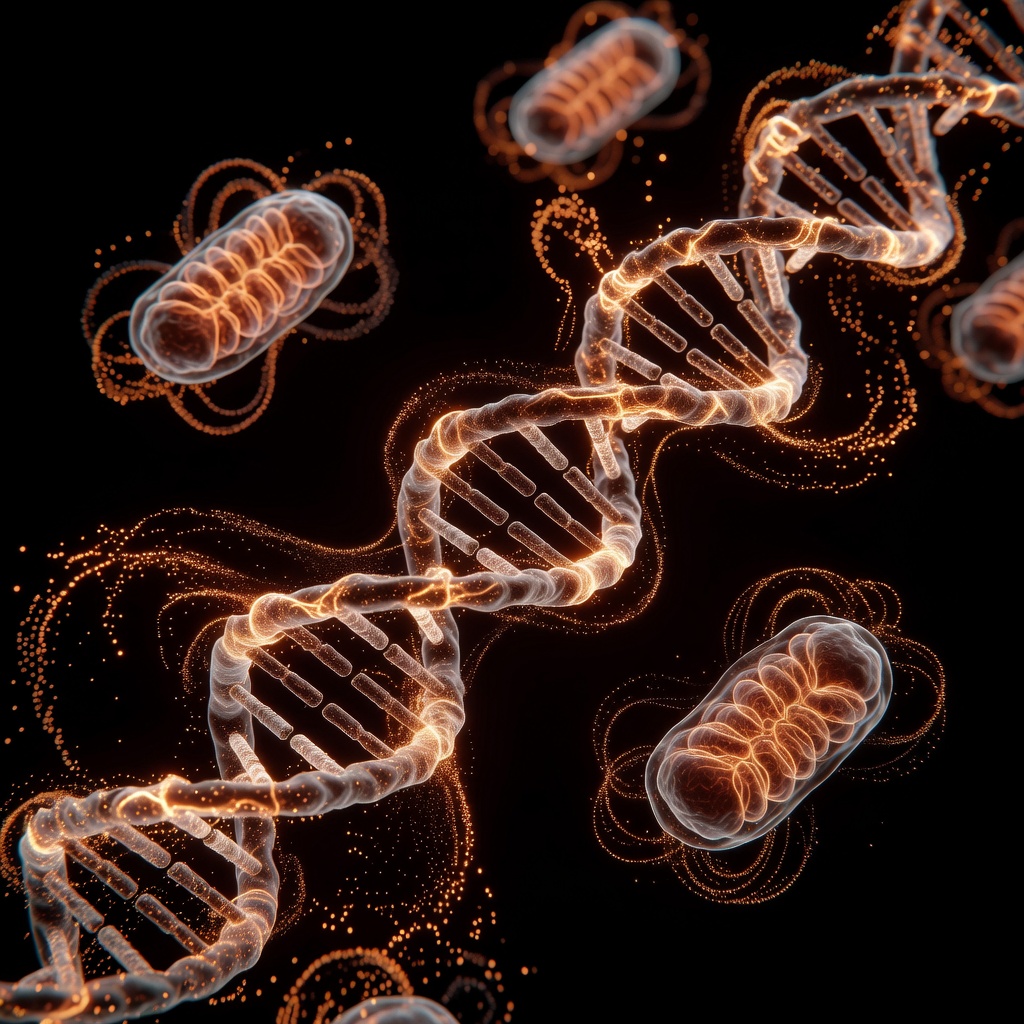
Specific strains of sulfate-reducing and iron-reducing bacteria, possessing a unique gene cluster known as hgcAB, convert inorganic divalent mercury (Hg2+) into methylmercury (CH3Hg+). Discovered relatively recently, the hgcAB gene cluster encodes two proteins: HgcA, a corrinoid protein that acts as a methyl carrier, and HgcB, a ferredoxin-like protein that facilitates electron transfer. This microbial methylation is the \"spark\" that ignites the process of biomagnification. Unlike its inorganic counterpart, methylmercury is highly lipophilic and bioavailable, meaning it can easily penetrate the cellular membranes of primary producers such as phytoplankton and microalgae.
The Molecular Trojan Horse: Cysteine and Mimicry
To understand why methylmercury is so insidious and why it accumulates so effectively in biological tissues, we must look at its molecular behaviour. Methylmercury has an extraordinary affinity for sulfhydryl (-SH) groups, particularly those found on the amino acid L-cysteine. When methylmercury enters a biological system, it quickly forms a complex with cysteine. This complex—methylmercury-L-cysteine—is the key to its toxicity.
This chemical pairing creates a classic case of molecular mimicry. The methylmercury-L-cysteine complex structurally resembles the essential amino acid methionine. Because the human body (and the bodies of marine organisms) \"mistakes\" this mercury-cysteine complex for an essential nutrient, it is actively transported across cellular membranes via the L-type neutral amino acid transporter (LAT1). This mechanism allows methylmercury to bypass the blood-brain barrier and the placental barrier with ease. By hijacking the transport systems designed for nutrition, mercury gains access to the most sensitive areas of the central nervous system.
Trophic Transfer: Scaling the Food Ladder
While bioaccumulation refers to the build-up of a substance within a single organism over its lifetime, biomagnification refers to the increase in concentration across different levels of the food web. Phytoplankton, the base of the marine ecosystem, absorb methylmercury directly from the water through passive diffusion and active transport. When zooplankton consume these phytoplankton, they retain the majority of the mercury while metabolising the organic matter for energy.
As we move up the trophic ladder, the concentration increases at each step. Small forage fish, such as sardines and anchovies, eat vast quantities of zooplankton. Larger predatory fish, such as Thunnus (Tuna), Xiphias (Swordfish), and various shark species, then consume these smaller fish. Because methylmercury is excreted at an incredibly slow rate compared to the rate of ingestion, the non-biodegradable mercury load is concentrated. By the time the mercury reaches an apex predator, its concentration can be 10 million times greater than that of the surrounding seawater. This is why the species at the top of the food chain pose the greatest risk to human consumers.
Physiological Retention and the Selenium Connection
The primary reason methylmercury biomagnifies so effectively is its long biological half-life. In humans, the half-life of methylmercury is approximately 70 to 90 days, but in long-lived predatory fish, it can be years. Once bound to proteins in the muscle tissue, it is not easily liberated by cooking or processing.
Furthermore, methylmercury disrupts the endogenous antioxidant system by binding to selenium, an essential cofactor for the enzyme glutathione peroxidase. Methylmercury has a binding affinity for selenium that is roughly a million times stronger than its affinity for sulphur. This binding sequesters selenium, leading to a functional deficiency and preventing the neutralisation of reactive oxygen species (ROS). The resulting oxidative stress damages cellular structures, particularly neurons, which are highly susceptible to lipid peroxidation. This selenium-mercury interaction is a major area of research, as the molar ratio of selenium to mercury in certain fish may mitigate some of the toxic effects.
Clinical Implications: The Human Connection
For the individual, the result of this marine process is often chronic, low-level exposure through the diet. Symptoms of methylmercury toxicity (often termed hydrargyria) can be subtle and non-specific in its early stages. These may include paraesthesia (tingling in the extremities), ataxia (lack of coordination), and a narrowing of the visual field. In more severe cases, or during prenatal development, it can lead to significant neurodevelopmental delays and cognitive impairment.
In the United Kingdom, the Food Standards Agency (FSA) and the NHS provide specific guidelines to manage these risks. Pregnant women and those planning a pregnancy are advised to avoid shark, swordfish, and marlin entirely and to limit their intake of tuna. At INNERSTANDING, we recommend a strategy focused on \"SMASH\" fish—Salmon, Mackerel, Anchovies, Sardines, and Herring. These species are typically lower on the food chain, have shorter lifespans, and consequently accumulate far less mercury while still providing the essential Omega-3 fatty acids (EPA and DHA) required for cardiovascular and neurological health.
Conclusion
Trophic biomagnification is a testament to the profound interconnectedness of our global environment and our internal biology. From the hgcAB gene in deep-sea bacteria to the LAT1 transporters in the human brain, the story of methylmercury is one of molecular persistence and biological vulnerability. By recognising the mechanisms of accumulation and the risks associated with apex predators, we can navigate our dietary landscape with greater precision. Making informed choices about fish consumption is not just about avoiding toxins; it is about understanding the root causes of environmental health risks to protect the long-term integrity of our nervous systems.
This article is provided for informational and educational purposes only. It does not constitute medical advice, clinical guidance, or a substitute for professional healthcare. Information reflects cited research at time of publication. Always consult a qualified healthcare professional before acting on any health information.
RESEARCH FOUNDATIONS
Biological Credibility Archive
Citations provided for educational reference. Verify via PubMed or institutional databases.
Medical Disclaimer
The information in this article is for educational purposes only and does not constitute medical advice, diagnosis, or treatment. Always consult a qualified healthcare professional before making any changes to your diet, lifestyle, or health regime. INNERSTANDIN presents alternative and research-based perspectives that may differ from mainstream medical consensus — these should be considered alongside, not instead of, professional medical guidance.
Read Full DisclaimerReady to learn more?
Continue your journey through our classified biological research.
DISCUSSION ROOM
Members of THE COLLECTIVE discussing "Trophic Biomagnification: Molecular Mechanisms of Methylmercury Accumulation in Marine Food Webs"
SILENT CHANNEL
Be the first to discuss this article. Your insight could help others understand these biological concepts deeper.
RABBIT HOLE
Follow the biological thread deeper