All INNERSTANDIN content is for educational purposes only — not medical advice, diagnosis or treatment. Full Disclaimer →

    BACK TO DATABASE
    TAGGED RESEARCH

    #Stachybotrys

    3TRANSMISSIONS FOUND
    M
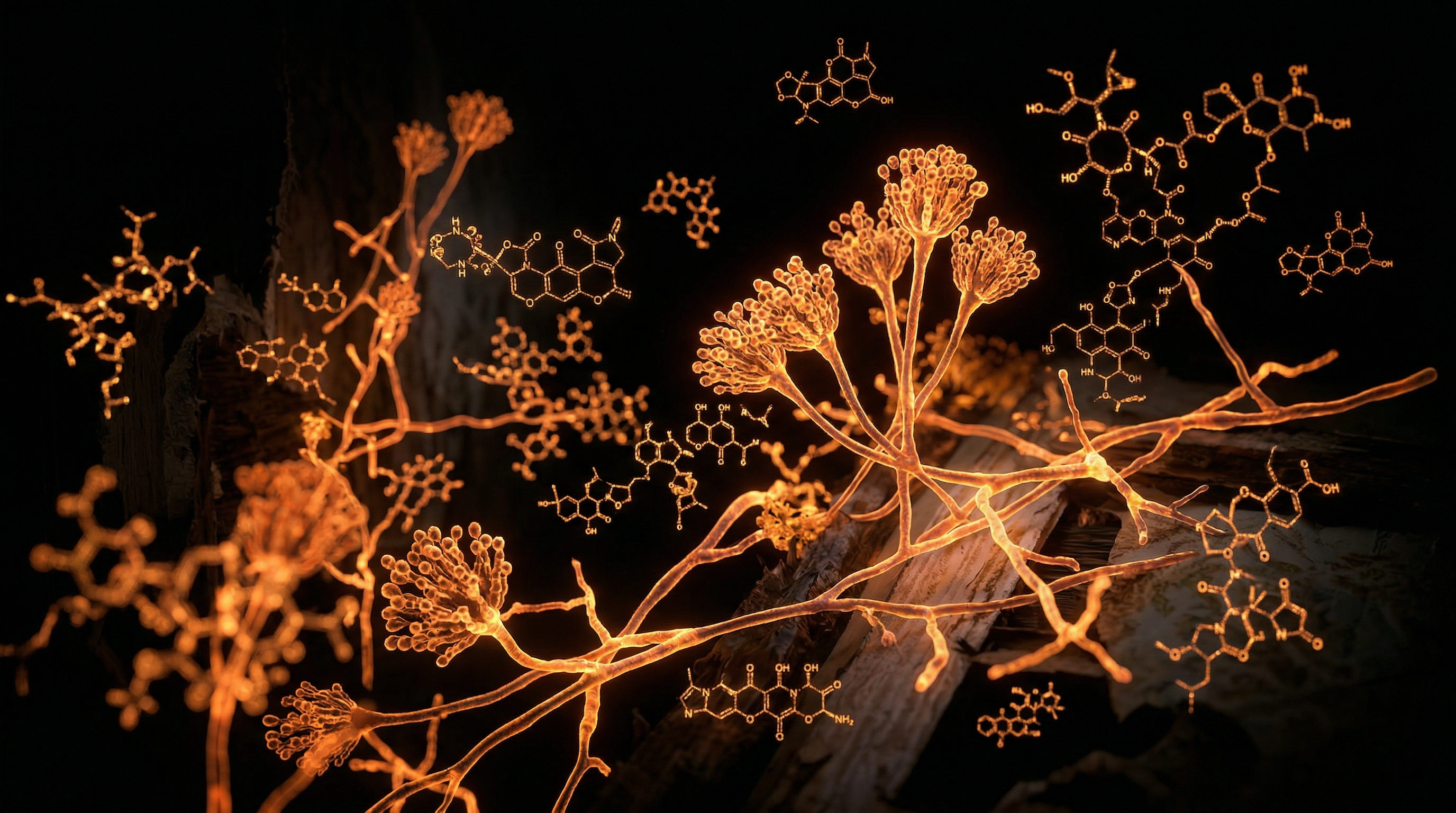
    Scientific illustration for Mycotoxins: The Toxic Mould Crisis in UK Homes
    Environmental Threats
    14 MIN READ

    Mycotoxins: The Toxic Mould Crisis in UK Homes

    Mycotoxins — potent secondary metabolites produced by toxigenic moulds including Aspergillus, Penicillium, Fusarium, and the notorious black mould Stachybotrys chartarum — are among the most biologically active and pathogenic compounds on Earth, with documented capacity to suppress immunity, damage the liver and kidneys, disrupt the endocrine system, cause neurotoxicity, and act as carcinogens at extremely low concentrations. The UK's predominantly old, damp, and poorly ventilated housing stock — exacerbated by energy-efficiency retrofits that reduce air exchange — creates ideal conditions for mould colonisation, with an estimated 14% of English homes affected by visible damp according to the English Housing Survey. Critically, mycotoxins are invisible, odourless at pathological concentrations, not eliminated by cleaning visible mould growth, and not screened for by NHS diagnostic protocols despite being a documented cause of the fatigue, cognitive dysfunction, respiratory disease, and immune dysregulation that millions of UK residents attribute to unexplained 'mystery illnesses'.


    #mycotoxins#mould
    M
    Scientific illustration for Mould & Mycotoxins: The Hidden Epidemic in UK Homes
    Environmental Threats
    16 MIN READ

    Mould & Mycotoxins: The Hidden Epidemic in UK Homes

    Mycotoxins — toxic secondary metabolites produced by mould species including Aspergillus, Fusarium, Stachybotrys, and Penicillium — are amongst the most immunosuppressive compounds encountered in domestic environments, and are particularly prevalent in the UK's damp, poorly-ventilated housing stock. These compounds are highly lipophilic, cross the blood-brain barrier with ease, suppress T-regulatory cell function, trigger mast cell activation, and accumulate in fatty tissue where they drive chronic inflammatory responses that mimic autoimmune disease, neurological dysfunction, and chronic fatigue. NHS mycotoxin testing is almost non-existent, and mould illness is routinely dismissed as anxiety, depression, or medically unexplained symptoms.

    #mould#mycotoxins