The Vagus Nerve: The Superhighway Between Body and Brain
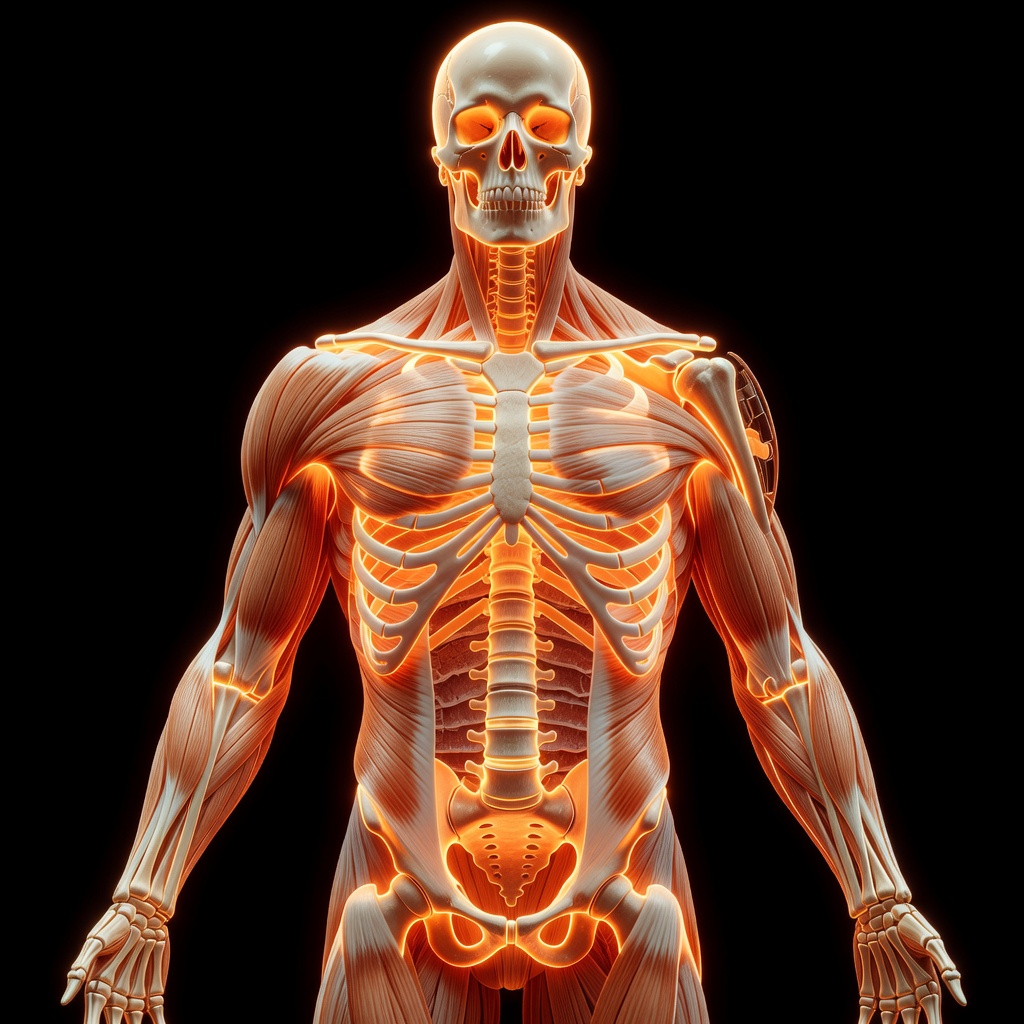
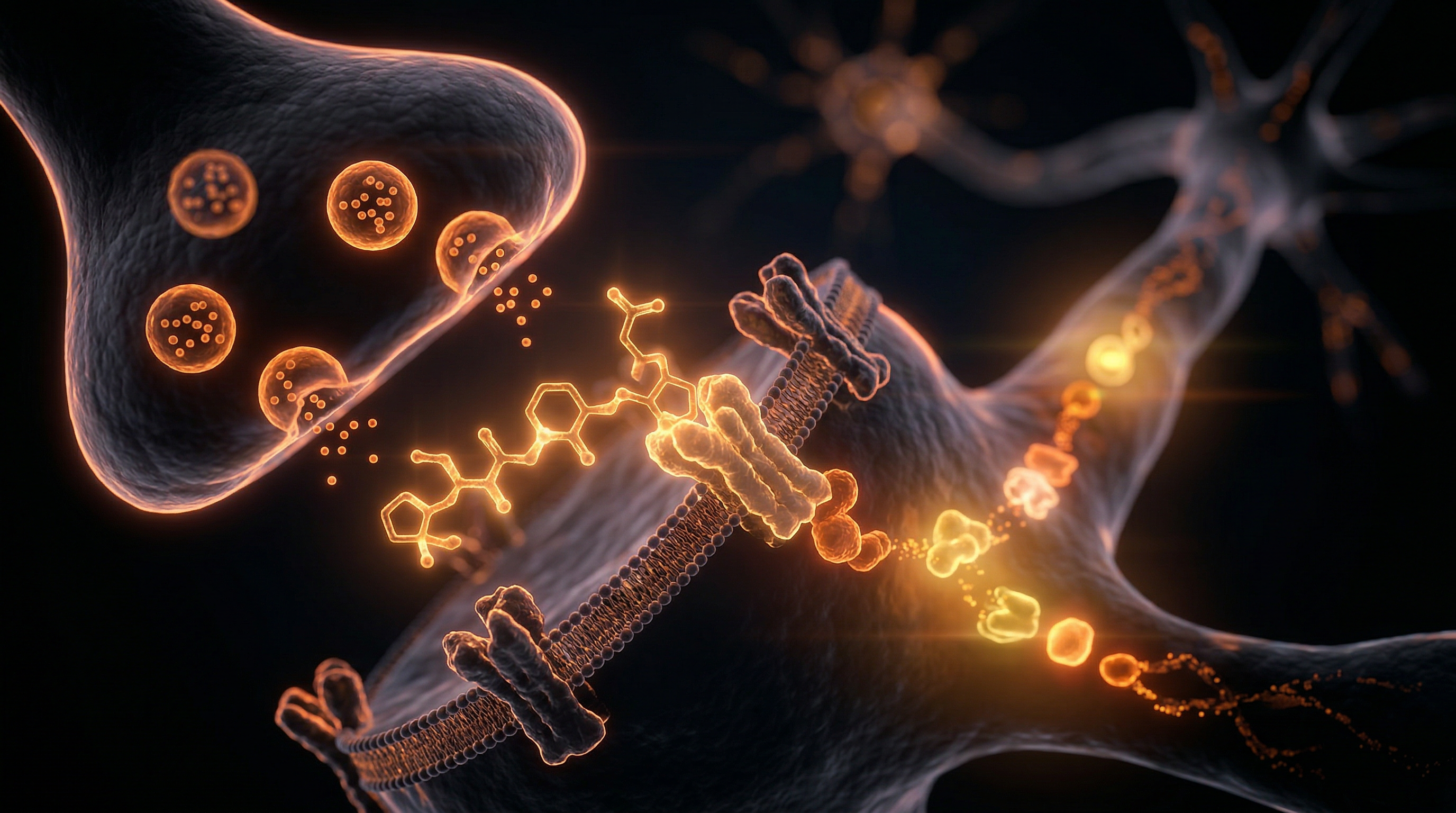
The vagus nerve — the tenth cranial nerve and the longest nerve in the body, innervating the heart, lungs, oesophagus, stomach, small and large intestine, liver, spleen, and kidneys — carries 80% of its information upward from gut to brain (afferent signalling), making it the primary conduit through which gut health determines brain function, mood, and the activity of the parasympathetic 'rest and digest' nervous system. Vagal tone — the measure of parasympathetic nervous system activity reflected in heart rate variability — is suppressed by chronic stress, inflammatory bowel conditions, gut dysbiosis, heavy metal toxicity, and psychological trauma, creating the neurological substrate for the anxiety, depression, digestive dysfunction, and immune dysregulation of modern chronic illness. Stimulating vagal tone through cold exposure, deep breathing, singing, meditation, and gut microbiome restoration represents one of the most powerful and underutilised therapeutic tools in biological medicine.