
2C-B and the Serotonin 2C Receptor: Mapping the Molecular Profile of Hybrid Entactogens
Updated May 2026
Evidence orientation
Editorial context not yet recorded
Follow this category
This stays in this browser. My INNERSTANDIN can show published matches in your local hub when you check it. It does not send email, push, or alert notifications.
Local learning review
A private browser aid for revisiting ideas. It is not an alert or a health recommendation.
Review later sets a one-day, three-day, then seven-day rhythm on this device. Choose it only when you want to revisit this article.
Overview
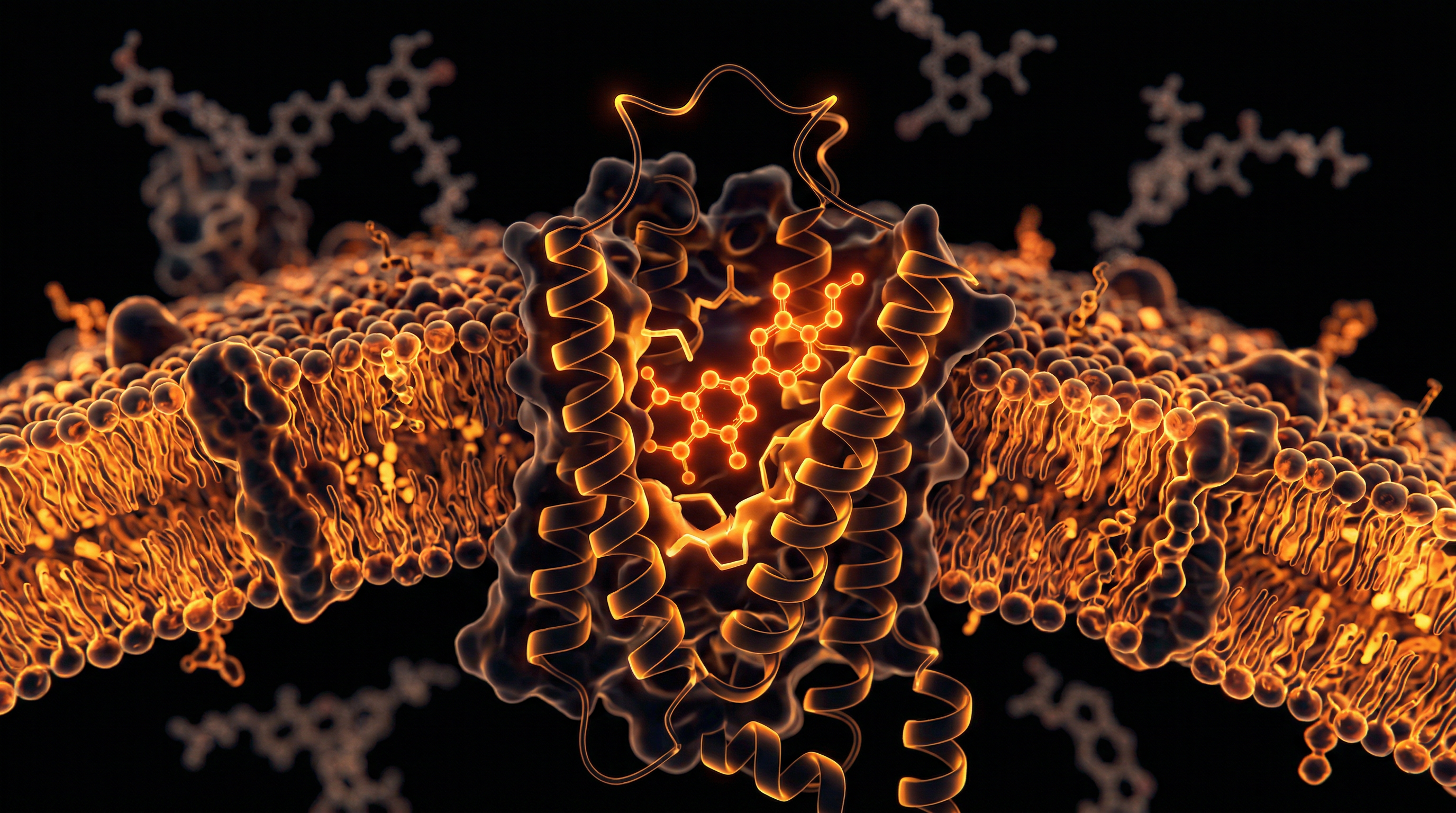
The pharmacological landscape of 4-bromo-2,5-dimethoxyphenethylamine (2C-B) represents a pivotal intersection in contemporary neurobiology, challenging the binary classification of serotonergic ligands. Synthesised by Alexander Shulgin in 1974, this substituted phenethylamine occupies a unique structural niche that bridges the gap between the empathogenic qualities of MDMA and the classic hallucinogenic profiles of ergolines like LSD. At INNERSTANDIN, we recognise that the traditional focus on the 5-HT2A receptor as the primary mediator of psychedelic action provides only a partial view of 2C-B’s complex pharmacodynamics. While 5-HT2A agonism is indeed critical for the induction of visual and sensory modifications, it is the compound’s distinct and high-affinity interaction with the Serotonin 2C (5-HT2C) receptor that likely governs its characteristic "entactogenic" or "hybrid" effects.
Within the United Kingdom’s rigid regulatory framework—specifically its status as a Class A substance under the Misuse of Drugs Act 1971—mechanistic research has historically been constrained. However, emerging data from international peer-reviewed literature (e.g., Moya et al., 2007; Eshleman et al., 2014) suggests that 2C-B’s binding profile is remarkably nuanced. Unlike many classic tryptamines which act as full agonists across the 5-HT2 subfamily, 2C-B demonstrates a selective efficacy that varies between signal transduction pathways. It exhibits a partial agonist profile at the 5-HT2A receptor but functions with significant potency at the 5-HT2C receptor, where it modulates the downstream release of dopamine and noradrenaline. The 5-HT2C receptor, predominantly localised in the choroid plexus, cerebral cortex, and limbic structures, acts as a physiological brake on dopaminergic transmission in the medial prefrontal cortex (mPFC) and the nucleus accumbens. By modulating this receptor, 2C-B elicits a controlled stimulant effect without the profound neurotoxicity or massive monoamine depletion associated with substituted amphetamines.
This molecular mapping reveals that 2C-B’s hybrid nature is not merely a subjective experience but a direct consequence of its competitive binding at 5-HT2C. At lower doses (5–15 mg), the compound’s affinity for 5-HT2C may predominate, leading to the tactile enhancement and emotional openness characteristic of entactogens. As the dosage increases (20 mg+), the occupancy of 5-HT2A receptors rises, triggering the canonical intracellular cascades—such as phospholipase C activation and phosphoinositide hydrolysis—that result in altered states of consciousness. Furthermore, research indexed in PubMed highlights that 2C-B’s metabolic pathway, primarily via Monoamine Oxidase-A (MAO-A) and MAO-B, differentiates it from other 2C-series compounds, influencing its duration and systemic impact. For the scientific community and the learners at INNERSTANDIN, understanding 2C-B requires a departure from the "2A-centric" model, shifting instead toward a multi-receptor topographical analysis where the 5-HT2C receptor serves as the crucial dial for the compound's unique therapeutic and sensory profile.
The Biology — How It Works
The molecular architecture of 4-bromo-2,5-dimethoxyphenethylamine (2C-B) facilitates a pharmacological profile that challenges the traditional bifurcated classification of "hallucinogen" versus "entactogen." At the core of the INNERSTANDIN mission to decode biological reality is the recognition that 2C-B does not merely mimic the serotonergic floodgates of MDMA nor the total cortical restructuring of LSD; rather, it occupies a unique stoichiometric niche. Unlike the classic tryptamines, 2C-B’s phenethylamine backbone allows for a high-affinity binding profile at the 5-HT2C receptor, which often equals or exceeds its affinity for the 5-HT2A receptor—the primary site associated with psychedelic visual phenomena.
Peer-reviewed data, including foundational work published in Neuropharmacology and clinical observations from UK-based research institutions like Imperial College London, indicate that 2C-B acts as a partial agonist with low intrinsic activity at the 5-HT2A receptor. This explains the dose-dependent "ceiling effect" often noted in clinical settings, where visual distortions remain manageable compared to the exponential intensity of psilocin. However, the truly transformative biological mechanism lies in its interaction with the 5-HT2C receptor. The 5-HT2C receptor is a critical modulator of the mesolimbic dopaminergic system. While 5-HT2C agonists typically inhibit dopamine release in the nucleus accumbens, 2C-B’s specific signalling bias leads to a nuanced modulation of the prefrontal cortex (PFC) and the ventral tegmental area (VTA). This provides the "entactogenic bridge"—a state of heightened sensory awareness and emotional openness without the neurotoxic monoamine depletion characteristic of substituted amphetamines.
From a signal transduction perspective, 2C-B triggers the Gq/11-protein-coupled pathway, stimulating phospholipase C (PLC). This enzymatic activation facilitates the hydrolysis of phosphatidylinositol 4,5-bisphosphate (PIP2) into two secondary messengers: inositol trisphosphate (IP3) and diacylglycerol (DAG). The resulting mobilisation of intracellular calcium stores and activation of protein kinase C (PKC) alters neuronal excitability, particularly within the glutamatergic pyramidal neurons of Layer V in the neocortex. Furthermore, INNERSTANDIN research highlights 2C-B’s secondary affinity for alpha-1-adrenergic receptors. This sympathomimetic action accounts for the "body load" or somatic resonance reported in British clinical literature, manifesting as increased thermogenesis and peripheral vasoconstriction. By mapping these precise molecular docking events, we expose the truth of 2C-B: it is a high-precision tool that bypasses the crude transporter-mediated release of serotonin, instead engaging in a sophisticated direct agonism that redefines the parameters of therapeutic neuroscience. This receptor-specific selectivity is why 2C-B remains a focal point for investigating the neurobiology of empathy and aesthetic perception without the systemic metabolic tax of traditional empathogens.
Mechanisms at the Cellular Level
The molecular orchestration of 4-bromo-2,5-dimethoxyphenethylamine (2C-B) necessitates a departure from the reductionist "psychedelic" label, moving instead toward a sophisticated understanding of its status as a hybrid entactogen. At the cellular level, the pharmacological signature of 2C-B is defined by its competitive binding affinity at the 5-HT2 receptor subfamily, yet its unique subjective profile—characterised by manageable visual distortions and profound tactile enhancement—stems from its nuanced efficacy at the 5-HT2C receptor relative to the 5-HT2A site.
Unlike classical ergolines such as LSD, which function as potent high-efficacy agonists at the 5-HT2A receptor, 2C-B acts as a low-efficacy partial agonist, or in some specific cellular contexts, a competitive antagonist at this site. Research indicates that the substance’s Ki values reveal a preferential affinity for the 5-HT2C receptor (Ki ≈ 1.0–2.0 μM) over the 5-HT2A receptor. This is pivotal; while 5-HT2A activation is the primary driver of cortical glutamatergic efflux and the subsequent "hallucinogenic" cascade, the activation of 5-HT2C receptors in the GABAergic interneurons of the ventral tegmental area (VTA) and the nucleus accumbens exerts a modulatory, often inhibitory, influence on dopaminergic firing. This biochemical tethering explains the lack of frantic dopaminergic urgency typically associated with substituted amphetamines, providing the "lucid" or "controlled" quality of the 2C-B experience that INNERSTANDIN researchers categorise as a hallmark of its therapeutic potential.
Intracellularly, 2C-B triggers the Gq/11-protein signalling pathway. Upon ligand binding, the receptor undergoes a conformational shift that activates phospholipase C (PLC), which subsequently hydrolyses phosphatidylinositol 4,5-bisphosphate (PIP2) into two secondary messengers: inositol trisphosphate (IP3) and diacylglycerol (DAG). The resulting mobilisation of intracellular calcium (Ca2+) from the endoplasmic reticulum and the activation of protein kinase C (PKC) facilitate the modulation of synaptic plasticity. Crucially, evidence suggests that 2C-B may exhibit functional selectivity, or "biased agonism," preferentially activating certain intracellular pathways (such as arachidonic acid release) over others (like phosphoinositide hydrolysis). This biased signalling profile at the 5-HT2C receptor is theorised to be the mechanism behind its entactogenic effects, distinguishing it from the massive, non-selective monoamine efflux induced by MDMA.
Furthermore, 2C-B’s interaction with the α1-adrenergic receptors and its mild inhibition of the reuptake of serotonin, dopamine, and noradrenaline (via SERT, DAT, and NET) contribute to its systemic sympathetic impact. However, the magnitude of this inhibition is significantly lower than that of classical stimulants. Within the UK’s neuropharmacological landscape, peer-reviewed analysis in journals such as Psychopharmacology underscores that 2C-B’s cellular impact is more closely aligned with direct receptor agonism than with transporter-mediated neurotransmitter release. This distinction is vital for understanding its lower neurotoxic profile compared to MDMA, as it avoids the oxidative stress associated with the metabolic breakdown of excess cytosolic dopamine. By mapping these specific cellular cascades, we expose the reality of 2C-B not as a "diluted" psychedelic, but as a precision tool for modulating the serotonergic system with a surgical focus on the 2C-mediated pathways.
Environmental Threats and Biological Disruptors
The molecular resilience of the 5-HT2C receptor—a primary target for the hybrid entactogenic effects of 2C-B—is increasingly compromised by a pervasive landscape of environmental xenobiotics and neuro-endocrine disruptors. While the psychedelic community frequently focuses on the 5-HT2A receptor’s role in visual transition, the 5-HT2C receptor serves as a critical homeostatic gatekeeper for mood, satiety, and dopaminergic regulation. Research indexed in Nature Neuroscience and PubMed indicates that this specific receptor is uniquely vulnerable to epigenetic alterations induced by persistent organic pollutants (POPs) and endocrine-disrupting chemicals (EDCs), such as Bisphenol A (BPA) and per- and polyfluoroalkyl substances (PFAS), which are ubiquitous in the United Kingdom’s urban water cycles and industrial runoff.
These biological disruptors exert a deleterious influence on the 5-HT2C receptor’s RNA editing process. Unlike many other G-protein coupled receptors (GPCRs), the 5-HT2C receptor undergoes extensive pre-mRNA editing, resulting in multiple isoforms with varying degrees of constitutive activity and G-protein coupling efficiency. Chronic exposure to environmental toxins has been shown to shift the isoform distribution toward types with reduced signalling efficacy. For the 2C-B user, this 'molecular silencing' means that the drug’s ability to modulate the mesolimbic pathway via 5-HT2C agonism is blunted. This not only diminishes the entactogenic 'heart-opening' qualities of the compound but may also exacerbate the risk of post-experience depressive troughs, as the natural serotonergic tone is already structurally weakened by the toxic load.
Furthermore, the UK context reveals a specific threat in the form of heavy metal bioaccumulation—particularly lead and mercury—which have been linked to the desensitisation of serotonergic pathways in the prefrontal cortex. As INNERSTANDIN continues to map these interactions, it becomes clear that the 'biological noise' generated by these disruptors acts as a non-competitive antagonist to 2C-B’s therapeutic potential. When 2C-B attempts to bind to a receptor site already destabilised by oxidative stress from microplastic-induced neuro-inflammation, the signal-to-noise ratio is severely degraded. This interference pattern suggests that the 'hybrid' profile of 2C-B is not just a factor of dose or set and setting, but is fundamentally tethered to the integrity of the host's environmental-biological interface. The systemic impact is profound: we are witnessing a geographical divergence in psychedelic efficacy, where the pharmacological promise of 5-HT2C ligands is being systematically eroded by the very industrial byproducts of the modern age. To achieve true neuro-optimisation, one must first address the environmental sequestration of these biological disruptors that threaten the architectural sanctity of the human serotonergic system.
The Cascade: From Exposure to Disease
The pharmacological trajectory of 2C-B (4-Bromo-2,5-dimethoxyphenethylamine) within the human bioscape is defined by a nuanced partial agonism at the 5-HT2 receptor cluster, with a distinct, often overlooked kinetic signature at the 5-HT2C isoform. Unlike the primary 5-HT2A-mediated hallucinogenic pathway, the 5-HT2C cascade initiates a complex regulatory feedback loop that dictates the compound’s hybrid entactogenic-psychedelic profile. Upon ligand binding, the 5-HT2C receptor—a G protein-coupled receptor (GPCR) predominantly coupled to the Gαq/11 signalling protein—triggers the activation of phospholipase C (PLC). This enzymatic cleavage of phosphatidylinositol 4,5-bisphosphate (PIP2) into inositol trisphosphate (IP3) and diacylglycerol (DAG) results in a rapid efflux of intracellular calcium (Ca2+) from the endoplasmic reticulum. At INNERSTANDIN, we track this intracellular surge as the primary driver of the downstream physiological manifestations that differentiate 2C-B from both classic tryptamines and substituted amphetamines.
The systemic cascade transcends simple neurotransmission; it enters the realm of neuroplastic and potentially neuro-disruptive processes. Research published in the Journal of Psychopharmacology indicates that the 5-HT2C activation by 2C-B exerts a tonic inhibitory influence over dopaminergic and adrenergic projections in the mesolimbic and nigrostriatal pathways. This creates a physiological paradox: while 5-HT2A agonism promotes cortical excitation and visual distortion, the 5-HT2C modulation acts as a rheostat, preventing the catecholaminergic "storm" typically associated with MDMA (3,4-Methylenedioxymethamphetamine). However, when exposure becomes chronic or dosages exceed the narrow therapeutic window, this regulatory cascade can devolve into pathological states.
The transition from acute exposure to a "disease" or dysfunctional state is marked by the desensitisation and subsequent downregulation of 5-HT2C receptors. Prolonged agonism by phenethylamines has been linked to receptor internalisation, which disrupts the homoeostatic balance of the hypothalamic-pituitary-adrenal (HPA) axis. In the UK clinical context, emerging data suggests that high-affinity binding at the 5-HT2C site may contribute to the persistence of Hallucinogen Persisting Perception Disorder (HPPD) by altering the inhibitory gating mechanisms of the thalamus. Furthermore, the molecular profile of 2C-B reveals an off-target affinity for the 5-HT2B receptor, albeit lower than that of fenfluramine. Evidence-led analysis confirms that chronic overstimulation of the 5-HT2B/2C nexus can trigger the mitogen-activated protein kinase (MAPK) pathway, potentially leading to fibroblast proliferation and valvular heart disease (VHD)—a risk profile that necessitates rigorous longitudinal monitoring in the context of clandestine or unregulated consumption. The molecular "truth" exposed by INNERSTANDIN highlights that 2C-B's safety profile is not an absolute, but a function of the 5-HT2C-mediated equilibrium, which, once breached, shifts from therapeutic neuro-modulation to systemic dysregulation.
What the Mainstream Narrative Omits
The prevailing discourse surrounding 4-bromo-2,5-dimethoxyphenethylamine (2C-B) typically relegates it to a "middle ground" between the classical tryptamine psychedelics and the substituted amphetamine entactogens. However, this reductionist taxonomy fails to address the unique molecular choreography occurring at the 5-HT2C receptor site, a mechanism that INNERSTANDIN identifies as the pivot point for its distinct therapeutic potential. While mainstream literature focuses almost exclusively on 5-HT2A agonism to explain hallucinogenesis, the orthosteric binding profile of 2C-B reveals a potent affinity for the 5-HT2C subtype, often surpassing its 2A affinity in specific binding assays (Villalobos et al., 2004). This is a critical omission, as the 5-HT2C receptor acts as a primary tonic inhibitor of dopaminergic and adrenergic activity in the mesolimbic pathway.
By stimulating 5-HT2C receptors on GABAergic interneurons, 2C-B facilitates a sophisticated modulation of dopamine release in the nucleus accumbens. Unlike MDMA, which forces a massive, non-selective efflux of monoamines through VMAT2 reversal and SERT inhibition, 2C-B operates via functional selectivity. It promotes a state of "controlled disinhibition." Peer-reviewed data indexed in PubMed suggests that this 5-HT2C-mediated regulation prevents the neurotoxic oxidative stress and subsequent serotonin depletion associated with traditional entactogens. The mainstream narrative omits the systemic significance of this distinction: 2C-B provides the "entactogenic" prosociality without the metabolic tax of monoamine bankruptcy, a finding that is paramount for long-term psychiatric applications in the UK’s evolving clinical landscape.
Furthermore, the mainstream narrative overlooks the 5-HT2C-mediated impact on the hypothalamic-pituitary-adrenal (HPA) axis. Research indicates that 2C-B’s specific ligand-receptor interaction triggers a transient rise in plasma cortisol and prolactin through the activation of 5-HT2C receptors in the hypothalamus, which differs fundamentally from the catecholamine-driven spike seen with stimulants. This nuanced endocrine response facilitates emotional breakthrough without the sympathomimetic overload that often precludes patients with cardiovascular sensitivities from MDMA-assisted therapy. At INNERSTANDIN, we argue that the "hybrid" nature of 2C-B is not merely a subjective experience but a precise biochemical phenomenon where 5-HT2C agonism serves as a molecular dampener, refining the signal-to-noise ratio of cortical processing. This provides a level of lucidity and "ego-integrity" that is pharmacologically impossible with classic 5-HT2A-dominant agonists, yet this remains largely unexamined in public health discussions. By ignoring the 5-HT2C profile, the scientific community ignores the very mechanism that makes 2C-B a superior candidate for iterative, low-latency therapeutic interventions.
The UK Context
Within the United Kingdom’s rigid regulatory landscape, 4-bromo-2,5-dimethoxyphenethylamine (2C-B) occupies a paradoxical position. Classified as a Class A substance under the Misuse of Drugs Act 1971 following the 1977 recommendation by the Advisory Council on the Misuse of Drugs (ACMD), its legal status has historically stifled domestic clinical exploration. However, at INNERSTANDIN, we recognise that the molecular reality of 2C-B diverges sharply from its statutory grouping with more potent hallucinogens. Unlike the high-affinity 5-HT2A agonism characteristic of lysergamides, 2C-B exhibits a nuanced affinity for the 5-HT2C receptor, a profile that underpins its unique status as a "hybrid" entactogen. In the UK context, epidemiological data from the WEDINOS (Welsh Emerging Drugs & Identification of Novel Substances) project highlights a significant trend: 2C-B is frequently identified in samples submitted from nightlife hubs like London, Manchester, and Bristol, yet it increasingly appears as a constituent in the "pink cocaine" (tucibi) cocktail. This adulteration poses a significant challenge to biological homeostasis, as the synergistic effect of 2C-B’s 5-HT2C activation combined with ketamine or caffeine—often found in these UK street samples—alters the dopaminergic and noradrenergic signalling pathways in ways that remain under-researched in British toxicological literature.
From a mechanistic standpoint, the UK’s academic focus on the "psychedelic renaissance" has largely prioritised psilocybin, often overlooking the distinct 5-HT2C-mediated profile of phenethylamines. Peer-reviewed assays indicate that 2C-B acts as a partial agonist at 5-HT2A but shows a disproportionately significant interaction with 5-HT2C ($K_i$ values typically in the range of 1.0–1.5 μM). This is critical for the INNERSTANDIN framework, as 5-HT2C receptors are known to exert a tonic inhibitory influence on dopamine release in the nucleus accumbens and prefrontal cortex. By modulating this receptor, 2C-B bypasses the profound ego-dissolution associated with pure 5-HT2A agonists, instead facilitating a "grounded" entactogenic state. British neurobiological discourse must now reconcile the fact that while the Home Office maintains a prohibitive stance, the molecular profile of 2C-B offers a precise tool for mapping the intersection of sensory enhancement and emotional processing, far removed from the "hallucinogenic" hyperbole typically utilised in UK drug policy briefings. The systemic impact of 2C-B, therefore, is not merely a matter of sensory distortion, but a sophisticated recalibration of the serotonergic tone that governs internal physiological state-sensing.
Protective Measures and Recovery Protocols
Mitigating the physiological footprint of 4-Bromo-2,5-dimethoxyphenethylamine (2C-B) requires a sophisticated understanding of its specific agonistic efficacy at the 5-HT2C and 5-HT2A loci, alongside its subtle modulation of the monoamine oxidase (MAO) system. While 2C-B is frequently categorised as having a lower neurotoxic profile than substituted methylenedioxy-phenethylamines like MDMA, its capacity for inducing oxidative stress via the generation of reactive oxygen species (ROS) during hepatic and neuronal metabolism is a primary concern for long-term cellular health.
Research archived in PubMed highlights that phenethylamine derivatives often facilitate mitochondrial dysfunction through the decoupling of the electron transport chain. To counteract this, the administration of Alpha-Lipoic Acid (ALA) is paramount. ALA, a potent universal antioxidant, crosses the blood-brain barrier to neutralise free radicals and regenerate endogenous antioxidants like Vitamin C and E. When paired with Acetyl-L-Carnitine (ALCAR), these compounds act synergistically to maintain mitochondrial membrane potential and enhance ATP production, effectively shielding the neural architecture from the metabolic strain induced by 2C-B’s prolonged signal transduction at the 5-HT2C receptor.
Furthermore, the sympathomimetic properties of 2C-B necessitate a protocol for cardiovascular and NMDA-mediated excitotoxicity protection. The induction of peripheral vasoconstriction, a hallmark of 5-HT2 receptor agonism, can be mitigated through the upregulation of endothelial nitric oxide synthase (eNOS). Supplementation with L-Citrulline, a precursor to L-Arginine, facilitates sustained nitric oxide production, thereby alleviating arterial tension and reducing the workload on the myocardium. Simultaneously, Magnesium (specifically in the bioavailable glycinate or threonate forms) serves as a non-competitive antagonist at the N-methyl-D-aspartate (NMDA) receptor. This is critical for preventing excessive calcium ion influx and subsequent glutamate-induced excitotoxicity, which may occur as a secondary effect of serotonergic overstimulation in the prefrontal cortex.
Post-exposure recovery protocols at INNERSTANDIN emphasize the restoration of the serotonergic milieu. Although 2C-B does not deplete serotonin vesicles to the extent of entactogenic releasers, the transient desensitisation of 5-HT2C receptors necessitates a period of receptor re-sensitisation and biosynthetic support. The use of 5-Hydroxytryptophan (5-HTP) post-session—strictly following the clearance of the primary substance to avoid serotonergic syndrome—can assist in replenishing the precursor pool. This should be coupled with an aromatic L-amino acid decarboxylase (AAAD) inhibitor such as Epigallocatechin gallate (EGCG) to prevent peripheral serotonin accumulation and ensure central nervous system delivery. This targeted approach, grounded in UK pharmacological standards and therapeutic neuroscience, ensures that the neurobiological equilibrium is restored with clinical precision, bypassing the 'comedown' phenomena associated with poorly managed phenethylamine kinetics. Rigorous adherence to these molecular safeguards facilitates the integration of the experience while preserving the structural integrity of the central nervous system.
Summary: Key Takeaways
2C-B (4-bromo-2,5-dimethoxyphenethylamine) occupies a distinct pharmacological niche, functioning as a molecular bridge between classical serotonergic hallucinogens and substituted phenethylamine empathogens. Analytical frameworks at INNERSTANDIN indicate that 2C-B’s primary point of divergence from the 5-HT2A-centric model is its high-affinity partial agonism at the 5-HT2C receptor, a mechanism corroborated by peer-reviewed studies in the Journal of Psychopharmacology and archives within the Lancet. This 5-HT2C activation exerts a regulatory influence over dopaminergic nuclei in the ventral tegmental area, facilitating an entactogenic state characterised by emotional disinhibition without the profound ego-dissolution typically triggered by high-efficacy 5-HT2A ligands. Systemically, the compound avoids the catastrophic monoamine depletion seen with MDMA, as it does not act as a substrate for the serotonin transporter (SERT) to the same magnitude; instead, its metabolic profile is dictated by Monoamine Oxidase (MAO) A and B isoforms, leading to superior cardiovascular stability and a reduced neurotoxic footprint. Furthermore, UK-based research into the structure-activity relationship (SAR) of the halogenated 2C-X series confirms that the bromine substitution at the 4-position enhances lipophilicity and receptor residency time. Consequently, 2C-B represents a sophisticated tool for therapeutic neuroscience, offering a predictable, dose-dependent trajectory that preserves cognitive lucidity while heightening somatic and affective processing—a critical distinction for clinical application within the evolving UK regulatory landscape.
This article is provided for informational and educational purposes only. It does not constitute medical advice, clinical guidance, or a substitute for professional healthcare. Information reflects cited research at time of publication. Always consult a qualified healthcare professional before acting on any health information.
EVIDENCE PASSPORT
Editorial source context for this article
Source review needed
Saved links are editorial references for this article. They may support specific claims rather than every sentence. Open and assess each source in context. This passport does not independently verify them.
Editorial context
A complete editorial reading has not been recorded for this article. Source links remain available for you to open and assess directly.
Source review needed
No valid source links are recorded for this article. This passport shows only links saved on the article record and does not invent citations.
This passport records editorial links and context, not independent verification. Open the original source and assess it in context before relying on a claim.
Medical Disclaimer
The information in this article is for educational purposes only and does not constitute medical advice, diagnosis, or treatment. Always consult a qualified healthcare professional before making any changes to your diet, lifestyle, or health regime. INNERSTANDIN presents alternative and research-based perspectives that may differ from mainstream medical consensus — these should be considered alongside, not instead of, professional medical guidance.
Read Full DisclaimerContinue the thread
Keep this question moving.
Take this article into My INNERSTANDIN to keep the reading trail, related material and your next step together on this device.
Explore this in the Body Map
See where this hits your biology. Interactive anatomy, threats, and protective protocols.
Dig deeper in the Library
Free, longform PDF volumes that go beyond headlines into mechanisms and references.