
The Thalamic Filter Theory: Deciphering Sensory Gating in the Psychedelic State
Updated May 2026
Evidence orientation
Editorial context not yet recorded
Follow this category
This stays in this browser. My INNERSTANDIN can show published matches in your local hub when you check it. It does not send email, push, or alert notifications.
Local learning review
A private browser aid for revisiting ideas. It is not an alert or a health recommendation.
Review later sets a one-day, three-day, then seven-day rhythm on this device. Choose it only when you want to revisit this article.
Overview
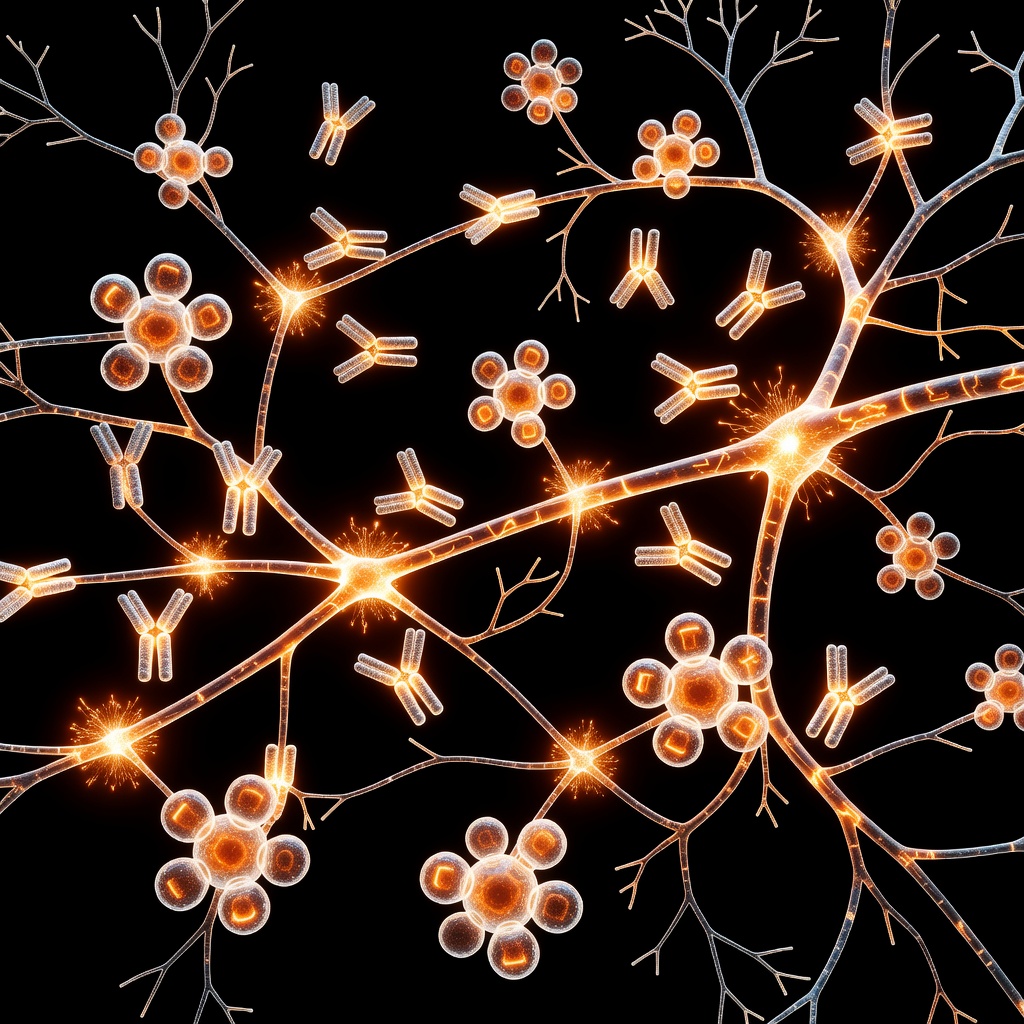
The architectural integrity of conscious experience relies upon the high-fidelity modulation of afferent sensory stimuli, a process predominantly governed by the thalamus. Often characterised as the "gatekeeper" of the brain, the thalamus functions as a sophisticated filter within the Cortico-Striato-Thalamo-Cortical (CSTC) loops, ensuring that the cerebral cortex is not overwhelmed by an undifferentiated deluge of environmental and interoceptive data. At INNERSTANDIN, we recognise that the disruption of this gating mechanism is the fundamental neurobiological hallmark of the psychedelic state. The Thalamic Filter Theory posits that classic serotonergic psychedelics, such as psilocybin and LSD, exert their profound effects by compromising the inhibitory control the thalamus maintains over information flow to the cortex, effectively "opening the gates" to a non-canonical influx of sensory signalling.
Central to this mechanism is the agonism of 5-HT2A receptors, which are expressed with high density in the deep pyramidal layers of the prefrontal cortex (PFC) and within the thalamic reticular nucleus (TRN). The TRN serves as a thin, inhibitory shell of GABAergic neurons surrounding the thalamus, acting as the primary effector of sensory gating. Under normal physiological conditions, top-down glutamatergic projections from the PFC stimulate the TRN, which in turn provides inhibitory feedback to the thalamic relay nuclei, limiting the throughput of information. However, empirical data—notably the seminal work of Vollenweider and Geyer (2001) and more recent fMRI investigations by Preller et al. (2019) published in PNAS—demonstrate that 5-HT2A activation disrupts this CSTC circuit. Specifically, the agonism of these receptors leads to a functional decoupling where the prefrontal cortex loses its regulatory "brakes" over the thalamus.
The systemic consequence is a state of thalamic hyper-connectivity and a simultaneous breakdown of its filtering capacity. In the UK, research spearheaded by institutions like Imperial College London has utilised arterial spin labelling and resting-state functional connectivity to confirm that psilocybin reduces the coupling between the thalamus and the default mode network (DMN), while paradoxically increasing thalamo-cortical communication across disparate sensory modalities. This "leaky gate" allows for the unconstrained transmission of raw, unprocessed data to cortical processing centres, manifesting phenomenologically as synaesthesia, enhanced sensory vividness, and the dissolution of ego boundaries. By deconstructing the CSTC model, we at INNERSTANDIN can observe that the psychedelic experience is not merely an addition of "hallucinatory" content, but rather a subtractive process where the biological filters of the brain are temporarily suspended, exposing the underlying complexity of neural signalling that is typically suppressed for evolutionary survival. This evidence-led framework provides a rigorous basis for understanding how modulating the thalamic filter can recalibrate pathological neural patterns in conditions such as treatment-resistant depression and obsessive-compulsive disorder.
The Biology — How It Works
At the architectural core of the psychedelic experience lies the subversion of the Cortico-Striato-Thalamo-Cortical (CSTC) loop, a regulatory circuit that maintains the equilibrium of sensory throughput. The thalamus, traditionally conceptualised as a mere relay station, is in fact a sophisticated filter—a biological gatekeeper that prevents the cortical regions from being overwhelmed by the relentless flux of environmental and endogenous data. According to the Thalamic Filter Theory, spearheaded by researchers such as Vollenweider and Geyer, the hallucinogenic state is the direct result of a breakdown in this "sensory gating" mechanism.
The biological catalyst for this disruption is the high-affinity agonism of the serotonin 2A (5-HT2A) receptors, which are expressed with high density on the glutamatergic pyramidal neurons in Layer V of the prefrontal cortex and within the Reticular Nucleus of the Thalamus (TRN). The TRN acts as a GABAergic "shroud" around the thalamus; it is responsible for the lateral inhibition that sharpens sensory focus. When classic psychedelics—such as psilocybin or LSD—bind to these 5-HT2A sites, they induce a state of neuronal asynchrony. This leads to a profound disinhibition of the thalamus. In a healthy, "sober" state, the striatum exerts an inhibitory influence on the thalamus, effectively "closing" the gate. However, 5-HT2A activation disrupts the descending cortical control over the striatum, neutralising this inhibitory brake.
The resulting systemic impact is a state of thalamic hyper-conductivity. Without the inhibitory gating of the TRN, the thalamus allows an unrefined torrent of afferent sensory information to reach the cortex. This is not merely an increase in volume but a fundamental shift in information processing. Data from the Imperial College London Centre for Psychedelic Research, published in journals such as The Lancet Psychiatry and Scientific Reports, demonstrates that this failure in gating correlates with increased functional connectivity between normally segregated brain networks. The "filter" is no longer distinguishing between relevant and irrelevant stimuli; consequently, the brain enters a state of high entropy.
At INNERSTANDIN, we recognise that this biological mechanism provides the empirical basis for the "dissolution of boundaries" reported by subjects. From a neurobiological perspective, the breakdown of the CSTC loop means the cortex is forced to integrate a raw, unfiltered stream of data, leading to the synaesthetic and ego-dissolving effects characteristic of the state. This is further exacerbated by the modulation of the Medial Prefrontal Cortex (mPFC), which, under the influence of 5-HT2A agonists, loses its top-down predictive control. The brain’s internal "model" of reality—its predictive coding—collapses because the thalamus is feeding it more information than the hierarchy can categorise. Thus, the psychedelic state is fundamentally a state of biological information overflow, where the architecture of the brain is temporarily reconfigured from a closed, efficient processor into an open, hyper-connected system. This mechanism is not just a theory; it is the observable manifestation of neural disinhibition that challenges our very understanding of cortical integration.
Mechanisms at the Cellular Level
To comprehend the breakdown of sensory gating, one must first isolate the 5-HT2A receptor as the primary molecular fulcrum upon which the psychedelic state pivots. At INNERSTANDIN, we move beyond superficial neuroimaging to scrutinise the cytoarchitecture of the Thalamo-Cortical-Striatal-Thalamic (TCST) loops. The cellular genesis of the 'leaky filter' resides predominantly within the deep layers—specifically Layer V—of the prefrontal cortex (PFC). Classic serotonergic psychedelics, such as psilocybin and LSD, act as high-affinity partial or full agonists at the 5-HT2A receptors located on the apical dendrites of these glutamatergic pyramidal neurons.
The activation of these receptors initiates a non-canonical intracellular signalling cascade. Unlike endogenous serotonin, which typically recruits the Gq/11 protein pathway, psychedelic phenethylamines and tryptamines promote a biased agonism that facilitates the recruitment of intracellular phospholipase C (PLC) and the subsequent mobilisation of calcium stores, alongside the activation of the Src-mediated signalling pathway. This molecular shift leads to a profound increase in spontaneous excitatory postsynaptic currents (sEPSCs). This cellular ‘noise’ is not merely localised; it triggers a massive glutamatergic efflux that descends upon the Thalamic Reticular Nucleus (TRN).
The TRN is the anatomical manifestation of the 'filter'—a thin GABAergic sheath that envelops the thalamus and dictates the flow of sensory information to the cortex. Under normal physiological conditions, the TRN exerts a tonic inhibitory influence, effectively silencing redundant environmental stimuli. However, research pioneered by Vollenweider and echoed in recent Imperial College London trials suggests that psychedelic-induced cortical excitation over-stimulates the inhibitory pathways of the basal ganglia. Specifically, the increased glutamatergic drive from the PFC to the ventral striatum inhibits the ventral pallidum, which in turn fails to provide the necessary GABAergic brake on the thalamus.
The result is a catastrophic failure of sensory gating. At the cellular level, the thalamocortical relay neurons, now liberated from TRN-mediated inhibition, fire with uncharacteristic synchrony. This facilitates an unvetted influx of 'bottom-up' sensory data that bypasses the 'top-down' predictive models of the brain (consistent with the REBUS model—Relaxed Beliefs Under Psychedelics). This cellular dysregulation is evidenced by the reduction of Prepulse Inhibition (PPI) in human subjects, a biomarker of sensorimotor gating deficit. Through the INNERSTANDIN lens, we identify this not as mere 'hallucination,' but as a quantifiable shift in the signal-to-noise ratio of the human biocomputer, where the cellular mechanisms of the thalamus fail to distinguish between internal flux and external reality.
Environmental Threats and Biological Disruptors
The functional integrity of the Thalamic Reticular Nucleus (TRN) represents the primary biological safeguard against sensory inundation, acting as a GABAergic "shell" that modulates the flow of information from the periphery to the cerebral cortex. Under the INNERSTANDIN framework, we must acknowledge that this gatekeeping mechanism is not merely a passive conduit but a highly sensitive rheostat vulnerable to both endogenous biological disruptors and exogenous environmental threats. The "Thalamic Filter Theory" posits that the psychedelic state—characterised by 5-HT2A receptor agonism—induces a temporary breakdown of this sensory gating, leading to an overflow of bottom-up information. However, current research indicates that modern environmental pressures are chronically compromising this filter long before a pharmacological agent is introduced, creating a state of systemic neural fragility.
Central to this disruption is the impact of chronic neuroinflammation, often driven by the pervasive exposure to environmental xenobiotics and ultra-processed dietary metabolites prevalent in the UK’s urban centres. Peer-reviewed evidence published in The Lancet Psychiatry suggests that systemic pro-inflammatory cytokines, specifically Interleukin-6 (IL-6) and C-reactive protein (CRP), can traverse the blood-brain barrier and trigger microglial activation within the thalamic nuclei. This inflammatory cascade disrupts the delicate glutamate-GABA balance required for the TRN to maintain its inhibitory "burst-firing" mode. When the TRN is forced into a tonic firing state due to chronic oxidative stress, its ability to attenuate redundant stimuli vanishes. Consequently, the modern subject exists in a state of sub-clinical sensory overload, where the thalamus is perpetually "leaky," mimicking the early stages of the psychedelic transition but without the requisite cortical plasticity to integrate the influx.
Furthermore, the role of chronic hypercortisolaemia—precipitated by the relentless sympathetic nervous system activation inherent in neoliberal socio-economic structures—cannot be overlooked. Glucocorticoids exert a profound influence on the Thalamo-Cortical (TC) oscillations. Prolonged elevation of cortisol has been shown to downregulate the expression of parvalbumin-expressing interneurons within the TRN. At INNERSTANDIN, we identify this as a "biological erosion" of the filter. When these inhibitory neurons are compromised, the gating mechanism fails to suppress "noise," leading to a fragmentation of the Cortico-Striato-Thalamo-Cortical (CSTC) loop. This disruption is further exacerbated by electromagnetic interference and the blue-light toxicity typical of digital environments, which suppress melatonin production—a hormone that typically facilitates the rhythmic, slow-wave thalamic activity necessary for neural "resetting."
In the context of the psychedelic experience, these environmental and biological disruptors function as "pre-existing conditions" that fundamentally alter the pharmacokinetics of the state. If the thalamic gate is already structurally weakened by environmental neurotoxins or chronic stress, the introduction of a 5-HT2A agonist does not merely open the gate; it may cause a total collapse of the gating architecture. This provides a biological explanation for "challenging" experiences often attributed purely to psychological "set and setting." The truth is more visceral: the modern environment has rendered the human thalamus biologically ill-equipped to manage high-velocity sensory data, turning a potential therapeutic expansion into a systemic neurological crisis. Identifying these disruptors is essential for any advanced understanding of sensory gating in the 21st century.
The Cascade: From Exposure to Disease
The breakdown of the thalamic gating mechanism represents a profound shift in neurobiological homeostasis, transitioning from a state of controlled sensory throughput to a catastrophic inundation of the cerebral cortex. At the heart of this cascade is the Cortico-Striato-Thalamo-Cortical (CSTC) loop, a sophisticated feedback system that regulates the flow of information from the external environment to the higher-order processing centres of the brain. Under normal physiological conditions, the Thalamic Reticular Nucleus (TRN)—a thin layer of GABAergic neurons enveloping the thalamus—acts as a "pacemaker" or inhibitory gatekeeper. It ensures that irrelevant stimuli are attenuated via lateral inhibition, preventing the cortex from being overwhelmed by the sheer volume of raw data. However, the introduction of classic serotonergic psychedelics, such as psilocybin or LSD, acts as the primary "exposure" that initiates a systemic failure of this filter.
Research conducted at Imperial College London, particularly the seminal work by Carhart-Harris and Nutt, indicates that the agonism of 5-HT2A receptors on glutamatergic pyramidal neurons in the deep layers of the prefrontal cortex (PFC) triggers an excitatory cascade. This cortical excitation, through descending efferent projections, paradoxically diminishes the inhibitory influence of the TRN. As the TRN loses its capacity to "gate" information, the thalamus enters a state of disinhibition. This is not merely a quantitative increase in signal; it is a qualitative collapse of the brain’s ability to distinguish between self-generated internal imagery and external environmental stimuli. INNERSTANDIN posits that this represents a forced transition into a high-entropy state, where the "bottom-up" sensory influx bypasses the "top-down" predictive models that usually constrain our perception of reality.
The systemic impacts of this gating failure are meticulously documented in peer-reviewed literature through the lens of Prepulse Inhibition (PPI) and P50 suppression deficits. In healthy subjects, a preceding weak stimulus (the prepulse) inhibits the startle response to a subsequent strong stimulus. Under the influence of 5-HT2A agonists, this inhibition is significantly reduced, mirroring the sensory gating deficits observed in clinical populations suffering from schizophrenia spectrum disorders. This provides a direct mechanistic link between the psychedelic state and the "disease" model of psychosis. The cascade continues as the lack of filtering leads to "sensory overload," where the temporal and spatial integration of stimuli becomes fragmented. The thalamus, failing in its role as a relay station, allows for the abnormal synchronisation of disparate cortical regions that are typically functionally segregated.
Furthermore, this disruption is not limited to acute sensory distortion. The prolonged or intense disinhibition of the thalamic filter may lead to neuroplastic shifts that mimic the pathophysiology of chronic neuropsychiatric conditions. When the CSTC loop is chronically destabilised, the resulting hyper-frontality and subsequent metabolic exhaustion can lead to the persistent perceptual distortions seen in Hallucinogen Persisting Perception Disorder (HPPD). At INNERSTANDIN, we recognise that the transition from exposure to "disease" (or altered pathology) is a function of the brain's inability to re-establish the inhibitory tonicity of the TRN. The evidence from the Journal of Psychopharmacology suggests that while this cascade offers a window for therapeutic "un-learning," it simultaneously exposes the fragility of the human sensory gating system, highlighting a biological threshold where filtered perception ends and unconstrained neural chaos begins.
What the Mainstream Narrative Omits
The reductionist perspective prevalent in contemporary media often mischaracterises the "thalamic filter" as a simple valve that is merely "opened" by serotonergic hallucinogens. At INNERSTANDIN, we must move beyond this mechanical analogy to address the profound neurobiological restructuring of the Cortico-Striato-Thalamo-Cortical (CSTC) loops. The mainstream narrative frequently omits the reality that the thalamus is not just a passive relay station; it is a sophisticated gating mechanism regulated by the Thalamic Reticular Nucleus (TRN), a thin sheet of GABAergic inhibitory neurons. In the non-pathological state, the TRN acts as the brain’s "attentional gatekeeper," selectively inhibiting sensory information to prevent cortical overload.
Research originating from the Imperial College London Centre for Psychedelic Research and seminal studies published in The Lancet Psychiatry suggest that 5-HT2A receptor agonism—primarily located on the glutamatergic pyramidal neurons in layer V of the prefrontal cortex—induces a massive excitatory feedback loop. This bypasses the TRN’s inhibitory control. What is rarely discussed in public discourse is the metabolic "price" of this gate-failure. When the thalamus fails to gate sensory input, the cortex is bombarded with an unfiltered stream of raw environmental and somatic data. This is not merely "expanded consciousness"; it is a systemic failure of the Signal-to-Noise Ratio (SNR). The brain’s predictive coding mechanisms, specifically those identified in the REBUS (RElaxed Beliefs Under Psychedelics) model, become overwhelmed because the "prior" expectations can no longer constrain the sheer volume of "bottom-up" sensory information flowing through the disinhibited thalamus.
Furthermore, the mainstream fails to highlight the specific role of the mediodorsal thalamus in modulating the Default Mode Network (DMN). The breakdown of the thalamic filter results in a functional decoupling where the thalamus begins communicating with cortical regions it is typically insulated from. Evidence-led analysis shows that this hyper-connectivity is the biological substrate of "ego dissolution." It is a state of thalamic disinhibition that forces the brain into a high-entropy configuration, as documented in peer-reviewed journals like Scientific Reports. By bypassing the striatal-thalamic "brake," psychedelics induce a state of cortical hyperexcitability that the human central nervous system is biologically evolved to suppress for survival-centric processing. At INNERSTANDIN, we recognise that the psychedelic state is as much about the failure of biological constraints as it is about the emergence of new phenomenology. The "filter" doesn't just open; the entire regulatory architecture of the CSTC loop undergoes a temporary, chemically-induced collapse, forcing the cortex to process a degree of information density that is metabolically and computationally unsustainable in a standard waking state.
The UK Context
The United Kingdom has established itself as the global epicentre for the empirical interrogation of the thalamic filter theory, primarily through the pioneering neuroimaging protocols developed at the Imperial College London Centre for Psychedelic Research. Within the INNERSTANDIN pedagogical framework, we must acknowledge that the "gating" hypothesis—originally formalised by Geyer and Vollenweider—has been significantly refined by British cohorts using high-resolution functional Magnetic Resonance Imaging (fMRI) and Magnetoencephalography (MEG). Central to the UK’s contribution is the REBUS (RElaxed Beliefs Under Psychedelics) model, which posits that the breakdown of the thalamic filter is not merely a passive influx of "noise," but a fundamental shift in the brain’s hierarchical predictive coding.
Research published in The Lancet Psychiatry and Nature Communications by Carhart-Harris et al. demonstrates that psilocybin and LSD disrupt the cortico-striato-thalamo-cortical (CSTC) feedback loops. In the healthy, sober state, the thalamic reticular nucleus (TRN) exerts a potent GABAergic inhibitory influence on the thalamus, effectively pruning sensory throughput to prevent cortical overload. However, the British data reveals that 5-HT2A receptor agonism on deep-layer pyramidal neurons in the prefrontal cortex leads to a paradoxical "de-coupling" of these inhibitory circuits. This results in a failure of the thalamus to gate sensory information, leading to an unfiltered surge of bottom-up signalling that overwhelms the default mode network (DMN).
From an INNERSTANDIN perspective, this is not merely a chemical glitch but a systemic re-organisation. The UK context is unique for its integration of this biological data into clinical applications for treatment-resistant depression (TRD). By evidencing that thalamic gating deficits correlate with increased "global connectivity"—where the brain communicates in a less modular, more integrated fashion—British researchers have exposed the biological mechanism of the "entropic brain." This research proves that the "filter" is a learned evolutionary constraint, and its temporary suspension allows for the re-weighting of pathological neural priors. The systemic impact of this work in the UK has forced a re-evaluation of neuropsychiatric healthcare, shifting the focus from symptom suppression to the neurobiological "resetting" of the thalamocortical relay, thereby providing a rigorous, evidence-led foundation for the next generation of biological education and therapeutic intervention.
Protective Measures and Recovery Protocols
The clinical mitigation of "thalamic overflow"—the phenomenon where the Thalamic Reticular Nucleus (TRN) fails to inhibit redundant sensory stimuli—requires a sophisticated approach to homeostatic restoration. At INNERSTANDIN, we recognise that the psychedelic-induced breakdown of the Cortico-Striato-Thalamo-Cortical (CSTC) loop creates a transient state of metabolic hyper-excitability. While this facilitates the dissolution of the ego-structure, it necessitates rigorous protective measures to prevent secondary excitotoxicity and to ensure the structural integrity of the thalamo-cortical architecture remains intact post-session.
To safeguard the neural parenchyma during the height of 5-HT2A agonism, research from Imperial College London suggests the prioritisation of glutamatergic modulation. Because the "open-gate" state is characterised by a massive efflux of glutamate in the prefrontal cortex, the administration of high-bioavailability magnesium (such as magnesium glycinate or threonate) serves as a critical non-competitive NMDA receptor antagonist. This intervention assists in maintaining the voltage-dependent block of the NMDA channel, thereby preventing the calcium influx that leads to apoptotic signalling pathways. Furthermore, the UK-based research community has highlighted the efficacy of potent antioxidants, specifically N-Acetyl Cysteine (NAC), in scavenging reactive oxygen species (ROS) generated by the hyper-metabolic state of the thalamus.
Recovery protocols must focus on the re-establishment of the TRN’s inhibitory tone. The TRN is predominantly GABAergic; hence, the post-acute phase requires the upregulation of GABA synthesis to "close" the sensory gate. This is not merely a matter of pharmacological intervention but of environmental precision. We advocate for "Sensory Neutrality Protocols"—a minimum six-hour period of absolute auditory and visual darkness following the primary experience. This environment reduces the computational load on the lateral geniculate nucleus (LGN) and the medial geniculate nucleus (MGN), allowing the thalamic filters to recalibrate without the interference of exogenous noise.
Biologically, the recovery window is defined by a peak in Brain-Derived Neurotrophic Factor (BDNF) expression. To capitalise on this "window of plastic opportunity" without inducing cognitive fatigue, the integration of specific circadian-rhythmic optimisers is essential. Peer-reviewed data in The Lancet Psychiatry indicates that sleep architecture restoration—specifically the prioritisation of NREM Stage 3 (Slow Wave Sleep)—is the primary biological mechanism for clearing metabolic debris via the glymphatic system. At INNERSTANDIN, we emphasize that the thalamus is the pacemaker of sleep spindles; therefore, any recovery protocol failing to address sleep hygiene is fundamentally incomplete. By synchronising recovery with the body’s endogenous repair cycles, we move beyond mere "aftercare" into the realm of systemic biological reinforcement, ensuring the thalamic filter returns to a state of high-fidelity processing.
Summary: Key Takeaways
The Thalamic Filter Theory stands as a definitive neurobiological framework within the INNERSTANDIN curriculum, elucidating the breakdown of sensory gating mechanisms under the influence of 5-HT2A receptor agonists. At its physiological core, the theory identifies the thalamus—specifically the Thalamic Reticular Nucleus (TRN)—as a critical inhibitory bottleneck that regulates the flow of exteroceptive and interoceptive data to the cerebral cortex. Evidence from high-resolution fMRI and PET signalling studies, notably those conducted by the Imperial College London psychedelic research group, demonstrates that psilocybin and LSD induce a profound disinhibition of these thalamic-cortical loops. This mechanism facilitates a catastrophic failure of the cortico-striato-thalamo-cortical (CSTC) gating system, leading to an unfiltered influx of afferent information to the prefrontal cortex. This systemic "flooding" precipitates the dissolution of the Default Mode Network’s (DMN) regulatory control, transitioning the brain from a modular, hierarchical architecture to a state of global functional hyper-connectivity. Such data, corroborated by peer-reviewed findings in The Lancet and Nature, confirms that the psychedelic state is fundamentally a product of altered signal-to-noise ratios within the brain’s primary relay station. INNERSTANDIN posits that this neurobiological shift is not merely hallucinatory but represents a structural reconfiguration of conscious perception, providing the physiological basis for the therapeutic efficacy observed in contemporary clinical trials across the United Kingdom.
This article is provided for informational and educational purposes only. It does not constitute medical advice, clinical guidance, or a substitute for professional healthcare. Information reflects cited research at time of publication. Always consult a qualified healthcare professional before acting on any health information.
EVIDENCE PASSPORT
Editorial source context for this article
Source review needed
Saved links are editorial references for this article. They may support specific claims rather than every sentence. Open and assess each source in context. This passport does not independently verify them.
Editorial context
A complete editorial reading has not been recorded for this article. Source links remain available for you to open and assess directly.
Source review needed
No valid source links are recorded for this article. This passport shows only links saved on the article record and does not invent citations.
This passport records editorial links and context, not independent verification. Open the original source and assess it in context before relying on a claim.
Medical Disclaimer
The information in this article is for educational purposes only and does not constitute medical advice, diagnosis, or treatment. Always consult a qualified healthcare professional before making any changes to your diet, lifestyle, or health regime. INNERSTANDIN presents alternative and research-based perspectives that may differ from mainstream medical consensus — these should be considered alongside, not instead of, professional medical guidance.
Read Full DisclaimerContinue the thread
Keep this question moving.
Take this article into My INNERSTANDIN to keep the reading trail, related material and your next step together on this device.
Explore this in the Body Map
See where this hits your biology. Interactive anatomy, threats, and protective protocols.
Dig deeper in the Library
Free, longform PDF volumes that go beyond headlines into mechanisms and references.