
Acetylation Polymorphisms: Genetic Variation in Toxin Processing
Updated May 2026
Acetylation is a major metabolic pathway for many environmental toxins and drugs. Variations in 'fast' versus 'slow' acetylators determine how individuals in the UK react to chemical exposures.
Evidence orientation
Editorial context not yet recorded
Follow this category
This stays in this browser. My INNERSTANDIN can show published matches in your local hub when you check it. It does not send email, push, or alert notifications.
Local learning review
A private browser aid for revisiting ideas. It is not an alert or a health recommendation.
Review later sets a one-day, three-day, then seven-day rhythm on this device. Choose it only when you want to revisit this article.
Overview
In the modern landscape of environmental toxicology, we are often led to believe that "the dose makes the poison." This reductionist view, championed by regulatory bodies and industrial interests, suggests that as long as chemical exposures remain below an arbitrary threshold, the human organism remains unscathed. However, this narrative fails to account for the profound reality of biochemical individuality. At the heart of this individuality lies Acetylation, a critical Phase II biotransformation pathway that serves as a primary gatekeeper between environmental chemical assault and cellular integrity.
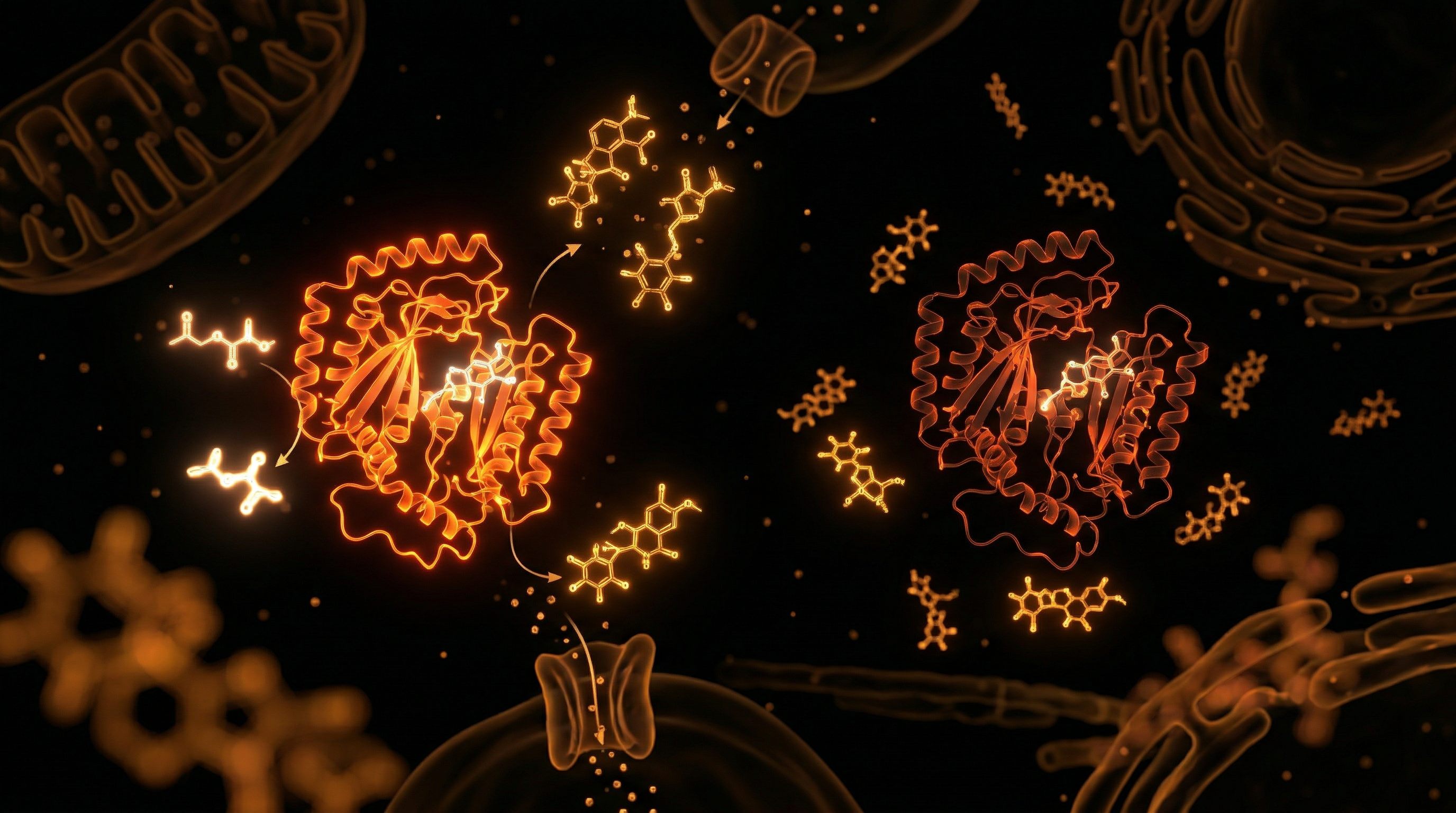
Acetylation is the process by which the body attaches an acetyl group to a foreign molecule (xenobiotic) or an endogenous substance to facilitate its neutralisation and excretion. This process is governed primarily by the N-acetyltransferase (NAT) family of enzymes. Crucially, the genes coding for these enzymes are highly polymorphic, meaning they vary significantly across the human population. These genetic variations divide the citizenry into "Fast," "Intermediate," and "Slow" acetylators.
For a "Slow Acetylator," a "safe" dose of a common medication or an environmental pollutant can become a lingering, mutagenic poison. In the United Kingdom, where industrial history and modern chemical saturation converge, understanding these polymorphisms is not merely a matter of academic interest—it is a matter of survival. This article explores the hidden mechanics of acetylation, the catastrophic consequences of its failure, and the institutional silence surrounding the genetic lottery of detoxification.
Approximately 50% of the Caucasian population in the UK and Europe are classified as "Slow Acetylators," a genetic predisposition that significantly increases their risk of drug toxicity and environmentally-induced cancers.
The Biology — How It Works
To understand acetylation, one must first view the liver not just as an organ, but as a complex chemical processing plant. Biotransformation generally occurs in two stages: Phase I (Modification) and Phase II (Conjugation).
The Phase II Gateway
While Phase I (governed by the Cytochrome P450 system) often makes toxins more reactive and potentially more dangerous, Phase II is intended to be the "clinch" move. It involves attaching a large or polar molecule to the toxin to make it water-soluble and inert. Acetylation is a major component of this Phase II arsenal.
The Role of N-Acetyltransferase (NAT)
The heavy lifting of acetylation is performed by two primary enzymes:
- NAT1: Found in almost all tissues in the body, including the lungs and gut.
- NAT2: Primarily expressed in the liver and the intestinal tract.
The process involves the transfer of an acetyl group from Acetyl-Coenzyme A (Acetyl-CoA) to the substrate molecule. This substrate might be a pharmaceutical drug, an environmental pollutant like an aromatic amine, or a byproduct of high-temperature cooking.
The Genetic Polymorphism: Fast vs. Slow
The NAT2 gene is one of the most well-studied examples of pharmacogenetics. Through evolutionary history, various mutations (Single Nucleotide Polymorphisms or SNPs) have emerged.
- Fast Acetylators: Possess two "wild-type" or high-activity alleles. They process drugs and toxins rapidly, often requiring higher doses of medications to achieve an effect, but clearing environmental toxins quickly.
- Slow Acetylators: Possess two low-activity alleles. In these individuals, the NAT2 enzyme is either produced in low quantities or is structurally unstable. Consequently, toxins linger in the bloodstream for extended periods, causing systemic inflammation and DNA damage.
- Intermediate Acetylators: Possess one of each, falling somewhere in the middle of the spectrum.
Mechanisms at the Cellular Level
At the molecular level, acetylation determines whether a chemical becomes a harmless waste product or a lethal adduct—a piece of DNA bonded to a cancer-causing chemical.
N-Acetylation vs. O-Acetylation
The complexity of NAT enzymes lies in their dual nature. They can perform N-acetylation (usually a detoxification step) or O-acetylation (often an activation step).
- In the liver, NAT2 typically performs N-acetylation, rendering aromatic amines harmless.
- However, if these chemicals reach other tissues, NAT1 or NAT2 can perform O-acetylation, which transforms the chemical into a highly reactive acetoxy ester.
These esters are unstable and spontaneously break down into nitrenium ions. These ions are "electrophilic" predators; they crave electrons and will rip them from the nearest source—usually the nitrogen bases of your DNA.
The Competition for Substrates
The danger for a "Slow Acetylator" is twofold. First, the primary detoxification route (N-acetylation) is sluggish. Second, because the toxin is not cleared, it becomes a substrate for other enzymes, such as CYP1A2, which oxidises the molecule into an even more potent carcinogen. This "metabolic shunting" creates a perfect storm where the body's attempts to heal itself actually accelerate its destruction.
Mitochondrial Impact
Acetylation is also vital for the health of the mitochondria, the energy-producing powerhouses of the cell. Acetyl-CoA is a central hub in the Krebs cycle. When the acetylation pathway is overwhelmed by external toxins, the pool of available Acetyl-CoA can be depleted, leading to mitochondrial dysfunction, chronic fatigue, and the "brain fog" so prevalent in modern society.
Research indicates that NAT2 slow acetylators have a significantly higher rate of DNA adduct formation in bladder tissue when exposed to tobacco smoke or industrial chemicals compared to fast acetylators.
Environmental Threats and Biological Disruptors
We live in an era of "chemical ubiquity." For the slow acetylator, the world is a minefield of substances that the body simply cannot process efficiently.
Aromatic Amines
These are perhaps the most significant threat to those with acetylation polymorphisms. Found in:
- Industrial Dyes and Pigments: Used in textiles, plastics, and printing inks.
- Tobacco Smoke: Containing 2-naphthylamine and 4-aminobiphenyl.
- Pesticides: Many modern fungicides and herbicides contain amine structures that require acetylation.
Heterocyclic Amines (HCAs)
When muscle meats (beef, pork, poultry, fish) are cooked at high temperatures (grilling, frying, barbecuing), Heterocyclic Amines are formed. For a fast acetylator, these are a minor nuisance. For a slow acetylator, particularly those who are also "Fast Oxidizers" (high CYP1A2 activity), these HCAs are rapidly converted into mutagens that target the colon and prostate.
Hydrazines
Hydrazines are found in certain medications (like the tuberculosis drug Isoniazid) but also in environmental sources, including some species of mushrooms and industrial rocket fuels. The failure to acetylate hydrazines leads to profound neurotoxicity and the depletion of Vitamin B6.
Environmental "Dark Matter"
There are thousands of synthetic chemicals currently in use in the UK for which the metabolic pathway is not fully understood. However, because of their molecular structure, many are suspected to rely on NAT enzymes. This includes certain phthalates and plasticisers that disrupt the endocrine system.
The Cascade: From Exposure to Disease
When the acetylation pathway fails, the resulting biological cascade is predictable, yet devastating.
1. Bladder Cancer: The Classic Link
The association between NAT2 slow acetylation and Urinary Bladder Cancer (UBC) is one of the most robust findings in genetic epidemiology. Because the kidneys concentrate toxins for excretion, the bladder lining is exposed to high levels of un-acetylated aromatic amines. In slow acetylators, these toxins remain in their "active," DNA-damaging state, leading to malignant transformations in the urothelium.
2. Drug-Induced Lupus Erythematosus (DILE)
Certain medications—Hydralazine (for blood pressure), Procainamide (for heart rhythm), and Isoniazid (for TB)—are known to cause a lupus-like autoimmune syndrome. This occurs almost exclusively in slow acetylators. The un-metabolised drug binds to proteins in the blood, creating "neo-antigens" that the immune system perceives as foreign, triggering a systemic autoimmune attack.
3. Neurodegenerative Diseases
Emerging evidence suggests a link between acetylation polymorphisms and Parkinson’s Disease. The failure to neutralise neurotoxic pesticides and endogenous metabolites leads to increased oxidative stress in the substantia nigra. Furthermore, the acetylation of alpha-synuclein (a protein involved in Parkinson's) is a critical step in preventing its misfolding; disruptions in the wider acetyl-cycle may exacerbate this process.
4. Atopy and Asthma
Slow acetylators are more prone to developing sensitivities to environmental pollutants. In the UK's urban centres, where nitrogen dioxide and particulate matter levels are high, individuals with NAT polymorphisms exhibit higher rates of bronchial hyper-reactivity and "unexplained" skin rashes.
What the Mainstream Narrative Omits
The "official" stance on toxicology is built upon the "Average Man"—a hypothetical construct that does not exist. By ignoring acetylation polymorphisms, the medical and regulatory establishment commits several sins of omission.
The Myth of the Standard Dose
Pharmaceutical guidelines in the UK (the BNF) rarely mandate NAT2 testing before prescribing drugs known to be metabolised by acetylation. This results in "prescribed poisoning," where a standard dose leads to severe side effects in 50% of the population. The industry views these as "unfortunate side effects" rather than predictable genetic reactions.
Regulatory Failure and "Safe" Limits
The Health and Safety Executive (HSE) and other bodies set Work Exposure Limits (WELs) based on what the "average" worker can tolerate. This provides zero protection for the slow acetylator working in the printing, textile, or chemical industries. By ignoring genetic susceptibility, these agencies allow corporations to expose vulnerable individuals to levels of toxins that are, for them, effectively lethal.
The Silencing of Ethnic Disparity
Acetylation rates vary wildly across ethnic groups. For instance, while 50% of Northern Europeans are slow acetylators, the figure rises to nearly 90% in some Middle Eastern populations and drops to less than 20% in Japanese populations. By insisting on a "one size fits all" approach to public health and environmental safety, the mainstream narrative ignores the disparate impact of pollution on different communities.
The "Total Toxic Burden" Ignored
Mainstream science prefers to study chemicals in isolation. However, the NAT enzymes are finite resources. If a slow acetylator is exposed to tobacco smoke, charred meat, and industrial air pollution simultaneously, their system hits a "saturation point." The mainstream narrative refuses to acknowledge the cumulative synergistic effect of multiple low-level exposures on a compromised genetic pathway.
The UK Context
The United Kingdom presents a unique "perfect storm" for those with acetylation polymorphisms.
Industrial Legacy
The UK was the cradle of the Industrial Revolution. Regions like West Yorkshire and Lancashire were hubs for the textile and dye industries for two centuries. The soil and groundwater in these areas remain contaminated with legacy aromatic amines. For a population where 50% are slow acetylators, this industrial hangover continues to manifest in higher-than-average cancer clusters.
The British Diet
The UK has one of the highest consumptions of ultra-processed foods and "ready-to-eat" grilled meats in Europe. The prevalence of "Sunday Roasts" and "Summer BBQs," while culturally significant, represents a major source of Heterocyclic Amine exposure. Without adequate NAT2 activity, these dietary habits are a direct driver of the UK’s high rates of colorectal cancer.
Air Quality and Urban Density
In cities like London, Birmingham, and Manchester, the concentration of traffic-related pollutants is a constant stressor. Modern diesel engines emit nitro-arenes, which require acetylation for detoxification. The "Slow Acetylator" in a British city is effectively living in a state of permanent metabolic crisis.
The NHS Postcode Lottery of Testing
Despite the clear science, the NHS does not routinely offer NAT2 genotyping. A patient in the UK is more likely to be treated for the symptoms of toxicity (chronic fatigue, autoimmune issues, cancer) than to have the root cause (genetic detox failure) identified. This is a systemic failure of preventative medicine.
Protective Measures and Recovery Protocols
If you suspect you are a slow acetylator—or if you simply wish to protect your DNA in an increasingly toxic world—you must take proactive, "Innerstanding" steps to bypass or support this pathway.
1. Epigenetic Support and Nutrition
While you cannot change your NAT2 genes, you can influence enzyme expression and provide the necessary co-factors.
- Cruciferous Vegetables: Broccoli, kale, and Brussels sprouts contain Sulforaphane, which induces Phase II enzymes. However, be cautious: some studies suggest that in specific NAT2 contexts, over-induction of Phase I without adequate Phase II can be counterproductive. Balance is key.
- Vitamin B5 (Pantothenic Acid): This is the direct precursor to Acetyl-CoA. Supplementation ensures the "fuel" for the acetylation reaction is always available.
- Garlic and Onions: Rich in organosulphur compounds, these support the overall sulphuration and acetylation pathways.
2. Dietary Modification
- Avoid the "Char": Stop eating blackened or heavily grilled meats. If you do grill, marinate the meat in lemon juice, olive oil, and antioxidant-rich herbs (rosemary, thyme) first, which has been shown to reduce HCA formation by up to 90%.
- Organic Preference: Minimise exposure to amine-based pesticides by choosing organic produce, particularly for the "Dirty Dozen."
3. Targeted Supplementation
- Acetyl-L-Carnitine (ALCAR): Helps shuttle acetyl groups into the mitochondria, supporting both energy production and the acetylation pool.
- Alpha-Lipoic Acid (ALA): A master antioxidant that helps recycle other antioxidants and protects the liver from the oxidative stress caused by "metabolic shunting."
- N-Acetyl Cysteine (NAC): While primarily a precursor to glutathione, NAC provides a source of acetyl groups and sulphur, aiding the wider Phase II network.
4. Lifestyle and Filtration
- Water Filtration: Use high-quality carbon block and reverse osmosis filters to remove industrial dyes and pharmaceutical residues from UK tap water.
- Air Purification: In urban UK environments, HEPA and activated carbon air filters are essential to remove nitro-arenes and VOCs from the home.
- Avoid Tobacco: This is non-negotiable for a slow acetylator. The aromatic amines in tobacco are the "smoking gun" for bladder cancer in this genetic group.
5. Genetic Testing
Seek out private functional medicine testing (such as DNA health panels) that specifically look at the NAT1 and NAT2 SNPs. Knowing your status changes your relationship with the world; it turns a "mysterious sensitivity" into a manageable biological reality.
Summary: Key Takeaways
The revelation of acetylation polymorphisms shatters the illusion of environmental safety and pharmaceutical universality. It exposes a world where half the population is genetically ill-equipped to handle the chemical burden of modern life.
- Acetylation is a vital Phase II detox pathway that neutralises aromatic amines, hydrazines, and heterocyclic amines.
- NAT2 polymorphisms divide the population into fast and slow acetylators. In the UK, 50% are slow acetylators, putting them at high risk.
- Slow acetylation is linked to bladder cancer, colorectal cancer, autoimmune diseases (DILE), and neurodegeneration.
- Mainstream regulatory bodies ignore this variation, setting "safe" exposure limits that are only safe for the genetically lucky.
- The UK's industrial past and modern urban density make this a critical local issue.
- Protection is possible through targeted nutrition (B5, Sulforaphane), dietary changes (avoiding charred meats), and environmental filtration.
To have an "Innerstanding" of your biology is to reclaim power from a system that views you as a statistic. By recognising the constraints of your genetic "software," you can modify your "hardware" and environment to thrive in an age of toxicity. The era of the "standard dose" is over; the era of personalised, biologically-aware survival has begun.
This article is provided for informational and educational purposes only. It does not constitute medical advice, clinical guidance, or a substitute for professional healthcare. Information reflects cited research at time of publication. Always consult a qualified healthcare professional before acting on any health information.
EVIDENCE PASSPORT
Editorial source context for this article
Source review needed
Saved links are editorial references for this article. They may support specific claims rather than every sentence. Open and assess each source in context. This passport does not independently verify them.
Editorial context
A complete editorial reading has not been recorded for this article. Source links remain available for you to open and assess directly.
Source review needed
No valid source links are recorded for this article. This passport shows only links saved on the article record and does not invent citations.
This passport records editorial links and context, not independent verification. Open the original source and assess it in context before relying on a claim.
Medical Disclaimer
The information in this article is for educational purposes only and does not constitute medical advice, diagnosis, or treatment. Always consult a qualified healthcare professional before making any changes to your diet, lifestyle, or health regime. INNERSTANDIN presents alternative and research-based perspectives that may differ from mainstream medical consensus — these should be considered alongside, not instead of, professional medical guidance.
Read Full DisclaimerContinue the thread
Keep this question moving.
Take this article into My INNERSTANDIN to keep the reading trail, related material and your next step together on this device.
Explore this in the Body Map
See where this hits your biology. Interactive anatomy, threats, and protective protocols.
Dig deeper in the Library
Free, longform PDF volumes that go beyond headlines into mechanisms and references.