
Aflatoxins and Mycotoxins in the British Diet: Identifying Hidden Risks
Updated May 2026
While usually associated with tropical climates, certain mycotoxins frequently contaminate grains, nuts, and coffee in the UK market. Understanding how these heat-stable toxins survive processing is vital for long-term liver health.
Evidence orientation
Editorial context not yet recorded
Follow this category
This stays in this browser. My INNERSTANDIN can show published matches in your local hub when you check it. It does not send email, push, or alert notifications.
Local learning review
A private browser aid for revisiting ideas. It is not an alert or a health recommendation.
Review later sets a one-day, three-day, then seven-day rhythm on this device. Choose it only when you want to revisit this article.
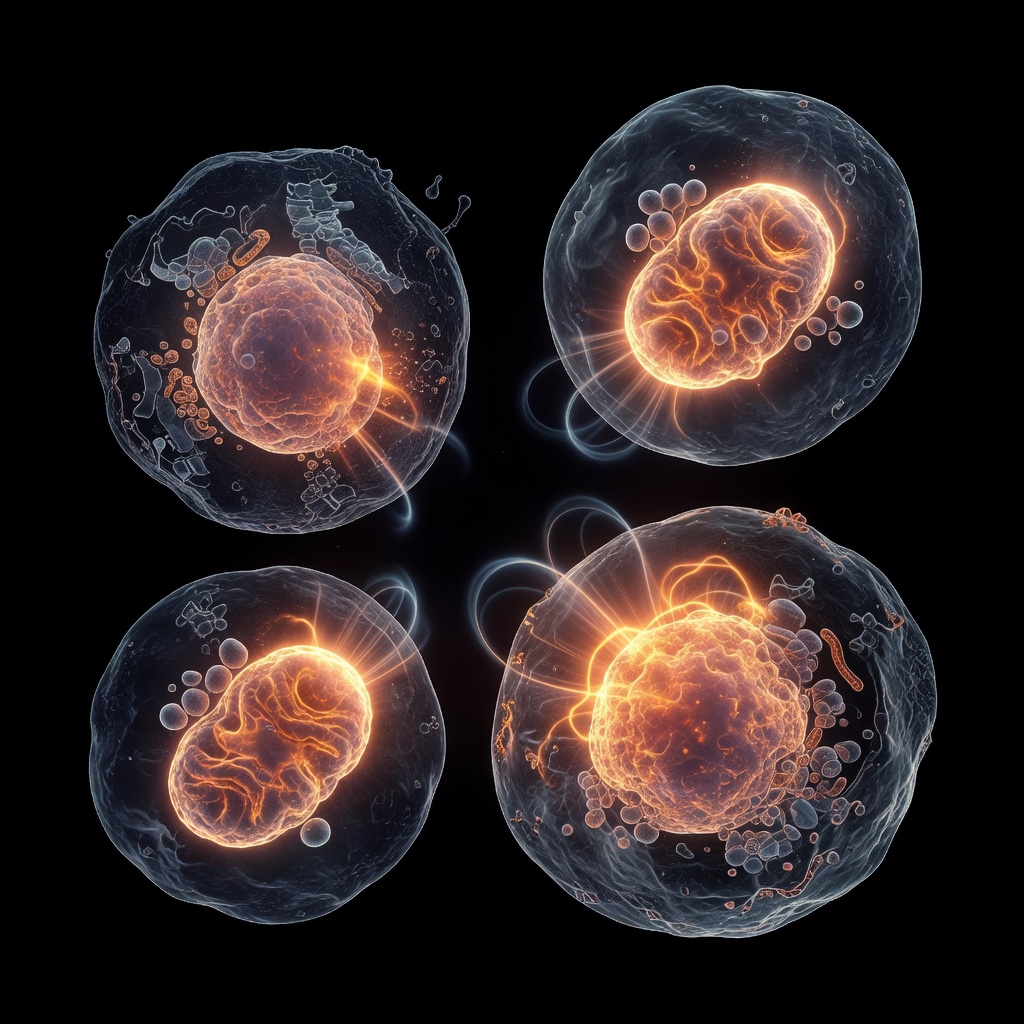
When we think of mould, we often picture fuzzy growth on a loaf of bread, but the most dangerous fungal threats are often invisible and tasteless. Mycotoxins are secondary metabolites produced by microfungi that are capable of causing disease and death in humans. While the UK has strict food safety standards, the global nature of our food supply means that mycotoxins like aflatoxin, ochratoxin A, and deoxynivalenol (DON) are regular, albeit low-level, participants in our diet. These compounds are notoriously stable; they survive the high heat of baking, roasting, and pasteurisation, meaning that once a crop is contaminated in the field or during storage, the toxins remain all the way to the dinner table. ## The Liver Burden of Aflatoxin and Ochratoxin. Aflatoxins, primarily produced by Aspergillus species, are among the most potent naturally occurring carcinogens known to man.
They primarily target the liver, where they can interfere with DNA replication and lead to hepatocellular carcinoma over long periods of exposure. In the UK, monitoring focuses heavily on imported nuts, dried fruits, and spices. Ochratoxin A (OTA) is another significant concern, frequently found in cereals, coffee, and even wine. Unlike aflatoxin, OTA is a potent nephrotoxin, meaning it targets the kidneys. It inhibits protein synthesis and induces oxidative stress.
For the health-conscious individual, the cumulative effect of these low-level exposures can contribute to what is known as 'total toxic load,' potentially exacerbating other inflammatory conditions or hormonal imbalances. ## Mycotoxins in Grains and Modern Agriculture. The prevalence of mycotoxins in the British diet is closely linked to agricultural practices and climate change. Wet harvests in the UK often lead to higher levels of Fusarium moulds in wheat and barley, which produce toxins like DON, also known as 'vomitoxin' due to its acute effect on the digestive system. While acute poisoning is rare, chronic low-dose ingestion is linked to immune suppression and impaired gut permeability. The modern reliance on large-scale grain storage creates microclimates where fungi can thrive if moisture levels are not perfectly controlled.
This makes the consumption of organic, freshly milled, or properly stored grains a point of consideration for those looking to minimise fungal exposure. Furthermore, livestock fed on contaminated grain can pass these toxins into meat and dairy products, adding another layer to the exposure chain. ## What You Can Do: Dietary Defence. Minimising mycotoxin exposure requires a proactive approach to food selection and storage. Firstly, prioritise quality over quantity when it comes to high-risk foods like coffee, nuts (especially peanuts and pistachios), and grains. Look for brands that actively test for mycotoxins.
Secondly, support your body's natural detoxification systems. Chlorophyll-rich foods like spinach and coriander have been shown in studies to bind to aflatoxins in the gut, reducing their absorption. Maintaining a healthy gut microbiome is also crucial, as certain beneficial bacteria can actually degrade mycotoxins before they enter the bloodstream. Finally, store your own dry goods in airtight containers in a cool, dry place to prevent domestic mould growth from adding to the problem.
This article is provided for informational and educational purposes only. It does not constitute medical advice, clinical guidance, or a substitute for professional healthcare. Information reflects cited research at time of publication. Always consult a qualified healthcare professional before acting on any health information.
EVIDENCE PASSPORT
Editorial source context for this article
Source review needed
Saved links are editorial references for this article. They may support specific claims rather than every sentence. Open and assess each source in context. This passport does not independently verify them.
Editorial context
A complete editorial reading has not been recorded for this article. Source links remain available for you to open and assess directly.
Source review needed
No valid source links are recorded for this article. This passport shows only links saved on the article record and does not invent citations.
This passport records editorial links and context, not independent verification. Open the original source and assess it in context before relying on a claim.
Medical Disclaimer
The information in this article is for educational purposes only and does not constitute medical advice, diagnosis, or treatment. Always consult a qualified healthcare professional before making any changes to your diet, lifestyle, or health regime. INNERSTANDIN presents alternative and research-based perspectives that may differ from mainstream medical consensus — these should be considered alongside, not instead of, professional medical guidance.
Read Full DisclaimerContinue the thread
Keep this question moving.
Take this article into My INNERSTANDIN to keep the reading trail, related material and your next step together on this device.
Explore this in the Body Map
See where this hits your biology. Interactive anatomy, threats, and protective protocols.
Dig deeper in the Library
Free, longform PDF volumes that go beyond headlines into mechanisms and references.