
Bile Acid Sequestration: The Exit Path for Lipophilic Toxins
Updated May 2026
Bile is the primary vehicle for transporting fat-soluble toxins out of the liver and into the intestines. Stagnant bile flow is a major contributor to toxin reabsorption and systemic inflammation.
Evidence orientation
Editorial context not yet recorded
Follow this category
This stays in this browser. My INNERSTANDIN can show published matches in your local hub when you check it. It does not send email, push, or alert notifications.
Local learning review
A private browser aid for revisiting ideas. It is not an alert or a health recommendation.
Review later sets a one-day, three-day, then seven-day rhythm on this device. Choose it only when you want to revisit this article.
Overview
In the modern landscape of clinical toxicology, we are witnessing a silent epidemic of bio-accumulation. While the medical establishment focuses almost exclusively on blood markers and acute symptomatic relief, they consistently ignore the fundamental "sewage system" of the human body: the biliary-fecal excretion pathway. For the senior biological researcher, it is clear that the liver’s ability to neutralise a toxin is utterly irrelevant if the body cannot physically eject that toxin from its internal environment.
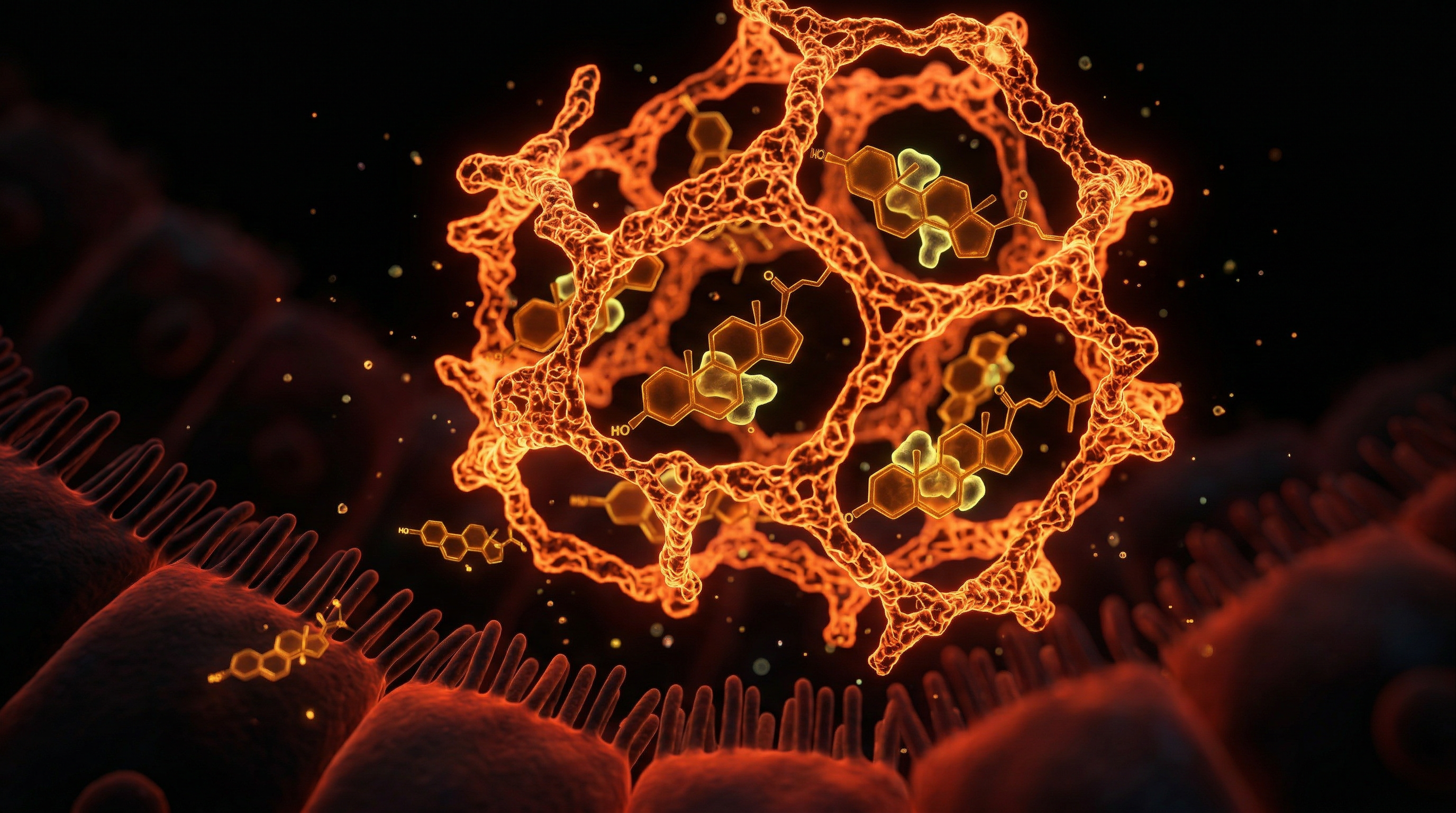
Bile is not merely a digestive surfactant designed to emulsify dietary fats; it is the primary aqueous vehicle for the transport of lipophilic (fat-soluble) toxins out of the liver and into the intestinal tract for permanent elimination. However, a biological "short circuit" known as enterohepatic circulation ensures that up to 95% of bile acids—and the toxic cargo they carry—are reabsorbed in the terminal ileum and sent back to the liver.
This article explores the critical role of Bile Acid Sequestration—the process of binding bile in the gut to prevent its reabsorption—as the definitive exit path for persistent organic pollutants (POPs), heavy metals, and mycotoxins. Without active sequestration, the body remains trapped in a perpetual loop of self-poisoning, leading to systemic inflammation, endocrine disruption, and chronic degenerative disease.
Key Statistic: Research indicates that the average human body recycles its bile pool 4 to 12 times per day. In a toxic environment, this recycling mechanism becomes a primary driver of chronic "internal re-exposure."
The Biology — How It Works
To understand the exit path, one must first understand the journey. The detoxification process is traditionally divided into Phase I (Functionalisation) and Phase II (Conjugation). However, the most overlooked stage is Phase III: Transport.
The Synthesis of Bile
Bile is synthesised in the hepatocytes from cholesterol. This conversion is the body's primary method of regulating cholesterol levels. Once synthesised, bile acids are conjugated with amino acids (usually taurine or glycine) to make them water-soluble enough to exist in the bile duct environment while retaining their affinity for fats.
The Role of the Gallbladder
The gallbladder serves as a storage and concentration organ. It takes dilute bile from the liver and removes water, increasing its potency up to tenfold. When we ingest fats, the hormone cholecystokinin (CCK) signals the gallbladder to contract, dumping this concentrated "detergent" into the duodenum.
The Enterohepatic Trap
This is where the biological design, optimised for a nutrient-scarce ancestral environment, fails the modern human. Bile is metabolically "expensive" to produce. To conserve resources, the body evolved a highly efficient recovery system. As bile travels through the small intestine, specific transporters in the terminal ileum (the final section of the small intestine) grab the bile acids and shuttle them back into the portal vein, returning them to the liver.
When the liver attaches a lipophilic toxin (such as a pesticide or a flame retardant) to a bile molecule, it intends for that toxin to be excreted in the stool. However, if the toxin remains bound to the bile acid, or if the toxin is freed by intestinal bacteria, it is often reabsorbed right along with the bile. This creates a "toxic merry-go-round" where the liver processes the same poison thousands of times over years or decades.
Mechanisms at the Cellular Level
At the molecular level, the movement of toxins into bile is governed by a sophisticated array of ATP-binding cassette (ABC) transporters. Understanding these is vital for grasping how cholestasis (bile stagnation) begins at the cellular scale.
Phase III Transporters: The Gatekeepers
- MRP2 (Multidrug Resistance-associated Protein 2): This transporter sits on the canalicular membrane of the hepatocyte. It is responsible for pumping conjugated toxins and bilirubin into the bile duct.
- MDR1/P-glycoprotein: This pump handles many xenobiotics and drugs.
- BSEP (Bile Salt Export Pump): The primary engine for moving bile salts themselves.
If these transporters are inhibited—by inflammation, genetic polymorphisms, or the toxins themselves—the cell becomes "backed up." Toxins accumulate within the hepatocyte, causing mitochondrial damage and triggering the release of inflammatory cytokines like TNF-alpha and IL-6.
The Nuclear Receptors: FXR and TGR5
The regulation of bile is controlled by nuclear receptors that act as "thermostats" for toxicity:
- FXR (Farnesoid X Receptor): Found in the liver and intestines, FXR senses the level of bile acids. When activated, it inhibits further bile synthesis. If toxins are blocking bile flow, FXR signalling becomes haywire, leading to decreased bile production exactly when the body needs it most to flush out the system.
- TGR5: A G-protein-coupled receptor that responds to bile acids by modulating metabolism and inflammation. Low bile flow directly translates to a sluggish metabolism and a pro-inflammatory state.
Micelle Formation and Sequestration
In a healthy state, bile acids form micelles—tiny spheres that encapsulate fat-soluble substances. Sequestration works by introducing a non-absorbable substance into the intestinal lumen that has a higher affinity for these bile-toxin complexes than the ileal transporters do. By "locking" the bile acid onto a large, indigestible molecule (like a resin or certain fibres), the toxin is forced to stay in the intestinal tract until it is excreted as faeces.
Environmental Threats and Biological Disruptors
The necessity for bile acid sequestration has never been more urgent. We are currently submerged in a "chemical soup" of lipophilic substances that the human evolutionary blueprint never anticipated.
Mycotoxins: The Hidden Burden
Mycotoxins from water-damaged buildings (such as Ochratoxin A and Aflatoxin) are notoriously lipophilic. They are known to undergo intense enterohepatic circulation. This is why individuals exposed to toxic mould often remain ill for years after leaving the contaminated environment; their bile is simply recycling the mould toxins indefinitely.
POPs and "Forever Chemicals"
- PFAS/PFOA: Used in non-stick coatings and firefighting foams. These chemicals have a half-life in the human body of several years, largely because they are recycled via the bile.
- Glyphosate: While not strictly lipophilic, glyphosate disrupts the shikimate pathway in our gut bacteria. This alters the deconjugation of bile acids, making the recycling process more "leaky" and toxic.
- Heavy Metals: Mercury and lead are often conjugated with glutathione and excreted via bile. If bile flow is stagnant (biliary stasis), these metals sit in the gallbladder, where they can contribute to the formation of gallstones and secondary infections.
Endocrine Disruptors
BPA and phthalates mimic oestrogen. The liver processes excess oestrogen and excretes it through bile. If bile sequestration is inadequate, these oestrogen metabolites are reabsorbed, contributing to oestrogen dominance, which in the UK has reached epidemic proportions in both men and women, manifesting as reproductive cancers and infertility.
The Cascade: From Exposure to Disease
When the bile exit path is blocked or recycled, a predictable cascade of systemic failure ensues.
1. Biliary Sludge and Cholestasis
As toxins accumulate, bile becomes thick and viscous ("sludge"). This prevents the proper emulsification of fats.
Fact: Without adequate bile flow, you cannot absorb fat-soluble vitamins (A, D, E, K). This explains why many individuals remain Vitamin D deficient despite high-dose supplementation.
2. SIBO and Dysbiosis
Bile is a powerful antimicrobial. It "washes" the small intestine, keeping bacterial populations in check. When bile flow is stagnant, bacteria from the colon migrate upward, leading to Small Intestinal Bacterial Overgrowth (SIBO). These bacteria then deconjugate bile acids prematurely, making them irritating to the gut lining and easily reabsorbed—carrying their toxic load with them.
3. Intestinal Permeability (Leaky Gut)
Recycled, toxic bile acids are highly caustic. They damage the "tight junctions" of the intestinal wall. This allows undigested food particles and Lipopolysaccharides (LPS)—endotoxins from bacterial cell walls—to enter the bloodstream.
4. Systemic Endotoxaemia
Once LPS enters the portal vein, it triggers the liver’s Kupffer cells (immune cells) to release a firestorm of inflammation. This systemic inflammation crosses the blood-brain barrier, leading to "brain fog," anxiety, and neurodegenerative precursors. The "liver-brain axis" is, in reality, a "bile-brain axis."
What the Mainstream Narrative Omits
The suppression of bile health knowledge in mainstream medicine is a significant oversight, if not a deliberate omission.
The "All or Nothing" Gallbladder Approach
In conventional UK medicine, the gallbladder is treated as a disposable organ. If it becomes inflamed or contains stones, the standard procedure is cholecystectomy (removal). The mainstream narrative fails to mention that removing the gallbladder does not solve the underlying toxicity; it merely removes the "storage tank," resulting in a constant, weak trickle of bile that is insufficient to trigger the "flush" needed for effective toxin removal.
The Ignored Diagnostic: Biliary Stasis
You will rarely find a GP testing for "sluggish bile." Standard liver function tests (LFTs) like ALT and AST only show damage after it has occurred at a cellular level. They do not measure the flow or quality of the bile. Consequently, millions of patients are told their "liver is fine" while they are functionally drowning in recycled lipophilic waste.
The Pharmaceutical Bias
There is no high-profit "blockbuster drug" for improving bile quality. While Cholestyramine is an FDA/MHRA approved bile acid sequestrant, it is rarely used for detoxification, despite its proven efficacy in binding biotoxins. Instead, the focus remains on statins—which actually deplete the cholesterol needed to make bile in the first place.
The UK Context
In the United Kingdom, the crisis of bile health is compounded by specific cultural and environmental factors.
The "British Diet" and Gallbladder Health
The UK has one of the highest rates of ultra-processed food (UPF) consumption in Europe. These foods are high in refined seed oils and sugars, which are known to alter the bile acid pool and promote the formation of cholesterol gallstones. Furthermore, the British obsession with "low-fat" dieting in the 1990s and 2000s led to a generation of "lazy" gallbladders. Without fat to trigger contraction, bile sits stagnant, concentrating toxins and forming stones.
Post-Brexit Regulatory Divergence
With the UK's departure from the EU, there are growing concerns regarding the regulation of environmental toxins. The "Retained EU Law" debate puts many restrictions on lipophilic pesticides at risk. As regulatory oversight potentially weakens, the burden of detoxification shifts from the state to the individual.
NHS Limitations
The NHS is currently geared toward acute crisis management. Chronic fat-soluble toxicity does not fit neatly into a 10-minute consultation window. Patients in the UK are often left to navigate the complexities of "toxic load" and "bile flow" via functional medicine, which remains inaccessible to many due to cost.
Protective Measures and Recovery Protocols
To restore the exit path, one must employ a multi-pronged strategy: Stimulate, Flow, and Bind.
1. Stimulating Bile Production (Choleretics)
We must encourage the hepatocytes to produce fresh, clean bile.
- TUDCA (Tauroursodeoxycholic Acid): A hydrophilic bile acid that helps thin the bile and protects hepatocytes from the toxicity of "stuck" bile acids.
- Phosphatidylcholine (PC): A primary component of the bile duct membrane. PC helps "grease the wheels," ensuring bile remains fluid and doesn't crystallise into stones.
- Bitter Herbs: Dandelion root, artichoke leaf, and gentian stimulate the bitter receptors on the tongue, which via the vagus nerve, signals the liver to increase bile production.
2. Ensuring Gallbladder Contraction (Cholagogues)
Moving the bile from the storage tank into the gut.
- Healthy Fats: Consuming high-quality fats (extra virgin olive oil, grass-fed butter) is essential to trigger CCK and empty the gallbladder.
- Magnesium: Essential for the relaxation of the Sphincter of Oddi, the "valve" that allows bile to enter the small intestine.
3. The Exit Path: Sequestrants (Binders)
The most critical step is ensuring the toxins do not get reabsorbed in the terminal ileum.
- Cholestyramine (CSM): A pharmaceutical resin with a powerful positive charge. it binds negatively charged toxins like mycotoxins and PFAS. (Must be used under clinical supervision).
- Activated Charcoal: A broad-spectrum binder effective for many organic chemicals and certain heavy metals.
- Soluble Fibre (Glucomannan, Pectin, Psyllium): These form a gel-like matrix that physically traps bile acids.
- Zeolite and Bentonite Clay: Effective for binding heavy metals and bacterial endotoxins (LPS).
4. The "Binder Pyramid" Protocol
A clinical approach to sequestration often follows this hierarchy:
- Preparation: Open distal pathways (ensure regular bowel movements).
- Support: Take PC and TUDCA for 2 weeks to "thin" the bile.
- Sequestration: Introduce binders 30-60 minutes before a fatty meal (or 2 hours after). This ensures the binder is present in the duodenum exactly when the gallbladder contracts.
- Remineralisation: Because binders can also trap some minerals, they must be taken away from food and supplements.
Summary: Key Takeaways
The science of bile acid sequestration is the missing link in modern "detox" culture. Without it, most efforts are merely moving toxins from one organ to another.
- Bile is a Waste Carrier: Its primary role in detoxification is to transport lipophilic toxins out of the body.
- The Recycling Problem: Enterohepatic circulation ensures that toxins are reabsorbed rather than excreted, leading to chronic bio-accumulation.
- Biliary Stasis is Silent: You can have "normal" liver enzymes while your bile flow is dangerously stagnant.
- Sequestration is the Key: Using binders (charcoal, clay, resins, fibre) is the only way to "break the loop" of toxin reabsorption.
- Whole-System Approach: Recovery requires thinning the bile (TUDCA/PC), stimulating flow (Bitters/Fats), and binding the output (Sequestrants).
As we navigate an increasingly toxic world, understanding and optimising the biliary exit path is no longer optional—it is a foundational requirement for biological resilience and long-term health. The liver may be the chemist, but the bile is the janitor; it is time we gave the janitor the tools to finish the job.
This article is provided for informational and educational purposes only. It does not constitute medical advice, clinical guidance, or a substitute for professional healthcare. Information reflects cited research at time of publication. Always consult a qualified healthcare professional before acting on any health information.
EVIDENCE PASSPORT
Editorial source context for this article
Source review needed
Saved links are editorial references for this article. They may support specific claims rather than every sentence. Open and assess each source in context. This passport does not independently verify them.
Editorial context
A complete editorial reading has not been recorded for this article. Source links remain available for you to open and assess directly.
Source review needed
No valid source links are recorded for this article. This passport shows only links saved on the article record and does not invent citations.
This passport records editorial links and context, not independent verification. Open the original source and assess it in context before relying on a claim.
Medical Disclaimer
The information in this article is for educational purposes only and does not constitute medical advice, diagnosis, or treatment. Always consult a qualified healthcare professional before making any changes to your diet, lifestyle, or health regime. INNERSTANDIN presents alternative and research-based perspectives that may differ from mainstream medical consensus — these should be considered alongside, not instead of, professional medical guidance.
Read Full DisclaimerContinue the thread
Keep this question moving.
Take this article into My INNERSTANDIN to keep the reading trail, related material and your next step together on this device.
Explore this in the Body Map
See where this hits your biology. Interactive anatomy, threats, and protective protocols.
Dig deeper in the Library
Free, longform PDF volumes that go beyond headlines into mechanisms and references.