Biological Fluid Dynamics: How Rebounding Accelerates Interstitial Lymphatic Drainage
Discuss this resourceUpdated August 2026
An in-depth exploration of how vertical oscillation via rebounding stimulates the lymphatic system, clears interstitial fluid, and supports systemic detoxification.
Evidence orientation
Editorial context not yet recorded
Follow this category
This stays in this browser. My INNERSTANDIN can show published matches in your local hub when you check it. It does not send email, push, or alert notifications.
Local learning review
A private browser aid for revisiting ideas. It is not an alert or a health recommendation.
Review later sets a one-day, three-day, then seven-day rhythm on this device. Choose it only when you want to revisit this article.
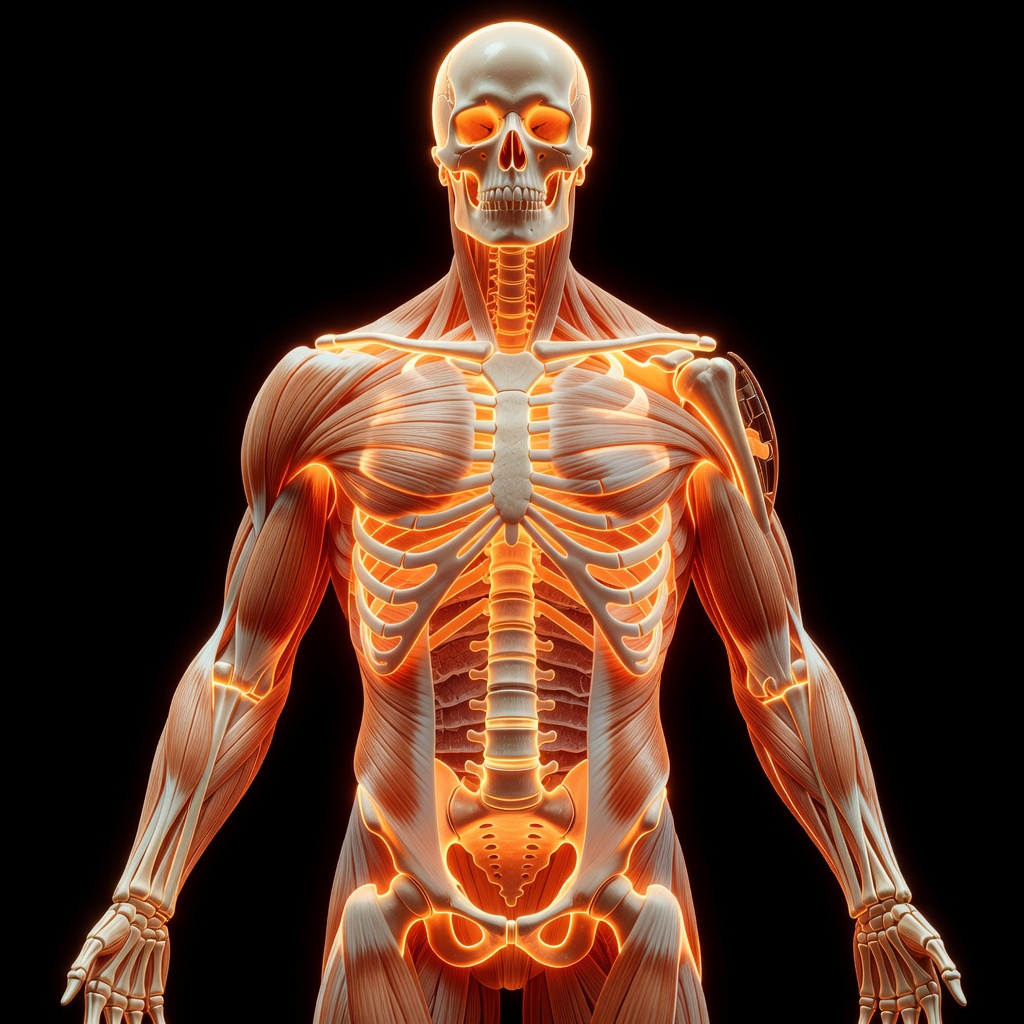
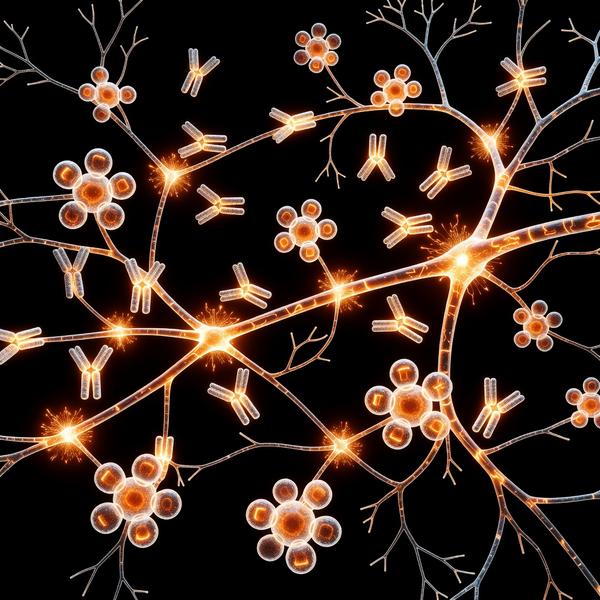
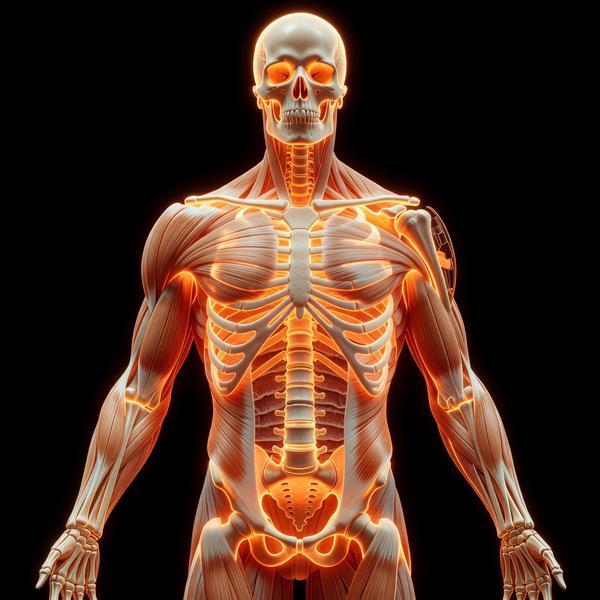
In the complex architecture of human physiology, the lymphatic system serves as the body's primary waste management infrastructure. Unlike the cardiovascular system, which relies on the heart as a central pump, the lymphatic system is a passive network. It lacks a centralized actuator, depending instead on skeletal muscle contraction, respiration, and external mechanical force to move lymph—a fluid rich in proteins, immune cells, and metabolic debris—back into the bloodstream.
The Problem of Stagnation
Modern sedentary lifestyles contribute to "interstitial congestion." When movement is limited, the interstitial fluid—the environment surrounding your cells—becomes thick and sluggish. This accumulation prevents oxygen and nutrients from reaching the cells effectively and traps inflammatory byproducts, leading to chronic oxidative stress. This is where the physics of vertical oscillation becomes transformative.
Rebounding: The Kinetic Catalyst
Rebounding, or rhythmic jumping on a mini-trampoline, utilizes a unique combination of acceleration, deceleration, and gravity. At the zenith of a jump, the body experiences a momentary state of weightlessness. At the nadir, the force of gravity is amplified. This change in G-force creates a rhythmic "pumping" action that affects every cell in the body.
The One-Way Valve Mechanism
Lymphatic vessels are equipped with millions of one-way valves. When you rebound, the rapid shifts in gravitational pressure cause these valves to open and close in rapid succession. This mechanical stimulation forces the lymph to bypass the sluggish movement caused by inactivity, accelerating drainage from the interstitial spaces into the lymphatic capillaries.
Beyond Circulation: The Cellular Impact
When we look at the root cause of cellular toxicity, it is often tied to poor fluid exchange. By increasing the velocity of interstitial drainage, rebounding creates a "pressure gradient" that encourages fresh, nutrient-rich fluid to bathe the cells. This cellular flushing is essential for mitochondrial health and efficient waste removal.
Practical Implementation for Lymphatic Health
To optimize lymphatic drainage, consistency is more important than intensity. A "health bounce"—where the feet remain in contact with the mat—is often sufficient to initiate the lymphatic pump without placing undue stress on the joints. Aim for 10–15 minutes daily to maintain systemic fluidity.
Conclusion
Rebounding is not merely an exercise; it is a bio-mechanical intervention. By leveraging the principles of biological fluid dynamics, we can actively combat stagnation and empower our immune system to operate at its highest potential.
This article is provided for informational and educational purposes only. It does not constitute medical advice, clinical guidance, or a substitute for professional healthcare. Information reflects cited research at time of publication. Always consult a qualified healthcare professional before acting on any health information.
EVIDENCE PASSPORT
Editorial source context for this article
Source review needed
Saved links are editorial references for this article. They may support specific claims rather than every sentence. Open and assess each source in context. This passport does not independently verify them.
Editorial context
A complete editorial reading has not been recorded for this article, and no source links are saved on its record.
Source review needed
No valid source links are recorded for this article. Supplementary research, where available, is listed separately below.
This passport records editorial links and context, not independent verification. Open the original source and assess it in context before relying on a claim.
Medical Disclaimer
The information in this article is for educational purposes only and does not constitute medical advice, diagnosis, or treatment. Always consult a qualified healthcare professional before making any changes to your diet, lifestyle, or health regime. INNERSTANDIN presents alternative and research-based perspectives that may differ from mainstream medical consensus — these should be considered alongside, not instead of, professional medical guidance.
Read Full DisclaimerContinue the thread
Keep this question moving.
Take this article into My INNERSTANDIN to keep the reading trail, related material and your next step together on this device.
Explore this in the Body Map
Explore related body structures and their educational pages in the interactive Body Map.
Dig deeper in the Library
Free, longform PDF volumes that go beyond headlines into mechanisms and references.
RABBIT HOLE
Follow the biological thread deeper