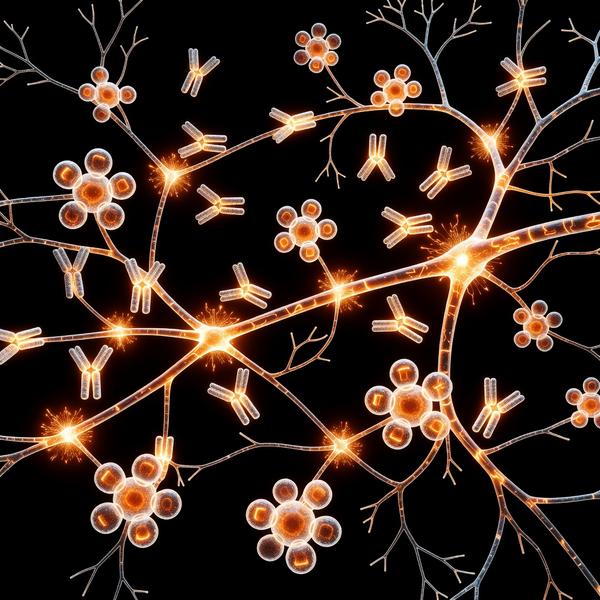
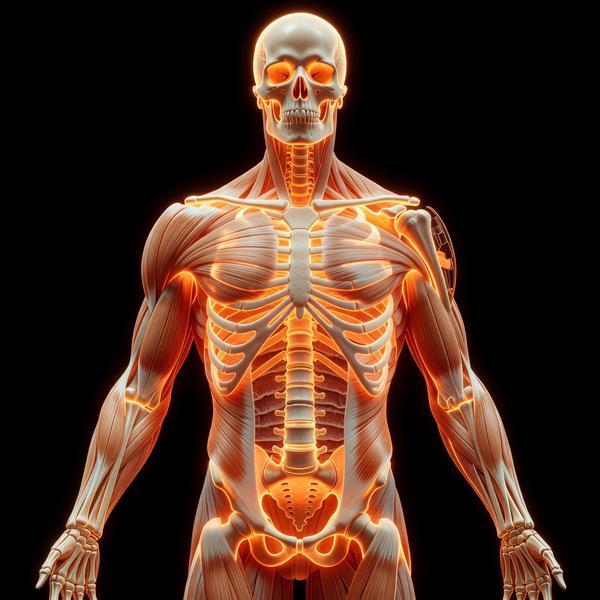
Counteracting Urban Environmental Toxicity through Targeted Lymphatic Activation Protocols
Discuss this resourceUpdated August 2026
An in-depth exploration of how urban environmental pollutants impair lymphatic drainage and how targeted rebound exercise serves as a primary intervention for systemic detoxification.
Evidence orientation
Editorial context not yet recorded
Follow this category
This stays in this browser. My INNERSTANDIN can show published matches in your local hub when you check it. It does not send email, push, or alert notifications.
Local learning review
A private browser aid for revisiting ideas. It is not an alert or a health recommendation.
Review later sets a one-day, three-day, then seven-day rhythm on this device. Choose it only when you want to revisit this article.
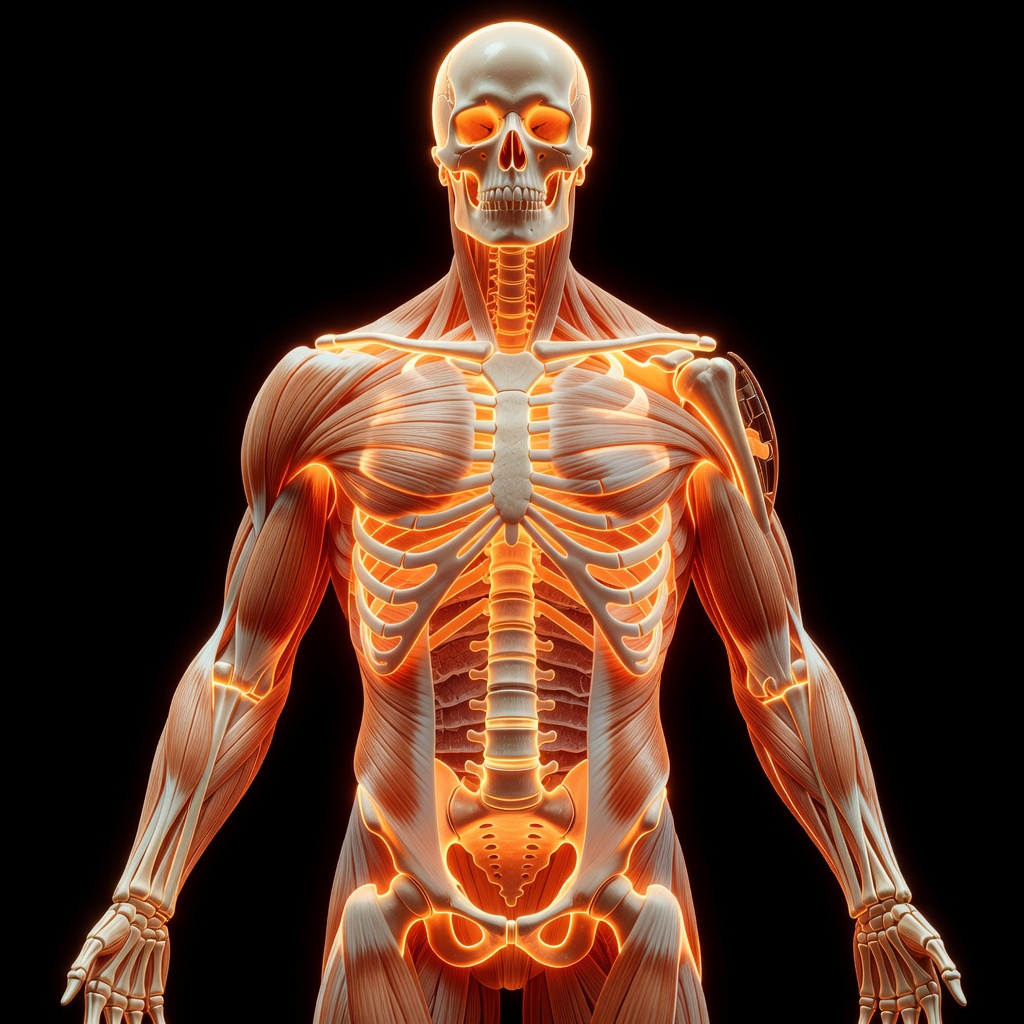
The Urban Toxicity Challenge. Living in a modern metropolitan environment exposes the human body to an unprecedented cocktail of particulate matter (PM2.5), volatile organic compounds (VOCs), and endocrine disruptors. These substances infiltrate our systems through respiration and dermal absorption, placing a heavy tax on our primary filtration system: the lymphatic network. Unlike the circulatory system, which features the heart as a pump, the lymphatic system relies entirely on muscular contraction, breath, and movement to transport cellular waste and environmental toxins to the nodes for processing. ### The Stagnation Cycle. In a sedentary urban lifestyle, lymphatic fluid becomes sluggish.
When this fluid stagnates, toxic buildup increases, leading to systemic inflammation, cognitive fog, and reduced immune resilience. Conventional medical models often overlook this silent accumulation, focusing instead on symptom management rather than flow restoration. At INNERSTANDING, we categorize this as a 'metabolic backpressure' issue, where the body's natural sewage system is overwhelmed by the sheer volume of external pollutants. ### Rebounding: The Kinetic Catalyst. Rebounding—the act of performing vertical oscillation on a high-tension mini-trampoline—is arguably the most efficient method for lymphatic activation. Every time you land at the bottom of a bounce, the g-force increases, while the moment of weightlessness at the apex allows for a total relaxation of the muscles.
This unique rhythm facilitates the opening and closing of lymphatic valves, accelerating the flow of lymph toward the thoracic duct at up to 15 times the normal rate. ### Targeted Protocols for the Urbanite. To combat urban toxicity, we recommend a three-tier protocol. 1. The Morning Prime: Five minutes of 'Health Bouncing' (heels stay on the mat) immediately upon waking. This kickstarts the movement of interstitial fluid that settled overnight. 2. The Diaphragmatic Breath Integration: Pair your rebounding sessions with deep, slow belly breathing.
The pressure changes in the thoracic cavity during deep inhalation act as a secondary vacuum pump, drawing lymph upward. 3. The Evening Flush: Ten minutes of rhythmic oscillation followed by dry brushing in the direction of the heart. This mechanical stimulation prepares the body for the nightly regeneration phase, where the glymphatic system in the brain clears out the day's toxic debris. ### Root-Cause Resilience. By integrating these protocols, you shift your body from a state of toxic accumulation to active clearance. This is not merely 'exercise'; it is a physiological necessity for anyone navigating the pollutants of modern city life.
Focus on consistency over intensity. Even a modest, daily rebound habit can significantly reduce the internal toxic load, leading to clearer skin, improved energy levels, and a robust immune defense against external environmental stressors.
This article is provided for informational and educational purposes only. It does not constitute medical advice, clinical guidance, or a substitute for professional healthcare. Information reflects cited research at time of publication. Always consult a qualified healthcare professional before acting on any health information.
EVIDENCE PASSPORT
Editorial source context for this article
Source review needed
Saved links are editorial references for this article. They may support specific claims rather than every sentence. Open and assess each source in context. This passport does not independently verify them.
Editorial context
A complete editorial reading has not been recorded for this article, and no source links are saved on its record.
Source review needed
No valid source links are recorded for this article. Supplementary research, where available, is listed separately below.
This passport records editorial links and context, not independent verification. Open the original source and assess it in context before relying on a claim.
Medical Disclaimer
The information in this article is for educational purposes only and does not constitute medical advice, diagnosis, or treatment. Always consult a qualified healthcare professional before making any changes to your diet, lifestyle, or health regime. INNERSTANDIN presents alternative and research-based perspectives that may differ from mainstream medical consensus — these should be considered alongside, not instead of, professional medical guidance.
Read Full DisclaimerContinue the thread
Keep this question moving.
Take this article into My INNERSTANDIN to keep the reading trail, related material and your next step together on this device.
Explore this in the Body Map
Explore related body structures and their educational pages in the interactive Body Map.
Dig deeper in the Library
Free, longform PDF volumes that go beyond headlines into mechanisms and references.
RABBIT HOLE
Follow the biological thread deeper